
1. Introduction
The skin serves as the body’s primary interface with the external environment and plays a pivotal role in systemic physiological regulation. It extends beyond its protective barrier function by performing critical tasks such as thermoregulation, sensory perception, immune defense, and endocrine activity (1). Situated at the boundary between the internal and external environments, the skin is subject to both intrinsic aging, driven by factors such as oxidative stress, telomere shortening, and hormonal decline, and extrinsic aging, caused by environmental exposures, including air pollution, UV radiation, smoking, poor nutrition, and alcohol consumption (2). Due to the extensive integration of the skin with various physiological systems, including the nervous, immune, and circulatory systems, the skin can function as a disseminator of aging within the body, transmitting senescence-associated phenotypes to other systems and promoting systemic aging (3).
Among the key contributors to skin aging, cellular senescence plays a pivotal role, being induced by both intrinsic and extrinsic factors. Cellular senescence, first described by Hayflick and Moorhead in 1961, forms the biological basis of intrinsic skin aging (4). Senescence is characterized by a permanent cessation of cell division, regulated by a complex network of mechanisms (5). While it provides benefits such as inhibiting fibrosis and tumorigenesis, promoting tissue remodeling, and facilitating wound healing, the accumulation of senescent cells results in deleterious effects, including chronic inflammation and oxidative stress (6). Senescent cells adopt a senescence-associated secretory phenotype (SASP). The concept of SASP, formally detailed in 2011, provided a key mechanism linking senescent cells to inflammation, offering new insights into skin aging and systemic aging processes (7). It is marked by the secretion of cytokines, chemokines, growth factors, and proteases that create a pro-inflammatory microenvironment. Through paracrine signaling, SASP can induce senescence in neighboring cells, leading to a cascade of events contributing to inflammaging and age-associated diseases (8).
The skin comprises three primary layers: The epidermis, dermis, and subcutaneous tissue. Senescence can occur in various cell types within these layers. In the epidermis, keratinocytes are the most prominent and functionally versatile cells, playing a crucial role in maintaining skin health and preventing aging. One of their key roles is preserving epidermal homeostasis by balancing cell proliferation and differentiation. They also contribute significantly to the formation of the epidermal barrier through the production of essential lipids, such as ceramides and cholesterol, which prevent dehydration and maintain skin hydration. Keratinocytes synthesize keratin, a structural protein that provides strength and elasticity to the skin. Additionally, they are actively involved in immune responses by expressing pattern recognition receptors (PRRs), which detect damage or pathogens, and by recruiting immune cells to injury sites to facilitate wound healing. These multifaceted functions make keratinocytes indispensable for maintaining the integrity and overall health of the epidermis.
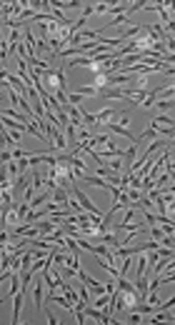
In the dermis, which is divided into papillary and reticular layers, fibroblasts are among the most essential cells. They are present in both layers and play critical roles in the synthesis of the extracellular matrix (ECM). The ECM produced by papillary dermal fibroblasts primarily supports the epidermis, focusing on the production of glycosaminoglycans (GAGs) for hydration, type III collagen, and fine elastic fibers that contribute to skin flexibility. In contrast, reticular dermal fibroblasts primarily produce type I collagen, which provides tensile strength and structural integrity to the skin, and densely packed, thick elastin fibers, which enhance the skin’s tensile resilience (9, 10).
While senescence in both epidermal keratinocytes and dermal fibroblasts significantly influences skin aging, the impact of dermal fibroblast senescence is more profound in driving skin aging and associated age-related disorders. Unlike keratinocytes, which reside in the superficial layers of the skin and are primarily affected by extrinsic factors such as UV radiation and air pollution (inducing senescence biomarkers like p53, p21CIP1, and SASP factors), dermal fibroblasts, located in the deeper layers, are predominantly influenced by intrinsic factors, including telomere shortening and reactive oxygen species (ROS). These fibroblasts exhibit senescence biomarkers such as p16INK4a, SA-β-Gal, and SASP factors (11).
To address senescence-induced aging, senotherapeutics have emerged as promising interventions, encompassing two major categories: Senolytics, which eliminate senescent cells or senolysis, and senomorphics, which suppress SASP or exert senostatic effects. Advances in this field have led to the development of multiple generations of senotherapeutics, with newer generations offering enhanced specificity and reduced toxicity. Among these are targeted nanoparticles, which enable the delivery of senotherapeutic agents directly to senescent cells, minimizing off-target effects. Additionally, senoblockers, which inhibit the harmful effects of the SASP, and senoreversers, which aim to reverse cellular senescence, represent promising strategies in combating age-related diseases and improving healthspan.
The present study demonstrates that advancements in new generation senotherapeutics enable precise targeting of senescent dermal fibroblasts, effectively mitigating the pro-inflammatory effects of SASP while reducing off-target toxicity. It outlines how second-generation senotherapeutics improve specificity and efficacy compared to earlier generations in targeting senescent dermal fibroblasts. Furthermore, it explores the role of emerging technologies such as targeted nanoparticles, chimeric antigen receptor T (CAR-T) cells, and gene editing in overcoming the heterogeneity of senescent cells in the skin. Finally, it evaluates how these advanced senotherapeutics extend beyond skin aging to provide systemic anti-aging benefits. Given the critical role of senotherapy in anti-aging strategies, this review highlights the superior specificity and efficacy of newer generations of these compounds in anti-senescence therapies of the skin (12).
2. First Generation of Senolytics and Senomorphics in Human Dermal Fibroblast Senotherapy
The first-generation senolytic and senomorphic agents were generally less specific, exerting effects on a broader range of cells. These agents were predominantly small molecules, categorized into two main groups: Synthetic and natural compounds. Examples of synthetic first-generation senolytics include dasatinib, navitoclax (ABT-263), ABT-737, and peptides such as FOXO4-DRI. Synthetic first-generation senomorphics include compounds such as metformin, JAK inhibitors (e.g., ruxolitinib and tofacitinib), and rapalogs. Natural compounds with senotherapeutic properties include both phenolic compounds, such as quercetin, fisetin, epigallocatechin gallate, curcumin, resveratrol, apigenin, kaempferol, and naringenin, and non-phenolic compounds, such as isothiocyanates (e.g., sulforaphane) and alkaloids (e.g., berberine, piperlongumine), as well as terpenes like ursolic acid. These compounds are predominantly extracted from plants. Notably, a substantial proportion of these natural compounds exhibit dual senolytic and senomorphic activities, making them promising candidates for senotherapy.
First-generation senolytics primarily consist of compounds with broad-spectrum activity that target anti-apoptotic pathways. Consequently, they exhibit high off-target effects and limited efficiency in specifically targeting senescent cells. These senolytics were identified through screening methodologies designed to detect compounds capable of inducing apoptosis in senescent cells (13). Synthetic first-generation senolytics are chemically synthesized compounds developed in laboratories. While these agents demonstrate greater potency in eliminating senescent cells compared to natural compounds, their broad-spectrum activity also results in higher toxicity and increased off-target effects. Furthermore, some synthetic senolytics may selectively target only specific types of senescent cells.
Prominent examples of synthetic first-generation senolytics include:
- Dasatinib: A tyrosine kinase inhibitor that induces apoptosis in senescent cells by disrupting survival pathways, including SRC family kinase signaling, PI3K/AKT signaling, and BCR-ABL kinase activity. Studies have demonstrated that the combination of dasatinib and quercetin is highly effective in eliminating senescent human dermal fibroblasts (HDFs) (14).
- Navitoclax (ABT-263): Also known as a BH3 mimetic, navitoclax mimics the function of BH3-only proteins, which are pro-apoptotic proteins that neutralize the action of anti-apoptotic proteins by binding to them. Navitoclax is a potent inhibitor of Bcl-2 family proteins, which play a critical role in the regulation of apoptosis. It targets multiple members of this family, including Bcl-2, Bcl-xL, and Bcl-w, which are involved in the survival of senescent cells, thereby promoting their selective elimination. It has been observed that navitoclax could remove senescent HDFs in a mouse/human chimeric model (15).
- ABT-737: Like navitoclax (ABT-263), ABT-737 is a BH3 mimetic and a potent inhibitor of Bcl-2 family proteins. By targeting Bcl-2, Bcl-xL, and Bcl-w, ABT-737 induces apoptosis in senescent cells. It has been reported that ABT-737, in combination with fibroblast growth factors (FGFs), effectively reduces the number of senescent human dermal fibroblast cells (16).
FOXO4-DRI is a synthetic peptide that mimics the binding domain of FOXO4 to p53, binding to p53 and preventing the interaction of FOXO4 with it. This leads to the selective induction of apoptosis by disrupting the FOXO4-p53 complex in senescent cells. FOXO4, a transcription factor belonging to the FOXO family, plays a crucial role in regulating cellular stress responses, apoptosis, and senescence. Known as the "guardian of the genome", p53 is essential in stress responses, including cell cycle arrest and apoptosis. In senescent cells, the pro-apoptotic function of p53 is inhibited by its interaction with FOXO4, which helps sustain the senescent state of these cells. Since normal cells are not dependent on the FOXO4-p53 interaction for survival, this mechanism is highly specific for targeting senescent cells. Therefore, the ability of FOXO4-DRI to disrupt this interaction allows for the targeted elimination of senescent cells, making it a highly specific and effective senolytic agent. Scientific investigations revealed that the senolytic FOXO4-D-retro-inverso (FOXO4-DRI) peptide targets the interaction of p53 and FOXO4. Treatment of the XpdTTD/TTD mouse model of accelerated aging and naturally aged mice with the FOXO4-DRI peptide alleviated aging skin phenotypes as well as hair loss and discoloration (17).
Synthetic first-generation senomorphics are also chemically synthesized in laboratories. They modulate the behavior of senescent cells, particularly by suppressing the SASP, without eliminating the senescent cells themselves. As a result, senomorphics reduce the harmful effects of senescent cells while preserving their beneficial functions, such as facilitating wound healing and tissue repair. Prominent examples of these synthetic senomorphics include:
- Metformin: A chemically synthesized compound that activates AMPK (adenosine monophosphate-activated protein kinase), regulates Sirtuin 1 (SIRT1) and mammalian target of rapamycin complex 1 (mTORC1), reduces oxidative stress, and plays a role in mitigating the SASP by modulating the NF-κB inflammatory pathway, improving mitochondrial function, and enhancing insulin sensitivity. Findings indicate that metformin reduced the expression of RELA/p65 and also inhibited apoptosis in HDFs by regulation of COL1A1 and COL3A1 expression. It has also been observed that metformin reduced NF-κB, which is a key regulator of pro-inflammatory cytokines (18).
- JAK Inhibitors (e.g., Ruxolitinib and Tofacitinib): These are synthetic chemical compounds that play a role in inhibiting the JAK/STAT signaling pathway, which is a key contributor to the development of the SASP. These inhibitors also contribute to reducing inflammation by suppressing SASP components such as IL-6 and TNF-α. Experimental data showed that ruxolitinib reduced skin fibrosis. Ruxolitinib is well-regarded for its efficacy in treating fibrotic skin diseases, primarily through the inhibition of JAK2, which leads to a reduction in IL-6-dependent collagen synthesis. Tofacitinib, as a JAK inhibitor, also plays a role in suppressing the production of type I and III collagens as well as fibronectin. It inhibits interferon-regulated gene expression in dermal fibroblasts, thereby modulating inflammatory pathways that contribute to fibrosis (19, 20).
Rapalogs, or rapamycin analogs like everolimus, inhibit mTOR activity. mTOR plays a critical role in regulating cellular growth, metabolism, and aging. Rapalogs can reduce cellular senescence and the pro-inflammatory SASP. Evidence suggests that everolimus suppresses collagen synthesis and fibroblast proliferation, indicating potential antifibrotic properties. AZD8055, a rapalog, effectively decreases markers of senescence such as p16INK4a and SA-β-Gal in HDFs and decreases pro-inflammatory cytokines. AZD8055 is a dual mTORC1 and mTORC2 inhibitor that promotes autophagy by suppressing mTORC1 and mTORC2 (21, 22).
Natural first-generation senotherapeutics often exhibit both senolytic and senomorphic properties. Due to their natural origin, their ability to eliminate senescent cells is relatively limited. However, in addition to their senolytic properties, they often exhibit the ability to reduce the SASP. Factors such as senotherapeutic concentration, the type of senescent cell, its microenvironment, the overlap of pathways influencing both the lysis of senescent cells and the modulation of the SASP, as well as the heterogeneity of senescent cells, can contribute to these dual effects. The most important natural senotherapeutics include:
- Quercetin: A flavonoid belonging to the family of polyphenolic compounds, found in plants, vegetables, legumes (particularly apples, onions, and various berries), and tea. It exerts its senolytic effects by inhibiting pro-survival pathways such as PI3K/AKT and heat shock protein pathways, as well as by inducing oxidative stress to promote apoptosis in senescent cells, thereby eliminating them. Additionally, through the inhibition of NF-κB and the reduction of pro-inflammatory cytokines, it exhibits senomorphic effects, which suppress the SASP. Reports highlight that due to strong antioxidant activity, quercetin can reduce the intracellular and extracellular ROS levels in HDFs. Additionally, it plays a role in activating the proteasome, leading to the degradation of misfolded, oxidized, or aggregated proteins that could disrupt cellular homeostasis and contribute to cellular stress and inflammatory responses (23).
- Fisetin: A flavonoid found in strawberries, persimmons, and onions, known for its senolytic properties. It targets multiple pro-survival pathways in senescent cells and induces apoptosis by disrupting anti-apoptotic mechanisms within these cells. Additionally, it exerts senomorphic effects by reducing SASP factors such as IL-6, IL-8, and TNF-α, as well as mitigating oxidative stress and inflammation in surrounding tissues. Scientific investigations confirm that fisetin can inhibit SASP and selectively remove senescent HDFs. Fisetin effectively suppresses the expression of MMP-1 and MMP-3 triggered by UVA exposure through the regulation of the NOX/ROS/MAPK signaling pathway (24, 25).
- Epigallocatechin gallate: A polyphenol found in green tea that exhibits senolytic effects on certain types of senescent cells. It induces apoptosis in these cells by increasing oxidative stress and disrupting mitochondrial function, leading to oxidative stress and subsequent apoptosis in senescent cells. Additionally, it promotes the clearance of senescent cells by enhancing autophagy. Its senomorphic effects involve modulating NF-κB and reducing pro-inflammatory cytokines. Epigallocatechin Gallate has shown a photoprotective effect in HDFs. It also inhibits the production of MMP-1 induced by TNF-α through the activation of MAPK/ERK signaling pathways in HDFs. Research has demonstrated that Epigallocatechin Gallate decreases the production of MMPs in HDFs exposed to UV radiation (26-28).
- Curcumin: A polyphenol found in the root of turmeric, curcumin can induce apoptosis in senescent cells under specific tissue- and context-dependent conditions. However, its senomorphic effects are particularly notable, as it strongly suppresses the SASP by inhibiting NF-κB and reducing oxidative stress, thereby significantly decreasing pro-inflammatory cytokines. Curcumin has been observed to safeguard HDFs from hydrogen peroxide-induced damage by modulating autophagy levels and controlling the production of ROS. The photoprotective effects of curcumin in preventing ultraviolet A (UVA)-induced photoaging have also been demonstrated in HDFs. Furthermore, curcumin can influence collagen metabolism by reducing the protein levels of matrix metalloproteinase (MMP)-1 and MMP-3 and down-regulating NF-κB expression (29, 30).
- Resveratrol: A polyphenol derived from red grapes, berries, and peanuts, resveratrol can exhibit senolytic effects at high doses, inducing apoptosis in senescent cells. Its senomorphic properties involve suppressing the SASP through the activation of SIRT1, which modulates inflammatory and oxidative stress pathways, improves mitochondrial function, and reduces inflammation. Experimental data show that resveratrol enhances autophagy and provides protection against photoaging caused by UVA exposure in HDFs (31).
- Apigenin: A flavonoid found in parsley, celery, chamomile, and other sources, apigenin exerts its senolytic effects by disrupting mitochondrial function in certain senescent cells. Additionally, it demonstrates senomorphic properties by reducing NF-κB activity and decreasing inflammatory cytokines. Investigations have established that apigenin prevents the age-related effects of UVA by decreasing the expression of MMP-1 and UVB by reducing both oxidative stress and inflammatory signaling pathways like NF-κB. It also promotes the production of dermal collagen I/III through activation of the Smad2/3 signaling pathway (32, 33).
- Kaempferol: A flavonoid found in spinach, kale, and other leafy vegetables, kaempferol exerts its senolytic effects by modulating oxidative stress pathways, thereby promoting apoptosis in senescent cells. Additionally, it demonstrates senomorphic properties by inhibiting the secretion of SASP factors such as IL-6 and TNF-α, effectively reducing oxidative damage. Experiments have proven that kaempferol mitigates skin fibrosis in systemic sclerosis by decreasing ROS levels and reducing the infiltration of myofibroblasts, T-cells, and macrophages. Findings also suggest that kaempferol ameliorates inflammation and cell death in normal human dermal fibroblasts (NHDFs) induced by 12-O-tetradecanoylphorbol-13-acetate (TPA). Kaempferol inhibited the production of intracellular ROS and suppressed the phosphorylation of c-Jun N-terminal kinase (JNK), NF-κB, and inhibitor of NF-κB (IκBα), leading to reduced expression of interleukin (IL)-1β and cleaved caspase-3 (34).
- Naringenin: A flavanone found in citrus fruits, naringenin acts as a senolytic by eliminating senescent cells through mechanisms such as ROS accumulation, mitochondrial dysfunction, and reduction of survival pathways, including NF-κB and SASP factors that support senescent cell viability. As a senomorphic, it modulates the SASP by suppressing inflammatory cytokines (e.g., IL-6) and MMP-1. In studies utilizing HDFs, naringenin was found to suppress lipopolysaccharide (LPS)-induced inflammatory responses by regulating the NF-κB signaling pathway. This regulatory effect resulted in decreased expression of pro-inflammatory cytokines, including IL-6 and IL-8, along with a reduction in the levels of COX-2, an enzyme closely linked to inflammatory processes in skin cells. Naringenin has also been shown to protect HDFs from oxidative stress by scavenging ROS. This antioxidant activity contributes to the preservation of cellular function and the prevention of premature skin aging. The UV-B irradiation caused mitochondrial dysfunction in HDFs by promoting increased fragmentation, leading to the activation of NF-κB and the release of pro-inflammatory cytokines. Naringenin mitigates oxidative stress, restores mitochondrial balance, and reduces inflammation in HDFs exposed to UV-B radiation (35-37).
- Sulforaphane: An isothiocyanate compound derived from radish seeds, sulforaphane exhibits its senolytic effects by inducing apoptosis in senescent cells under oxidative stress conditions. Additionally, it activates the Nrf2 pathway, enhancing antioxidant defenses and reducing inflammatory cytokines, thereby mitigating the SASP. It has been proven that prolonged consumption of sulforaphane mitigates d-galactose-induced skin aging by stimulating the AMPK-Sirt1 signaling pathway (38).
- Berberine: An alkaloid that exhibits senolytic effects by selectively eliminating senescent cells through the disruption of mitochondrial function under specific conditions. Additionally, it modulates the SASP by reducing pro-inflammatory cytokines and oxidative stress. Research has shown that proto-berberine has antifibrotic and cytoprotective effects on HDFs. Berberine also inhibits UV-induced MMP-1 expression and preserves type I procollagen levels in HDFs (39, 40).
- Piperlongumine: An alkaloid derived from the pepper plant, piperlongumine exerts its senolytic effects by inducing the production of ROS in senescent cells, which are more vulnerable to oxidative stress. This process disrupts their antioxidant defenses, leading to the induction of apoptosis. Additionally, it demonstrates senomorphic effects by reducing components of the SASP and limiting the inflammatory impact of the remaining senescent cells. It has been observed that piperlongumine selectively induced apoptosis in senescent human fibroblasts by increasing ROS levels, leading to oxidative stress and cell death (41).
- Ursolic Acid: A triterpene that exerts its senolytic effects by inducing mitochondrial dysfunction, leading to the release of cytochrome c and activation of caspases, which triggers apoptosis in senescent cells. It also activates pathways such as the p53-p21 axis and downregulates anti-apoptotic proteins like Bcl-2, sensitizing senescent cells to apoptosis. The senomorphic effects of ursolic acid include suppressing pro-inflammatory cytokines like IL-6 and IL-8 and matrix-degrading enzymes such as MMP-1 and MMP-3. Analyses reveal that ursolic acid could reduce UVB-induced extracellular damage by disrupting the ROS-driven pathways that lead to apoptosis and photoaging-related cellular senescence (42).
3. Second Generation of Senolytics and Senomorphics in Human Dermal Fibroblast Senotherapy
The second generation of senotherapeutics includes targeted senolytics, senoblockers, and senoreversers. Targeted senolytics comprise targeted nanoparticles, antibody-drug conjugates, activated NK cells, CAR-T cells, and PD-L1/PD-L2 inhibitors. These are designed to selectively eliminate senescent cells by focusing on specific markers or pathways unique to these cells, minimizing harm to normal cells.
The first targeted second-generation senotherapeutics utilized nanotechnology for the precise elimination of senescent cells. Nanoparticles, made from substances like lipids, metals, or synthetic compounds, were engineered to deliver drugs selectively to cells expressing senescent markers such as SA-β-gal. For example, mesoporous silica nanoparticles capped with galacto-oligosaccharides showed reduced toxicity and effective targeting compared to traditional senolytics. Molecularly imprinted polymer nanoparticles (nanoMIPs), known as "plastic antibodies", were designed to bind specific epitopes like B2M (Beta-2 Microglobulin), allowing for selective drug delivery and senescent cell clearance both in vitro and in vivo. The NanoMIPs are engineered to mimic the behavior of natural antibodies by creating binding sites that are complementary in shape, size, and chemical properties to their target molecules. These binding sites are formed during the polymerization process, where the target molecule (template) is used to mold the structure of the polymer (12, 43).
In one study, calcium carbonate nanoparticles coated with a lactose-conjugated CD9 monoclonal antibody and loaded with rapamycin were used for the targeted delivery of rapamycin to aged HDFs. The anti-senescence effects of this construct included a reduction in β-galactosidase activity and the expression of p53, p21, CD9, and cyclin D1. Additionally, it enhanced cell proliferation and migration, reduced population doubling times, and prevented cell cycle arrest. Another study provided evidence that CD9-conjugated PEGylated liposomes loaded with rapamycin exhibited superior anti-senescence activity compared to free rapamycin (44, 45).
Antibody-drug conjugates consist of antibodies engineered to bind to senescent cell-specific surface proteins, conjugated with cytotoxic drugs. Once the antibody binds to the senescent cell, the drug is internalized and induces cell death. Research has shown that treatment with a combination of anti-ApoD antibodies and PBD-conjugated secondary antibodies could contribute to a potential new mechanism of senolysis in aging HDFs (46).
Activated natural killer (NK) cells are modified or activated to recognize and destroy senescent cells based on their expression of senescent-specific surface markers. The NK cells use mechanisms like perforin and granzyme secretion to induce apoptosis in targeted cells. The CAR-T cells are genetically engineered to express receptors that recognize senescence-associated surface markers such as urokinase-type plasminogen activator receptor (uPAR). These cells bind to senescent cells and activate T-cell-mediated cytotoxicity to eliminate them (12). Experimental data from a study demonstrated that NKG2D-CAR T cells exhibited potent cytotoxicity against senescent mouse embryonic fibroblasts, with minimal effects on non-senescent cells. Although the study does not directly investigate skin fibroblasts, it is noted elsewhere in the paper that the expression of NKG2DLs is elevated in senescent skin fibroblasts (47, 48).
Senescent cells often evade immune surveillance by upregulating immune checkpoint proteins like PD-L1 and PD-L2. Inhibitors of these proteins prevent senescent cells from "hiding" from immune cells, allowing the immune system to clear them more effectively.
Senoblockers prevent the formation of senescent cells by disrupting the pathways leading to senescence, such as p53-p21 or p16-Rb. These therapies intervene in cellular stress responses or damage signaling, preventing cells from entering a senescent state. Bruton’s tyrosine kinase (BTK) inhibitors block pathways that stabilize p53, preventing the initiation of senescence. Heat shock proteins, such as Hsp72, also modulate stress responses to inhibit senescence induction.
Senoreversers reverse the senescent phenotype, restoring cells to a more youthful and functional state without inducing uncontrolled proliferation. These therapies target biochemical and epigenetic changes associated with senescence, such as nucleocytoplasmic compartmentalization (NCC) deterioration or SASP secretion. Examples include: (1) Reversine: A small molecule that reverses senescence by modulating pathways like Aurora B kinase and autophagy; (2) transcription factor modulation: Restores youthful gene expression patterns, potentially rejuvenating cells.
- Epigenetic reprogramming: Utilizing Yamanaka factors (OSKM) to reset the epigenetic clock and reverse senescence-associated damage offers a promising avenue for rejuvenating cells (12, 43). The advantages of second-generation senotherapeutics include a reduction of off-target effects, as demonstrated by technologies like mesoporous silica nanoparticles capped with galacto-oligosaccharides, which selectively bind to senescent cell markers such as SA-β-gal (42). Additionally, antibody-drug conjugates targeting senescence-specific surface proteins, such as ApoD, have been shown to induce senolysis while sparing normal cells (44). These advancements improve safety and open possibilities for combination therapies, although challenges such as marker heterogeneity still make universal targeting difficult.
4. Future of Next-Generation Senotherapeutics:
The future discovery of senotherapeutics could be significantly accelerated by:
(1) Combining technologies: To enhance specificity, reduce off-target effects, and address the complexities of senescent cell heterogeneity. One of the major challenges in senotherapeutics is the heterogeneity of senescent cells and the potential for therapies to inadvertently harm healthy cells. To address this, multiple technologies can be integrated, such as precision medicine and biomarker discovery (single-cell sequencing can identify unique molecular signatures of senescent cells across different tissues), gene editing technologies (CRISPR-Cas9 or epigenetic reprogramming), immunotherapy (senescence-targeted CAR-T cells, checkpoint inhibitors), and multi-omics integration (combining data from different omics to provide a comprehensive understanding of senescent cell-specific aspects and computational tools for modeling the interaction between senescent cells and their microenvironments). By combining these technologies, unparalleled specificity could be achieved, reducing the risk of off-target effects.
(2) Leveraging deep learning: To identify, evaluate, and optimize small molecules efficiently. The use of artificial intelligence (AI), particularly deep learning, in senotherapeutics could dramatically accelerate the detection, assessment, and refinement of small molecules with senolytic or senomorphic properties. This could be performed by different techniques, such as efficient molecule screening by analyzing vast chemical libraries to predict molecules with senescence-targeted properties using AI modeling, or identifying patterns in molecular data to predict pharmacokinetics, toxicity, and bioavailability of new compounds using machine learning. Additionally, analyzing pathways and identifying targets by examining cellular pathways involved in senescence and mapping the interaction of senescent cells within their microenvironment, optimizing new candidates through deep learning, and conducting virtual clinical trials that simulate drug interactions in virtual models.
While next-generation senotherapeutics hold immense promise, their widespread application faces significant challenges. Scalability and cost are major concerns, particularly for resource-intensive technologies like CAR-T cells and CRISPR-based tools, which require complex manufacturing and personalized approaches. Safety issues, including off-target effects in gene-editing tools and immune-related risks like cytokine release syndrome in CAR-T cells, remain critical barriers. Additionally, marker heterogeneity across tissue types complicates universal targeting, while regulatory hurdles can delay clinical adoption. Ethical concerns arise regarding the long-term impacts and potential misuse of genetic modifications, particularly for non-therapeutic purposes such as anti-aging or cosmetic enhancements, which could exacerbate societal disparities. Addressing these challenges will require advances in biomarker discovery, streamlined production processes, robust regulatory frameworks, and collaborative efforts across research, technology, and policy to ensure these therapies are both safe and accessible.
Our results revealed that second-generation senotherapeutics, such as targeted nanoparticles and CAR-T cells, exhibited significantly higher specificity in eliminating senescent dermal fibroblasts compared to first-generation compounds. Additionally, the modulation of SASP factors was more effective, as evidenced by reduced cytokine expression levels. These approaches, individually and synergistically, promise to revolutionize the field of senotherapeutics, enabling the development of safer, more effective therapies for age-related diseases and promoting healthy aging (43).
5. Conclusions
Due to the significant impact of skin aging on the overall aging of the body, preventing skin aging is of utmost importance. One of the key factors in skin aging is senescence, which can occur in various skin cells. Dermal fibroblasts are among the most important skin cells, and their senescence strongly affects skin aging. Targeting senescent dermal fibroblasts through advanced senotherapeutics not only addresses skin aging but may also influence systemic aging by modulating SASP factors that drive chronic inflammation. By reducing systemic inflammatory signals associated with senescence, these therapies could mitigate aging-related physiological changes across multiple organ systems. This highlights the potential for dermal fibroblast senotherapy to contribute to overall healthspan improvement, encouraging further investigation into its systemic effects.
This highlights the need for the development of anti-senescence therapies. In the first generation of senotherapeutics, treatments were implemented in two forms: Senolysis using senolytic agents and senostasis using senomorphic agents. These agents were both synthetic and natural, with the majority being natural compounds, many of which exhibited both senolytic and senomorphic effects. The limitation of first-generation senotherapeutic agents was that they lacked high specificity and could potentially target normal skin or non-skin cells, leading to off-target effects and resulting in cellular toxicity. Consequently, there was a need to design targeted approaches for specifically targeting senescent fibroblasts in the skin.
In the second generation, senotherapeutic agents were developed as targeted senolytic and senomorphic agents, with the addition of senoblockers and senoreversers. Targeting was achieved using specific markers for senescent cells, employing targeted nanoparticles, antibody-drug conjugates, activated NK cells against senescent cells, and engineered CAR-T cells for the specific identification of senescent cells. In future generations, by combining multiple targeted technologies, specificity will be greatly enhanced. Additionally, using AI, particularly deep learning, small molecules will be introduced that can rapidly and specifically identify senescent cells with high precision.
Anti-senescence therapies exhibit considerable potential for treating aging in all organs, particularly the skin. With the rapid advancements in this field over recent years, these therapies have raised significant hope for rejuvenation and the management of age-related diseases.