Fulltext
Full text is available in pdf
Image Credit:Ann Mil Health Sci Res
Authors
Background: Coxiella burnetii is the etiologicagent of a zoonotic disease which named Q-fever in humans and coxiellosis in animals. This bacterium can survive in the environment out of the specific host. Accordingly, it categorized by the CDC in bioterrorism agents ‘category B. Consequently, rapid detection of the bacteriumadministratesthe treatment of disease. Materials and Methods: A review study on the different researches on laboratory diagnosis field in the world and Iran scientific databases was conducted. This paper includes biological safety, cultivation and detection assays. Results: Detection of Coxiella burnetii can be done byclassical methods (isolation, cultivation in the appropriate cell line such as P388D1, J774, and L929), serologic tests (immunofluorescence, micro immunofluorescence, complement fixation test and ELISA) and molecular biology methods (PCR, Nested PCR and Real Time PCR). Conclusions: While have existed kinds of detection methods for this agent, costly, need to specific laboratory and time consuming are the limitation of the mentioned techniques. Molecular methods due to accuracy and high rapidity in detection can be effective.
© 2013, Annals of Military and Health Sciences Research. This open-access article is available under the Creative Commons Attribution-NonCommercial 4.0 (CC BY-NC 4.0) International License (https://creativecommons.org/licenses/by-nc/4.0/), which allows for the copying and redistribution of the material only for noncommercial purposes, provided that the original work is properly cited.
Kargar M, Rashidi A, Doosti A, Najafi A, Ghorbani-Dalini S. The Sensitivity of the PCR Method for Detection of Coxiella burnetii in the Milk Samples. Zahedan J Res Med Sci. 2015;17(6):-. doi: https://doi.org/10.17795/zjrms988
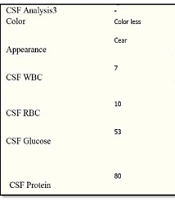
Soleiman-Meigooni S, Sakhabakhsh M, Ahmadi M. First Report of Coxiella Burnetii Meningitis in Iran. Ann Mil Health Sci Res. 2025;23(1):e159919. doi: https://doi.org/10.5812/amh-159919
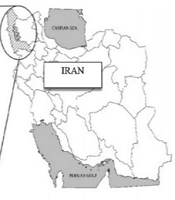
Enferadi A, Ownagh A, Mardani K. Molecular Detection of Coxiella burnetii by Nested PCR Method in Cattle and Buffalo Raw Milk, Urmia Region, Iran. Jentashapir J Cell Mol Biol. 2023;14(4):e136221. doi: https://doi.org/10.5812/jjcmb-136221
Hussien MO, Enan KA, Hassan Alfaki S, Alhibir Gafar R, Mohamed Taha K, et al. Seroprevalence of Coxiella burnetii in Dairy Cattle and Camel in Sudan. Int J Infect. 2017;4(3):e42945. doi: https://doi.org/10.5812/iji.42945
Khadem-Rezaiyan M, Azari Garmjan GA, Jarahi L, Ghazvini K, Youssefi M. Seroprevalence of Q Fever and Risk Factors Affecting Transmission of Coxiella burnetii in Industrial Slaughterhouse; A Survey from Northeastern Iran. Health Scope. 2023;12(1):e132858. doi: https://doi.org/10.5812/jhealthscope-132858
Last Update: 1 week ago
Last Update: 1 week ago
Last Update: 1 week ago
Last Update: 6 hours ago
Last Update: 9 hours ago
Last Update: 5 days ago