1. Context
According to DSM-V, an autism spectrum disorder (ASD) is a complex neurodevelopmental disorder diagnosed by significant deficits in social communication and social interaction, and by presence of restricted and repetitive patterns of behavior (1). Latest prevalence studies of ASD indicated that the prevalence of ASD may be around 38.9 per 10,000 of the population, which is dramatically higher than previous occurrence rates (2). Autism spectrum disorder symptoms are varied clinically and associated with other features such as anxiety, eating, sleep, and behavior problems. In addition, many other disorders have been reported in comorbidity with autism, such as motor impairment, seizure, cognitive deficits, and immune system anomalies (3). These issues are further complicated ASD. The etiology of ASD is unknown but the main body of literature reported neuropathological deficits such as the mirror neuron dysfunction, excitation and inhibition imbalance and dysfunction in synaptic plasticity (4-6). A noticeable increase in the prevalence of ASD demonstrates a pressing need for treatments. Therefore, many different types of intervention including medication, a wide range of instrument and teaching methods have been developed. One of the novel techniques that currently have been gained considerable interest in treatment of autism is transcranial magnetic stimulation (TMS). This technique previously has been used mainly as a therapeutic option in various neurological and psychiatric disorders such as aphasia, depression, and schizophrenia (7-9).
Transcranial magnetic stimulation is a noninvasive method to stimulate a restricted part of the cortex by administration of magnetic pulses to the scalp. In this way, an electrical current passes through a wire coil placed over the scalp. The flow induces a magnetic field that produces an electrical field in the brain that can causes neural depolarization. Transcranial magnetic stimulation can be applied at different intensities, and in single pulses (one stimulation at a time), paired-pulse (in pairs of stimulation at variable interval) and in repetitive TMS (rTMS), trains of regularly repeated stimulation, of low or high frequency. The effects of stimulation were excitatory or inhibitory according to stimulation frequencies and pulse of stimulation. The high-frequency rTMS (> 1 Hz) applied as an excitatory, whereas the low-frequency rTMS (< 1 Hz) is inhibitory (10). Although some studies reported side-effects in rTMS, this method was approved for treatment of depression (11) and in some countries (e.g. Canada) have clinical use for the treatment of depression (12).
Recently a number of studies investigated rTMS as a therapeutic intervention in ASD. The aim of this study was to provide an overview of the studies use TMS as a treatment tool for better understanding the potential of rTMS effects in ASD. The Web of Science, Medline, Embase, CINAHL, Wiley, Ovid and, Google Scholar databases were searched for studies investigating the effect of TMS treatment in ASD. In addition, manual searches were carried out for any additional studies and reference list of publications. The keywords for database search were “autism”, “autism spectrum disorders” combined with “transcranial magnetic stimulation”, and “repetitive transcranial magnetic stimulation”. Inclusion criteria for this study were as follows: (1) articles published in English language until Oct 2013, and (2) articles used TMS as a therapeutic intervention. Details of each study, including the number and age of participants, study design, type and duration of treatment, and outcome measurements were prepared. The review of electronic databases identified 9 studies investigated the efficacy of the rTMS on various field of ASD.
2. Evidence Acquisition
One of the recent hypotheses regarding to the underlying neurophysiologic basis of ASD is excitation/inhibition (E/I) imbalance hypothesis. This hypothesis explains that an increased ratio of excitation/inhibition in neural systems in ASD could be associated with social, sensory and cognitive dysfunction in ASD. This hypothesis is based on some of research that rTMS may be effective in ASD. In general, most of these researches conducted at University of Louisville School of Medicine and Monash University. At the first study, Sokhadze et al. (2009) evaluated the effect of low-frequency (0.5 Hz, 150 pulses) stimulation to left dorsolateral prefrontal cortex (DLPFC) on event-related potentials (ERPs) and electroencephalographic (EEG) activity. They used the stimulation in eight individuals with ASD two times per week for 3 weeks and did not have the sham control. The results of this study showed normalization in ERPs and induced gamma-frequency EEG activity at frontal and parietal sites. In addition, the parents of these patients reported that the repetitive-ritualistic behavior was reduced, but improvement in social awareness and irritability was not significant (13). This research team in the subsequent study repeated the same protocol in large sample (13 patients with ASD) that finding of the first study replicated (14).
The same group in their next study was applied low-frequency TMS (1 Hz) in the first six week to left DLPFC and then used six week to the right DLPFC in 16 individual with ASD. They reported that repetitive behaviors have been reduced and induced gamma activity normalized (15). In addition, this group evaluated error monitoring in 20 patients with ASD pre and post rTMS treatment. The stimulation design was the same as the previous study (1 Hz, six week for the left DLPFC then six week for the right DLPFC). Results showed improvement in ERP (error-related negativity, error rate, post-error reaction time) and behavioral measurements (16). This group in the latest study used low-frequency TMS (1 Hz) to the left DLPFC and the right DLPFC in 25 individuals with ASD for 12 week. The results showed improvement in visual processing, selective attention and behavior (17).
A research group at Monash University evaluated the effect of the TMS on improvement of some problems in ASD. Enticott et al. (2012) was applied 1 Hz rTMS to motor cortical regions (Left M1 and supplementary motor area (SMA)) in 11 patients with ASD. Stimulation of M1 showed improvement in a late movement-related cortical potential (MRCP) and stimulation of SMA indicated an improvement of the early MRCP but the effect on motor-evoked potentials amplitude was not significant. However, they did not report an improvement in the behavioral assessment of motor skills (18). Recently, Enticott et al. (2014) used deep repetitive TMS in a double-blind, randomized trial study in 28 high-function autism and Asperger’s disorder. Intervention includes deep rTMS (5 Hz, 10-s train duration, 20-s inter-train interval) to the bilateral dorsomedial prefrontal cortex for 2 weeks of daily weekday. They reported that social-relating symptoms and anxiety during difficult and emotional social situations from pretreatment to one month follow-up were significantly reduced (19).
Recently, Panerai et al. (2013) (20) used rTMS on four experiments in children with low-functioning autism and severe mental retardation. The aim of these studies was to develop a therapeutic intervention aimed at improving the eye-hand performances. At the first study, they applied high-frequency rTMS (HFrTMS), low- frequency rTMS (LFrTMS) and Sham in a 1-day session, with a 2-week interval between each session, both on the left and right premotor cortex (PrMCs) for 9 participants. Participants are divided into three groups and each group received one of the following intervention in different order for each session: LFrTMS, HFrTMS, and Sham. The results of this study showed that eye-hand integration increased only after HFrTMS. This group used HFrTMS for 6 subjects, LFrTMS for 6 and Sham for 5 subjects for a period of 10 days over 2 weeks in the second study. They compared improvement of eye-hand integration and fine motor between three conditions (HFrTMS, LFrTMS, Sham). These groups reported that differences in the comparison between HFrTMS with both LFrTMS and Sham were significant. Outcome measurements at pre and post treatment showed differences only for HFrTMS that was in agreement with their first study. Following these studies, the same group conducted a study to evaluate the long-lasting effects of HFrTMS on the left PrMC on eye-hand integration in 6 individuals with ASD and severe mental retardation. In this study, the eye-hand integration and fine-motor performances were compared between the experimental subjects and sham. In addition, the long-lasting effects of stimulation were examined six times after the end of the stimulation session. The results of this study showed a significant difference between experimental subjects and sham that indicated a positive effect of HFrTMS in eye-hand integration performances. The difference between post-measures of long-lasting effects also was significant. In the last study, this group used HFrTMS on the left PrMC in combination with rehabilitation treatment to improve the eye-hand integration. A total of 13 subjects with ASD and severe mental retardation were divided into three groups and each group received different interventions (only HFrTMS, only Eye-hand integration individual trainings (EHIT) and combination of HFrTMS and EHIT).The study have five phases including assessment (t0), evaluation of treatment effects (t1), first follow-up (t2), second follow-up (t3) and third follow-up (t4). This group reported that comparisons between t0 and all the other times showed a significance for all the three treatments. In addition, a statistical difference was found in the comparison between t0 and both t1 and t2 in all the groups. However, the comparison between t0 and both t3 and t4 showed a statistical difference only for the HFrTMS/EHIT and EHIT groups (20).
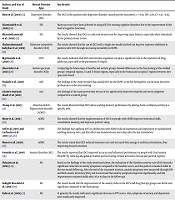
Table 1.
Review of Studies
| Study | Participants | Age, y | TMS Treatment | Site | Effects/Outcome |
|---|---|---|---|---|---|
| Sokhadze et al. (2009) | 8 | 12 - 27 | 150 pulses (fifteen 10 s trains with a 20 - 30 s interval between the trains, at 0.5 Hz and 90% RMT, left DLPFC twice per week for 3 weeks | left DLPFC | The stimulation group showed a normalization in ERPs and induced gamma-frequency EEG activity and a reduction in repetitive-ritualistic behavior |
| Sokhadze et al. (2010) | 13 | 9 - 27 | 150 pulses (fifteen 10 s trains with a 20 - 30 s interval between the trains) 0.5 Hz and 90% RMT, left DLPFC twice per week for 3 weeks | left DLPFC | The stimulation group showed normalization in ERPs and reduction in repetitive-ritualistic behavior |
| Baruth et al. (2010) | 16 | 9 - 26 | 150 pulses (fifteen 10 s trains with a 20 - 30 s interval between the trains) 1 Hz and 90% RMT , left DLPFC once per week for 6 weeks the same procedure over the right DLPFC once per week for 6 weeks | left DLPFC | Improvement in discriminatory evoked gamma responses and improvements in irritability and repetitive behavior as reported by their caregivers. No differences were seen in the ‘‘waitlist’’ group. |
| Sokhadze et al. (2012) | 20 | 9 - 21 | 150 pulses (fifteen 10 s trains with a 20 - 30 s interval between the trains) at 1 Hz and 90% RMT over left DLPFC once per week for 6 weeks then the same procedure over the right DLPFC once per week for 6 weeks. | Left DLPFC | Compared to participant’s pretest measurements, the posttest measurements showed improvements in both ERP indices and behavioral measures of error monitoring. No difference was seen in the ‘‘waitlist’’ group. |
| Casanova et al. (2012) | 25 | 9 - 19 | 150 pulses (fifteen 10 s trains with a 20 - 30 s interval between the trains) at 1 Hz and 90% RMT over left DLPFC once per week for 6 weeks then the same procedure over the right DLPFC once per week for 6 weeks. | Left DLPFC | Compared to participant’s pretest measurements, posttest measurements showed improvements in ERP indices of visual processing, accuracy on a selective attention task, and behavioral measures of repetitive behavior and irritability. No differences were seen in the ‘‘waitlist’’ group. |
| Enticott et al. (2012) | 11 | 14 - 26 | 900 pulses at 1 Hz and 100% RMT over left M1, SMA and sham stimulation over M1. A single session at each location separated by 1 week | RMT over left M1, SMA | Compared to the sham condition, stimulation of left M1 resulted in an improvement to the late component of movement-related cortical potentials, while stimulation of SMA resulted in improvement of the early component. |
| Enticott et al. (2014) | 28 | ||||
| Panerai et al. (2013) | 13 | Mean = 170.6 months | HFrTMS on the left PrMC in combination with rehabilitation treatment | left PrMC | Better outcomes in the treatment combining high-frequency repetitive transcranial magnetic stimulation and eye-hand integration training. |
Abbreviations: EEG, electroencephalographic; ERP, event-related potential.
3. Results
Although several studies investigated the effects of TMS in various neurological and psychiatric disorders, especially in depression, a few studies have used TMS as a therapeutic technique in ASD. In addition, despite the complexity and extent of the problems in children with autism, protocols used in these studies were limited and do not have diversity. In the current article, we reviewed the studies that used TMS as a therapeutic way in ASD. Overall, in these researches, 166 patients with ASD were studied to evaluate the effect of TMS that most of them were older children and adults. The findings of these limited researches suggest that TMS could have positive effects on different symptoms in ASD. Most of these studies reported positive effects on electrophysiological findings such as ERP and EEG activity. In behavioral measures, repetitive behavior, and hyperactivity were significantly improved.
There are several limitations in these studies and thus further research should be taken into consideration. First, it seems that objective improvement of symptoms is unclear and also the effects of this technique have not been investigated at lower age groups. Second, no protocol is specified to target specific symptoms in this group of patients. In addition, it has not yet been demonstrated whether improvement is attainable outside the investigational settings. Another limitation of these studies is that most of them have measured the effects of treatment shortly after treatment and there is no information on the long-term effects.
4. Conclusions
In summary, evidence showed that TMS has been successful in improvement of symptoms in individuals with ASD and it seems that in later years can be considered as an effective method in treatment of ASD. In addition, according to the results of the several studies on the effect of this technique on language skills in patients with language impairment, the effect of this technique can also be evaluated on communication, language and cognition skills in ASD. However, a study combined this technique with rehabilitation method; also, this method can be combined with other available intervention to measure the efficacy.