Fulltext
Full text is available in PDF
Official Journal of Research Center for Gastroenterology and Liver Diseases
Authors
Background: Hepatitis B vaccination, recommended for medical staff, has a non-response rate of 5% to 32%. In Poland, there is no standardized postvaccination protocol to verify immunity.
Objectives: To determine the fraction of those who have been vaccinated against HBV (with a complete course followed/not followed by a booster) but not checked for serological evidence of hepatitis B immunity and to detect anti-HBs levels in this group by anonymous cross-sectional sero-survey.
Patients and Methods: Surgical/gynecological staff from 16 randomly selected hospitals in West Pomerania, Poland, were surveyed between July 2010-January 2011. EIA system version 3.0 was used to detect anti-HBs.
Results: Of 488 participants (439 females, median age 42 years) who were previously vaccinated (1-21 years ago), anti-HBs status was not determined after HBV vaccination in 361 individuals (74.0%; 95% CI: 69.9-77.7%), 5% (18/361) of whom had an anti-HBs titer of 0.0 mIU/ml (12/18 who were given booster doses developed anti-HBs > 10 mIU/ml) and 7.2% (26/361) of whom had an anti-HBs titer of 0.1-10 mIU/ml. The multivariate logistic regression model revealed that working in a teaching hospital was associated with lower odds of not being checked for anti-HBs after HBV vaccination (OR 0.22, 95% CI: 0.14-0.35; P = 0.0001).
Conclusions: The lack of a strict post-HBV vaccination policy to confirm immunity results in the majority of surgical/gynecological staff not checking their anti-HBs levels after HBV immunization. It is unknown whether the absence of current serological evidence of hepatitis B immunity can be attributed to non-response, the waning of vaccine-induced immunity, or preserved anamnestic response. The lack of a booster vaccination response in a fraction of subjects suggests that they are non-responders. Strict post-vaccination testing to document immunity remains the key practice to detect non-responders among medical staff.
Copyright © 2012 Kowsar Corp. All rights reserved.
© 2012, Author(s). This open-access article is available under the Creative Commons Attribution 4.0 (CC BY 4.0) International License (https://creativecommons.org/licenses/by/4.0/), which allows for unrestricted use, distribution, and reproduction in any medium, provided that the original work is properly cited.
Ganczak M. A Cross-Sectional Study on Anti Hepatitis B Immune Status in Vaccinated Healthcare Workers in the West Pomeranian Region of Poland. Hepat Mon. 2012;12(3):. doi: https://doi.org/10.5812/hepatmon.850
Nashibi R, Alavi SM, Yousefi F, Salmanzadeh S, Moogahi S, et al. Post-vaccination Immunity Against Hepatitis B Virus and Predictors for Non-responders Among Medical Staff. Jundishapur J Microbiol. 2015;8(3):e19579. doi: https://doi.org/10.5812/jjm.19579
Mohsenzade M, Pirouzi A, Jafari M, Azadi M, Raeiszadeh-Jahromi S, et al. Study on the Serum Titer of Anti-HBs Antibody of the Vaccinated Staffs of a Hospital in Three Consecutive Years. Zahedan J Res Med Sci. 2013;15(12):e4339. doi:
Aminian O, Moaven Saidi M, Sadeghniiat Haghighi K, Izadi N. Coverage and Long-Term Immunogenicity of Hepatitis B Vaccine in Healthcare Workers. Arch Clin Infect Dis. 2016;11(4):e35758. doi: https://doi.org/10.5812/archcid.35758
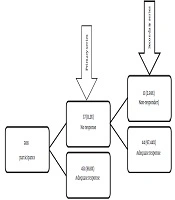
Izadi N, Aminian O, Eftekhari S, Piruznia R. Do Occupational Factors Affect the Immune Response to Hepatitis B Vaccination in Healthcare Workers?. Arch Clin Infect Dis. 2020;15(1):e96758. doi: https://doi.org/10.5812/archcid.96758
Last Update: 2 weeks ago
Last Update: 2 weeks ago
Last Update: 2 weeks ago
Last Update: 2 hours ago
Last Update: 7 hours ago
Last Update: 5 days ago