Full Text
Full text is available in PDF
International Journal of Endocrinology and Metabolism
Research Institute for Endocrine Sciences
Authors
Amiodarone, an effective iodine-rich antiarrhythmic drug, frequently causes either changes in thyroid function tests
or clinical thyroid dysfunction. Both amiodarone-induced thyrotoxicosis (AIT) and amiodarone-induced hypothyroidism (AIH) have an overall incidence of approximately 1418%, and AIT being most common in iodine-deficient areas, AIH in iodine-sufficient areas. Both dysfunctions may develop either in apparently normal thyroid glands or in glands with preexisting abnormalities (either nodular goiter or thyroid autoimmune disease). The most important pathogenic mechanisms of AIT include excess iodine-induced thyroid hormone synthesis (type I AIT) and amiodarone (or iodine)related destructive thyroiditis (type II AIT), but mixed forms involving both pathogenic mechanisms are likely more frequent than previously believed. AIT is a therapeutic challenge, because rapid restoration of euthyroidism is warranted in patients with underlying cardiac disorders. Treatment of choice for type I AIT is represented by the concomitant administration of thionamides and potassium perchlorate, whereas steroids are the most useful tool for type II AIT. Mixed (or, better, undefined) forms of AIT should be treated with a combination of thionamides, potassium perchlorate and glucocorticoids. Radioiodine therapy is usually not feasible owing to low thyroidal radioiodine uptake due to iodine load, while thyroidectomy can be performed in cases resistant to medical therapy or in those patients requiring a rapid control of thyrotoxicosis after a short course with iopanoic acid to restore normal serum T3 levels. Thyroid ablation is usually required in type I and undefined AIT, also because this allows safe reinstitution of amiodarone treatment, if needed; follow-up without treatment is sufficient in most patients with type II AIT, who usually remain euthyroid or may develop hypothyroidism after reexposure to iodine load.
© 2006, Author(s). This open-access article is available under the Creative Commons Attribution 4.0 (CC BY 4.0) International License (https://creativecommons.org/licenses/by/4.0/), which allows for unrestricted use, distribution, and reproduction in any medium, provided that the original work is properly cited.
Bahrami A. Thionamide Associated Agranulocytosis: Low Incidence with Low Doses of Methimazole. Int J Endocrinol Metab. 2006;4(4):. doi:
Laplano NER, Mercado-Asis LB. Recombinant TSH and Lithium Overcomes Amiodarone-Induced Low Radioiodine Uptake in a Thyrotoxic Female. Int J Endocrinol Metab. 2012;10(4):. doi: https://doi.org/10.5812/ijem.5406
Aulet RM, Wein RO, Siegel RD. Surgical Management of an Atypical Presentation of a Thyroid Storm. Int J Endocrinol Metab. 2014;12(2):e13539. doi: https://doi.org/10.5812/ijem.13539
Abdi H, Amouzegar A, Azizi F. Antithyroid Drugs. Iran J Pharm Res. 2019;18(Suppl1):e124684. doi: https://doi.org/10.22037/ijpr.2020.112892.14005
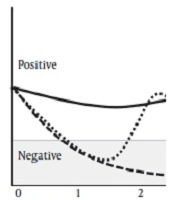
Villagelin D, Santos RB, Romaldini JH. Remission Rate of Graves' Disease and the Trend of Changes in Serum TSH Receptor Antibodies in Prolonged Antithyroid Drug Treatment. Int J Endocrinol Metab. 2020;18(Suppl):e101473. doi: https://doi.org/10.5812/ijem.101473
Last Update: 3 weeks ago
Last Update: 3 weeks ago
Last Update: 3 weeks ago
Last Update: 9 hours ago
Last Update: 11 hours ago
Last Update: 4 days ago
