1. Background
Fiberoptic bronchoscopy, currently the most commonly used invasive examination method in clinical practice, is favored for its speed and intuitive nature, leading to its widespread application. However, when applied to children, the procedure is often complicated by severe bucking and bronchospasms due to their wakefulness during the examination. Children are prone to anxiety, fear, and poor compliance in this situation (1). The concept of painless procedures, including painless fiberoptic bronchoscopy, has gained significant attention. Implementing comfortable and painless techniques during fiberoptic bronchoscopy for children can mitigate hemodynamic fluctuations, reduce physiological responses to airway examination, alleviate fear and anxiety, enhance children's tolerance and comfort, and improve the success rate of the examination (2).
Sevoflurane inhalation anesthesia has been used for fiberoptic bronchoscopy in children because it induces rapid anesthesia without significantly affecting voluntary breathing. However, it has been reported that sevoflurane can easily lead to pediatric anesthesia emergence delirium (PAED), which is not conducive to children's postoperative recovery and may cause concern for parents (3). Esketamine, a novel intravenous anesthetic drug, is the dextro-isomer of ketamine. It shares similar pharmacological effects with ketamine but exhibits a higher binding affinity to N-methyl-D-aspartate (NMDA) receptors, resulting in stronger sedative and analgesic effects (4). As the side effects of ketamine are dose-dependent, using esketamine at a lower dose can reduce the incidence of adverse reactions after anesthesia, making it more suitable for clinical practice (5).
Invasive examinations induce stress responses in children, and negative postoperative behavioral changes (NPOBCs) frequently occur, which can negatively impact cognitive function, emotional development, and subsequent treatment (6, 7). Thus, actively identifying safe and effective analgesic and sedative methods is crucial to reducing the risk of NPOBCs in children undergoing fiberoptic bronchoscopy.
2. Objectives
This study aimed to investigate the impact of esketamine administration during fiberoptic bronchoscopy on NPOBCs in children. The goal was to identify a safe and effective method for reducing the incidence of NPOBCs in children and provide a clinical reference for anesthesia during fiberoptic bronchoscopy in this patient population.
3. Methods
3.1. Subjects
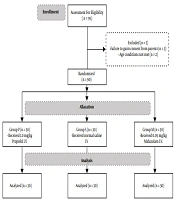
This was a single-center, double-blind, randomized controlled trial approved by Xuzhou Children's Hospital's Ethics Committee. Informed consent was obtained from the guardians of all participating children. Ninety children (44 boys and 46 girls) undergoing elective fiberoptic bronchoscopy between January and October 2022 were enrolled. They were evenly assigned to the control group (group C), treatment group 1 (group D1), and treatment group 2 (group D2) using the random number table method. Each subject was assigned a random number in the order of enrollment. After the random envelope was removed, the subjects were assigned according to each random number and treated correspondingly.
The children included in the study were aged between 3 and 7 years old, with a mean age of 5.12 ± 1.80 years. There were no statistically significant differences in clinical data between the 3 groups (P > 0.05). Inclusion criteria were (1) children aged 3 - 7 years old with ASA I-II; (2) children meeting the indications for fiberoptic bronchoscopy; and (3) children with normal development and no mental abnormalities.
Exclusion criteria were (1) children with allergies to anesthetic drugs; (2) children with a history of hemorrhage, coagulation abnormalities, or pulmonary hypertension; (3) children with neurological lesions; (4) children with weakness, malnutrition; or hyperthermia, (5) children who had undergone fiberoptic bronchoscopy multiple times before the current examination; or (6) children with refractory bronchopneumonia.
3.2. Anesthetic Methods
The children were instructed to abstain from food for 6 hours and from drinking water for 2 hours prior to the fiberoptic bronchoscopy procedure. They were accompanied by family members when entering the examination room. Venous access was established before entering the examination room, and routine monitoring of vital signs was initiated upon entry. Local anesthesia was administered by spraying 3 mL of 2% lidocaine on the surface of the oral cavity and throat using a laryngeal anesthesia tube.
For group C, 5 mL of normal saline was intravenously injected. For groups D1 and D2, 0.5 and 0.75 mg/kg of esketamine diluted to 5 mL were intravenously injected, respectively. Subsequently, all 3 groups underwent mask inhalation of sevoflurane, with the sevoflurane vaporizer adjusted to 4% and the oxygen flow rate adjusted to 6 L/min.
Fiberoptic bronchoscopy was performed once the children exhibited no eyelash reflex and did not respond to lower jaw stimulation. In instances of severe bucking, coughing, or body movements that interfered with the procedure, mask inhalation of sevoflurane was resumed until the end-tidal concentration reached 1 MAC. If SpO2 fell below 85%, the examination was suspended and resumed after arterial blood oxygen saturation improved following pressurized oxygen administration through the mask to assist ventilation.
All children were examined by the same skilled respiratory physician. The administration of anesthetic medication during fiberoptic bronchoscopy was performed by the same anesthetist. However, the assessment of the administration was performed by another anesthetist who was unaware of the study to avoid bias in results.
3.3. Observation of Indicators
The primary observation indicator was the incidence rate of NPOBCs in children. The secondary observation indicators included routine vital signs, face, legs, activity, cry, and consolability (FLACC) pain scale scores, modified Yale Preoperative Anxiety Scale (mYPAS) scores, State Anxiety Inventory (SAI) scores, incidence rates of PAED, time to fiberoptic bronchoscopy, time to awakening, satisfaction degree, and incidence rates of adverse reactions.
3.4. Evaluation of Incidence Rate of Negative Postoperative Behavioral Changes
At 1, 7, 14, and 30 days after fiberoptic bronchoscopy, we used the Post Hospitalization Behavior Questionnaire (PHBQ) to assess the incidence rate of NPOBCs. Post Hospitalization Behavior Questionnaire was designed by Vernon in 1966 and composed of 27 items divided into 6 subscales, including general anxiety and regression, separation anxiety, eating disturbance, aggression toward authority, apathy/withdrawal, and anxiety about sleep. Each item was scored as follows: 0 for no difference from NPOBCs before the examination, -1 for a decrease in NPOBCs compared to those before the examination, -2 for a significant decrease in NPOBCs compared to those before the examination, 1 for an increase in NPOBCs compared to those before the examination, and 2 for a significant increase in NPOBCs compared to those before the examination. A total score > 0 indicated the occurrence of NPOBCs.
3.5. Monitoring of Routine Vital Signs
The routine vital signs of the children were monitored, including the heart rate (HR) and mean arterial pressure (MAP) measurements taken at various time points: Before fiberoptic bronchoscopy (T0), immediately after the examination began (T1), 1 min after the examination began (T2), 5 min after the examination began (T3), and immediately after the examination ended (T4).
3.6. Evaluation for Postoperative Pain Using the Face, Legs, Activity, Cry, and Consolability Scale Score
The FLACC scale assessed leg movement, facial expression, cry, bodily activity, and consolability. Parents rated their children's pain for each category on a scale ranging from 0 to 2. The total score was 10 points, with a higher score indicating more severe pain.
3.7. Evaluation Criteria for Modified Yale Preoperative Anxiety Scale Score
Children's anxiety levels before entering the examination room were assessed using the mYPAS score. This evaluation consisted of 22 items, covering aspects such as dependence on parents, emotions, language, and more, with a scoring range of 23 - 100 points. The score was positively correlated with the anxiety level of children.
3.8. Evaluation Criteria for Parental Anxiety Score
Parental anxiety in the waiting area of the examination was assessed using the SAI score, with a total of 20 items scored, 10 each in the positive and negative directions. The score was positively correlated with the level of parental anxiety.
3.9. Evaluation Criteria for Pediatric Anesthesia Emergence Delirium Score
The assessment of PAED in children after awakening was conducted using the PAED scale. This scale included 5 items: Eye contact with the nurse, awareness of surroundings, purposeful activity, difficulty in comforting, and emotional disturbance, with a total score ranging from 0 to 20 points. A higher score indicated a greater risk of PAED, and a score of ≥ 12 points suggested the presence of PAED.
3.10. Satisfaction Degree
The satisfaction degree was categorized as follows: Satisfied, basically satisfied, and unsatisfied.
- Satisfied: No or mild bucking during the examination and no requirement for additional medication.
- Basically satisfied: With obvious paroxysmal cough during the examination, without apparent cyanosis or breath-holding, and requiring additional medication less than twice.
- Unsatisfied: Severe bucking during the examination, cyanosis, and breath-holding affecting the operator, and requiring additional medication more than twice.
3.11. Observation of Adverse Reactions
The incidence rates of adverse reactions, such as bucking, coughing, nausea, vomiting, and a decrease in SpO2, were recorded and compared between the 3 groups.
3.12. Statistical Analysis
All data were statistically analyzed using SPSS version 20 (SPSS Inc, Chicago, IL, USA). Normally distributed measurement data were expressed as mean ± SD (
4. Results
4.1. Routine Vital Signs
Groups C, D1, and D2 exhibited similar vital signs, including HR and MAP, at each tested time point (P > 0.05; Table 1).
| Groups | N | T0 | T1 | T2 | T3 | T4 |
|---|---|---|---|---|---|---|
| HR (beat/min) | ||||||
| C | 30 | 101.76 ± 7.32 | 100.43 ± 9.23 | 99.01 ± 5.46 | 98.90 ± 6.12 | 101.32 ± 6.56 |
| D1 | 30 | 100.68 ± 8.45 | 101.11 ± 8.25 | 98.89 ± 4.67 | 98.78 ± 5.47 | 100.89 ± 6.89 |
| D2 | 30 | 101.23 ± 8.35 | 100.25 ± 8.89 | 98.12 ± 5.36 | 99.00 ± 6.95 | 100.65 ± 7.68 |
| tgroup C vs group D1/P | 0.529/0.599 | 0.301/0.765 | 0.091/0.927 | 0.080/0.936 | 0.194/0.847 | |
| tgroup C vs group D2/P | 0.261/0.795 | 0.077/0.039 | 0.637/0.527 | 0.059/0.953 | 0.363/0.718 | |
| tgroup D1 vs group D2/P | 0.254/0.801 | 0.388/0.699 | 0.593/0.555 | 0.136/0.892 | 0.174/0.862 | |
| MAP (mmHg) | ||||||
| C | 30 | 73.42 ± 4.35 | 74.34 ± 5.12 | 75.67 ± 5.34 | 74.34 ± 5.47 | 75.22 ± 4.56 |
| D1 | 30 | 74.00 ± 4.26 | 74.12 ± 4.67 | 75.98 ± 5.09 | 75.11 ± 6.12 | 75.67 ± 5.46 |
| D2 | 30 | 73.68 ± 4.36 | 75.00 ± 5.23 | 76.11 ± 5.45 | 74.89 ± 5.68 | 74.34 ± 6.47 |
| tgroup C vs group D1/P | 0.522/0.604 | 0.174/0.863 | 0.230/0.819 | 0.514/0.609 | 0.347/0.730 | |
| tgroup C vs group D2/P | 0.231/0.818 | 0.494/0.623 | 0.805/0.424 | 0.382/0.704 | 0.609/0.545 | |
| tgroup D1 vs group D2/P | 0.288/0.775 | 0.687/0.495 | 0.095/0.924 | 0.144/0.886 | 0.861/0.393 | |
Abbreviation: MAP, mean arterial pressure;
a Values are presented as mean ± SD.
b T0: Before fiberoptic bronchoscopy; T1: Immediately after the examination began; T2: 1 min after the examination began; T3: 5 min after the examination began; T4: immediately after the examination ended.
4.2. Incidence Rates of Negative Postoperative Behavioral Changes
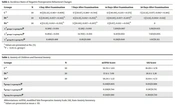
The incidence rate of NPOBCs was lower in groups D1 and D2 than in group C at 1, 7, 14, and 30 days after the examination (P < 0.05). Moreover, the rate in group D2 was lower than that in group D1, although the difference was not significant (P > 0.05; Table 2).
Table 2.
Incidence Rates of Negative Postoperative Behavioral Changes a
| Groups | N | 1 Day After Examination | 7 Days After Examination | 14 Days After Examination | 30 Days After Examination |
|---|---|---|---|---|---|
| C | 30 | 19 [(63.33), 0.461~0.806] | 17 [(56.67), 0.389~0.744] | 12 [(40.00), 0.225~0.575] | 7 [(23.33), 0.077, 0.082~0.385] |
| D1 | 30 | 6 [(20.00), 0.057~0.343] b | 4 [(13.33), 0.012~0.255] b | 3 [(10.00), 0.017~0.207] b | 1 [(3.33), 0.004~0.112] |
| D2 | 30 | 4 [(13.33), 0.012~0.255] b | 3 ([10.00), 0.017~0.207] b | 2 [(6.67), 0.013 ~0.156] b | 0 |
| χ2group C vs group D1/P | 11.589/< 0.001 | 12.381/< 0.001 | 7.200/0.007 | 5.192/0.023 | |
| χ2group C vs group D2/P | 15.864/< 0.001 | 14.700/< 0.001 | 9.317/0.002 | 7.925/0.005 | |
| χ2group D1 vs group D2/P | 0.480/0.488 | 0.162/0.688 | 0.218/0.640 | 1.017/0.313 |
a Values are presented as No. (%).
bP < 0.05 vs. group C
4.3. Anxiety Levels of Children and Parental Anxiety
The anxiety scores of children and parental anxiety showed no significant differences between the 3 groups before entering the examination room (P > 0.05; Table 3).
Table 3.
Anxiety of Children and Parental Anxiety a
| Groups | N | mYPAS Score | SAI Score |
|---|---|---|---|
| C | 30 | 56.70 ± 5.63 | 36.09 ± 4.78 |
| D1 | 30 | 57.11 ± 7.09 | 36.11 ± 5.36 |
| D2 | 30 | 56.24 ± 5.22 | 35.64 ± 4.72 |
| tgroup C vs group D1/P | 0.248/0.805 | 0.015/0.988 | |
| tgroup C vs group D2/P | 0.328/0.744 | 0.367/0.715 | |
| tgroup D1 vs group D2/P | 0.541/0.590 | 0.360/0.720 |
Abbreviations: mYPAS, modified Yale Preoperative Anxiety Scale; SAI, State Anxiety Inventory.
a Values are presented as mean ± SD.
4.4. Pediatric Anesthesia Emergence Delirium Scores
Pediatric anesthesia emergence delirium scores were lower in groups D1 and D2 compared to group C, with group D2 having lower scores than group D1 (P < 0.05; Table 4).
Table 4.
Pediatric Anesthesia Emergence Delirium Scores a
| Groups | N | PAED Score (Point) |
|---|---|---|
| C | 30 | 10.23 ± 2.09 |
| D1 | 30 | 6.25 ± 0.96 b |
| D2 | 30 | 4.53 ± 0.87 b,c |
| t/χ2group C vs group D1/P | 9.478/< 0.001 | |
| t/χ2group C vs group D2/P | 13.790/< 0.001 | |
| t/χ2group D1 vs group D2/P | 7.272/< 0.001 |
Abbreviation: PAED, pediatric anesthesia emergence delirium.
a Values are presented as mean ± SD.
b P < 0.05 vs group C.
c P < 0.05 vs group D1.
4.5. Time to Fiberoptic Bronchoscopy and Awakening
The time to fiberoptic bronchoscopy did not significantly differ between the 3 groups (P > 0.05). However, groups D1 and D2 had a longer time to awaken than group C (P < 0.05), and the time in group D2 was longer than that in group D1, although the difference was not significant (P > 0.05; Table 5).
Table 5.
Time to Fiberoptic Bronchoscopy and Time to Awakening a
| Groups | N | Time to Fiberoptic Bronchoscopy | Time to Awakening |
|---|---|---|---|
| C | 30 | 15.12 ± 1.24 | 17.24 ± 2.27 |
| D1 | 30 | 14.78 ± 1.30 | 21.08 ± 3.42 |
| D2 | 30 | 15.24 ± 1.09 | 23.87 ± 3.97 |
| tgroup C vs group D1/P | 1.037/0.304 | 5.124/< 0.001 | |
| tgroup C vs group D2/P | 0.398/0.692 | 7.941/< 0.001 | |
| tgroup D1 vs group D2/P | 1.485/0.143 | 2.916/0.005 |
a Values are presented as mean ± SD.
4.6. The Face, Legs, Activity, Cry, and Consolability Scores
The FLACC scores of groups D1 and D2 were significantly lower than those of group C, with group D2 having a lower score than group D1 (P < 0.05; Table 6).
Table 6.
The Face, Legs, Activity, Cry, and Consolability Scores a
| Groups | N | FLACC Score |
|---|---|---|
| C | 30 | 6.64 ± 0.87 |
| D1 | 30 | 4.42 ± 0.43 b |
| D2 | 30 | 3.25 ± 0.39 b, c |
| tgroup C vs group D1/P | 12.530/< 0.001 | |
| tgroup C vs group D2/P | 19.480/< 0.001 | |
| tgroup D1 vs group D2/P | 11.040/< 0.001 |
Abbreviation: FLACC, The face, legs, activity, cry, and consolability.
a Values are presented as mean ± SD.
bP < 0.05 vs group C.
c P < 0.05 vs group D1.
4.7. Satisfaction Levels
Groups D1 and D2 had higher satisfaction levels than group C, but the former 2 groups had similar satisfaction levels, with no significant difference (P > 0.05; Table 7).
Table 7.
Satisfaction Degree a
| Groups | N | Satisfied | Basically Satisfied | Unsatisfied | Total Satisfaction |
|---|---|---|---|---|---|
| C | 30 | 13 (43.33) | 2 (6.67) | 15 (50.00) | 15 (50.00) |
| D1 | 30 | 20 (66.67) | 3 (10.00) | 7 (23.33) | 23 (76.67) b |
| D2 | 30 | 21 (70.00) | 3 (10.00) | 6 (20.00) | 24 (80.00) b |
| χ2group C vs group D1/P | 4.593/0.032 | ||||
| χ2group C vs group D2/P | 5.934/0.015 | ||||
| χ2group D1 vs group D2/P | 0.098/0.754 |
aValues are presented as No. (%).
b P < 0.05 vs group C.
4.8. Incidence Rates of Adverse Reactions
Groups D1 and D2 had lower incidence rates of adverse reactions than group C, and the rate in group D2 was lower than that in group D1 (P < 0.05; Table 8).
Table 8.
Incidence Rates of Adverse Reactions a
| Groups | N | Bucking | Coughing | Nausea | Vomiting | Decrease in SpO2 | Total Incidence Rate |
|---|---|---|---|---|---|---|---|
| C | 30 | 4 (13.33) | 3 (10.00) | 2 (6.67) | 4 (13.33) | 2 (6.67) | 15 (50.00) |
| D1 | 30 | 2 (6.67) | 1 (3.33) | 1 (3.33) | 2 (6.67) | 1 (3.33) | 7 (23.33) |
| D2 | 30 | 0 | 1 (3.33) | 0 | 0 | 0 | 1 (3.33) |
| χ2group C vs group D1/P | 4.593/0.032 | ||||||
| χ2group C vs group D2/P | 16.705/< 0.001 | ||||||
| χ2group D1 vs group D2/P | 5.192/0.023 |
aValues are presented as No. (%).
5. Discussion
Fiberoptic bronchoscopy is a quick and intuitive method to observe lesions in children. However, it is associated with significant pain, pronounced body movements, and extreme resistance during the examination, which can hinder its success (8). During fiberoptic bronchoscopy in children, local anesthesia is typically used. However, since children remain awake during the procedure, they are prone to fear, anxiety, and a feeling of suffocation. This often leads to poor cooperation, making it difficult to carry out the examination successfully. Severe bucking, laryngospasm, bronchospasm, and even cardiovascular incidents can occur as a result. Therefore, it is crucial to identify safe and effective methods for providing analgesia and sedation (9).
Currently, major sedative and analgesic drugs used in children include dexmedetomidine, propofol, midazolam, and sevoflurane. While these drugs are effective, they have certain limitations in clinical practice. Dexmedetomidine produces sedation comparable to natural sleep, making patients easily wake up. However, its use increases the risk of adverse events, such as bidirectional fluctuations in blood pressure and bradycardia (10). Propofol is highly effective for sedation but less effective for analgesia, and its use may not meet the clinical analgesic requirements. It also has a strong inhibitory effect on respiration and can lead to hypoxemia (11). Midazolam can cause a mild reduction in blood pressure and has a mild negative inotropic effect, which may be significant in children with underlying cardiac insufficiency, making it a choice for clinical practice (12). Sevoflurane has become a commonly used anesthetic drug in fiberoptic bronchoscopy due to its advantages of rapid induction, minimal impact on voluntary breathing in children, easy control of anesthesia depth, and quick awakening. However, it is associated with a high incidence rate of PAED (13, 14).
Esketamine, a novel analgesic and sedative drug with effects similar to ketamine, is the S-enantiomer of ketamine. It is characterized by slight respiratory depression, precise analgesic effects, and rapid action. Esketamine can lower the risk of respiratory depression while ensuring sedative and analgesic effects (15, 16). Compared to ketamine at the same dose, esketamine is twice as effective and has a higher clearance rate in vivo (17). Studies have also shown that low-dose esketamine can reduce the incidence of emergency agitation in children after tonsillectomy without delaying extubation time or increasing postoperative adverse events (18).
Despite its strong sedative and analgesic effects, high-dose esketamine is more likely to cause abnormal increases in respiratory secretions (18). In this study, children who received sevoflurane inhalation combined with esketamine had a significantly lower incidence of PAED compared to those who received sevoflurane inhalation alone. Furthermore, children who received 0.75 mg/kg of esketamine had a lower PAED score compared to those who received 0.5 mg/kg, indicating that a higher dose was more effective. There were no significant differences in adverse reactions between the 2 groups, suggesting that 0.75 mg/kg esketamine was suitable for fiberoptic bronchoscopy. However, since similar results have not been previously reported, further validation of these findings is needed.
Negative postoperative behavioral changes are common in children after anesthesia (19). Children are particularly susceptible to these changes due to their physical and psychological aplasia and low tolerance to the effects of anesthesia. Symptoms of NPOBCs often include eating disorders, significant mood swings, and increased dependence on parents after surgery. Epidemiological studies (20-22) have shown that NPOBCs occur in 38.8% - 82.0% of children undergoing surgery, with the highest risk seen in preschool-aged children. The occurrence of NPOBCs in children after anesthesia is associated with PAED (23-25). While most children experience short-term NPOBCs, some may suffer from these changes for up to 6 months after surgery, which can significantly impact their cognitive and emotional development.
In this study, the incidence of NPOBCs in children treated with esketamine was lower than in those treated with sevoflurane inhalation alone. Esketamine, as an NMDA receptor antagonist, may exert analgesic effects after use, reduce glutamate excitotoxicity and microglial activity, and inhibit the production of inflammatory cytokines and neuronal apoptosis to exert neuroprotective effects (26), thereby decreasing the incidence rate of NPOBCs. Nonetheless, the children receiving 0.5 and 0.75 mg/kg esketamine had similar incidence rates of NPOBCs, suggesting that both doses had neuroprotective effects.
Furthermore, the time to fiberoptic bronchoscopy did not show a significant difference between the various groups. However, the combination of esketamine prolonged the time to awakening compared to sevoflurane inhalation alone, likely due to the strong sedative effects of both drugs. It is important to note that this prolonged awakening time did not have a higher risk of NPOBCs, and it did not affect the discharge of children.
5.1. Conclusions
When compared to a dose of 0.5 mg/kg, esketamine at a dose of 0.75 mg/kg resulted in lower incidence rates of agitation during anesthesia recovery, postoperative adverse reactions, and NPOBCs in children undergoing fiberoptic bronchoscopy. Therefore, esketamine at 0.75 mg/kg may yield better clinical outcomes. However, this study has its limitations. It is a single-center study with a relatively short duration, resulting in a relatively small sample size. Our research group is currently conducting further multicenter studies with larger sample sizes to validate these findings.