Fulltext
The full text of this article is available on PDF.
Journal of Kermanshah University of Medical Sciences
Peer-reviewed Medical Quarterly
Image Credit:J Kermanshah Univ Med Sci
Authors
Introduction: Organisms are exposed to oxygen deprivation (Hypoxia) in various physiological and pathological conditions. There are different conserve evolutionary responses to counterview with this stress that primary transcriptional response to stress related to hypoxia is interceded by hypoxia-inducible factor (HIF-1) in mammals. This factor can regulate different genes that have essential roles in adaptation to this condition. In this review, the role of this factor in physiological and pathological conditions under hypoxic condition has been evaluated after examining structural features and regulation characteristics of HIF-1.
Methods: First, articles related to the keywords of hypoxia and HIF-1 (from 1991-2016) were searched from valid databases such as Springer Link, Google Scholar, PubMed and Science direct. Then, the articles correlated with hypoxia, HIF-1 and their roles in physiological and pathological conditions (120 articles) were searched and just 64 articles were selected for this study.
Result: According to studies, there are different genes in cells and organs that can be regulated by HIF-1. Activation of genes expression by this protein occurs through its linkage to cis-acting of 50 base pair hypoxia response element (HRE) region located in their promotor and enhancer. Depending on circumstances, activation of these genes can be beneficial or harmful.
Conclusion: Activation of different genes in hypoxia by HIF-1 has different effects on physiological and pathological conditions. Therefore, HIF-1, as a hypoxia-inducible factor in hypoxic conditions, plays an essential role in the adaptation of cells and organs to changes related to the presence of oxygen.
© 2017, Journal of Kermanshah University of Medical Sciences. This open-access article is available under the Creative Commons Attribution-NonCommercial 4.0 (CC BY-NC 4.0) International License (https://creativecommons.org/licenses/by-nc/4.0/), which allows for the copying and redistribution of the material only for noncommercial purposes, provided that the original work is properly cited.
Tabashi S, Tajbakhsh A, Dahi Taleghani M, Dabir S, Vosoughian M, et al. Regenerative Medicine And Perioperative Hypoxic Organ Damage: Targeting Hypoxia-Inducible Factors. J Cell Mol Anesth. 2022;7(1):e151412. doi: https://doi.org/10.22037/jcma.v6i4.34958
Tabashi S, Tajbakhsh A, Dahi Taleghani M, Dabir S, Vosoughian M, et al. Regenerative Medicine And Perioperative Hypoxic Organ Damage: Targeting Hypoxia-Inducible Factors. J Cell Mol Anesth. 2021;6(4):e149735. doi: https://doi.org/10.22037/jcma.v6i4.34958
Najafipour R, Rakhshani N, VAKIL L, Zamani F, Morakabati A, et al. The relationship between factor inhibiting HIF-1-alpha (HIF1AN) expression and vascular invasion in colon cancer. J Inflamm Dis. 2024;20(4):e155977. doi:
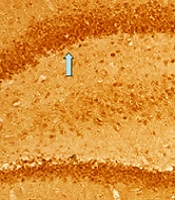
Deng Q, Chang Y, Cheng X, Li Y, Luo X, et al. Mild Hypoxia Postconditioning Induces Hypoxia-Inducible Factor 1 Alpha Expression and Improves the Neurobehavioral Abilities of Rats with Hypoxic-Ischemic Brain Damage. Inn J Pediatr. 2023;33(4):e135268. doi: https://doi.org/10.5812/ijp-135268
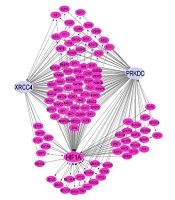
Ehteshamipour S, Mohebbi S, Rahimi E, Shabani Sadr NK, Mohamad Soltani B, et al. HIF1α Contribution to the NHEJ DNA Repair Pathway Through Decreased Expression of XRCC4. Jentashapir J Cell Mol Biol. 2024;15(1):e142410. doi: https://doi.org/10.5812/jjcmb-142410
Last Update: 1 day ago
Last Update: 1 day ago
Last Update: 1 day ago
Last Update: 8 hours ago
Last Update: 11 hours ago
Last Update: 4 days ago