Fulltext
Full-text is available in PDF format.
Journal of Nursing and Midwifery Sciences
The Official Journal of Mazandaran University of Medical Sciences
Authors
Background and Purpose: Fear of death is commonly experienced by humans and most people prefer not to think about their own mortality. Dialysis patients just as other chronic patients experience a great amount of stress. Use of coping mechanisms and promoting spirituality can help with accepting the inevitable reality and enhancing quality of life. Spiritual attitudes (spiritual intelligence and spiritual health) determine one's manner of dealing with life events, viewpoints, and perceptions of death. In this study, we sought to explore the relationship of spiritual health and intelligence with quality of life and death anxiety.
Methods: In this cross-sectional study, we studied death anxiety, spiritual intelligence, spiritual health, and quality of life in 123 Iranian hemodialysis patients at Imam Reza Hospital, Amol, Iran, during July 2015-January 2016. We also utilized Templer Death Anxiety Scale and King Spiritual Intelligence questionnaire and Paloutzian and Ellison's Spiritual Health questionnaire and McGill Quality of Life questionnaire (MG-QOL). The validity and reliability of the Persian version of the employed questionnaires were assessed by previous studies. The data was analyzed using Pearson correlation coefficient in SPSS, 19 version.
Results: Spiritual health was associated with death anxiety in hemodialysis patients. The linear regression analysis was conducted between the study variables and personal characteristics. There was a significant relationship between gender and death anxiety (P=0.03), economic status and death anxiety (P=0.02), religious beliefs and spiritual intelligence (P=0.01), level of education and quality of life (P=0.01), as well as age at diagnosis and spiritual health (P=0.01).
Conclusion: This study showed a close relationship between spiritual intelligence and death anxiety and between spiritual health and quality of life in hemodialysis patients. It seems that by enhancing spirituality, internalizing spiritual values and beliefs, and promoting health and spiritual intelligence, death anxiety can be assuaged in hemodialysis patients.
© 2017, Author(s). This open-access article is available under the Creative Commons Attribution 4.0 (CC BY 4.0) International License (https://creativecommons.org/licenses/by/4.0/), which allows for unrestricted use, distribution, and reproduction in any medium, provided that the original work is properly cited.
Ghiasi Z, Alidadi A, Payandeh A, Emami A, Lotfinia S. Health-Related Quality of Life and Death Anxiety Among Hemodialysis Patients. Zahedan J Res Med Sci. 2021;23(2):e98400. doi: https://doi.org/10.5812/zjrms.98400
Taheri-Kharameh Z, Zamanian H, Montazeri A, Asgarian A, Esbiri R. Negative Religious Coping, Positive Religious Coping, and Quality of Life Among Hemodialysis Patients. Nephro-Urol Mon. 2016;8(6):e38009. doi: https://doi.org/10.5812/numonthly.38009
Ebrahimi H, Ashrafi Z, Eslampanah G, Noruzpur F. Relationship between spiritual well-being and quality of life in hemodialysis patients. J Nurs Midwifery Sci. 2014;1(3):e141397. doi:
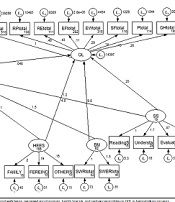
Hassani F, Zarea K, Gholamzadeh Jofreh M, Dashtebozorgi Z, Chan SW. Effect of Perceived Social Support, Spiritual Well-being, Health Literacy, and Resilience on Quality of Life in Patients Undergoing Hemodialysis: A Structural Equation Model. Jundishapur J Chronic Dis Care. 2022;11(2):e123080. doi: https://doi.org/10.5812/jjcdc.123080
Shafipour V, Alhani F, Kazemnejad A. A survey of the quality of life in patients undergoing hemodialysis and its association with depression, anxiety and stress. J Nurs Midwifery Sci. 2015;2(2):e141298. doi:
Last Update: 2 days ago
Last Update: 2 days ago
Last Update: 2 days ago
Last Update: 6 days ago
Last Update: 2 days ago
Last Update: 4 days ago