Fulltext
Full-text is available in PDF format.
Journal of Nursing and Midwifery Sciences
The Official Journal of Mazandaran University of Medical Sciences
Authors
Context: Urinary tract infection (UTI) is the most common hospital-acquired infection. Around 80% of UTIs are associated with urinary catheters.
Aims: The aim of this study was to review and to describe epidemiology and approaches for the prevention and management of catheter-associated urinary tract infection (CAUTI) in intensive care unit (ICU) patients.
Settings and Design: A narrative review of studies was undertaken.
Materials and Methods: A review of PubMed, Google Scholar, Medline, and CINAHL databases were conducted to identify peer-reviewed, English language, and studies published between 1999 and 2018. Related papers were reviewed with using standard keywords. The research was conducted on epidemiology and management of CAUTI in the ICU. Of the 186 English publications, 36 were duplicates.
Statistical Analysis Used: Quality assessments, data extractions, and analysis were completed on all included studies.
Results: The prevalence of UTI in the ICU is directly related to the widespread use of urethral catheter(32.2%). Guidelines are available that provide comprehensive recommendations for detecting and preventing healthcare-associated infections for CAUTI.
Conclusions: Further studies are needed due to the importance and high prevalence of these infections. We recommend the opportunity to increase any strategy able to reduce the incidence of infections related to urinary catheterization and its consequences in ICUs
© 2019, Author(s). This open-access article is available under the Creative Commons Attribution 4.0 (CC BY 4.0) International License (https://creativecommons.org/licenses/by/4.0/), which allows for unrestricted use, distribution, and reproduction in any medium, provided that the original work is properly cited.
Hamdy Mohamed E, El Sayed Zaki M, Abdelsalam Ramadan M, Mohsen Motawea M, F Badr D, et al. Study of Biofilm, Virulence Genes, and Risk Factors in Urinary Catheter-Associated Escherichia coli Infections. Jundishapur J Microbiol. 2024;17(4):e144426. doi: https://doi.org/10.5812/jjm-144426
Farhadi K, Rahimi M, Shahmohammadi A. The Epidemiology of Hospital-Acquired Urinary Tract Infections in Intensive Care Units in Kermanshah Hospitals (Iran). J Kermanshah Univ Med Sci. 2023;27(3):e137000. doi: https://doi.org/10.5812/jkums-137000
Dougnon TV, Bankole HS, Johnson RC, Hounmanou G, Moussa Toure I, et al. Catheter-Associated Urinary Tract Infections at a Hospital in Zinvie, Benin (West Africa). Int J Infect. 2016;3(2):e34141. doi: https://doi.org/10.17795/iji-34141
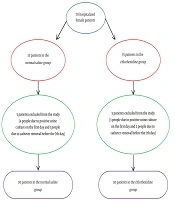
Sarani H, Pishkar Mofrad Z, Faghihi H, Ghabimi M. Comparison of the Effect of Perineal Care with Normal Saline and 2% Chlorhexidine Solution on the Rate of Catheter-Associated Urinary Tract Infection in Women Hospitalized in Intensive Care Units: A Quasi-Experimental Study. Med Surg Nurs J. 2020;9(2):e106739. doi: https://doi.org/10.5812/msnj.106739
Rajabi Z, Soltan Dallal MM. Study on Bacterial Strains Causing Blood and Urinary Tract Infections in the Neonatal Intensive Care Unit and Determination of Their Antibiotic Resistance Pattern. Jundishapur J Microbiol. 2015;8(8):e19654. doi: https://doi.org/10.5812/jjm.19654v2
Last Update: 1 month ago
Last Update: 1 month ago
Last Update: 1 month ago
Last Update: 1 hour ago
Last Update: 2 days ago
Last Update: 4 days ago
