Fulltext
Full Text Available is PDF
Image Credit:Multidiscip Cardio Annal
Authors
In 1925, Clausen identified the accumulation of lactic acid in blood as a cause of acid-base disorder. Several decades later, Huckabee's seminal work firmly established that lactic acidosis frequently accompanies severe illnesses and that tissue hypoperfusion underlies the pathogenesis. In their classic 1976 monograph, Cohen and Woods classified the causes of lactic acidosis according to the presence or absence of adequate tissue oxygenation.The normal blood lactate concentration in unstressed patients is 0.5-1 mmol/L. Patients with critical illness can be considered to have normal lactate concentrations of less than 2 mmol/L. Hyperlactatemia is defined as a mild-to-moderate persistent increase in blood lactate concentration (2-5 mmol/L) without metabolic acidosis, whereas lactic acidosis is characterized by persistently increased blood lactate levels (usually >5 mmol/L) in association with metabolic acidosis (pH < 7.35).1,2 Lactic acidosis is associated with major metabolic dysregulation, tissue hypoperfusion, effects of certain drugs or toxins, or congenital abnormalities in carbohydrate metabolism. Cohen and Woods divided lactic acidosis into 2 categories: “type A”, associated with impaired delivery of oxygen to tissues (DO2) eg, hypotension, cyanosis, cool and clammy extremities, and “type B”, where lactic acidosis occurs in the presence of normal DO2
© 2009, Multidisciplinary Cardiovascular Annals. This open-access article is available under the Creative Commons Attribution-NonCommercial 4.0 (CC BY-NC 4.0) International License (https://creativecommons.org/licenses/by-nc/4.0/), which allows for the copying and redistribution of the material only for noncommercial purposes, provided that the original work is properly cited.
Sattarahmady N, Sedigh-Ardekani M, Sahmeddini MA, Heli H. Polyamines Improve Anti-Blood Lactate Accumulation in an Acidosis Rat Model. J Rep Pharm Sci. 2016;5(1):e147661. doi:
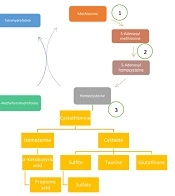
Dalili S, Talea A, Aghajany-Nasab M, Alirezapour Asl Miandoab N, Koohmanaee S, et al. Clinical Features and Laboratory Diagnosis of Aminoacidopathies: A Narrative Review. Arch Neurosci. 2023;10(3):e136721. doi: https://doi.org/10.5812/ans-136721
Caplan LA, Felberg M(A. Anesthetic considerations in medium-chain acyl-CoA dehydrogenase deficiency. J Cell Mol Anesth. 2017;2(2):e149536. doi: https://doi.org/10.22037/jcma.v2i2.15356
Bhattacharya M, Mitra M, Basu M. A Rare Case of Renal Tubular Acidosis (type 1 Distal) in Pregnancy. J Cell Mol Anesth. 2020;5(3):e150183. doi: https://doi.org/10.22037/jcma.v5i3.30405
Khodabakhshi A, Mahmoudi M, Mehrad Majd H, Davoodi SH. Possible Nutrition-Related Mechanisms of Metabolic Management in Cancer Treatment. Int J Cancer Manag. 2021;14(1):e107678. doi: https://doi.org/10.5812/ijcm.107678
Last Update: 4 days ago
Last Update: 4 days ago
Last Update: 4 days ago
Last Update: 8 hours ago
Last Update: 11 hours ago
Last Update: 4 days ago