Full Text
Full text is available in PDF
Background and Aims: Properly functioning angioaccess is essential for the provision of adequate dialysis. We present and discuss a unique vascular access experience in a Saudi Arabian Center, lasting for more than ten years.
Methods: We prospectively studied all patients with end stage kidney disease, who underwent any of three vascular access procedures (cuffed central venous catheter, arteriovenous graft, or arteriovenous fistula) from 1993 to 2004 with the objective of assessing the relative rates among these three forms of angioaccess and the survival rates of arteriovenous fistula and its relation with patients' gender, weight or nationality. The survival rate of the AVF as defined by the fistula patency rate was divided into three categories: short-term patency (early AVF failure in: less than 6 weeks), medium-term patency (6 to 52 weeks) and long-term patency (more than 52 weeks).
Results: There were 603 patients (386 males and 217 females). The mean age was 48.5 years (SD ± 18.6). 326 patients were Saudis. The cause of ESRD was diabetes mellitus in 2 75 patients, glomerulonephritides in 170 patients and hypertension in 158 patients. The mean BMI was 29 (SD ± 3.7). 580 of the patients had arteriovenous fistula (AVF), 44 had arteriovenous graft (AVG), and 35 patients received only central venous catheter. There was a high early failure rate of AVF 46.4%, particularly in females (61.5%, p =0.0001) and non Saudis (55%, p=0.0008). The long-term patency rate (> 52 weeks) was 38.8 % with no differences seen between genders or nationalities. BMI did not have an effect on AVF survival. The incidence of other complications combined was only 5.3%.
Conclusion: The vast majority of angioaccess was AVF in keeping with NKF-DOQI guidelines. There was a high early AVF failure rate in women and non-Saudis. Diabetes mellitus seems to be a strong contributing factor but not other renal disease etiologies. Further research is needed in this field in Saudi Arabia.
© 2011, Author(s). This open-access article is available under the Creative Commons Attribution 4.0 (CC BY 4.0) International License (https://creativecommons.org/licenses/by/4.0/), which allows for unrestricted use, distribution, and reproduction in any medium, provided that the original work is properly cited.
Ahmad Ganie F, Lone H, Majeed Dar A, Nabi Lone G, Wani ML. Native Arterio-Venous Fistula Is the Vascular Access of Choice for Hemodialysis in End Stage Renal Disease. Int Cardiovasc Res J. 2013;7(2):e12706. doi:
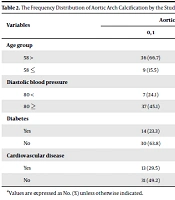
Esmaeil Mosharafi F, Montazeri M, Amirkhanlou S. An Investigation on the One-year Rate of Arteriovenous Fistula Failure and Its Related Factors in Patients with End-stage Renal Disease; an Experience in Golestan Province of Iran. Nephro-Urol Mon. 2021;13(4):e117420. doi: https://doi.org/10.5812/numonthly.117420
Rahmani V, Rezaeii S, Alinezhad B. Transposed Brachiobasilic Arteriovenous Fistula versus Prosthetic Arteriovenous Graft: A Comparative Cohort Analysis of Primary Patency and Complication Profiles in Hemodialysis Patients. Shiraz E-Med J. 2026;27(6):e172711. doi: https://doi.org/10.5812/semj-172711
Mozaffar M, Fallah M, Lotfollahzadeh S, Sobhiyeh MR, Gholizadeh B, et al. Comparison of Efficacy of Side to Side Versus End to Side Arteriovenous Fistulae Formation in Chronic Renal Failure as a Permanent Hemodialysis Access. Nephro-Urol Mon. 2013;5(3):827-30. doi: https://doi.org/10.5812/numonthly.10248
Khoshnevis J, Sobhiyeh MR, Lotfolahzadah S, Hoseinzadegan Shirazi F, Jalali AH. Upper Extremity Axillary Loop Grafts: An Opportunity in Hemodialysis Access. Nephro-Urol Mon. 2012;5(1):697-701. doi: https://doi.org/10.5812/numonthly.5056
More by these authors
Last Update: 1 day ago
Last Update: 1 day ago
Last Update: 1 day ago
Last Update: 4 days ago
Last Update: 2 days ago
Last Update: 1 day ago
