
Autoimmune hepatitis (AIH) is a chronic liver cell injury induced by immune mechanism. Steroid therapy +/- immunosuppressive therapy is the mainstay of treatment in AIH (1). Insulin resistance and obesity are the harmful consequences of injustice steroid therapy. These conditions predispose the AIH patients to the development of concomitant non-alcoholic fatty liver disease (NAFLD). NAFLD is already considered as the hepatic manifestation of insulin resistance (metabolic) syndrome (2). The management of NAFLD differs from AIH with regard to steroid therapy. While steroid is lifesaving in AIH due to immune modulation effect, its long-term use worsen the course of NAFLD because the development of insulin resistance. The elevation of serum aminotransferase levels in AIH patients on steroid therapy does not necessarily mean treatment failure. The development of NAFLD might be considered as a cause.
Considering the epidemic of obesity and increasing the incidence of NAFLD worldwide, this condition should be suspected in patients with any form of chronic hepatitis including AIH (3). We suggest the precise investigation for diagnosis, risk assessment, and the proper management of NAFLD in AIH patients before the start of steroid therapy.
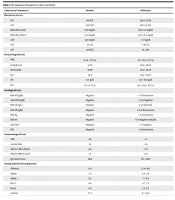
There are clinical and laboratory clues that refer to the existence of NAFLD in AIH patients. The increase of body weight, waist circumference, body mass index, fasting serum glucose, insulin, triglyceride, cholesterol, and low-density lipoprotein, in spite of normal serum gamma globulin level could suggest the evolution of NAFLD in AIH patients on steroid medication.
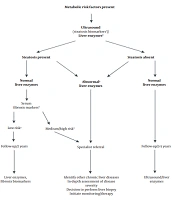
Imaging modalities are non-invasive and acceptable options for the detection of NAFLD before starting steroid and in follow up visits. Unfortunately, liver ultrasonography has limitation for the detection and staging of NAFLD especially in obese patients (4). However, proton magnetic resonance spectroscopy is a newer technique that is already considered as the gold standard imaging modality for detecting fatty liver (5).
Finally, liver biopsy remains the gold standard method for distinguishing treatment failure from the progression of NAFLD in AIH patients while on steroid therapy. It is recommended when the clinical, laboratory, and imaging findings are borderline for reaching a definite diagnosis.
It seems reasonable to use the adequate steroid dose and tapper it off as the clinical and biochemical response obtained to avoid the development of NAFLD in AIH. It is of much importance to identify high-risk AIH patients for the development of insulin resistance and concurrent NAFLD. These include patients with hyperlipidemia or other components of metabolic syndrome, overweight, impaired fasting glucose tolerance, and strong family history of metabolic syndrome. Close follow up visits of AIH patients for the occurrence of steroid metabolic side effects especially in high-risk patients is highly recommended. These include the rise in anthropometric measurements and laboratory indices of insulin resistance syndrome. Lifestyle modification to obtain ideal body weight (by hypocaloric diet and regular exercise) is a suitable option for reducing steroid side effects while AIH patients receive steroid.
The great challenge exists in the management of refractory AIH who are steroid dependent. Aggressive modification of insulin resistance risk factors to reduce the progression of NAFLD might be a logical approach in these AIH patients.