Fulltext
The full text of this article is available on the PDF file.
Zahedan Journal of Research in Medical Sciences
The Official Journal of Zahedan University of Medical Sciences
Image Credit:Zahedan J Res Med Sci
Authors
Background : Fat embolism syndrome symptoms is due to the presence of free fat globules originates from bone marrow and deposit in parenchyma of the lung, brain, and other organs and in most cases is particularly due to long bones, or pelvic fractures and can be accompanied by considerable complications and mortality. The aim of this research is to evaluate effect of early fixation of femoral fractures on preventing of fat emboli.
Materials and Methods : In a double blind nonrandomized clinical trial study 174 patients with femoral fractures enrolled in four groups and in the first 12 hours after fracture occurrence were treated as below Group I: included 53 patients were treated by means of open reduction and internal fixation with screws and plate. Group II: included 46 patients were treated by means of skeletal traction. Group III: included 33 patients that were not treated by means of any methods of fracture fixation. Group IV: included 42 patients were treated by means of interlocking intramedullary nailing. With use of Chi-square, ANOVA and Tukey post hoc test there were significant differences among groups (p=0.003). Results : 11 patients in all groups and in Group A, any patients, in Group B, four patients (7.8%) in group three, six patients (18.1 %) in group four, one patient had fat embolism syndrome (4.2%).
Conclusion : The main point in the prevention of fat embolism syndrome is stabilization of fracture site of long bones as soon as possible.
© 2013, Author(s). This open-access article is available under the Creative Commons Attribution 4.0 (CC BY 4.0) International License (https://creativecommons.org/licenses/by/4.0/), which allows for unrestricted use, distribution, and reproduction in any medium, provided that the original work is properly cited.
Rezaee S, Saeb M, Fakhri M, Barzegar A. Fat Embolisms in Lower Organ Fractured Patients Referred to Taleghani Hospital of Kermanshah (2003-4). J Kermanshah Univ Med Sci. 2005;9(3):e81574. doi:
Guo W, Zheng Q, Li B, Shi X, Xiang D, et al. An Experimental Study to Determine the Role of Inferior Vena Cava Filter in Preventing Bone Cement Implantation Syndrome. I J Radiol. 2015;12(3):e14142. doi: https://doi.org/10.5812/iranjradiol.14142v2
Rokhtabnak F, Zamani MM, Kholdebarin A, Pournajafian A, Ghodraty MR. Anesthetic Management for Lower Limb Fracture in Severe Aortic Valve Stenosis and Fat Embolism: A Case Report and Review of Literature. Anesth Pain Med. 2014;4(2):e13713. doi: https://doi.org/10.5812/aapm.13713
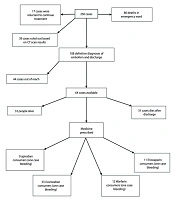
Kalateh Agha Mohammadi M, Ghaffari Nazari H, Yazdani S, Fateh Babamiri S, Hajifathali A, et al. Epidemiological Investigation of Iranian Patients with Pulmonary Embolism Based on Medication. Zahedan J Res Med Sci. 2025;27(1):e148879. doi: https://doi.org/10.5812/zjrms-148879
Dehghan M, Abdoli-tafti A, Ahmadi AL, Shafiei Alavijeh S, Rahmati Dehkordi F, et al. Association between proximal femoral geometry and incidence of proximal femoral fractures. koomesh. 2019;21(1):e153039. doi:
Last Update: 2 weeks ago
Last Update: 2 weeks ago
Last Update: 2 weeks ago
Last Update: 9 hours ago
Last Update: 11 hours ago
Last Update: 5 days ago