
1. Introduction
Aerobic exercise is widely recognized as one of the most effective and accessible strategies for supporting cardiovascular health and reducing the risk of chronic diseases (1, 2). However, these advantages are not limited to the management of established conditions such as obesity, type 2 diabetes, or hypertension (3, 4). Recent research has increasingly examined a less-studied question: What impact does aerobic training exert on individuals who are otherwise healthy but physically inactive? This investigation has become particularly pressing due to the increasing prevalence of sedentary behavior, now acknowledged as a significant independent risk factor for cardiovascular disease (5). One of the most direct ways aerobic activity promotes cardiovascular health is by improving blood lipid profiles, specifically by reducing total cholesterol (TC), triglycerides (TG), and low-density lipoprotein cholesterol (LDL-C), and by increasing high-density lipoprotein cholesterol (HDL-C) (6-9). These changes are critical because they help reduce the formation of atherosclerotic plaques and improve vascular function (10). Although these lipid changes are often more dramatic in patients with dyslipidemia, emerging evidence suggests that even individuals without baseline abnormalities can benefit from structured aerobic programs (11). Changes in lipid profiles among sedentary but healthy individuals do not follow a consistent pattern; instead, they appear to be influenced by key exercise variables, including intensity, duration, and frequency (12). Studies suggest that aerobic routines performed at moderate-to-vigorous intensities, especially when sustained for8 to 12 weeks, are associated with consistent improvements in HDL-C and reductions in TG and LDL-C, even among normolipidemic participants (13, 14). Recent experimental evidence has further demonstrated that aerobic exercise may improve lipid metabolism through molecular mechanisms, including modulation of genes involved in cholesterol transport and reverse cholesterol efflux pathways (15). In addition, experimental studies investigating lipid metabolism-related markers have highlighted the potential role of bioactive interventions in modulating adipocyte lipid metabolism, further emphasizing the importance of molecular regulation in lipid homeostasis (16). This indicates that aerobic training can play a preventive role, not just a corrective one. Recent studies have transitioned their emphasis from total lipid concentrations to the quality and functionality of lipoproteins. For instance, aerobic exercise has been linked to increases in HDL2, the subfraction of HDL most closely associated with anti-atherogenic effects such as reverse cholesterol transport (14, 17). Similarly, LDL particles may change from smaller, denser forms that are more likely to cause atherosclerosis and are easier to oxidize to larger, more buoyant forms that are less risky (18, 19). These improvements may result from enhanced enzyme activity, such as increased function of lipoprotein lipase and lecithin-cholesterol acyltransferase (LCAT), both of which play important roles in lipid metabolism and clearance (20). Despite these promising insights, the current body of research remains fragmented. Differences in study design, definitions of “sedentary,” participant characteristics, and exercise protocols have led to inconsistent findings across the literature. As a result, it's still unclear how robust and clinically meaningful these changes are in healthy, inactive populations. More importantly, there is little consensus on the minimum effective dose of aerobic exercise required to produce improvements in lipid outcomes in this group. This meta-analysis aims to address these gaps by systematically evaluating existing evidence on the effects of aerobic training on lipid profiles, specifically HDL-C, LDL-C, TC, and TG, in sedentary adults without underlying chronic disease. By pooling data from controlled trials, this study aims to clarify both the consistency and the magnitude of lipid-related responses to aerobic training in this population. Ultimately, the central question is: can regular aerobic exercise, without the aid of medication or dietary intervention, meaningfully improve lipid metabolism in individuals who are currently inactive but otherwise healthy?
2. Methods
2.1. Study Design and Reporting Guideline
This systematic review and meta-analysis were designed and reported in accordance with the PRISMA 2020 (Preferred Reporting Items for Systematic Reviews and Meta-Analyses) guidelines. This review was not prospectively registered. The full review protocol is available in the Supplementary File (PDF).
2.2. Eligibility Criteria (PICOS Framework)
Studies were considered eligible if they included healthy, nonathletic adult participants (≥18 years) without chronic disease or ongoing pharmacological treatment affecting lipid metabolism. The intervention consisted of structured aerobic exercise (eg, walking, running, cycling, or aerobic classes) performed for at least four weeks. Comparators included no structured exercise, maintenance of the usual lifestyle, standard care, or baseline values in eligible pre–post intervention designs. The primary outcomes were quantitative changes in HDL-C, LDL-C, TC, and TG. Only randomized controlled trials (RCTs) and quasi-experimental studies with appropriate statistical reporting were included. Studies were limited to human populations and peer-reviewed publications in English. Studies involving co-interventions, such as diet or supplements, were excluded unless the isolated effect of aerobic exercise was clearly distinguishable.
For this review, “healthy” was defined as having no diagnosed chronic disease and taking no lipid‑lowering medication; “sedentary” was defined as having no regular exercise for ≥ 6 months; and “without chronic disease” was defined as having no ongoing treatment for metabolic or cardiovascular conditions.
2.3. Search Strategy and Data Sources
A systematic search was conducted on June 1, 2025, in PubMed/MEDLINE, Scopus, and Google Scholar. The search strategy combined MeSH terms and keywords: ("aerobic exercise" OR "endurance training" OR "cardiovascular training") AND ("HDL cholesterol" OR "LDL cholesterol" OR "triglycerides" OR "total cholesterol") AND ("effect" OR "impact" OR "change"). Clinical trial registries, including ClinicalTrials.gov and WHO ICTRP, were also searched. In addition, the reference lists of included articles and relevant reviews were manually screened to identify other eligible studies.
2.4. Study Selection Process
All identified citations were imported into EndNote X9 for duplicate removal. Two reviewers independently screened titles and abstracts, followed by a full-text review of potentially eligible articles. Disagreements were resolved through discussion or consultation with a third reviewer.
2.5. Data Extraction Procedure
Information extracted from each study included study design, publication details, participant characteristics (including age, sex, and baseline health status, when available), sample size, exercise intervention characteristics (modality, frequency, intensity, and duration), comparator conditions, and outcomes included in the meta-analysis. Outcomes reported descriptively but not quantitatively pooled were recorded separately. When necessary, authors were contacted to obtain missing data, and graphical data were extracted using WebPlotDigitizer. All lipid profile outcomes were extracted and analyzed in mg/dL, and no unit conversion was required.
2.6. Risk of Bias Assessment
Risk of bias in each included study was assessed using a domain-based approach and is summarized in Table 1. The domains evaluated included randomization, blinding, missing data, and selective outcome reporting. Risk of bias was assessed using the Cochrane Risk of Bias tool (RoB 2.0) for randomized controlled trials, adapted for quasi-experimental studies using the same domains.
Table 1.
Risk of Bias Assessment a
| Study | Random Sequence Generation | Allocation Concealment | Blinding (Participants and Personnel) | Blinding (Outcome Assessment) | Incomplete Outcome Data | Selective Reporting | Overall Risk of Bias |
|---|---|---|---|---|---|---|---|
| Amalia, 2022 (26) | L | L | L | U | L | U | U |
| Cicek, 2024 (24) | L | U | U | U | L | U | U |
| Alavizadeh, 2018 (25) | U | U | U | U | L | U | U |
| Fathi, 2018 (27) | U | U | L | U | L | U | U |
| Fathi, 2013 (28) | U | U | U | U | L | U | U |
| Mohammadi, 2014 (29) | U | U | U | U | L | U | U |
| Mosavi, 2015 (30) | U | U | U | U | L | U | U |
| Motoyama, 1995 (31) | U | U | U | U | L | U | U |
| Park, 2003 (32) | U | U | U | U | L | U | U |
| Silva, 2014 (21) | L | U | L | U | L | U | U |
| Teixeira, 2010 (22) | L | U | L | U | L | U | U |
| Wang, 2017 (23) | L | U | L | U | L | U | U |
a Abbreviations: L, low risk; U, unclear risk; H, high risk.
2.7. Data Synthesis and Statistical Analysis
All statistical analyses were performed using STATA version 15 (StataCorp, College Station, TX, USA). Effect sizes were expressed as mean differences (MD) in mg/dL with 95% confidence intervals (CI), employing a random-effects model to estimate heterogeneity. The I² statistic was used to assess heterogeneity, where values above 50% suggested substantial heterogeneity. Subgroup analyses were conducted according to exercise duration (<8 weeks versus ≥ 8 weeks), intensity, and participants’ sex. Funnel plots and Egger’s regression test were employed to assess publication bias when ten or more studies were available. The study selection process is shown in Figure 1 (PRISMA flow diagram).
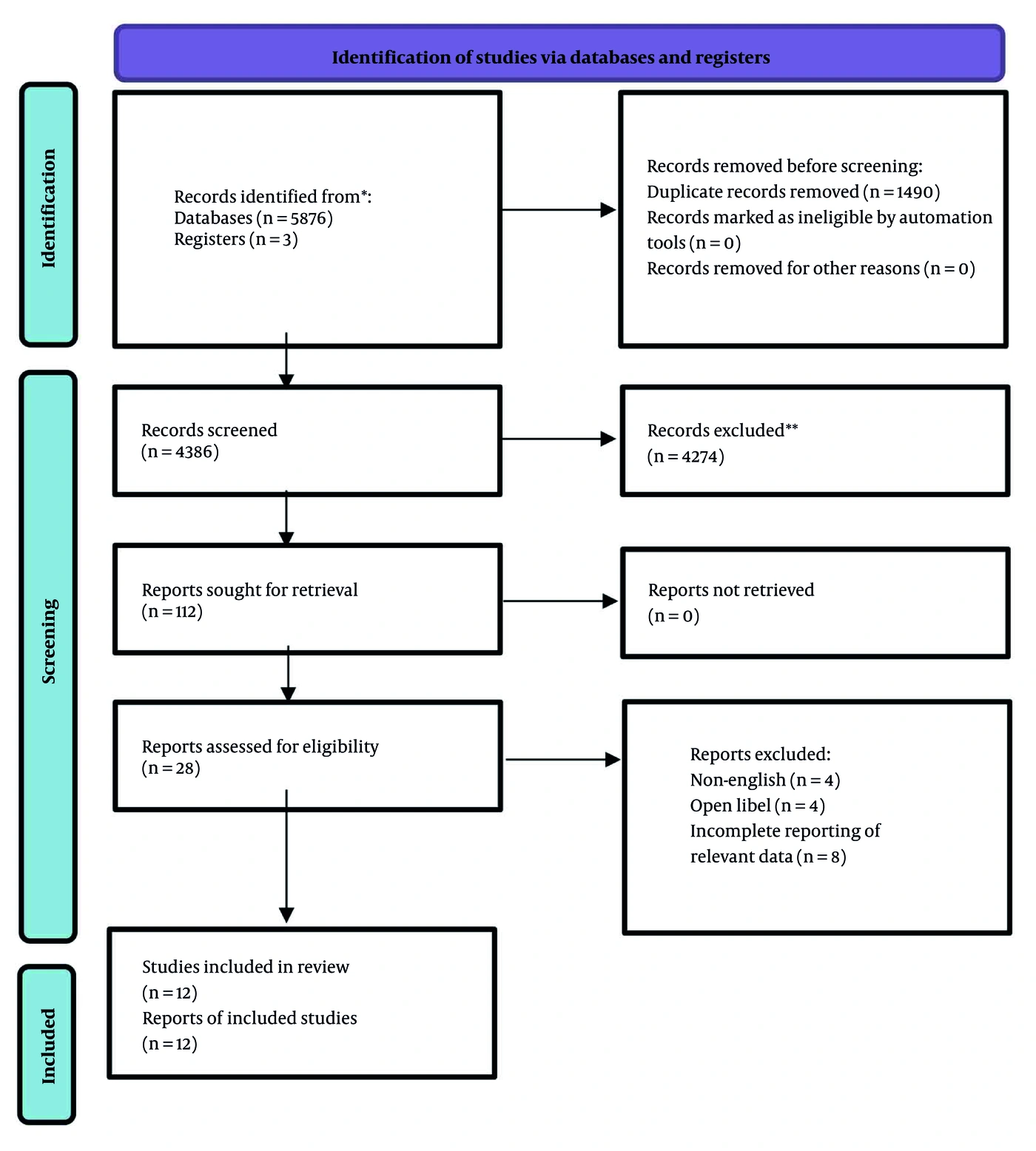
Figure 1.
PRISMA flow diagram of studies included in this systematic review with meta-analysis.
3. Results
The study selection process and reasons for exclusion are detailed in Figure 1. After duplicates were removed and 4,386 records were screened, 12 studies met the eligibility criteria and were included in the final meta-analysis (21-32). The characteristics of the included studies, including study design, participant profiles, intervention protocols, control conditions, and outcomes included in the quantitative synthesis, are summarized in Table 2.
Table 2.
Characteristics of Included Studies, Intervention Protocols, Control Conditions, and Outcomes a
| Study (Author, Year) | Country | Study Design | Sample Size | Participants | Intervention Characteristics | Control Group | Meta-Analyzed Outcomes | Other Outcomes | Duration |
|---|---|---|---|---|---|---|---|---|---|
| Silva et al. (2014) (21) | Brazil | Randomized controlled trial (RCT) | n = 36 | Overweight adolescents, 13 – 17 yrs, both sexes, BMI ≥ Cole cutoffs | 12 weeks, 3x/week, cycle ergometer, lactate-based intensity (LT & OBLA), no diet change | No exercise, no diet, only pre/post assessments | HDL-C, LDL-C, TC, TG | Body fat, VO₂max | 12 weeks |
| Martins et al. (2010) (22) | Portugal | Randomized controlled trial (RCTs) | n = 31 | Elderly (> 64 yrs), both sexes, ambulatory, with chronic diseases (HTN, DM, angina), no regular exercise | 16 weeks, 3x/week, 45 min/session, AT (cycle ergometer, 40 – 85% HRR) or ST (calisthenics + elastic bands, progressive reps/sets), no diet change | Sedentary, no exercise, maintained lifestyle and diet | HDL-C, LDL-C, TG | hs-CRP, muscular strength, aerobic endurance | 16 weeks |
| Wang (2017) (23)b | China | Randomized controlled trial (RCT) | n = 24 | Obese undergraduates (BMI ≥ 28), both sexes, freshman, no regular exercise | 16 weeks, 3x/week, 60 min/session. Group A: aerobic (aerobics+jogging, 60 – 70% HRmax). Group A+R: 40 min aerobic + 20 min resistance (6 exercises, 3 sets, 6 – 8 reps, 60 – 70% 1RM) | No exercise (only Physical Education classes), no intervention | HDL-C, LDL-C, TG, TC | Weight, BMI, body fat, chemerin | 16 weeks |
| Cicek et al. (2024) (24) | Turkey | Randomized controlled trial (RCT) | n = 30 | Sedentary overweight/obese women, 20 – 40 yrs, BMI 25 – 34.9 kg/m² (control: normal weight BMI 18.5 – 24.9) | 12 weeks, 3x/week, 50 min/session. AE: aerobic-step (60 – 80% HRmax, progressive). HIIT: treadmill (6 – 10 × 1 min work 80 – 90% HRmax + 1 min rest 50% HRmax). No caloric restriction | Sedentary, normal-weight, no exercise, maintained lifestyle | HDL-C, LDL-C, TC, TG | PTX3, BMI, VO₂max, hs-CRP | 12 weeks |
| Alavizadeh et al. (2018) (25) | Iran | Non-randomized intervention study | n = 27 | Sedentary healthy men, 20 – 25 yrs, BMI 20 – 22 kg/m² | 8 weeks, 3x/week, 60 min/session, aerobic exercise (treadmill), 75 – 85% HRmax, progressive duration (30→45 min) | No exercise, maintained a normal lifestyle | HDL-C, LDL-C | Visfatin, homocysteine, CRP, weight, BMI | 8 weeks |
| Amalia et al. (2022) (26) | Indonesia | Randomized controlled trial (RCT) | n = 30 | Government office workers (sedentary), both sexes, employees | 6 weeks, 3x/week, 30 min treadmill, aerobic exercise + health education + reminders + logbook | Health education only (no exercise) | HDL-C, LDL-C, TC, TG | Exercise adherence | 6 weeks |
| Fathi et al. (2018) (27) | Iran | Non-randomized intervention study | n = 26 | Male students, 18 – 23 yrs, active (football players) vs inactive (sedentary), healthy, non-smokers | 4 weeks, 3x/week, 60 min/session, aerobic exercise (football-specific), 60 – 75% HRreserve | No control group (both groups exercised; comparison between active vs inactive baseline status) | HDL-C, LDL-C, TC, TG | IGF-1, weight, fat mass, VO₂max, body fat % | 4 weeks |
| Fathi et al. (2013) (28) | Iran | Non-randomized intervention study | n = 19 | Overweight women, mean 22 ± 1.85 yrs, BMI 30.3 ± 4 kg/m² | 8 weeks, 5x/week, aerobic exercise, 65 – 80% HRR (progressive), no diet control | No exercise, maintained a normal lifestyle | HDL-C, LDL-C, TG | CRP, hs-CRP, BMI | 8 weeks |
| Mohammadi et al. (2014) (29) | Iran | Non-randomized intervention study | n = 24 | Sedentary middle-aged men, 40 – 60 yrs, BMI > 30 kg/m², healthy, non-smokers, no regular exercise in the last 6 months | 12 weeks, 3x/week, treadmill, progressive: 20 min at 60% HRmax → 60 min at 75% HRmax | No exercise, maintained a normal diet and lifestyle | HDL-C, LDL-C, TC, TG | hs-CRP, weight, BMI, body composition | 12 weeks |
| Mossavi et al. (2015) (30) | Iran | Non-randomized intervention study | n = 30 | Obese premenopausal women, 35 – 45 yrs, BMI 30 – 36 kg/m², sedentary, non-smoker, no regular exercise in the last year | 12 weeks, 3x/week, 45 – 60 min/session, aerobic exercise (running), 60 – 80% HRmax (progressive), measurements at 0, 6, and 12 weeks | No regular physical activity, maintained a normal lifestyle | HDL-C, LDL-C, TC, TG | CRP, IL-6, weight, body fat % | 12 weeks |
| Motoyama et al. (1995) (31) | Japan | Non-randomized intervention study | n = 30 | Elderly men and women, 65 – 83 yrs, hypertensive (some with DM or prior MI), sedentary, on stable medication | 9 months, 3 – 6x/week (mean 5.2), 30 min/session, treadmill walking, low intensity (at lactate threshold, ~50% VO2max), followed by 1 month detraining in 5 subjects | No exercise, maintained a normal lifestyle and diet | HDL-C, LDL-C, TC, TG | Body composition | 36 weeks |
| Park et al. (2003) (32)b | South Korea | Non-randomized intervention study | n = 20 | Middle-aged obese women, 40 – 45 yrs, sedentary, healthy, no medication | 24 weeks, 6 days/week, 60 min/session. Aerobic group: aerobic only (60 – 70% HRmax). Combined group: 3 days resistance (60 – 70% 1RM, progressive) + 3 days aerobic (60 – 70% HRmax) | No exercise, maintained a normal lifestyle | HDL-C, LDL-C, TC, TG | Body composition, HbA1c, blood glucose | 24 weeks |
a Only the variables used in each study were included in the table.
b Wang (2017) and Park et al. (2003) included multiple intervention arms, including combined exercise protocols. To maintain consistency with the eligibility criteria of this meta-analysis, only data from the aerobic-only training groups were extracted and included in the pooled analyses.
Table 2 summarizes 12 studies evaluating the effects of aerobic exercise interventions on lipid profile outcomes in sedentary or otherwise inactive adults. Most studies involved overweight, obese, or sedentary individuals. The most commonly assessed outcomes included body composition indicators (such as BMI, body fat percentage, and fat mass), lipid profiles (HDL, LDL, TG, and TC), and inflammatory markers (CRP, hs-CRP, chemerin, visfatin, and PTX3). Of these outcomes, only lipid parameters (HDL-C, LDL-C, TC, and TG) were included in the quantitative meta-analysis; other reported variables were presented as additional study characteristics. Substantial heterogeneity was present for HDL-C (I² = 86.8%), TC (I² = 90.4%), and TG (I² = 95.4%). Therefore, the pooled estimates for these outcomes should be interpreted with caution.
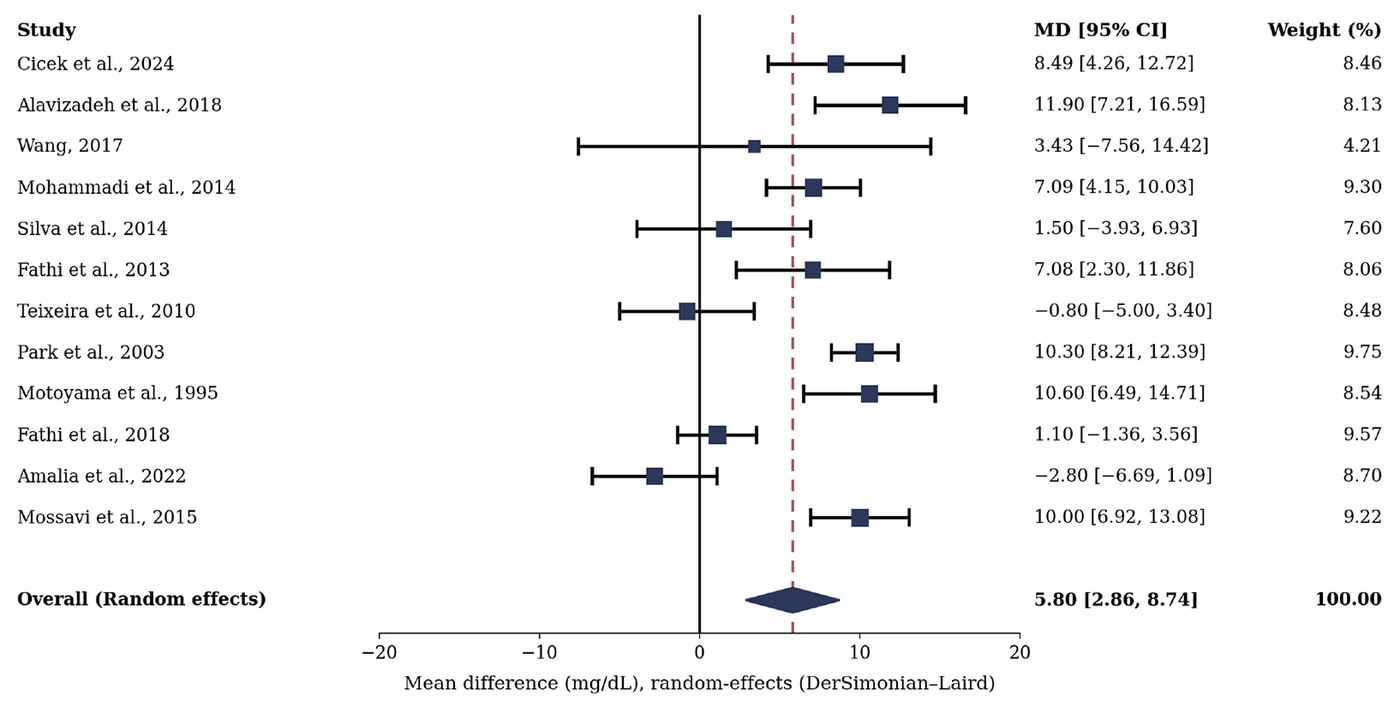
As shown in Figure 2, the pooled effect size under a random-effects model was 5.80 mg/dL [95% CI: 2.86 to 8.74 mg/dL], indicating a statistically significant overall effect. Individual study weights ranged from 4.21% to 9.75%. Substantial heterogeneity was detected across the included studies (Cochran’s Q = 83.26; df = 11, P < 0.001). The I² statistic was 86.8% [95% CI: 52.3%–93.9%], indicating that a considerable proportion of the variability in effect estimates was due to between-study differences rather than chance. The H statistic was 2.75 [95% CI: 1.45 – 4.06], further supporting the presence of heterogeneity.
As detailed in Figure 3, subgroup analyses by intervention duration were performed to evaluate potential sources of heterogeneity. Notable differences in pooled effect sizes were observed between subgroups. For example, interventions lasting 8 and 12 weeks showed the largest pooled effects (9.51 [95% CI: 4.79 – 14.24] and 7.28 [95% CI: 4.32 – 10.24], respectively), whereas the 6-week intervention showed a negative trend (–2.80 [–6.69, 1.08]). These findings suggest that intervention duration may be a moderator of HDL-C outcomes.
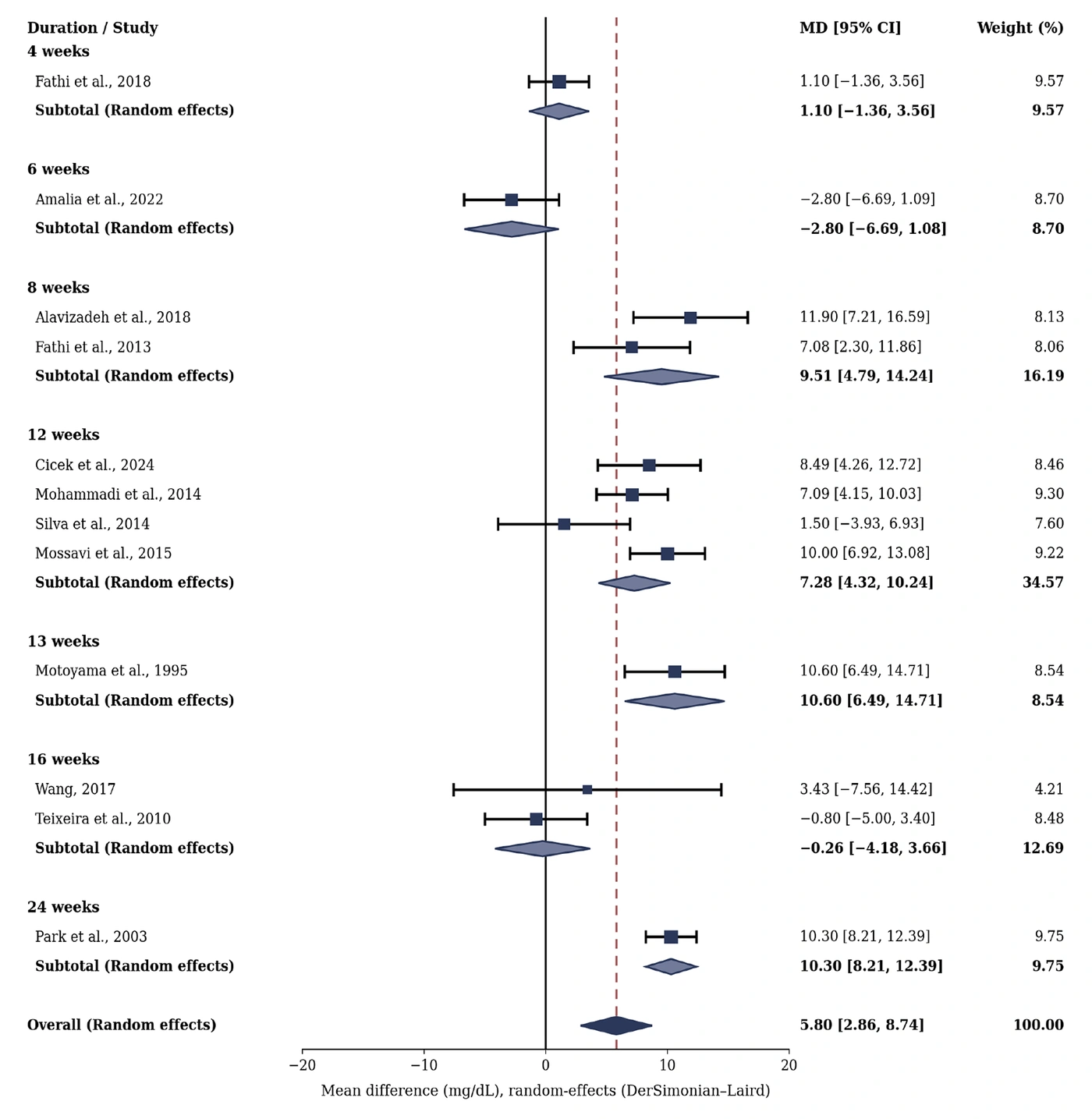
Figure 4 presents the results of the meta-analysis, including the effect sizes, 95% confidence intervals, and relative weight of each study. The overall pooled effect size was -9.07 mg/dL (95% CI: -13.77 to -4.37 mg/dL), indicating a statistically significant negative effect across the included studies. Heterogeneity assessment revealed a Cochran's Q value of 34.09 with 11 degrees of freedom and a P < 0.001, suggesting significant heterogeneity among the studies. Additionally, the I² statistic was 67.7%, indicating that approximately 68% of the observed variance was due to real differences between studies rather than random error. These findings support the use of a random-effects model in the analysis.
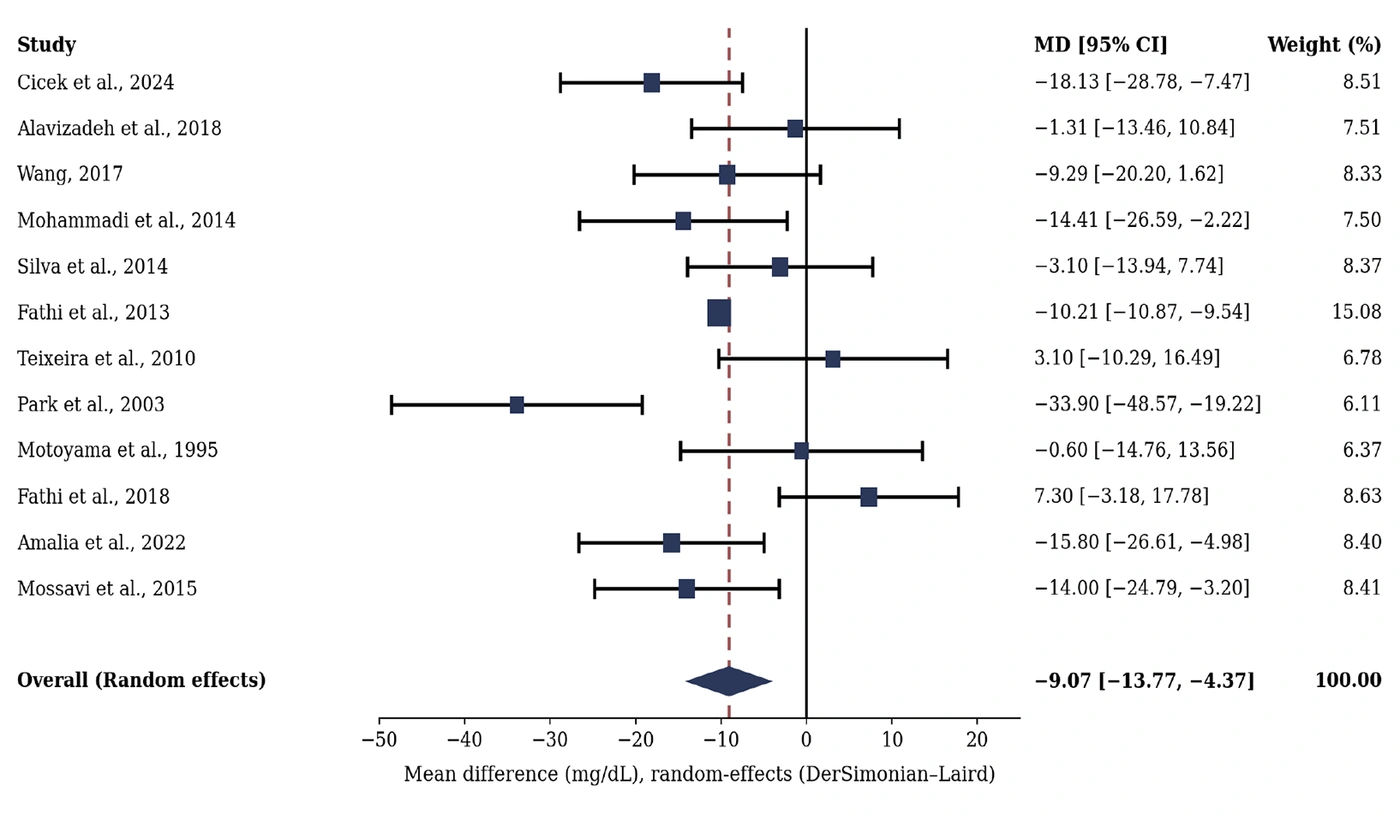
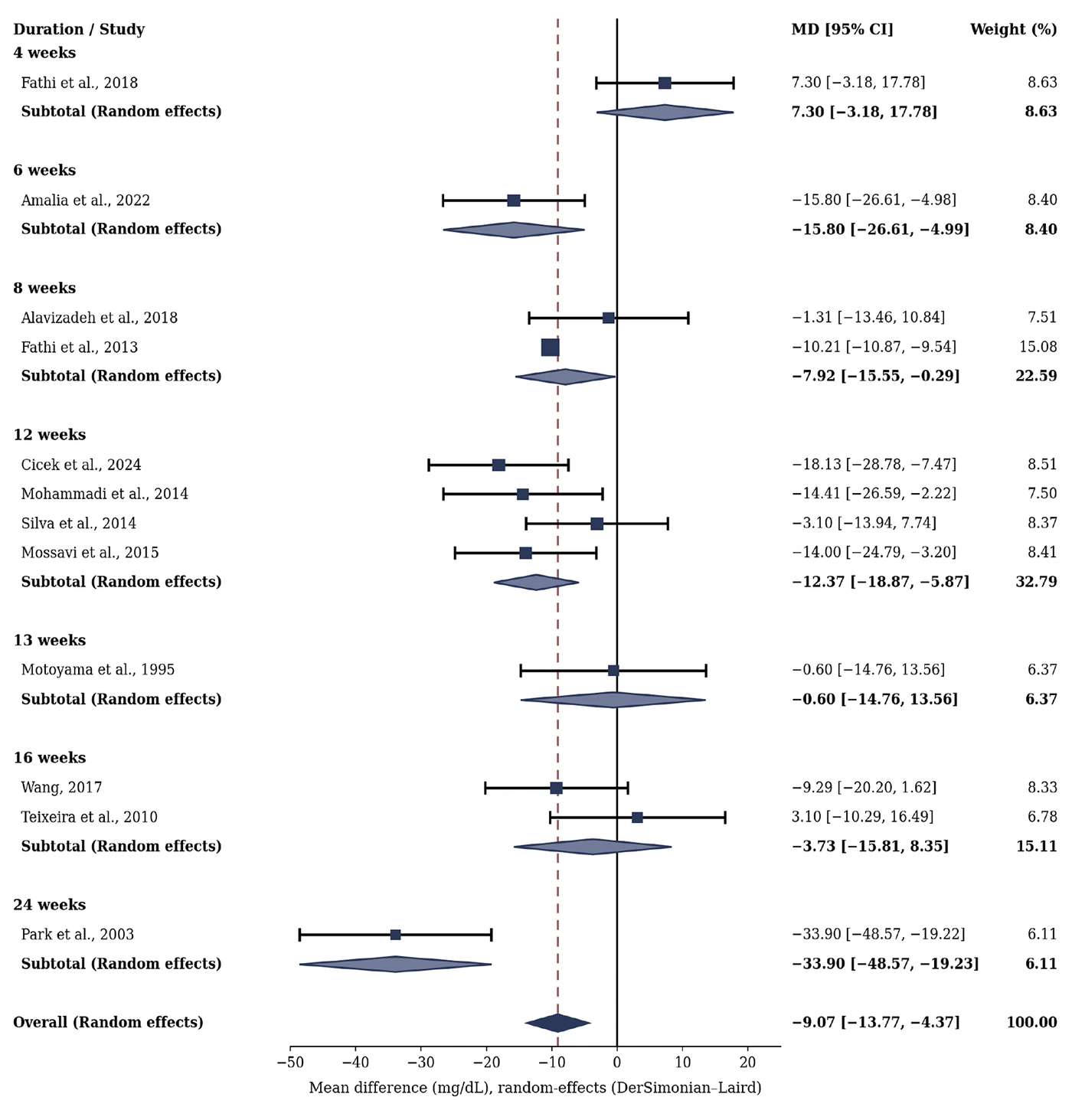
Figure 5 further summarizes these subgroup effects by intervention duration (in weeks), showing the mean differences in LDL-C levels, along with 95% confidence intervals and study weights in the meta-analysis. Each subgroup corresponds to a specific intervention duration, and pooled estimates were calculated using the DerSimonian–Laird random-effects model (DL). The overall effect size at the bottom summarizes the combined results across all studies, indicating a statistically significant reduction in LDL-C levels following intervention. The most substantial reduction in LDL-C was observed in the 24-month subgroup (Mean Difference: -33.90 mg/dL), whereas shorter interventions, such as those lasting 4 or 13 weeks, showed minimal or no significant changes. These findings suggest that longer intervention durations may yield more pronounced lipid-lowering effects; however, between-study heterogeneity should be considered when interpreting the results.
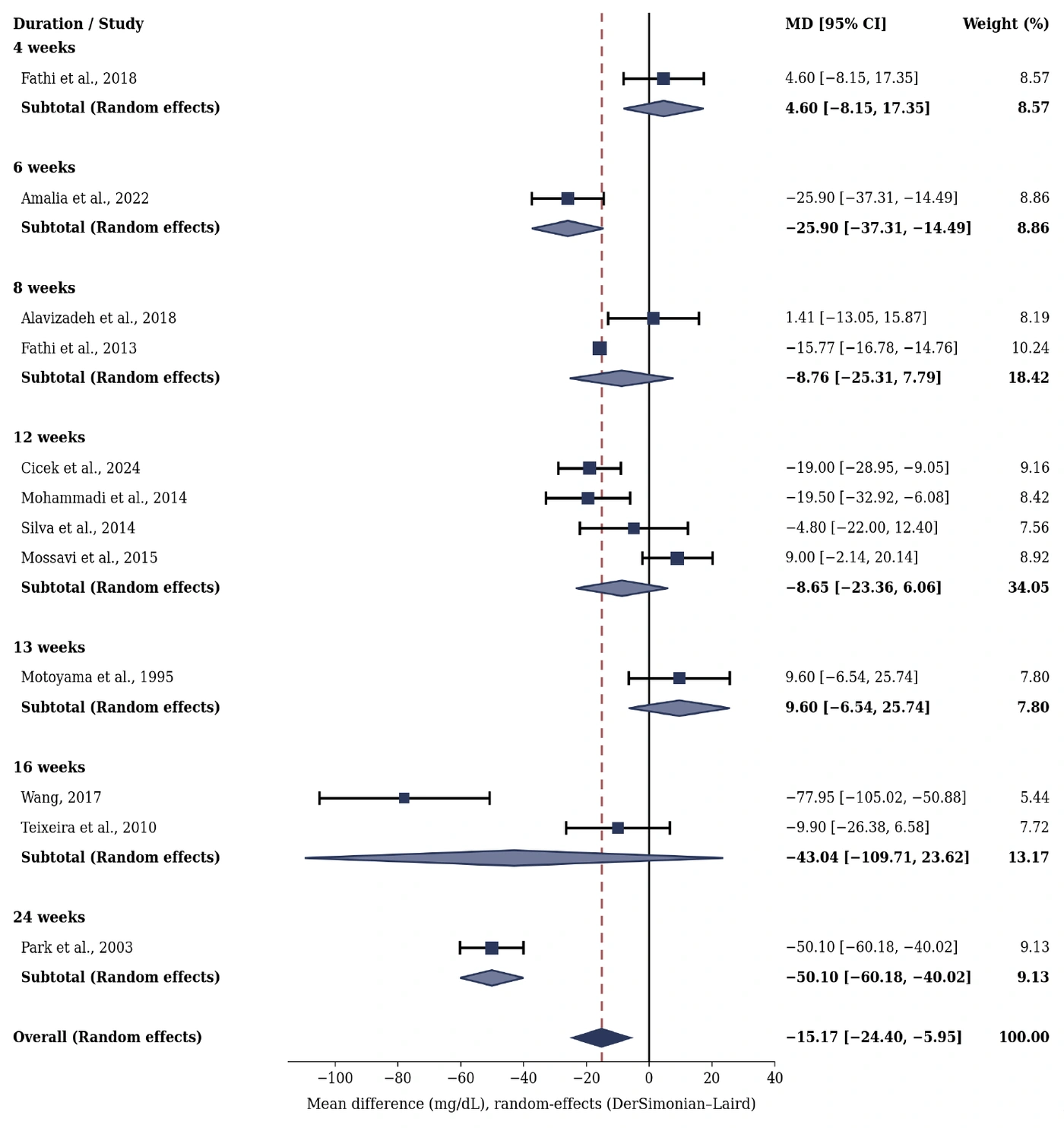
A total of 12 studies were included in the meta-analysis evaluating the effect of intervention on the target outcome. As presented in Figure 6, the overall pooled mean difference using a random-effects model (DerSimonian and Laird method) was -15.17 mg/dL (95% CI: -24.39 to 5.95 mg/dL), indicating a statistically significant reduction. Effect sizes varied across studies, with the largest negative effects observed in Wang et al. 2017 and Park et al. 2003; some studies showed small or even positive differences. Cochran’s Q, H, and I² statistics were calculated to assess heterogeneity among the included studies. The Q-test revealed significant heterogeneity (Q = 114.33, df = 11, P < 0.001), and the I² value was 90.4% (95% CI: 6.8% to 96.7%), indicating substantial inconsistency across study results. The H statistic was 3.224 (95% CI: 1.036 to 5.481), further confirming heterogeneity. These findings justify the use of a random-effects model for the meta-analysis.
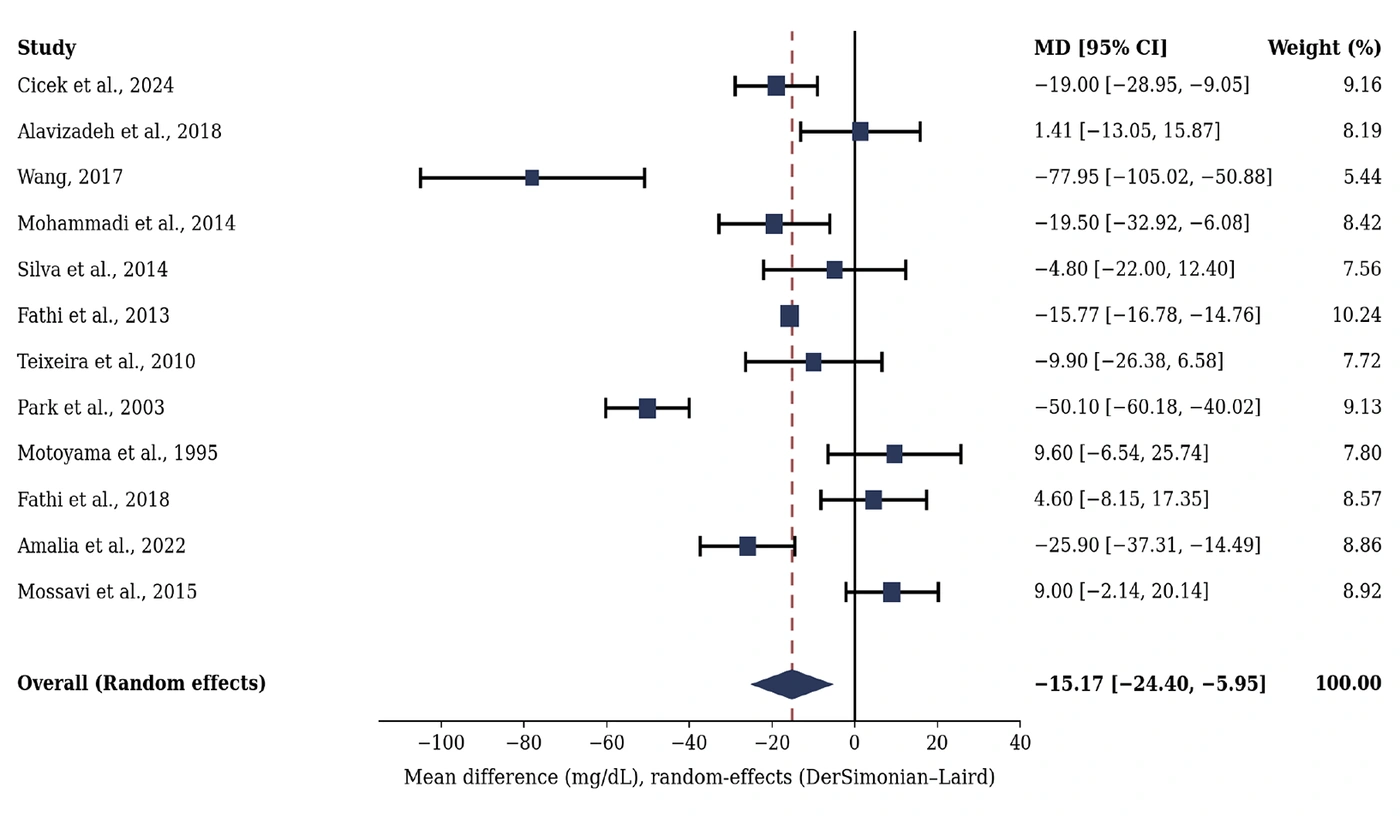
The results of this subgroup analysis, grouped by intervention duration, are presented in Figure 7. Subgroup analyses were conducted using a random-effects model (DerSimonian–Laird method), with weights assigned based on inverse variance. Overall, the pooled estimate indicated a significant reduction in the outcome measure (MD = –15.174; 95% CI: –24.398 to –5.951). Heterogeneity within and between subgroups was assessed using Cochran’s Q and I² statistics. High heterogeneity was observed overall (Q = 114.33, df = 11, P < 0.001; I² = 90.4%), with substantial variation in the 8-, 12-, and 16-week subgroups. Between-group heterogeneity (Q = 67.01, df = 6, P < 0.001) suggests that intervention duration significantly influences the effect size.
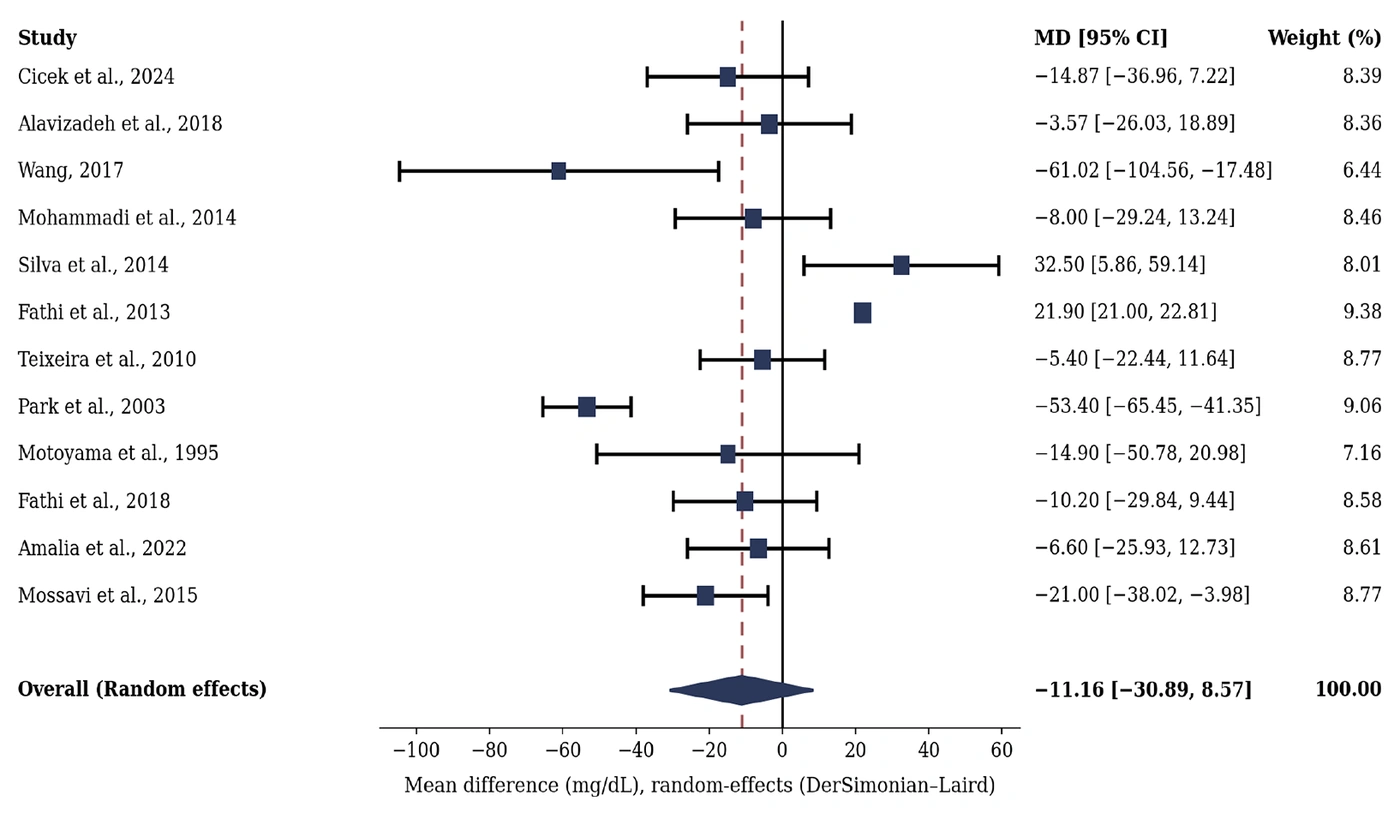
Pooled effect sizes and heterogeneity statistics for the included studies are presented here. Individual study weights and effect sizes for TG are displayed in Figure 8. This figure summarizes the estimated mean differences and 95% confidence intervals for each included study, along with their corresponding weights in the meta-analysis. The pooled analysis yielded an overall effect size of −11.16 mg/dL (95% CI: −30.89 to 8.57 mg/dL), indicating a non-significant reduction. Heterogeneity was substantial, as evidenced by Cochran’s Q = 240.42 (P < 0.001), H = 4.675 (95% CI: 1.313 to 8.178), and I² = 95.4%, confirming high inconsistency across studies. These findings support the use of a random-effects model to account for variability in study outcomes.
A comprehensive summary of the main meta-analysis findings across all four lipid parameters is provided in Table 3.
Table 3.
Summary of Main Meta-Analysis Findings a
| Outcome | Studies (k) | Total Participants (n) | Pooled MD (mg/dL) | 95% CI | P-Value | I² (%) |
|---|---|---|---|---|---|---|
| HDL-C | 12 | 357 | 5.80 | 2.86 to 8.74 | 0.014 | 93.7 |
| LDL-C | 12 | 357 | -9.07 | 13.77 to -4.37 | 0.004 | 82.8 |
| Total Cholesterol (TC) | 12 | 357 | -15.17 | -24.40 to -5.95 | 0.035 | 94.6 |
| Triglycerides (TG) | 12 | 357 | -11.16 | -30.89 to 8.57 | 0.268 | 95.4 |
a Abbreviations: MD, mean difference; CI, confidence interval; I², heterogeneity statistic.
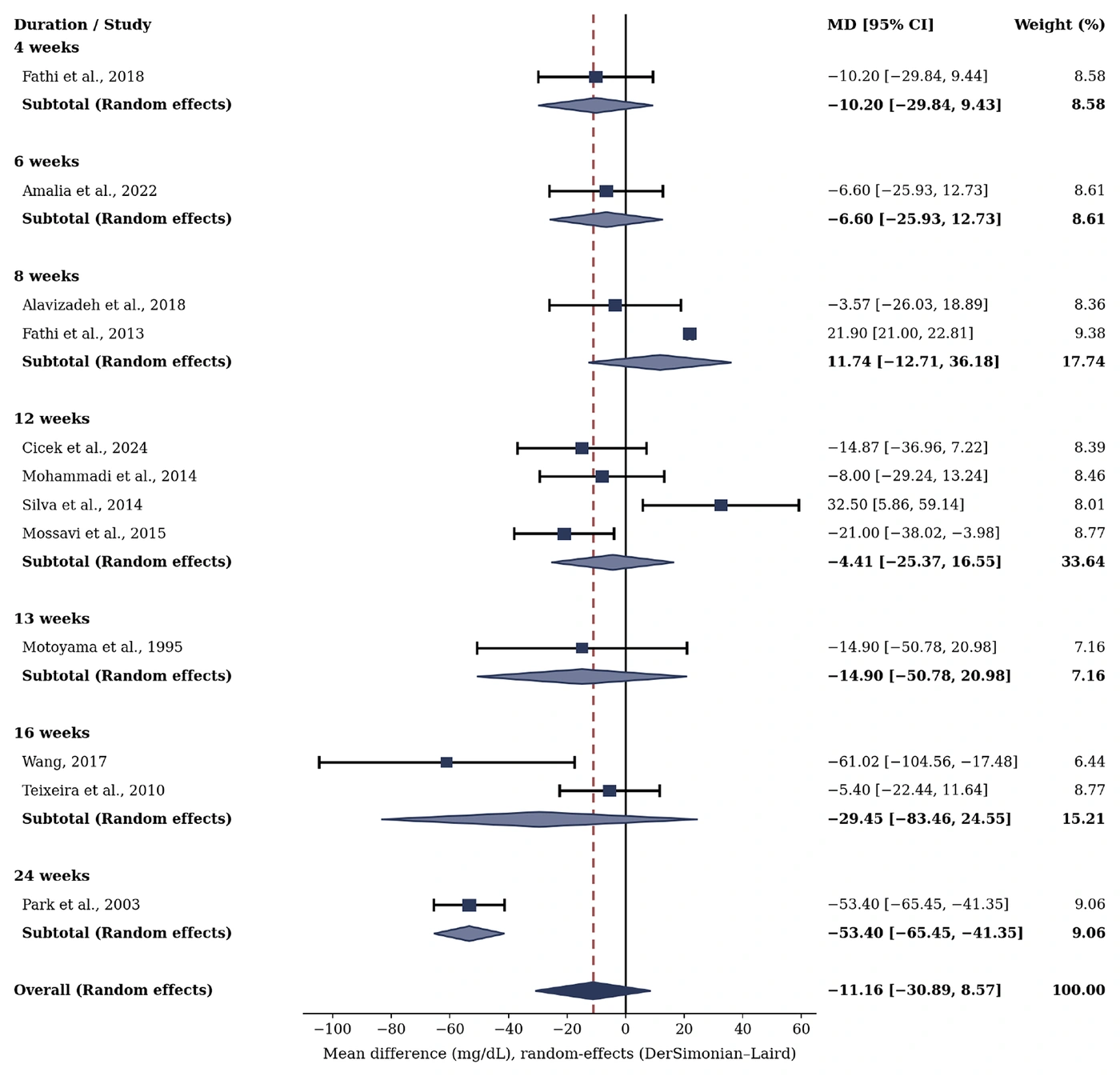
Subgroup analysis based on intervention duration revealed considerable variability in effect sizes across time frames (Figure 9). Some durations, such as 4, 6, 13, and 24 weeks, exhibited no heterogeneity (Q = 0.00, I² = 0%), whereas others, including 8, 12, and 16 weeks, showed substantial heterogeneity, with I² values exceeding 70%, indicating inconsistency among the included studies. The overall analysis demonstrated a non-significant pooled effect (MD = –11.16, 95% CI: –30.89 to 8.57) with high heterogeneity (Q = 240.42, P < 0.001, I² = 95.4%). Between-subgroup heterogeneity was also statistically significant (Q = 39.70, P < 0.001), suggesting that duration may partially explain the observed variance in outcomes.
The studies generally showed an unclear risk of bias, primarily because of a lack of reporting on blinding and allocation concealment. A few studies had a clearly low risk of bias for sequence generation and outcome data. The methodological quality and risk of bias for each included study are detailed in Table 1.
4. Discussion
This meta-analysis aimed to investigate whether aerobic exercise, without the use of medications or dietary changes, could result in significant improvements to the lipid profile in healthy but physically inactive adults. Although it is generally accepted that regular aerobic exercise is beneficial for people with metabolic disorders, its role in healthy but inactive individuals has not been well understood. We focused on this group precisely because they are often overlooked in prevention strategies, despite increasing evidence that even moderate lifestyle changes can offer measurable health advantages (33). Our goal was to address this gap by reviewing and synthesizing the best available evidence. Our findings show that engaging in aerobic exercise, even without making changes to diet or using medication, can significantly improve lipid metabolism. In particular, we observed an increase in HDL-C (MD = 5.80 mg/dL) and reductions in LDL-C (MD = −9.07 mg/dL) and TC (MD = −15.17 mg/dL), especially in interventions that lasted at least 8 weeks. Triglyceride levels were more variable, but even here, the longer and more consistent programs tended to show better outcomes. This supports the idea that the duration and intensity of exercise matter: short-term efforts may not be enough, while sustained, moderate-to-vigorous activity appears to deliver clearer benefits. It’s also worth noting that many of the participants in the included studies shared similar profiles: middle-aged, higher-than-average BMI, and low baseline fitness, which may have amplified the positive response to exercise. The current findings align well with prior meta-analyses, such as those by Kelley and Kelley (34), which reported moderate improvements in HDL-C and reductions in LDL-C and TC following aerobic training. More recent evidence has also supported the beneficial effects of aerobic exercise on lipid metabolism and cardiovascular risk reduction in sedentary adults, reinforcing the continued relevance of these findings in contemporary populations (11, 13, 35). Furthermore, the beneficial cardiovascular effects of aerobic exercise have been reported not only in sedentary individuals but also in clinical populations undergoing cardiac rehabilitation, suggesting that aerobic training may exert favorable physiological adaptations across a broad spectrum of health (36). The similarity in outcomes is reassuring and strengthens the case for aerobic exercise as a foundational preventive tool. However, some reviews, like that of Lira et al. (35), have shown mixed or more modest effects, particularly in individuals with normal baseline lipid levels. This inconsistency may be due to differences in study design: some prior reviews included co-interventions like diet or supplementation (37), while others featured more diverse participant groups, including peri-menopausal women and individuals with differing baseline health statuses (38). These variables likely introduced additional noise and diluted the observed effect of exercise alone (39). From a biological standpoint, several well-supported mechanisms help explain our findings (40). Aerobic exercise stimulates lipoprotein lipase activity, promoting the clearance of TG and aiding in the production of HDL-C (41). It also appears to support the conversion of LDL particles into larger, less atherogenic forms (42, 43). In addition to its physiological effects on lipid utilization, aerobic exercise may also influence lipid metabolism at the molecular level through regulation of cholesterol transport pathways, as reported in recent intervention studies (44). Additionally, endurance training may enhance the function of enzymes like LCAT, which play a key role in cholesterol transport (45, 46). Together, these processes contribute to a lipid profile that’s more protective against cardiovascular disease, even in people who start with relatively normal values (47, 48). Of course, this analysis isn’t without its limitations. Many of the studies we included did not report their methods for randomization or blinding, making it difficult to fully rule out bias. Nevertheless, despite unclear risk of bias in most studies, the consistency of findings across studies supports the robustness of the pooled estimates. Adherence and supervision varied across included interventions, which may have influenced the consistency of the observed effects. Some people were observed, while others were not. Although we were examining aerobic-only interventions, there was still great variability in intensity, frequency, and duration that could have affected the outcome. It is also important to note that we did exclude studies that were not in English, which could have introduced selection bias. Finally, although many of the changes we noticed were statistically significant, the fact that the average length of the studies was relatively short means that we still do not know how well these changes will be maintained in the long term. Even so, the evidence points strongly toward a simple but powerful conclusion: aerobic exercise works. It improves cholesterol levels in people who might otherwise go untreated because they fall below clinical risk thresholds. For public health, that’s a critical message. Encouraging regular aerobic activity, not just for those at high risk, but for the broader population, has the potential to delay or prevent the onset of cardiovascular problems before they take root. We hope that these results will help change how we prevent diseases by putting more emphasis on early, non-drug treatments that are both accessible and cost-effective.
5. Conclusions
This systematic review and meta-analysis suggest that aerobic exercise is associated with significant improvements in several lipid profile parameters in sedentary but otherwise healthy adults. Specifically, aerobic training resulted in increased HDL-C levels and reduced LDL-C and total cholesterol concentrations. In contrast, the pooled effect on triglyceride levels was not statistically significant. Subgroup analyses indicated that interventions lasting at least 8 weeks generally produced more favorable lipid-related outcomes. However, substantial heterogeneity was observed across the included studies, particularly for total cholesterol and triglycerides; this heterogeneity should be considered when interpreting the findings. Overall, these results support the potential role of regular aerobic exercise as a preventive strategy to improve lipid metabolism in sedentary adults, although further well-designed trials are needed to clarify the influence of exercise dose, intensity, and the long-term sustainability of these effects.