Fulltext
The full text of this article is available on PDF.
Journal of Clinical Research in Paramedical Sciences
The Official Journal of Paramedical School, KUMS
Authors
Background: Anxiety disorders are one of the most common psychiatric disorders in heart patients. Due to the side effects of medication, the use of non-drug treatments seem necessary. We aimed to determine the efficacy of resiliency training reduces anxiety symptoms in adolescents with heart disease.
Method: This quasi-experimental design and pretest - posttest - follow-up control. This study of 20 subjects (16 males and 4 females) of patients referred to Imam Ali hospital in Kermanshah were available for sampling were selected and randomly assigned
into two groups. Patient's anxiety questionnaire (Beck, 1990) before the intervention and after the intervention and follow-up sessions after the test was completed. Data were analyzed using ANCOVA spss19 and statistical methods. Participants were trained in 12 sessions.
Results: The differences compared to the pre-test and post-test scores in the experimental group (P<0.001), which showed a significant decrease. Test Track (P<0.393) showed no significant difference in post-test and follow-up.
Conclusion: Resiliency training has significant effects on reducing anxiety symptoms and follow the same quarter has proved, so as to reduce anxiety in people with heart disease can be used for resiliency training.
© 2015, Journal of Clinical Research in Paramedical Sciences. This open-access article is available under the Creative Commons Attribution-NonCommercial 4.0 (CC BY-NC 4.0) International License (https://creativecommons.org/licenses/by-nc/4.0/), which allows for the copying and redistribution of the material only for noncommercial purposes, provided that the original work is properly cited.
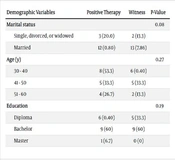
Radmehr S, Jadidi M, Golestanipour M. Effectiveness of Positive Therapy in Emotion Regulation and Distress Tolerance in Patients with Coronary Heart Disease. Zahedan J Res Med Sci. 2024;26(2):e142671. doi: https://doi.org/10.5812/zjrms-142671
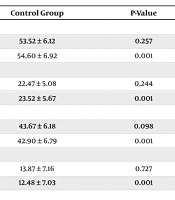
Moradpour A, Bavi S. The Effectiveness of Emotional Schema Therapy on Academic Self-efficacy, Test Anxiety, Distress Tolerance, and Academic Resilience in Students with Test Anxiety. Educ Res Med Sci. 2025;14(1):e160978. doi: https://doi.org/10.5812/ermsj-160978
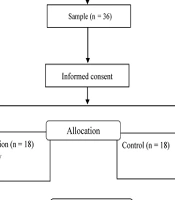
Mousavi S, Heidari A, Safarzadeh S, Asgari P, Talebzadeh Shoushtari M. The Efficacy of Metacognitive Therapy on Social Avoidance and Distress, and Academic Persistence Among Students with Exam Anxiety. Educ Res Med Sci. 2024;13(2):e154119. doi: https://doi.org/10.5812/ermsj-154119
Jalalabadi E, Rahimi S, Taheri I, Ramezani M, Matourypour P. Investigating the Effect of Stress Inoculation Training on the Emotional Adjustment of Male Junior High School Students: A Quasi-experimental Study. Iran J Psychiatry Behav Sci. 2025;19(4):e160142. doi: https://doi.org/10.5812/ijpbs-160142
Sayafi S, Sotodeh Asl N, Ebrahimi Varkiani M. Effectiveness of Acceptance and Commitment Therapy and Positive Psychotherapy on Emotional Self-Regulation of Women With Coronary Heart Disease. J Inflamm Dis. 2024;24(6):e156253. doi:
Last Update: 2 weeks ago
Last Update: 2 weeks ago
Last Update: 2 weeks ago
Last Update: 19 hours ago