Full Text
Full text is available in PDF
Authors
Effective control of postoperative pain remains one of the most important and pressing issues in the field of surgery and has a significant impact on our health care system. In too many patients, pain is treated inadequately, causing them needless suffering and they can develop complications as an indirect consequence of pain. Analgesic modalities, if properly applied, can prevent or at least minimize this needless suffering and these complications.
The aim of this study was to compare the efficacy of continuous infusions of local anesthetic drugs by paravertebral and epidural routes in controlling postoperative pain in patients undergoing hip surgeries.
The study involved 60 patients who were undergoing hip surgery under the subarachnoid block. They were randomly divided into 2 groups of 30 patients. Group I (paravertebral group) received a single dose of spinal anesthesia with 2.5 mL 0.5% bupivacaine (heavy) + a continuous infusion of 0.125% bupivacaine at 5 mL/h in the paravertebral space. Group II (epidural group) received a single dose of spinal anesthesia with 0.5% bupivacaine (heavy) + a continuous infusion of 0.125% bupivacaine at a rate of 5 mL/hr in the epidural space for 48 hours in the postoperative period. Visual analogue scale (VAS) score, vital statistics, rescue analgesia, and procedure time were compared with the corresponding times between the 2 groups by students t-test and repeated measures ANOVA with post hoc Bonferroni. P < 0.05 was considered significant. There were no statistically significant differences between the 2 groups regarding mean pain score in the first 48 hours.
Mean arterial pressure was significantly lower in the epidural group compared with the paravertebral group from 2 hours after start of the infusion until 48 hrs. Regional anesthesia procedure time was significantly longer in the epidural group (P < 0.001). There was no significant difference between the 2 groups regarding frequency of postoperative complications and catheter-related problems.
The results of our study indicate that for patients who are scheduled for hip surgery, both continuous paravertebral and continuous epidural analgesia are effective in controlling postoperative pain but that the former has several crucial advantages.
© 2011, Author(s). The Author(s) retain copyright in the Article. Upon acceptance, the Author(s) grant Brieflands the non-exclusive right of first publication and a worldwide, perpetual, royalty-free, non-exclusive license to copyedit, format, publish, reproduce, distribute, display, preserve, archive, index, promote, and make the Version of Record available in all formats and media. Brieflands and the relevant journal will be identified as the original publisher of the Version of Record. The Article will be published under the [Creative Commons Attribution 4.0 International License (CC BY 4.0)](https://creativecommons.org/licenses/by/4.0/). The Author(s) may immediately deposit and share the Version of Record in any repository or platform. No separate permission or fee is required for uses permitted under CC BY 4.0. CCC may provide optional customized reprint services.
Jafari-Javid M, Heshmati F, Agdashi M, Mahoori A, Noroozinia H, et al. Evaluation of the effect of added fentanyl to hyperbaric bupivacaine for spinal anesthesia. Zahedan J Res Med Sci. 2011;12(5):e94222. doi:

JN S, BC P, Savitha LM, Kalaburgi RA. Comparison of Epidural Bupivacaine and Buprenorphine to Bupivacaine and Butorphanol for Postoperative Analgesia in Lower Limb Orthopedic Surgery. Anesth Pain Med. 2023;13(2):e132686. doi: https://doi.org/10.5812/aapm-132686
Moslemi F, Rasooli S, Baybordi A, Golzari SE. A Comparison of Patient Controlled Epidural Analgesia With Intravenous Patient Controlled Analgesia for Postoperative Pain Management After Major Gynecologic Oncologic Surgeries: A Randomized Controlled Clinical Trial. Anesth Pain Med. 2015;5(5):e29540. doi: https://doi.org/10.5812/aapm.29540
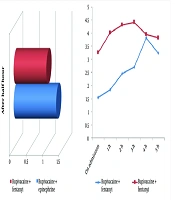
Hammod HA, Pestehei SK, Malek M, Shamsi A, Montaseri A. Comparison of Spinal Anesthesia Bupivacaine Plus Epinephrine and Spinal Anesthesia Bupivacaine Plus, Fentanyl in the Duration of Anesthesia, Complications, and Hemodynamic Changes. Arch Neurosci. 2025;12(3):e163729. doi: https://doi.org/10.5812/ans-163729

Gousheh M, Akhondzadeh R, Rashidi M, Olapour A, Moftakhar F. Comparison of Dexmedetomidine and Morphine as Adjuvants to Bupivacaine for Epidural Anesthesia in Leg Fracture Surgery: A Randomized Clinical Trial. Anesth Pain Med. 2019;9(4):e91480. doi: https://doi.org/10.5812/aapm.91480
Last Update: 2 weeks ago
Last Update: 2 weeks ago
Last Update: 2 weeks ago
Last Update: 9 hours ago
Last Update: 9 hours ago
Last Update: 5 days ago