1. Context
Diabetes mellitus (DM) is a chronic endocrine disorder characterized by hyperglycemia resulting from defects in insulin secretion, insulin action, or both. Historically, DM was observed predominantly in high-income Western countries; however, it has become a global public health challenge, with prevalence increasing rapidly worldwide. Diabetes imposes a substantial burden on individuals and healthcare systems through a wide range of complications, increased mortality, and long-term disability. Effective prevention, management, and control of diabetes are global health priorities. Patient education is essential because self-care behaviors are critical for preventing complications and improving quality of life. Recent studies have also highlighted the role of artificial intelligence and mobile health technologies in supporting the early detection of diabetic complications, particularly in underserved populations, further emphasizing the growing importance of AI-driven approaches in diabetes care (1).
Recent advances in artificial intelligence (AI) have provided innovative tools to improve diabetes patient education and self-management. AI-based technologies can support personalized, evidence-based, and accessible educational programs and help patients adopt and sustain self-care behaviors. Integrating AI into diabetes education offers a promising strategy for addressing the growing global burden of this chronic disease. Artificial intelligence, a branch of computer science, aims to simulate human cognitive functions such as learning, reasoning, and problem-solving. Advances in machine learning and deep learning have substantially expanded the applications of AI in healthcare. In medicine, AI can support early disease assessment, clinical decision-making, treatment optimization, and the prediction of medication responses through large-scale data analysis, while also raising concerns regarding accuracy, reliability, transparency, and ethical responsibility (2).
According to their purpose in diabetes care, AI-based educational tools can be categorized into four domains: 1) large language models (LLMs) as knowledge-generating and reasoning systems; 2) chatbots that provide interactive education and support; 3) mobile-based personal health applications (PHAs) designed for self-monitoring; and 4) anthropomorphic virtual assistants that emphasize relational, long-term interaction. Effective self-management is critical for reducing the risk of chronic diabetes-related complications (3). Therefore, diabetes education should be individualized and patient-centered, accounting for differences in personal needs, goals, cultural contexts, and life experiences (3). Studies show that educational interventions improve clinical outcomes and reduce healthcare costs associated with diabetes management (4).
This narrative review examines the role of artificial intelligence in diabetes patient education by synthesizing evidence across different AI modalities. It aims to facilitate evidence-based clinical decision-making and guide professional practice by bridging technological innovation and clinical care to enhance diabetes education and self-management for patients and healthcare professionals.
2. Evidence Acquisition
This study was conducted as a narrative review to provide an integrative and interpretive overview of existing evidence on the application of artificial intelligence (AI) in diabetes patient education. A narrative review approach was intentionally selected to allow the inclusion of heterogeneous study designs, emerging AI-driven educational technologies, and qualitative studies. Unlike a systematic review, the aim was not to identify all available evidence but to synthesize and interpret key themes and trends across relevant studies in the field.
To enhance transparency and rigor in literature selection, structured search strategies and predefined inclusion and exclusion criteria were used, together with PRISMA-informed documentation of the selection process. These elements were used to improve clarity and systematic documentation and do not imply that this study was a systematic review.
A literature search was performed across PubMed, Scopus, Web of Science, and Springer and was supplemented by Google Scholar. In Google Scholar, results were sorted by relevance and time, and only the first 200 records were evaluated to reduce the likelihood of incorporating non-peer-reviewed or low-quality materials. The final literature search was conducted in September 2025.
Articles published between 2015 and 2025 were considered eligible, reflecting the rapid advancement of AI technologies in healthcare and patient education over the past decade. Publications from 2025 included peer-reviewed articles available online at the time of the search. The search strategy employed combinations of the following keywords: “Artificial Intelligence,” “Self-management,” “Chatbot,” “Mobile Application,” “Patient Education,” and “Diabetes.” Boolean operators (“And,” “Or”) were applied, and search syntax was adapted to the specific requirements of each database to enhance retrieval precision.
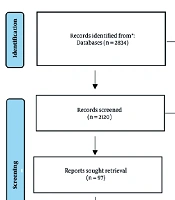
The initial search identified 500 records. After duplicate removal using reference management software, records were independently screened by two researchers (H.H. and A.N.) based on titles, abstracts, and keywords. Full-text articles deemed potentially eligible were subsequently reviewed. Disagreements between researchers were resolved through discussion; when necessary, decisions were guided by the aim of the review and the relevance of the study to AI-based diabetes patient education. Studies were included if they examined AI-based tools applied to diabetes patient education or self-management and were published as quantitative, qualitative, mixed-methods, review, or applied research articles in peer-reviewed journals in either English or Persian. Exclusion criteria included studies focusing on diseases other than diabetes; AI applications limited to prediction, diagnosis, or treatment without an educational or self-management component; AI interventions unrelated to diabetes self-management; theoretical or opinion-based papers lacking experimental evidence; non-scientific publications; letters to the editor; conference abstracts without full-text availability; and publications in languages other than English or Persian.
The initial search identified 500 records. After duplicate removal, 426 records remained for title and abstract screening. Of these, 321 records were excluded due to irrelevance to the review topic, leaving 105 articles for full-text assessment. Full texts of 82 articles were accessible, of which 19 were excluded for the following reasons: language other than English or Persian (n = 5), insufficient empirical data (n = 6), lack of direct focus on patient education (n = 4), and theoretical or opinion-based papers without experimental evidence (n = 4). Ultimately, 63 articles met the inclusion criteria and were included in this narrative review. The article selection process was conducted independently by two researchers (H.H. and A.N.), with disagreements resolved through discussion.
Most studies included in this review were conducted in technologically advanced countries. Therefore, the applicability of these findings to low- and middle-income countries remains uncertain. Limited digital infrastructure, lower internet accessibility, language barriers, and reduced digital health literacy may hinder implementation. Future research should specifically evaluate AI-based educational interventions in resource-constrained settings.
A total of 63 articles were included in this study. The analysis prioritized conceptual contributions and practical implications rather than comparative effect estimation. A qualitative thematic synthesis approach was used to analyze the studies. Relevant data were compared and grouped to identify recurring patterns, concepts, and themes related to the role of AI in diabetes patient education. Themes were refined through repeated review and discussion, and findings were compared and integrated to develop a comprehensive understanding of current applications, benefits, and challenges of AI-based educational interventions in diabetes care.
Several limitations should be acknowledged. As a narrative review, this study is inherently subject to potential selection and interpretive bias. The predominance of studies conducted in developed countries may limit the generalizability of findings to low- and middle-income countries. Furthermore, the rapid pace of AI innovation may render some findings time-sensitive and may influence the reported effectiveness of AI-based interventions. As this study involved secondary analysis of previously published data without direct patient involvement, ethical approval was not required; nevertheless, principles of academic integrity, transparency, and appropriate citation were observed.
Formal quality appraisal or risk-of-bias assessment was not conducted because the aim of this review was to provide a broad overview of emerging AI applications in diabetes education rather than evaluate intervention effectiveness. Consequently, the strength of evidence across studies varies considerably, and conclusions should be interpreted accordingly.
The study selection process was documented using PRISMA-informed procedures. The research question was formulated using the PICO framework (Population/Problem, Intervention, Comparison, Outcome):
P (Population): Individuals with diabetes
I (Intervention): Artificial intelligence technologies
C (Comparison): Conventional methods
O (Outcome): Improvement in self-management skills
3. Results
3.1. Large Language Models
The reviewed studies indicated insufficient knowledge of diabetes management among both healthcare providers and patients, suggesting that large language models (LLMs) may represent a potential solution to this challenge (5). The use of LLMs to educate healthcare providers and patients has shown potential to improve diabetes management (5). LLMs may transform diabetes education and assessment by providing accurate and accessible information (5). General practitioners have demonstrated a positive attitude toward the use of LLMs in diabetes education, and engagement with these models has been effective in enhancing physicians’ knowledge related to diabetes management. LLMs show a strong capacity to deliver scientific explanations and play an important role in improving both the accuracy and quality of responses. LLMs may contribute to professional guidance in primary care and daily diabetes management through three main mechanisms: generating high-quality, interactive, and human-like text (6); providing access to extensive clinical and medical knowledge (7); and supporting patient care processes (8).
Recently, LLMs in China, such as Baidu ERNIE Bot and Alibaba Tongyi Qianwen, have demonstrated strong performance in responding effectively to a wide range of queries. In addition, notable medical-oriented LLMs, including HuatuoGPT (9) and MedGPT (10), have also emerged in China. Different LLMs may improve diabetes care and education by enhancing efficiency in medical consultations in both English and Chinese (11). Most LLMs have demonstrated a broad knowledge base and strong reasoning abilities when responding to diabetes-related questions. LLMs such as ChatGPT-4.0 and Alibaba Tongyi Qianwen have achieved excellent performance in diabetes-related assessments, indicating potential for diabetes patient education (5). Furthermore, ChatGPT-4.0 outperformed comparable models in both the NCE-CPDC examination and the endocrinology and diabetes section of the MRCP (UK) specialty examination (5). These models may play an effective role in delivering personalized medical advice to patients. The use of language models can assist patients in need of education by providing accurate and up-to-date information on diabetes management (12), and LLMs are particularly valuable for simulating clinical scenarios and supporting the education of both physicians and patients in diabetes care.
LLMs worldwide, particularly those developed in China, have advanced rapidly (13); however, relatively few studies have evaluated their performance in medical contexts (5). The development of a dedicated diabetes-specific knowledge base for training LLMs is therefore essential to enhance model performance, as misleading responses or hallucinations remain a concern that should not be overlooked (5). Additionally, LLMs have demonstrated higher error rates when responding to multiple-choice questions and case-based analyses than when responding to single-choice questions. Continuous improvement and rigorous validation are necessary to ensure that these applications appropriately support health goals (5).
Levels of self-care knowledge differ between caregivers and patients (14), and the application of LLMs in diabetes education represents a shift toward more personalized, comprehensive, and accessible care for individuals living with diabetes (5). Despite their potential, LLMs remain limited by hallucinations, outdated knowledge, lack of explainability, and inconsistent clinical accuracy (5, 12). Their performance may vary according to language, prompt structure, and clinical complexity. Consequently, LLM-generated recommendations should not replace professional clinical judgment.
3.2. Chatbots
Several studies have focused on the effectiveness of chatbots in diabetes management. During the COVID-19 pandemic, Mash et al. evaluated the performance of the “GREAT4Diabetes” chatbot on WhatsApp. Their findings showed that the chatbot significantly increased patient engagement and improved self-care management among patients with diabetes. Moreover, use of the chatbot reduced in-person clinical visits, thereby enhancing patient safety while maintaining the quality of healthcare service delivery (15).
In 2023, an educational chatbot specifically designed for individuals with type 2 diabetes was evaluated, and the results indicated improvements in patient knowledge, clinical self-care information, disease management, patient engagement, and psychological well-being (16).
Similarly, in a study by Magee et al. (17), patient satisfaction with chatbot-based interventions was assessed, and chatbot use was reported to contribute to improvements in HbA1c levels and patient self-confidence.
In a review of eleven studies, Hani and Saleh (18) confirmed the role of information technology (IT) in supporting diabetes self-management through natural language processing (NLP)-based approaches. These approaches included a semi-automated interactive system that analyzed patient-submitted messages related to lifestyle behaviors, physical activity levels, and nutritional content, thereby supporting self-management processes and patient-centered care.
Rojas-López et al. (19) compared the performance of a chatbot with that of physicians in managing blood glucose levels among hospitalized patients with type 2 diabetes and reported comparable effectiveness. This finding indicates that chatbots may also play a supportive role in the care of patients with diabetes.
Despite these advantages, several significant challenges remain. Accuracy is among the most critical concerns, as there is a potential risk of providing incorrect or clinically inconsistent information, which may lead to inappropriate patient decision-making. Additionally, variations in media literacy and access to technology may limit effective chatbot use in certain population groups. Furthermore, the lack of emotional intelligence in chatbots is a major limitation for their application in diabetes self-care. Integration with other healthcare systems should also be prioritized to ensure that chatbots function as complementary tools rather than replacements for traditional care. Concerns related to data privacy and security pose additional challenges, as some patients may be reluctant to share sensitive health information through chatbot platforms. Finally, to enhance the quality of service delivery, patients must be adequately educated on the effective use of chatbots to improve patient-reported outcomes. These challenges highlight the need for careful implementation, continuous monitoring, and integration with professional healthcare services to ensure patient safety and optimal outcomes (17, 18).
3.3. Mobile Applications
Global diabetes-related health expenditure was approximately USD 465.3 billion in 2011 (20). Mobile personal health applications (PHAs) have the potential to address this need; however, much of the existing evidence regarding PHAs is based on desktop computers and television-based systems rather than mobile devices (21). Technological advances have provided a wide range of options for both hardware and software development in this area (22). Research indicates that the development of mobile applications aimed at supporting diabetes self-management is steadily increasing. Mobile devices offer an appropriate and cost-effective platform for developing diabetes-related PHAs, as they can be integrated into users’ daily lives (23).
Effective self-management of chronic diseases requires a focus on key parameters such as diet, physical activity, blood glucose levels, and medication use (24). Accordingly, PHA programs must be designed to be appropriate for users and should employ techniques that enable continuous health status reporting and improvements in clinical outcomes (25). Application design should also allow large-scale implementation and be socially cost-effective. Despite the growing number of diabetes applications, relatively few studies have identified which specific app features provide the greatest benefits to users (25).
A research group has been developing mobile PHAs for diabetes since 2001 (25). These applications were designed with active involvement from users, and their effects on self-management behaviors were systematically evaluated (25). The Few Touch Application (FTA) includes, as its core component, a mobile diabetes diary that allows data entry both manually and through automatic data transfer. By providing personalized feedback, the application enables patients to assess their progress toward achieving health-related goals (25). The research team developed ten different features for the FTA on smartphones with Bluetooth and touch-screen interfaces (25). For example, in response to the significant challenges faced by children with type 1 diabetes and their parents in monitoring and regulating blood glucose levels, a system was designed to automatically transfer blood glucose data from the child’s glucose monitor to the parents’ mobile phones. A custom Bluetooth adapter was used to facilitate automatic data transmission, enabling the child’s phone to send messages, such as blood glucose results, via SMS to the parents’ phone without requiring user interaction, provided the devices were within a 10-meter Bluetooth range (26).
This system was tested among 15 children aged 9 - 15 years and their parents (26). Parents suggested additional features, including notifications for irregular insulin dosing and automated dietary and insulin dose recommendations (26). An educational SMS-based system for parents of children with type 1 diabetes was also evaluated (26). A total of 74 diabetes-related SMS messages were developed and categorized into seven groups: definition of diabetes, blood glucose, insulin, nutrition, physical activity, illness, and rights at school. These messages were delivered over time, with parents selecting the type of message by sending predefined keywords (27). Eleven parents received messages over an 11-week period and evaluated the SMS system positively. They emphasized the beneficial impact of reminder messages on daily life, particularly during the early stages of diagnosis; however, the identified design limitations included excessive message frequency, delivery at inappropriate times, and the inability to store messages for later reference (25).
A mobile-based system (mobile diary) was also designed to support lifestyle modification among individuals with type 2 diabetes and was tested with 12 patients (28). The system included a blood glucose monitor connected via a Bluetooth adapter, a personal pedometer, manual dietary logging, and an educational module providing practical tips. Data from the pedometer and glucose monitor were automatically transferred to the smartphone, while dietary information was manually entered by users. A touch-based interface was used to access all system components. A six-month field study demonstrated good usability and high user acceptance (28). The mobile diary encouraged patients to reflect on improvements in their health status and to record and analyze personal disease-related information.
A study examining the combination of patient mobile diaries with electronic health record systems was conducted, in which three out of four hospitals evaluated receipt of blood glucose data from patients’ mobile diaries positively. The fourth hospital emphasized that blood glucose data without complementary information, such as dietary intake and physical activity, were of limited value and noted that nurses preferred manually entered data with clear documentation of date, time, and values. Nonetheless, the visualization of data through charts and graphs was also considered beneficial (29).
Although patients with diabetes typically share their FTA data with healthcare providers, the diabetes diary version for type 2 diabetes is currently being evaluated in a randomized controlled trial involving approximately 150 patients (29).
The aim of these studies is to investigate how such applications can be integrated into primary care services. In the version designed for type 1 diabetes, in addition to blood glucose logging, the application supports easy recording of insulin injections and dietary intake, as well as the ability to add comments and receive feedback (28). In a study involving 30 patients with type 1 diabetes who used the application for three to six months, most users reported that the tool was highly suitable for daily use. Blood glucose logging was identified as the most popular feature, dietary logging was commonly performed, while the personalized goal-setting feature was less frequently used by patients (25). Although mobile devices enable the collection of blood glucose data and related physiological parameters, these data are often used only for immediate review. In contrast, providing data-driven feedback to patients may support a better understanding of blood glucose patterns (25).
One important and challenging element in application development is context sensitivity (28). Context-sensitivity functionality can enhance application usability, particularly when patients are required to use multiple devices and routines (28). Mobile applications facilitate easier data entry and automatic data transfer, while visual, graphical, and motivational feedback enhances patient engagement and improves adherence to self-care behaviors (25). These applications can provide nutritional data, compare food items, and offer alternative dietary suggestions. Additionally, through blood glucose analysis capabilities, they play a positive role in identifying daily glucose patterns (25).
User involvement in the design of mobile applications has led to the development of tools that better align with patients’ daily lives and real-world needs (25). Access to mobile phone features such as microphones, cameras, calendars, and step counters enables applications to function more effectively and interact with patients at appropriate times (25). However, limitations in accurate data recording, such as approximate dietary logging, can affect the performance of predictive tools. Furthermore, many diabetes-related devices still lack compatibility with mobile platforms or automatic data transfer capabilities (25). Many studies have reported limited use of mobile applications to simplify patient–physician communication, which may delay their formal integration into healthcare systems. Additional challenges include low digital health literacy, difficulties in using technology, and resistance to adopting new tools (25).
3.4. Anthropomorphic Virtual Assistants
Inadequate long-term glycemic control leads to serious complications such as cardiovascular disease, neuropathy, nephropathy, and retinopathy. In addition to their clinical consequences, these complications impose an economic burden on healthcare systems. Information technologies (IT), including anthropomorphic virtual assistants (AVA), are considered promising tools for diabetes management and patient education in self-care. IT offers a promising approach for diabetes self-management and care delivery (30).
Shaked (20) confirmed the importance of virtual assistants in healthcare and the role of machine learning in enabling interactions with older adults. Projects such as VASelfCare aim to develop virtual assistant software to support diabetes self-care, particularly among older adults with type 2 diabetes (31). These innovations focus on developing relational agents (RAs) to assist in diabetes management. Relational agents, which can establish long-term relationships with users, are particularly suitable for older adults (20). However, the application of relational agents in diabetes care, particularly for type 2 diabetes, has remained limited (31). One exception was an Australian study that employed an intelligent lifestyle coach for type 2 diabetes; however, no data regarding usability or effectiveness were reported. Additionally, a study currently underway in the United States is examining the use of a relational agent as a health coach for teenagers with type 1 diabetes and their parents (32).
The VASelfCare program focuses on improving medication use and promoting lifestyle changes, including physical activity and dietary behaviors. The virtual assistant in this program, named Vitória, is an anthropomorphic agent (31). The design of the relational agent Vitória aimed to enhance long-term engagement and increase usability for individuals with low health literacy (33), and it was developed based on usability principles tailored for older adults (34).
Upon entering the application, users are presented with a three-dimensional living room scenario. This 3D environment dynamically changes according to the conversation topic, time of day, and season of the year. After clicking “Enter,” users access the main menu, which provides the option to interact with Vitória through dialogue. Vitória communicates with users verbally via synthetic speech and nonverbally through facial expressions and body movements. Users interact with the system using buttons or by entering data, such as medication intake. Entered data are displayed to users through graphical and visual representations.
Initial interactions are designed to collect users’ personal data to enable personalized interventions (Evaluation Phase). In the subsequent phase, interventions are delivered based on users’ behavior changes and individual characteristics (Follow-up Phase) (31).
Daily interactions are designed step by step according to structures proposed in previous studies (35). The interaction structure in the evaluation phase consists of six stages: initiation, socialization and conversation, assessment, feedback, pre-conclusion, and conclusion. Socialization and conversation help assess users’ physical and emotional states. During the assessment stage, information about key variables, such as users’ knowledge of antidiabetic medications, is collected. The feedback stage reviews users’ previous responses, and before conclusion, the content of the next interaction phase is explained to the user (31).
In the follow-up phase, a rule-based system was implemented to make conversations more natural, flexible, and adaptable. Daily interactions during this phase include eight stages: initiation, social dialogue, review of tasks, assessment, counseling, task setting, pre-closing session, and closing session. The task-review stage evaluates previously agreed-upon tasks, while during the counseling stage, users receive educational guidance to achieve predefined goals (31). In the task-setting stage, new goals and tasks are interactively defined with Vitória (31).
The Behavior Change Wheel (BCW), a comprehensive and evidence-based theoretical framework for behavior change, was selected to guide the intervention design. This framework is based on the COM-B model, which states that behavior (B) at any given moment is influenced by capability (C), opportunity (O), and motivation (M) (31). Behavioral analysis using the COM-B model enables the identification of key factors that must be addressed to achieve behavior change. The BCW framework also includes the selection of functions and behavior change techniques (BCTs) that facilitate behavioral modification (31). Examples of these techniques include self-monitoring during the task review stage. Educational topics, such as the consequences of behaviors, are also incorporated as part of the BCTs (36).
During the assessment stage, visual tools, such as medication intake calendars, are used to provide behavioral feedback. In the counseling stage, problem-solving techniques are applied to address barriers to adherence. The communication style adopted in dialogue design follows a helpful–cooperative approach (37).
The application includes six additional views: main menu, data entry, my diary, my data, information, and about the application. The main menu consists of multiple sections, each linked to a specific application view. In the My Diary view, users can create their weekly schedules. The diary automatically suggests meal times and recommendations, and users can add, remove, or edit activities. In the My Data section, users can view information such as prescribed antidiabetic medications, physical measurements (e.g., body mass index charts), and recorded personal data. These data are presented using graphical formats similar to those displayed during daily interactions (31).
The educational information view includes content related to diabetes, nutrition, physical activity, and antidiabetic medications. The data entry view allows users to enter information such as daily step counts or blood glucose levels. The application provides automated feedback based on entered data, including alerts for abnormal blood glucose values. For example, when blood glucose levels fall below 70 mg/dL, the system offers guidance for managing hypoglycemia. Finally, the About view provides information regarding application development, security measures, and privacy policies (31).
Virtual assistant systems such as VASelfCare, through the use of anthropomorphic virtual assistants, enable the delivery of personalized interactions based on the knowledge, preferences, and individual needs of older adults with diabetes. The system demonstrates high flexibility tailored to users’ conditions and offers additional advantages, including facial emotion recognition, mood monitoring, adaptive interaction to improve psychological well-being, immediate feedback on medication adherence and physical activity, and targeted educational content. Furthermore, multimodal interaction and offline usability facilitate a positive user experience and improved accessibility (31).
Nevertheless, the design and development of such systems are complex and require substantial technical and financial resources. The accuracy of emotion-recognition systems and the robustness of learning components may be limited, and successful interaction depends on active user engagement. Technical constraints, reliance on internet connectivity for certain services, and the need for clinical trials to assess long-term effectiveness remain among the most significant challenges.
3.5. Comparative Summary and Discussion
Across the reviewed literature, the effectiveness of AI interventions appeared to depend less on the specific technology used and more on the degree of personalization, feedback provision, and sustained user engagement. Interventions incorporating individualized feedback consistently demonstrated more favorable outcomes than generic educational approaches. However, the evidence remains heterogeneous, and direct comparisons between AI modalities are limited.
The four categories of AI technologies reviewed differ substantially in their primary functions, interaction modalities, and implementation requirements. LLMs excel at generating scientific content and answering complex queries but require careful supervision due to hallucination risks. Chatbots offer accessible conversational education but lack emotional intelligence. Mobile applications provide practical self-monitoring tools but face interoperability challenges. Anthropomorphic virtual assistants enable long-term relationship building but are technically complex and costly to develop. The choice of technology should therefore depend on the specific educational objectives, target population, available resources, and clinical context.
Several studies have demonstrated that artificial intelligence (AI) can identify factors that contribute to the development of diabetes self-care by using electronic health data, enabling models to predict the likelihood of diabetes-related complications and to deliver better care (38, 39). More recently, algorithms have been developed to predict the onset and progression of chronic kidney disease (40). In the field of diabetic retinopathy, specialists have reported comparable performance, with AI systems achieving diagnostic accuracy similar to that of experts in detecting diabetic retinopathy, neuropathy, and diabetic foot ulcers. Notably, AI models have been able to assess the severity of diabetic foot ulcers with an accuracy of 95.08% (41-43).
These findings are consistent with the results of the present review, which indicate that AI technologies, including large language models, chatbots, anthropomorphic virtual assistants, and mobile health applications, play a significant role in enhancing patient education, diabetes self-management, and the diagnosis and treatment of diabetes.
AI not only enables the personalization of treatment and prevention strategies based on individual patient characteristics, but also supports precision medicine approaches (44). Furthermore, AI-based technologies, owing to lower treatment costs and broader coverage, have the potential to improve patients’ access to diabetes-related education. However, according to the results of this review, individuals living in underserved regions and those with lower socioeconomic status may be less able to benefit from these interventions due to financial constraints and lower levels of digital literacy.
AI-driven knowledge-based and predictive systems can support physicians by analyzing large amounts of data and enhancing personalized decision-making. Additionally, reducing the time physicians spend on repetitive tasks and increasing opportunities for patient interaction are among the key advantages of these technologies (44). The present review also identified a knowledge gap among patients and even among some healthcare providers regarding fundamental principles of diabetes management. LLMs represent a powerful tool to address this gap.
Models such as ChatGPT-4.0, TongyiQianwen, ERNIE Bot, and medical bots such as HuatuoGPT have demonstrated strong performance in endocrinology and diabetes-related examinations, providing accurate, comprehensible, and clinically relevant responses. In this respect, findings related to these systems are consistent with those of the present review. However, analyses of the included studies indicate that these technologies also have important limitations. The generation of inaccurate information, particularly when addressing complex questions or multi-option clinical scenarios, represents a significant challenge that may have serious consequences for patient safety. Moreover, there is a lack of studies capable of evaluating the real-world clinical performance of these systems; therefore, findings related to this category of technologies are, in this respect, not fully consistent with the conclusions of the present review. Physicians and healthcare providers have generally expressed positive attitudes toward the use of AI in treatment and care, reflecting high acceptability and usability in educational, clinical, and medical domains. However, some physicians may perceive AI as a diagnostic competitor (45). The absence of clear regulations regarding liability for medical errors involving AI may also lead to legal challenges (46). Concerns related to data privacy represent one of the primary barriers to the adoption of AI in medicine, as there is a risk of accidental disclosure of medical records or cyberattacks targeting healthcare systems (47).
The reviewed studies demonstrated that chatbots significantly enhance patient engagement and strengthen self-care behaviors, including blood glucose monitoring, medication use, and adherence to healthy lifestyle practices. Findings from larger studies suggest that chatbots can reduce in-person visits, increase patient self-confidence in disease management, and even perform comparably with physicians in certain clinical decision-making contexts. However, chatbots lack emotional intelligence, which may negatively affect interactions with vulnerable or highly stressed patients. Other findings indicate that most individuals have limited awareness of the clinical applications of AI, and patients are generally more willing to accept AI-based interventions when they are endorsed by their physicians (48). Some patients perceive potential AI errors as more frightening than human errors. In addition, cyberattacks targeting health data systems may pose life-threatening risks, as the extraction of personal identities from genetic data or facial recognition technologies becomes increasingly viable, constituting a serious threat (47, 49, 50).
One of the most promising areas in this field is the development of virtual assistants aimed at establishing long-term, personalized interactions with patients, particularly older adults. These assistants employ behavior change principles and provide tasks and feedback that can enhance patient motivation and improve medication adherence. Moreover, results from other studies indicate that AI is increasingly being used to develop predictive models that estimate the risk of diabetes and related complications, thereby enabling more personalized approaches to diabetes management.
3.6. Strength of Evidence and Risk of Bias
The included studies varied substantially in design, sample size, intervention type, and outcome measures. Many studies were pilot investigations, feasibility studies, or descriptive reports with relatively small samples. Therefore, the overall certainty of evidence remains limited. Furthermore, publication bias may have contributed to an overrepresentation of positive findings, while unsuccessful interventions and negative results were less frequently reported.
Overall, the analysis of these findings suggests that AI, by enabling personalized education, enhancing patient engagement, facilitating data monitoring, and providing immediate feedback, can play a critical role in diabetes management. Nevertheless, challenges related to accuracy, data security, digital literacy, and the lack of robust clinical evaluations must be addressed to ensure the safe and effective implementation of these technologies.
4. Conclusions
The present review demonstrated that a wide range of digital technologies, including large language models (LLMs), chatbots, anthropomorphic virtual assistants (AVAs), and mobile-based personal health applications, has substantial potential to enhance diabetes education, improve self-care behaviors, and reduce the burden on healthcare systems. Large language models, with their ability to understand natural language, generate scientific content, simulate clinical scenarios, and deliver interactive responses, can address existing knowledge gaps among patients and even general practitioners in the field of diabetes. Evidence indicates that these models have demonstrated acceptable performance in medical specialty examinations and can serve as valuable tools for both professional and public education. The rapid growth of LLMs in China has created opportunities to deliver education in local languages; however, challenges such as informational hallucinations and the need for dedicated domain-specific knowledge bases remain significant concerns. Chatbots can provide conversational education, daily follow-up, self-care feedback, and access via widely used platforms, with reported improvements in glycemic control, patient engagement, and patient confidence. Despite concerns regarding response accuracy, limited digital literacy, lack of emotional intelligence, and security issues, the role of these technologies as complementary tools to traditional care is becoming increasingly established.
Anthropomorphic virtual assistants, such as the Vitória system within the VASelfCare program, enable the delivery of structured, motivational, and long-term education through relationship-oriented design, personalization, and multimodal interaction. The emphasis on behavior change, guided by validated frameworks such as the Behavior Change Wheel (BCW) and evidence-based behavioral techniques, further strengthens the effectiveness of these systems. Nevertheless, the development of such technologies is technically complex and requires long-term evaluation and continuous improvement of the accuracy of emotion recognition algorithms.
Mobile-based personal health applications also represent accessible, cost-effective tools that can be integrated into patients’ daily lives. Through automatic data transfer, real-time feedback, blood glucose pattern analysis, and practical education, these applications can support patients in managing key behaviors such as nutrition, physical activity, medication adherence, and glucose monitoring. The integration of technologies such as Bluetooth, SMS, and wearable sensors enhances patient engagement and facilitates data recording. However, limitations related to data accuracy, incomplete device interoperability, variations in digital literacy, and the lack of evidence regarding integration into primary care systems remain important challenges.
4.1. Ethical, Regulatory, and Safety Considerations
The increasing use of AI in diabetes education raises several ethical and regulatory concerns. Hallucinations generated by large language models may lead to inaccurate or potentially harmful recommendations. Questions regarding accountability remain unresolved when AI-generated advice contributes to adverse outcomes. Transparency and explainability also present important challenges because many AI systems operate as black boxes. Additional concerns include patient privacy, cybersecurity risks, informed consent, and regulatory oversight. Therefore, AI-based educational tools should be implemented under professional supervision and within appropriate regulatory frameworks.
4.2. Implications for Future Research
To fully harness the potential of artificial intelligence technologies in diabetes education and management, future research should address several key directions. Long-term evaluations of AI-based tools are needed to assess clinical and psychological outcomes. The development of domain-specific knowledge bases for AI systems is essential to improve accuracy, safety, and error reduction. Standardized protocols for evaluating response quality, data security, and interaction usability should be developed and tested.
Further studies should examine how these tools can be effectively integrated with electronic health records, primary care services, and care strategies. Given the substantial economic burden of diabetes, comprehensive cost-effectiveness analyses are required to assess the sustainability of these technologies. Future research should also identify interventions that can enhance access for older adults, individuals with low digital literacy, and low-income populations.
In addition, studies should determine which features most strongly influence patient engagement and adherence, and how context sensitivity can be implemented more realistically within these systems. Overall, the integration of artificial intelligence and digital technologies has the potential to transform diabetes education and management from a traditional, static process into a personalized, dynamic, and data-driven approach. With further research and the development of more precise and reliable tools, these technologies are expected to play an increasingly central role in the prevention, control, and rehabilitation of individuals living with diabetes.