Fulltext
Full text is available in pdf
Image Credit:Ann Mil Health Sci Res
Authors
Purpose: To examine the effectiveness of group cognitive-behavioral therapy (CBT) based on schema on impulsiveness of substance abusers in Karaj. Materials and Methods: This study was quasi-experimental with pre-test, post-test and control group. The statistical population of this study consisted of male substance abusers who referred to Addiction Treatment Clinics of Karaj in 2010. The sample of the study consisted of 30 substance abusers who were selected randomly and were assigned into experimental and control groups. To evaluate the participants in pre-test and post-test, Whiteside and Lynam impulsivity questionnaire was used. Participants of experimental group received group CBT for 12 sessions but participants of control group received no interventions. After implementing the post-test, data were analyzed using covariance analysis and SPSS 16software. Results: There were significant differences in impulsivity variables between experimental and control groups after the implementation of CBT (P = 0.05). Conclusion: The findings of this study suggest the importance of group CBT herapy in reducing impulsivity. According to results, group CBT can be a complementary aspect of medical treatment in improving psychological problems associated with addiction.
© 2015, Annals of Military and Health Sciences Research. This open-access article is available under the Creative Commons Attribution-NonCommercial 4.0 (CC BY-NC 4.0) International License (https://creativecommons.org/licenses/by-nc/4.0/), which allows for the copying and redistribution of the material only for noncommercial purposes, provided that the original work is properly cited.
Jafari M, Shahid S, Abedin A. Comparing the effectiveness of Cognitive Behavioral Therapy and Stages of Change Model on Improving Abstinence Self-Efficacy in Iranian Substance Dependent Adolescents. Iran J Psychiatry Behav Sci. 2012;6(2):. doi:
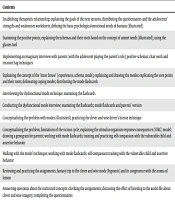
Karimipour A, Asgari P, Makvandi B, Johari Fard R. Effects of Schema Therapy for Children and Adolescents on the Externalizing Behaviors of the Adolescents Referred to the Counseling Centers in Ahvaz, Iran. J Health Rep Technol. 2021;7(4):e118076. doi: https://doi.org/10.5812/ijhls.118076
Dehghani Y, Rajabi S. Effectiveness of Cognitive-Behavior Therapy on Depression and Craving Beliefs of Abusers Under Methadone Maintenance Treatment. Jentashapir J Cell Mol Biol. 2016;7(4):e30491. doi: https://doi.org/10.17795/jjhr-30491
Dortaj F, Shakiba M, Shakiba J. The Effect of Cognitive-Behavioral Group Therapy on Social Coping of Crack Abusers. Zahedan J Res Med Sci. 2013;15(2):e93110. doi:
Mohammadi Arya AR, shirazi M, khanzadeh AAH, Lachinnani F, Yoosefi Joubari F, et al. The Effectiveness of Cognitive-Behavioral Training on Increasing Self-Concept's Measure and the Attitude Style Toward Narcotic Drugs in Tonekabon Addicted Prisoners. Int J High Risk Behav Addict. 2013;2(1):e93557. doi: https://doi.org/10.5812/ijhrba.4335
Last Update: 6 days ago
Last Update: 6 days ago
Last Update: 6 days ago
Last Update: 4 hours ago
Last Update: 7 hours ago
Last Update: 4 days ago