1. Background
Despite increased care and treatment strategies, infections in burn patients remain a concern due to morbidity and mortality (1). Immunodeficiency, burn-wound infections, and inappropriate therapy can lead to microbial invasions (2). Escherichia coli and Klebsiella pneumoniae, normal flora of the gastrointestinal tract, mimic other pathogens and either colonize sterile sites or act as opportunistic pathogens (3, 4), when they find a better niche. Infections caused by these bacteria can be successfully treated with antibiotics, such as quinolones and β-lactams; however, a high prevalence of quinolone resistance in Enterobacteriaceae has been described (5). In E. coli, quinolone resistance is frequently found among strains producing extended-spectrum β-lactamase (ESBL) compared to ESBL-negative strains (6-8). A major concern within hospitals is the spread of ESBL-positive bacteria, which may lead to outbreaks or endemic occurrences. Thus, it is necessary to investigate the prevalence of ESBL-positive strains in hospitals in order to formulate a policy of empirical therapy in high-risk units where infections due to resistant organisms are much more common. The fact that ESBL genes could be acquired by strains harboring particular integrons may enlarge the possibilities for selecting for these isolates with a variety of different antimicrobials. ESBLs feature blaTEM, blaSHV, and blaCTX-M genes (9, 10). Five integron classes related to antibiotic resistance have been described based on the homology of their integrase genes; among the Enterobacteriaceae, class 1 integrons have been correlated with high antimicrobial resistance (11, 12).
2. Objectives
The present study was conducted to report integron-mediated multidrug resistance (MDR) and quinolone resistance in ESBL-producing E. coli and K. pneumoniae isolates.
3. Methods
Bacterial isolates and antibiotic susceptibility testing
This cross-sectional study was conducted on routine and non-duplicate clinical specimens, including samples from blood, wounds, urine, endotracheal tubes, and various bodily fluids. The specimens were sent from burn wards and intensive care units (ICUs) to the Division of Microbiology, Sina hospital of Tabriz, from June to December 2014. The samples were processed for the isolation and identification of E. coli and K. pneumoniae according to phenotypic methods as described elsewhere (13, 14). Wound and urine specimens yielding > 105 colony-forming units (CFUs/mL) were included in this study. Duplicate isolates from the same patient were not included.
Antibiotic susceptibility testing was performed on all isolates using the Kirby-Bauer method as described by the clinical and laboratory standards institute (CLSI) (15) with a panel of the following β-lactam antibiotic discs: cefazolin (CZ) (30 µg), ceftazidime (CAZ) (30 µg), ceftriaxone (CTR) (30 µg), cefepime (CFM) (30 µg), cefotaxime (CTX) (30 µg), and imipenem (IMI) (10 µg). The following non-β-lactam antibiotics were also tested: nalidixic acid (NA) (30 µg), ciprofloxacin (CP) (5 µg), amikacin (AK) (30 µg), gentamicin (GA) (10 µg), trimethoprim-sulfamethoxazole (co-trimoxazole, COT) (1.25/23.75 μg), and ofloxacin (OFL) (10 µg) (Mast Diagnostics, Merseyside, UK).
3.1. Detection of Quinolone Resistance
Quinolone resistance was detected phenotypically with the disc diffusion test described above and confirmed by ciprofloxacin and nalidixic acid E-tests (Liofilchem, Italy). The criterion for ciprofloxacin resistance was a minimal inhibitory concentration (MIC) of ≥ 4 μg/mL, and an MIC of > 32 μg/mL for nalidixic acid, according to the CLSI breakpoint criteria (15). E. coli ATCC 25922 used as a positive control for both the MIC and the disc diffusion tests.
3.2. Detection of ESBL Production
The ESBL phenotypic detection test was performed with the combination disc method, using ceftazidime, cefpodoxime, cefotaxime, aztreonam (30 µg), and ceftriaxone (30 µg) discs (Mast Diagnostics, Merseyside, UK), with the inhibitory effect of clavulanic acid as recommended by the CLSI (15). E. coli ATCC 25922 was used as the ESBL-negative control strain and K. pneumoniae ATCC 700603 was used as the ESBL-positive control strain. ESBL production was confirmed using ceftazidime/ceftazidime plus clavulanic acid (CAZ/CAZCV) ESBL strips (Liofilchem, Italy) according to the manufacturer’s instructions, as CV-clavulanic acid is a β-lactam inhibitor. The results were analyzed based on the decrease in MIC of ceftazidime in the presence of the inhibitor (15).
3.3. Detection of β-Lactamases by PCR
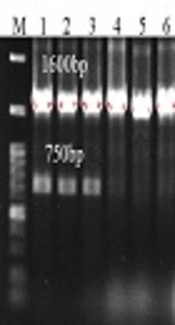
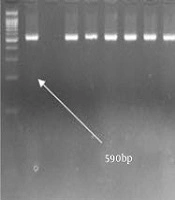
To obtain template DNA, a single colony from each isolate was inoculated overnight in Luria–Bertani broth (16), and the genomic DNA of each isolate was extracted using a Bacterial DNA Kit (Cina Gene Co.). Detection of the bla genes was performed with polymerase chain reaction (PCR) using a panel of specific primers for blaSHV, blaTEM, and blaCTX-M-3, as described previously (17-19). The primers for TEM were (forward) 5’-AGATCAGTTGGGTGCACGAG-3’ (nucleotides (nt) 313 - 332) and (reverse) 5’-TGCTTAATCAGTGAGGCACC-3’ (nt 1061 - 1042). The primers for SHV were (forward) 5’-GGGAAACGGAACTGAATGAG-3’ (nt 606 - 625) and (reverse) 5’-TTAGCGTTGCCAGTGCTCG-3’ (nt 988 - 970). PCR amplification of the allele belonging in the blaCTX-M-3/15/22 group was carried out with primers CTX-M3G-F (5’-GTTACAATGTGTGAGAAGCAG) and CTX-M3G-R (5’-CCGTTTCCGCTATTACAAAC).
The amplification was carried out as uniplex PCR, then cycling conditions were standardized for multiplex PCR as follows: initial denaturation at 94°C for 7 minutes; denaturation at 94°C for 50 seconds, annealing at 50°C for 40 seconds, and elongation at 72°C for 60 seconds, repeated for 35 cycles; and a final extension at 72°C for 5 minutes. PCR was carried out in 25 µL volumes with 30 pmol of each primer, 200 mM of deoxynucleoside triphosphate, 1.5 mM of MgCl2, and 0.5 U of Taq polymerase. PCR products were electrophoresed on 2% gel and analyzed with the UV Gel Documentation System. PCR products were purified using the PCR Preps DNA Purification System (Bioneer, Korea). All bidirectional nucleotide sequencing was performed using the abovementioned PCR primers.
3.4. Detection of Quinolone Resistance by PCR
The gyrA gene was amplified with primers 5’-TTAATGATTGCCGCCGTCGG-3’ and 5’-TACACCGGTCAACATTGAGG-3’ (yielding a 648-bp product) and parC was amplified with primers 5’-AAACCTGTTCAGCGCCGCATT-3’ and 5’-GTGGTGCCGTTAAGCAAA-3’ (yielding a 395-bp product) to amplify the quinolone-resistance-determining region (QRDR) present in all clinical isolates (20, 21).
PCR for gyrA was carried out in volumes of 50 µL containing 2.5 U of Taq polymerase along with standard PCR buffer (10 mM of Tris-HCl, pH 8.3, 50 mM of KCl, 1.5 mM of MgCl2), 200 mM of each dNTP (Ready Master Mix, Pishgam Biotech Co., Iran), and 10 pmol of each primer. The reaction was performed in a thermal cycler programmed for denaturation at 95°C for 7 minutes, and 30 cycles as follows: denaturation at 94°C for 30 seconds, annealing at 65°C for 30 seconds and elongation at 72°C for 2 minutes. The final extension was allowed at 72°C for 5 minutes (21). The amplification for parC was carried out as above but with a slight modification in the PCR reaction: initial denaturation at 93°C for 5 minutes, denaturation at 94°C for 30 seconds, annealing at 55°C for 30 seconds, and elongation at 72°C for 1 minutes, repeated for 35 cycles, followed by a final extension at 72°C for 10 minutes (21). Ten microliters of product was electrophoresed on 2% agarose gel and analyzed with the UV Gel Documentation System. The corresponding specific PCR products were sequenced by Bioneer, Korea.
3.5. Detection of Integrase Genes
The multiplex-PCR method was used to detect class 1, 2, and 3 integrons (yielding PCR products of 475 bp, 789 bp, and 922 bp, respectively). The primers and the PCR protocol utilized in this study were as described previously (22).
3.6. Statistical Analysis
Categorical variables were compared by means of either χ2 analysis or Fisher’s exact test when needed. A 2-tailed P value of < 0.05 was considered significant. All statistical calculations were done using the standard programs in the statistical package for social sciences (SPSS) version 16.
4. Results
4.1. Bacterial Isolates and Antibiotic Susceptibility Testing
The present study was carried out on 71 (52.6%) E. coli and 63 (46.7%) K. pneumoniae isolates from various clinical specimens. The majority of E. coli isolates (n = 50) (70.4%) (compared to 16 K. pneumoniae isolates) were the etiologic agents of urinary tract infections in burn patients, while 26 (41.26%) of K. pneumoniae isolates (compared to nine E. coli isolates) were the core microbial agents of wound infections, a statistically significant association (P < 0.001). The other sources of these isolates were blood (12 E. coli and 19 K. pneumoniae) and endotracheal secretions (n = 2; only K. pneumoniae). No significant difference was observed in the prevalence of these two pathogens isolated from other clinical specimens.
The patterns of resistance to β-lactam and non-β-lactam antimicrobial agents among these isolates are shown in Table 1. Among the β-lactams tested, none of the cephalosporins were found to be effective for both of the organisms. Using the disc diffusion method, the results showed that 88.8% of K. pneumoniae isolates were not susceptible to ceftazidime, compared to 57.7% of the E. coli isolates. This had a two-tailed P value of < 0.0001 so the association was considered to be extremely statistically significant. Similarly, the majority of K. pneumoniae isolates were significantly more resistant (P < 0.001) to ciprofloxacin and ofloxacin as compared to the E. coli isolates. For the other β-lactam antimicrobial agents, E. coli and K. pneumoniae did not differ in susceptibility.
Table 1.
Antibiotic Susceptibility Patterns of E. coli and K. pneumoniae
| Antimicrobial Agent | E. coli (n = 71) | K. pneumoniae (n = 63) | P Value | ||
|---|---|---|---|---|---|
| Susceptible (%) | Non-Susceptible (%) | Susceptible (%) | Non-Susceptible (%) | ||
| Ceftazidime | 30 (42.25 ) | 41 (57.74 ) | 7 (11.11) | 56 (88.8) | < 0.001 |
| Cefepime | 2 (29.57) | 69 (47.18 ) | - | 63 (100) | NS |
| Ceftriaxone | 8 (11.26) | 63 ( 88.73 ) | 5 (7.93) | 58 (92.06) | NS |
| Cefazolin | 6 (8.45) | 65 ( 91.54 ) | 3 (4.76) | 60 (95.2) | 0.61 |
| Cefotaxime | 17 (7.04) | 54 (92.95) | 5 (15.87) | 58 (84.12) | < 0.01 |
| Ciprofloxacin | 15 (21.12) | 56 (78.87) | 2 (3.17) | 61 (96.8) | < 0.001 |
| Ofloxacin | 27 (30.02) | 44 (61.97) | 10 (15.87) | 53 (84.12) | < 0.001 |
| Nalidixic acida | 0 | 50 (100 ) | 0 | 16 (25.3) | NS |
| Amikacin | 57 (80.28 ) | 14 (19.71) | 51 (80.95) | 12 (19.04) | NS |
| Gentamicin | 28 (39.43 ) | 43 (60.56 ) | 25 (39.68) | 38 (60.3) | NS |
| Imipenem | 59 (83.09) | 12 (16.9 ) | 59 (93.65) | 4 (6.34) | NS |
| Cotrimoxazole | 30 (42.25) | 41 (57.74) | 25 (39.68 ) | 38 (60.31) | NS |
Abbreviation: NS, not significant.
aNalidixic acid tested only for urine specimen positive for: E. coli (n = 50) and K. pneumoniae (n = 16).
Interestingly, when the E. coli and K. pneumoniae isolates were tested for ESBL production with the disc diffusion method, K. pneumoniae was found to be a potent ESBL producer (n = 45; 71.4%) in comparison to E. coli (n = 41; 57.7%). However, this association was not statistically significant (P = 0.108). Ceftazidime was observed to be the most suitable substitute, over cefpodoxime and cefotaxime alone or in combination with clavulanic acid (P < 0.05). Imipenem was the only antibiotic observed to be active against ESBL-producing E. coli (n = 30; 73.17%) and K. pneumoniae (n = 41; 91.11%); however, the association between the groups and the outcomes was not quite statistically significant.
The results of the ESBL-encoding gene detection by PCR revealed that the E. coli and K. pneumoniae isolates harbored the blaTEM, blaSHV, and blaCTX-M-3 β-lactamase genes at different frequencies. The predominant ESBL E. coli genotypes were blaCTX-M-3 (n = 48; 67.60%) followed by blaTEM (n = 33; 46.47%) and blaSHV (n = 14; 19.71%), while in K. pneumoniae, blaSHV was predominant (n = 51; 80.95%). The two-tailed P value was < 0.0001, which is considered to be extremely statistically significant. Both the blaCTX and the blaTEM genes were found in 37 (58.73%) of the K. pneumoniae isolates. Since no differences were found between the resistance patterns expressed by the E. coli and K. pneumoniae isolates, they were considered together. It is remarkable that three β-lactamase genes were also co-expressed in both ESBL-producing E. coli and in K. pneumoniae. The most common combination pattern was blaTEM + SHV + CTX, blaCTX with blaTEM in 17 isolates, respectively, while blaCTX + SHV was observed in 14 isolates, five of which concealed the presence of blaSHV+ TEM (Table 2).
Table 2.
ESBL Genotypes and Antibiotic Resistance Phenotypes Connotation
| ESBL Genotype | Antibiotic Resistance Pattern | No. of Isolates (E. coli + K. pneumoniae) |
|---|---|---|
| blaTEM | CAZ-CFM-CTR-CZ-GA-COT | 10 |
| CAZ-CFM-CTR-CZ | 9 | |
| CAZ-CFM-CTR-CZ-GA | 8 | |
| CAZ-CFM-CTR-CZ-AK-GA | 8 | |
| CAZ-CFM-CTR-CZ-COT | 7 | |
| CAZ-CFM-CTR-CZ-AK-GA-IMI-COT | 5 | |
| CAZ-CFM-CTR-CZ-AK-GA –COT | 3 | |
| CAZ-CFM-CTR | 3 | |
| blaSHV | CAZ-CFM-CTR-CZ -GA- COT | 13 |
| CAZ-CFM-CTR-CZ | 11 | |
| CAZ-CFM-CTR-CZ-AK-GA -COT | 9 | |
| CAZ-CFM-CTR-CZ –GA | 5 | |
| CAZ-CFM-CTR-CZ-AK-GA-IMI-COT | 4 | |
| blaCTX-M-3 | CAZ-CFM-CTR-CZ- GA- COT | 20 |
| CAZ-CFM-CTR-CZ-AK-GA- COT | 9 | |
| CFM-CTR-CZ-AK-GA-IMI-COT | 7 | |
| blaCTX-M-3 + TEM | CAZ-CFM-CTR-CZ- GA- COT | 4 |
| CFM- CZ | 3 | |
| CAZ-CFM-CTR-CZ-AK-GA- COT | 3 | |
| CAZ-CFM-CTR-CZ- -COT | 3 | |
| CAZ-CFM-CTR-CZ-AK-GA-IMI-COT | 2 | |
| CAZ-CFM-CTR-CZ -GA | 2 | |
| blaSHV + TEM | CAZ-CFM-CTR | 3 |
| CAZ-CFM-CTR-CZ- GA -COT | 2 | |
| blaCTX-M-3 + SHV | CAZ-CFM-CTR-CZ- GA | 4 |
| CAZ-CFM-CTR-CZ-AK-GA- COT | 3 | |
| CAZ-CFM-CTR-CZ- GA –COT | 3 | |
| CFM-CTR-CZ-AK-GA –COT | 2 | |
| CAZ-CFM-CTR-CZ | 2 | |
| blaCTX-M-3 + SHV + TEM | CAZ-CFM-CTR-CZ | 7 |
| CAZ-CFM-CTR-CZ-AK-GA -COT | 4 | |
| CAZ-CFM-CTR-CZ- GA- COT | 4 | |
| CAZ-CFM-CTR-CZ-AK-GA-IMI-COT | 2 |
The most frequent phenotype pattern of MDR was CAZ-CFM-CTR-CZ-GA-COT, which was found in 86 (54.65%) isolates of ESBL-producing E. coli and K. pneumoniae, followed by CAZ-CFM-CTR-CZ-AK-GA-COT and CAZ-CFM-CTR-CZ, which were each observed in 29 (33.72%) isolates. The phenotypic resistance pattern CAZ-CFM-CTR-CZ-GA was identified in 19 (22.09%) of the isolates, while the CFM-CTR-CZ-AK-GA-IMI-COT phenotype was identified in 18 (20.93%). Interestingly, resistance to gentamicin, amikacin, imipenem, co-trimoxazole, and ceftazidime was more frequently correlated with the presence of blaCTX in comparison to other genotypes, although the association was not significant. In K. pneumoniae, the panel of antibiotic resistance was associated with ESBL genotypes (Table 3). Further DNA sequence analysis of the blaTEM sequences indicated that these two bacteria harbored the TEM-1b subgroup, whereas the subgroup found in the blaSHV isolates was SHV-1. In the case of the blaCTX-M-3 family, which consists of CTX-M-5, -15, and -22, these isolates were found to be carriers of the subgroup CTX-M-15 on sequencing.
Table 3.
Associations Between Antibiotics and ESBL Genotypesa
| Genotype | Gentamicin | Amikacin | Imipenem | Co-Trimoxazole | Ceftazidime |
|---|---|---|---|---|---|
| blaTEM | 19 (46.3) | 7 (46.6) | 5 (41.6) | 18 (47.3) | 27 (49) |
| blaSHV | 10 (23) | 9 (60) | 6 (50) | 19 (47.5) | 24 (45) |
| blaCTX-M-3 | 30 (73) | 13 (86.6) | 10 (83.3) | 28 (73.6) | 34 (61) |
| blaTEM | 13 (52) | 6 (66.7) | 2 (100) | 17 (62.9) | 24 (60) |
| blaSHV | 18 (72) | 8 (88.8) | 2 (100) | 18 (66.7) | 30 (75) |
| blaCTX-M-3 | 17 (68) | 8 (88.8) | 2 (100) | 18 (66.7) | 25 (62) |
aValues are expressed as No. (%).
4.2. Quinolone Resistance
In order to confirm the quinolone resistance of the isolates by disc diffusion, the MICs of ciprofloxacin and nalidixic acid were determined. The MICs of nalidixic acid ranged from 8 to > 256 μg/mL, and for ciprofloxacin, from 0.032 to > 32 μg/mL. The MIC50 and MIC90 values for nalidixic acid for all E. coli and K. pneumoniae isolates were found at the resistance breakpoints (both = 163.55 mg/L), whereas for ciprofloxacin, MIC50 and MIC90 was 24.78 mg/L.
4.3. Integrase Genes
Class 1 integrons were found more frequently among ESBL than non-ESBL isolates; however, the association was not significant in any of them. Within the ESBL group, class 1 genetic elements were associated with the blaCTX genotype alone or in combination with blaTEM in E. coli (36.58%), whereas this association was observed in 51.11% of K. pneumoniae isolates harboring blaSHV and blaTEM genotypes alone or in combination. In E. coli, no integrons were found in isolates containing blaSHV. Similar results were observed for class 2 integrons. Class 3 integrons were not detected in any of the isolates studied, irrespective of being ESBL- or non-ESBL-producers. The simultaneous presence of class 1 and 2 integrons was detected more often in ESBL-producing than in non-ESBL-producing E. coli and K. pneumoniae isolates.
In order to observe associations between resistance patterns and integrons, we used a univariate analysis, which showed a highly significant association (P < 0.001) between MDR E. coli and K. pneumoniae and the presence of class 1 integrons. Remarkably, class 2 genetic elements were observed in two and seven MDR E. coli and K. pneumoniae isolates, respectively, that harbored quinolone resistance with the gyr and parC genes.
The associations between ciprofloxacin and nalidixic acid resistance, ESBL production, and the presence of class 1 or 2 integrons are shown in Table 4. Overall, just over half (50.7%) of ESBL producers, irrespective of genus, were simultaneously resistant to quinolones. The simultaneous presence of class 1 and 2 integrons in ciprofloxacin- and nalidixic-acid-resistant strains was the most frequent observation. The ciprofloxacin- and nalidixic-acid-susceptible isolates did not carry class 1 or 2 integrons.
Table 4.
Association of Quinolone Resistance With ESBL Production, Carriage of Integron, and MDR
| Ciprofloxacin Resistance | Nalidixic Acid Resistance | |
|---|---|---|
| ESBL producers | 37 (50.7) | 50 (68.4) |
| Non-ESBL producers | 11 (45.8) | 20 (83) |
| Presence ofintegrons | ||
| Class 1 | 15 (45.4) | 22 (66.6) |
| Class 2 | 8 (50) | 13 (81.2) |
| Both class 1 and 2 | 10 (77) | 11 (84.6) |
| Absence of integrons | 15 (43) | 24 (68) |
| MDR positive | 38 (50) | 57 (75) |
| MDR negative | 10 (47.6) | 13 (61.9) |
Abbreviations: ESBL, extended-spectrum β-lactamase; MDR, multidrug resistance.
5. Discussion
Burn patients are at risk not only for wound infections, but also for other clinical complications due to a debilitated immunologic status. Clinical specimens may be obtained from various sites and sources of infection. Bloodstream infections and the subsequent development of sepsis are among the most common infection complications that occur following thermal injuries. These patients may also develop urinary tract infections associated with prolonged bladder catheterization (1, 2, 23, 24). Emerging antimicrobial resistance trends in bacterial pathogens represent a serious therapeutic challenge for the clinicians who care for these patients (25).
In the present study, E. coli was the predominant urinary tract pathogen and K. pneumoniae was an important wound pathogen. Mokaddas et al. (26) reported that burn patients are at high risk for nosocomial infections due to MDR bacteria, a large proportion of which are Gram-negative. The report from a 6-year review of bacteria identification and antibiotic susceptibility records at the US Army institute of surgical research burn center stressed the shifting epidemiology of bacterial isolates recovered during extended hospitalizations, and revealed that the bacteriology of burns begins with Gram-positive organisms or enteric bacteria (27).
The widespread use of β-lactam antibiotics to treat human infections may be associated with the selection of antibiotic resistance mechanisms in pathogenic and non-pathogenic isolates of Enterobacteriaceae (28). During the last few decades, resistance of Gram-negative bacilli to cephalosporin antibiotics has accelerated due to the appearance of ESBLs in Klebsiella, E. coli, and Proteus mirabilis. Thus, most clinicians have relied on imipenem, ciprofloxacin, or amikacin for the effective treatment of serious infections due to MDR Klebsiella (29).
The present study observed that 88.8% of K. pneumoniae and 57.7% of E. coli isolates were not susceptible to ceftazidime, the most common cephalosporin used in our hospital setting. Among the β-lactams, more than 80% of E. coli and K. pneumoniae isolates were resistant to cefazolin, cefotaxime, cefazolin, and ceftriaxone. Among the non-β-lactams, approximately 96% of K. pneumoniae were resistant to ciprofloxacin and 84% to ofloxacin, compared to 78% of E. coli isolates being resistant to ciprofloxacin and 61% to ofloxacin. Another study conducted to compare the susceptibility of ESBL-producing Enterobacteriaceae isolates with that of non-ESBL-producers found that approximately 40% were resistant to trimethoprim-sulfamethoxazole, 30% to ciprofloxacin, 30% to gentamicin, and 15% to piperacillin-tazobactam; it was suspected that these high levels of resistance to non-β-lactams were associated with the presence of ESBLs (30). The occurrence and distribution of ESBLs varies among different species and countries, demonstrating important geographical differences, and clinical specimens even vary between various hospital wards and between inpatients and outpatients. Zaniani and coworkers reported that the prevalences of ESBL-producing E. coli and K. pneumoniae isolates were 15.62% and 20%, respectively, in Iran (31). Research from India identified ESBLs in 70% - 90% of Enterobacteriaceae isolates in Pakistan, India, and the United Kingdom (32). Similar frequencies have been reported in many European countries (33-35), although published reports from some countries, including France and Canada, reveal a much lower prevalence (10% - 40%) (36, 37). A study from the United Arab Emirates (38) reported ESBL production in 39% of E. coli and 42% of K. pneumonia isolates. Published research from Turkey showed 12% of E. coli and 47% of K. pneumoniae isolates to be ESBL-positive (39). None of these studies were performed on burn patients.
In Iran, research has focused on ESBL production in Acinetobacter baumannii and Pseudomonas aeruginosa, and lacunae exist in information on the actual prevalence of ESBL-producing E. coli and K. pneumoniae isolates from burn patients. Our study is one of the first to investigate these two isolates from burn patients. We found K. pneumoniae and E. coli to be ESBL producers at rates of 71.4% and 57.7%, respectively, which is quite high. This was more pronounced by the presence of three ESBL genes, blaTEM, blaSHV, and blaCTX, in these isolates. SHV and TEM ESBLs are derivatives of the narrow-spectrum SHV-1 and TEM-1/2 enzymes, while CTX-M enzymes are named for their strong hydrolytic activity for cefotaxime; they include the CTX-M-9, CTX-M-3, CTX-M-14, and CTX-M-15 families (40). In the present investigation, approximately 84% of K. pneumoniae and 92% of E. coli isolates were resistant to cefotaxime, and 58% and 67% were carriers of blaCTX-M-15, respectively. The high prevalence of these β-lactamase enzymes suggests a serious problem, and drives a greater reliance on carbapenems.
The present study found class 1 genetic elements to be associated with 36.58% of E. coli isolates that produce ESBLS and with 51.11% of K. pneumoniae isolates harboring ESBL enzymes. Other interesting features were the significant associations between MDR patterns and the presence of class 1 integrons and class 2 genetic elements in few MDR E. coli and K. pneumoniae isolates harboring quinolone resistance with the gyr and parC genes. Broad antibiotic resistance extending to multiple antibiotic classes is now a frequent characteristic of ESBL-producing enterobacterial isolates. Interestingly, our study found the majority of K. pneumoniae and E. coli isolates to be significantly more resistant to ciprofloxacin and ofloxacin, leaving no options for treatment other than imipenem or amikacin. The MIC50 and MIC90 values for nalidixic acid for all E. coli and K. pneumoniae isolates were found at the resistance breakpoints (both = 163.55 mg/L), whereas for ciprofloxacin, MIC50 and MIC90 was 24.78 mg/L, indicating a major intervention in therapeutic management.
In the present study, the predominant ESBL genotype in E. coli was blaCTX-M-3 (67.60%), while blaSHV was the predominant (80.95%) and significant (P < 0.001) genotype in K. pneumoniae. Khosravi et al. (41) found SHV-1 to be the most prevalent ESBL gene, followed by TEM-1. It was also remarkable in our study that three β-lactamase genes were co-expressed in ESBL producers, and the most common combination comprised blaTEM + SHV+CTX and blaCTX with blaTEM. DNA sequence analyses of the blaTEM sequences indicated that these two bacteria harbored the TEM-1b subgroup, whereas the subgroup found in the blaSHV isolates was SHV-1. In the case of the blaCTX-M-3 family, these isolates were carriers of the subgroup CTX-M-15. Moosavian and Deiham (42) studied the distribution of TEM, SHV, and CTX-M genes among ESBL-producing Enterobacteriaceae isolates in Iran (from patients outside of burn wards), but could not detect isolates carrying CTX-M-type ESBLs.
Hyle et al. (43) performed a multivariable analysis and found the infecting pathogen (K. pneumoniae) to be the only independent risk factor for MDR ESBL infections. We did not study the risk factors of ESBL production; however, the most frequent phenotypic pattern of MDR in our study was CAZ-CFM-CTR-CZ-GA-COT, which was found in 54.65% of isolates of ESBL-producing E. coli and K. pneumoniae, followed by CAZ-CFM-CTR-CZ-AK-GA-COT and CAZ-CFM-CTR-CZ, each observed in 33.72% of isolates. Our patients most likely acquired their infections through contact with colonized healthcare workers or contaminated fomites, or the isolates emerged as a result of the selective effect of antibiotic use. This is a prospective area that should be considered in the future.
5.1. Conclusions
The higher rate of ESBL production in K. pneumoniae and E. coli isolates shows that these are common in our hospital burn unit, with resistance to many classes of antibiotics, including fluoroquinolones, resulting in limited treatment options. MDR was common in E coli and K. pneumoniae isolates expressing ESBLs. In particular, the co-presence of three ESBL genotypes was associated with three- and four-class MDR. The transferable nature of these resistance genes is particularly worrisome and creates a demand for epidemiological studies and for improved infection-control procedures with a better understanding of the means by which spread occurs.