Cover image of the article: The Effect of Air Pollutants on Exacerbation of Pulmonary Tuberculosis: A Review

Image Credit:Arch Clin Infect Dis

The Effect of Air Pollutants on Exacerbation of Pulmonary Tuberculosis: A Review

Authors

Hiba Muwafaq Saleem1, Abdulsalam Abdulsattar Abdulazez2, Samer Saleem AlshkarchySamer Saleem Alshkarchy ORCID3, Wesam R. Kadhum4, Mohammad RudiansyahMohammad Rudiansyah ORCID5, Mohammad Javad MohammadiMohammad Javad Mohammadi ORCID6,*
1Department of Biology, College of Science, University of Anbar, Ramadi, Iraq
2Medical Laboratory Techniques, College of Health and Medical Technology, University of Al-maarif, Anbar, Iraq
3Department of Pathology, Al-Qasim Green University, Hilla, Iraq
4Department of Pharmacy, Al-Yarmouk University College, Baqubab, Iraq
5Department of Internal Medicine, Ulin Hospital, Faculty of Medicine and Health Science, Universitas Lambung Mangkurat, Banjarmasin, Indonesia
6Environmental Technologies Research Center, Medical Basic Sciences Research Institute, Ahvaz Jundishapur University of Medical Sciences, Ahvaz, Iran
*Corresponding Author: Environmental Technologies Research Center, Medical Basic Sciences Research Institute, Ahvaz Jundishapur University of Medical Sciences, Ahvaz, Iran. Email: javad.sam200@gmail.com

Archives of Clinical Infectious Diseases:Vol. 21, issue 2; e167376
Published online:Apr 30, 2026
Article type:Systematic Review
Received:Oct 19, 2025
Accepted:Apr 17, 2026
How to Cite:Muwafaq Saleem H, Abdulsattar Abdulazez A, Saleem Alshkarchy S, Kadhum WR, Rudiansyah M, et al. The Effect of Air Pollutants on Exacerbation of Pulmonary Tuberculosis: A Review. Arch Clin Infect Dis. 2026;21(2):e167376. doi: https://doi.org/10.5812/archcid-167376

Abstract

Context:

Tuberculosis is an airborne infectious disease influenced by multiple factors. Exposure to air pollutants may aggravate pulmonary tuberculosis. This systematic review examined the increased risk of tuberculosis and its exacerbation associated with exposure to air pollutants.

Evidence Acquisition:

The review searched PubMed, ScienceDirect, Web of Science, the Cochrane Library, and Google Scholar for studies published from 1995 through 2024 using terms related to air pollution, ambient air, Mycobacterium tuberculosis, the respiratory system, and tuberculosis. The initial search retrieved 404 records.

Results:

The main symptoms of pulmonary tuberculosis include chills, night sweats, fatigue, fever, chronic hemoptysis, lymphadenopathy, and weight loss. Tuberculosis most commonly affects the lungs, although other organs may also be involved. Environmental agents, including gases and airborne particles, may delay treatment and further damage lung tissue. The reviewed evidence indicates that exposure to certain air pollutants may increase the risk or severity of tuberculosis by impairing immune function and lung health, highlighting air pollution as an important public health concern.

Discussion:

The findings indicate an association between ambient air pollutant levels and tuberculosis. Air pollutants can damage healthy lung tissue through multiple mechanisms and impair pulmonary defenses against disease, thereby exacerbating conditions such as tuberculosis. Therefore, reducing air pollution may help to lessen the severity of symptoms of respiratory diseases, including tuberculosis.

1. Introduction

Tuberculosis, caused by Mycobacterium tuberculosis, is an airborne infectious disease characterized by symptoms that may include fever, chills, night sweats, chronic hemoptysis, and weight loss (1). Numerous exogenous factors may contribute to the development or exacerbation of tuberculosis (2). When a person with pulmonary tuberculosis coughs or sneezes, bacteria-containing respiratory particles are released into the air and may be inhaled by others. Increasing concentrations of harmful ambient air pollutants represent a major challenge for many societies (3). Industrialization, population growth, and the extensive use of fossil fuels contribute substantially to this problem. Government and semi-state industries, power plants and refineries, factories, and motor vehicles are major sources of urban air pollution (4). Air pollution is particularly problematic in developing countries and megacities. Population growth and increasing traffic have made air pollution difficult to control in many cities worldwide (5). These conditions pose serious threats to humans, other living organisms, and the environment. The direct and indirect costs associated with air pollution, including school, university, market, and factory closures and travel restrictions, can also be substantial (6).
Air pollution causes considerable morbidity, mortality, environmental damage, and economic burden. Its adverse effects on human health impair quality of life and increase health-related costs, contributing substantially to the burden of disease attributable to environmental risk factors. Because breathing is involuntary and essential for cellular function, the quality of inhaled air is an important determinant of health. Inhaled pollutants can affect multiple organs via the respiratory and circulatory systems. Outdoor air pollutants are associated with cardiovascular, dermatological, neurological, mental, immune, and respiratory disorders; several cancers, including lung, blood, liver, and prostate cancers; and premature death (7, 8). The respiratory system is a major route of entry for air pollutants. Asthma, respiratory allergies, chronic obstructive pulmonary disease, and lung cancer may be exacerbated by air pollution. Pulmonary tuberculosis is another respiratory disease for which symptoms may be aggravated by air pollution. Tuberculosis is caused by the rod-shaped bacterium M. tuberculosis, also known as the tubercle bacillus.
Because of its small size, M. tuberculosis can remain suspended in air for prolonged periods, facilitating transmission from infected individuals to susceptible people. The organism is transmitted through small droplets and aerosols released when an infected person coughs, sneezes, or speaks. People with symptoms such as fever, chills, night sweats, a cough lasting more than 3 weeks, and hemoptysis may be suspected of having tuberculosis. Although tuberculosis can affect many organs, the lungs are the most commonly affected site. This systematic review investigated the increased risk and exacerbation of pulmonary tuberculosis associated with exposure to air pollutants.

2. Methods

2.1. Search Strategy

The manuscript reports that the study was conducted on 2025, to evaluate the relationship between exposure to air pollution and tuberculosis. Google Scholar, ScienceDirect, the Cochrane Library, Web of Science, and PubMed were searched for original articles in this field. The epidemiological literature review was conducted in English. Relevant studies published between 1995 and 2024 were considered, and 404 records were retrieved.

2.2. Search Strings and Keywords

The Medical Subject Headings (MeSH) terms and keywords used in the search included "air pollution," "ambient air exposure," "Mycobacterium tuberculosis," "respiratory system," and "tuberculosis." The submitted search string was: ((("air pollution "[Title/Abstract]) AND ("ambient air exposure"[Title/Abstract])) AND ("Mycobacterium tuberculosis "[Title/Abstract]) AND ("respiratory system "[Title/Abstract])) AND ("Tuberculosis "[Title/Abstract])).

2.3. Inclusion and Exclusion Criteria

Studies were eligible for inclusion if the full text was available, air pollution exposure was measured, tuberculosis and health risk were assessed, and the article was published in English or Persian. Books, PowerPoint presentations, conference articles, letters to the editor, and review articles were excluded.

2.4. Literature Search by Database

The search was limited to articles published from 1995 through 2024, and 404 records were retrieved. References were imported into EndNote reference-management software. The databases searched were Google Scholar, ScienceDirect, the Cochrane Library, Web of Science, and PubMed. For studies examining the association between air pollution and tuberculosis, 54 records were retrieved from PubMed, 75 from ScienceDirect, 50 from the Cochrane Library, 62 from Web of Science, and 163 from Google Scholar (Table 1).
Table 1.
Search Terms and Query Results
TermsPubMedScienceDirectCochrane LibraryWeb of ScienceGoogle ScholarUnique results
Air pollution122015848103
Ambient air exposure8191192572
Mycobacterium tuberculosis12913183183
respiratory system17138113786
Tuberculosis5143162260
Total54755062163404

2.5. Study Selection Process

Based on the eligibility criteria, an initial screening of 404 published titles was conducted. Screening and selection were performed by two independent reviewers, with conflicts resolved by discussion. A total of 127 records were selected from the database search. Subsequently, 99 studies were screened, 12 full-text articles entered the assessment process, and 4 articles were ultimately included. The study-selection process is presented in the PRISMA flow diagram (Figure 1).
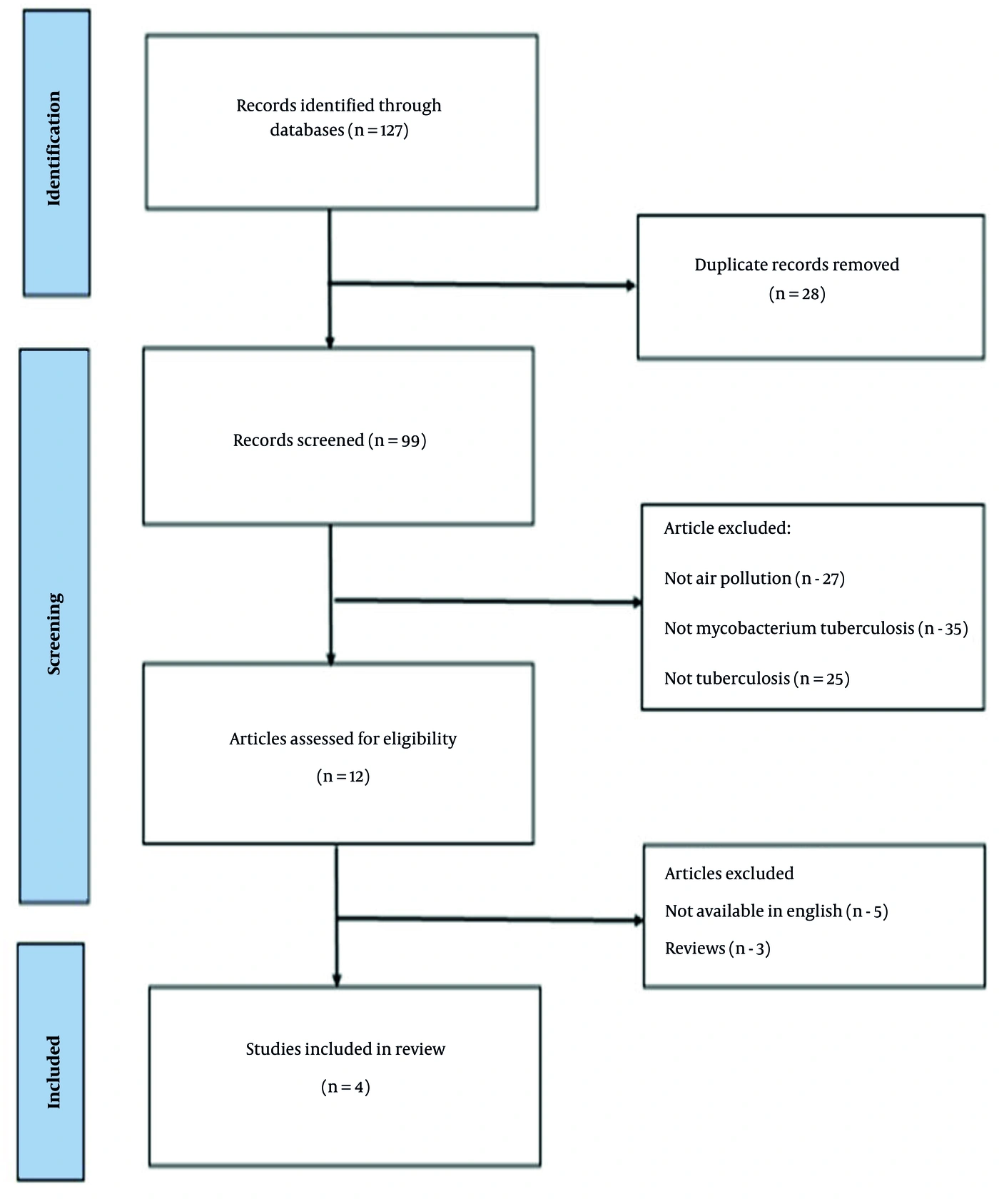
Representation of the search strategy based on the PRISMA flow diagram
Figure 1.
Representation of the search strategy based on the PRISMA flow diagram
Included studies met both of the following criteria:
1) The study was published in English between 1995 and 2024.
2) The study investigated the effect of inhaled air pollutants on the exacerbation of pulmonary tuberculosis.
Studies were excluded if they were unrelated to air pollution, did not address tuberculosis, did not include original data, were review articles, were unavailable in English, or had no available full text. However, the reference lists of review articles were searched to identify potentially relevant studies.

2.6. Data Collection Process

Potentially eligible articles were evaluated against the inclusion and exclusion criteria based on their titles and abstracts. The full texts of eligible articles were then independently screened by different colleagues. Extracted data were recorded in a data-collection form and included the first author, publication year, state, statistical analysis method, and information related to air pollution, ambient air, M. tuberculosis, the respiratory system, and tuberculosis.

3. Results

3.1. Air Pollution

The reviewed evidence identified air pollution as an important contemporary problem with serious consequences for human health and the environment. The problem is particularly severe in developing countries, densely populated cities, and megacities because of the large number of industries and the increasing number of motor vehicles. In these settings, concentrations of air pollutants may exceed permitted limits or established standards, contributing to a wide range of adverse consequences (9). After smoking, air pollution is considered a major cause of mortality associated with noncommunicable diseases and is linked to increased risks of acute and chronic disease and death (10). Clean air is essential for human health. Nitrogen dioxide, sulfur dioxide, carbon monoxide, ground-level ozone, particulate matter, and lead are six criteria pollutants with adverse effects on human health and the environment (11). The toxic effects of air pollution may involve the respiratory, cardiovascular, ocular, dermatologic, neurologic, psychiatric, immune, and reproductive systems.
Cellular and molecular toxicity may also contribute, over the long term, to cancers of vital organs, including the liver, lungs, and brain (12). Even relatively low concentrations of air pollutants may be harmful to sensitive groups, including children, older adults, patients with respiratory or cardiovascular disease, and pregnant women (13). Air pollution, either directly or through aggravation of pulmonary and cardiovascular disease, contributes to deaths worldwide. Strategies to reduce emissions and improve pollution-control and purification systems can improve air quality (14). Common approaches include using cleaner fuels instead of fossil fuels, expanding public transportation, installing catalytic converters in vehicle exhaust systems, installing filters for industrial emissions, and creating greenbelts around cities (15). Figure 2 shows major sources of air pollutants and diseases associated with them.
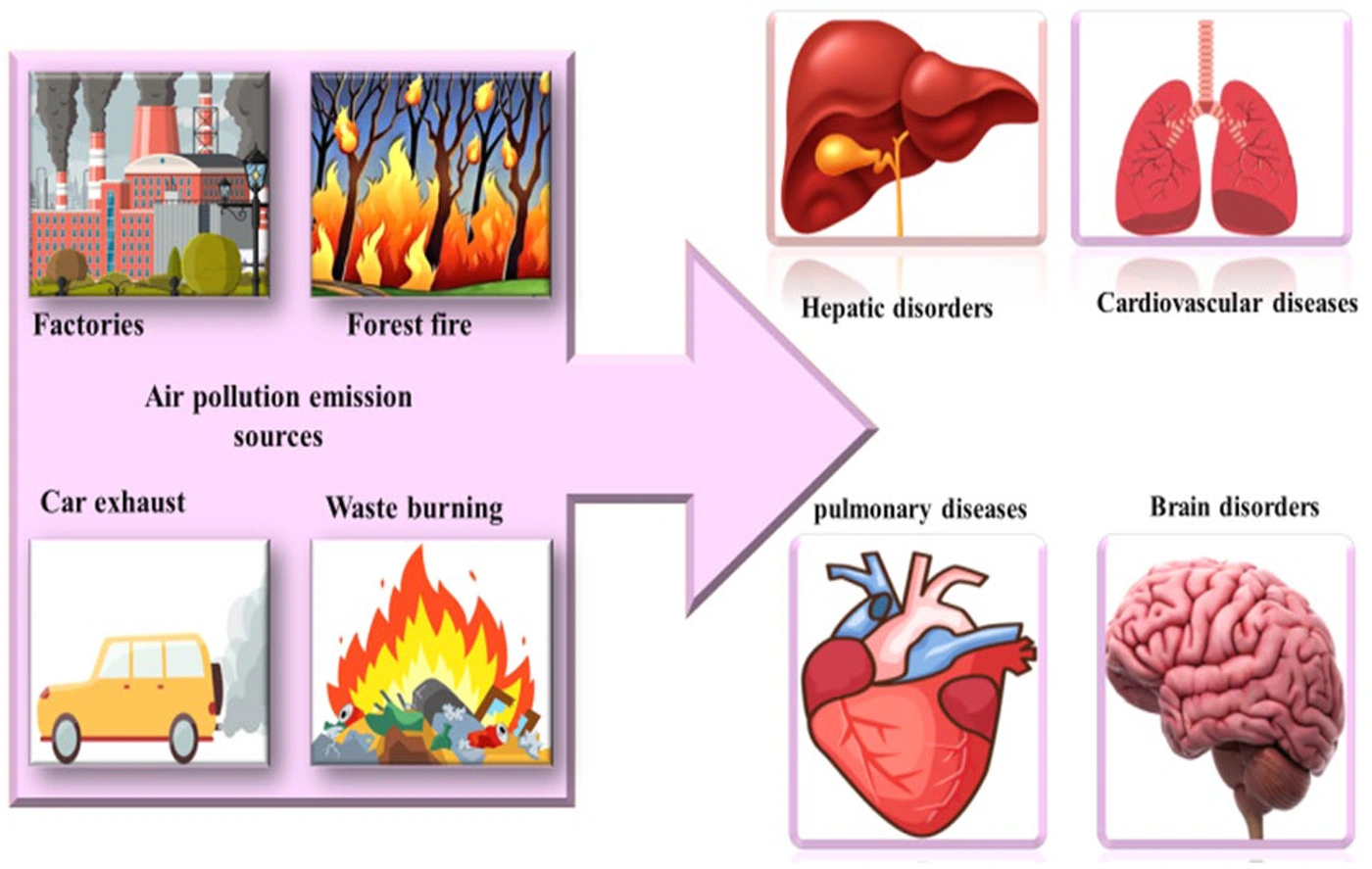
Sources of air pollutants and diseases caused by them
Figure 2.
Sources of air pollutants and diseases caused by them

3.2. Tuberculosis

Tuberculosis is a transmissible disease and an important cause of death from curable infectious disease (16). It has affected human populations for many years. Epidemiological estimates have suggested that approximately one-third of the world's population has been infected with M. tuberculosis (17). According to the World Health Organization, 10 million people worldwide were diagnosed with tuberculosis in 2017, and approximately 1.3 million died (18).
Tuberculosis can affect several organs, including the skeletal system and joints, nervous system, and endocrine system, although the lungs are the most commonly involved site (19). Approximately 85% of tuberculosis cases involve the pulmonary system, although extrapulmonary disease also occurs (20). Pulmonary tuberculosis is an infectious disease caused by the rod-shaped bacterium M. tuberculosis (21). Humans are the only known host of M. tuberculosis, although the organism can infect animals (22). After M. tuberculosis enters the body, infection may remain latent when immune defenses suppress bacterial growth and spread (23). If immune defenses are inadequate, active tuberculosis may develop (24, 25). Active tuberculosis may present with fever, chills, chronic cough, fatigue, weight loss, chest pain, and shortness of breath. Active disease is infectious and can be transmitted to other people. Latent tuberculosis may become active years after infection if immune function declines (26).

3.3. Transmission of Mycobacterium tuberculosis

Tuberculosis, a major cause of death from single-agent infectious diseases, is usually caused by M. tuberculosis (27). The organism can be transmitted from an infected person to a susceptible person through airborne particles and respiratory aerosols (28). Coughing, sneezing, talking, laughing, and shouting can release infectious respiratory particles and contribute to transmission (29). Because of its small size, M. tuberculosis can remain suspended in the air for prolonged periods (30). Successful infection depends on exposure sufficient to overcome host defenses (31). After inhalation, bacilli enter the lungs and may subsequently disseminate to other parts of the body (32). The immune system provides an important barrier against infection and, in many cases, limits bacterial activity (33).
The presence of bacteria in the body does not necessarily result in active tuberculosis; infection often remains latent (34). Many infected people are unaware that they harbor the organism (35). In a minority of individuals, latent infection may progress to active tuberculosis when host defenses weaken (36). High-risk populations include people experiencing homelessness, people who use drugs, prisoners, and particularly people living with HIV. The prevalence of tuberculosis is associated with factors including race, food poverty, age, sex, exposure to dust, population density, and poor hygiene (37). Environmental factors, including dust and air pollution, may aggravate tuberculosis by adversely affecting respiratory system function (38). Figure 3 illustrates airborne transmission of tuberculosis.
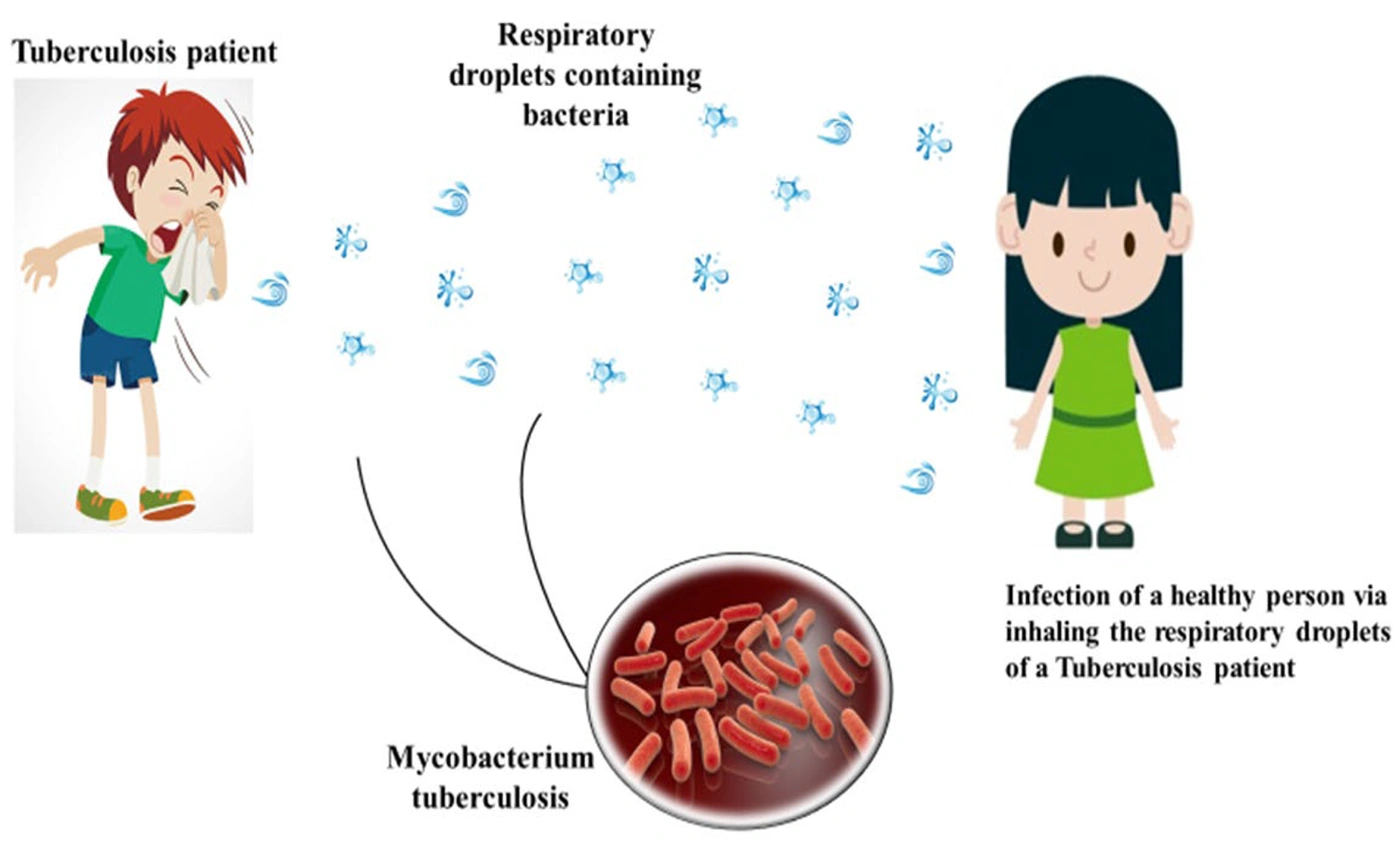
Airborne transmission of tuberculosis
Figure 3.
Airborne transmission of tuberculosis

3.4. Exacerbation of Pulmonary Tuberculosis by Air-Pollutant Inhalation

Air pollution is a recognized health risk (39). Although its effects were initially considered primarily respiratory, subsequent research has shown that polluted air can adversely affect multiple organ systems (40). Proposed mechanisms include oxidative stress, cellular inflammation, and disruption of apoptosis (41). Increasing concentrations of outdoor air pollutants are associated with acute and chronic diseases that are major causes of death (42). Exposure to pollutant gases and particles has been associated with cardiovascular disease, neurologic and mental disorders such as Parkinson disease and Alzheimer disease, kidney damage, reproductive-system disorders, and immune dysfunction (43). Pollutants entering the respiratory system can also cause or aggravate asthma and allergies (11). Pulmonary tuberculosis is another respiratory disease that may be exacerbated by air pollution (44).
Tuberculosis commonly causes symptoms, although some patients, including those with advanced disease, may have mild or slowly progressive symptoms (45). Some patients with extrapulmonary tuberculosis may be asymptomatic. In asymptomatic patients or those with mild or nonspecific symptoms, tuberculosis may be identified through contact history, abnormal chest radiography, a positive tuberculosis test, or a positive mycobacterial culture (46). Patients may experience fatigue, anorexia, weight loss, chronic cough, generalized weakness, night sweats, fever, and chills for weeks to months. These manifestations may be aggravated by intense physical activity, emotional stress, or environmental factors, including air pollutants (47).
The mucous membrane lines much of the respiratory tract and serves as an initial defense barrier against inhaled microorganisms, helping prevent pathogens from reaching the lower respiratory tract (48). Air pollution may reduce mucosal function or damage the respiratory mucosa (49). Pollutants can also impair normal clearance of secretions, facilitating the passage of pathogenic microorganisms, including M. tuberculosis (50). Smaller pollutants, such as particles with an aerodynamic diameter of 2.5 µm or less, can reach the lower airways and alveoli (51). Alveolar macrophages destroy inhaled foreign agents through phagocytosis and contribute to granuloma formation during early infection (52).
Air pollutants reaching the lower respiratory tract may reduce alveolar macrophage activity or damage macrophages, facilitating access of tuberculosis bacilli to the alveoli. Another mechanism involves oxidative stress and inflammation. Oxidative stress occurs when the balance between free radicals and antioxidants is disrupted (53). Cells produce free radicals during normal metabolic processes and antioxidants that help neutralize them (54). Under conditions such as pollutant exposure, this balance may be disturbed, and pulmonary immunity may be impaired (55). Oxidative stress involving H2O2 produced during mitochondrial dysfunction may aggravate tuberculosis-related abnormalities, while mitochondria-targeted antioxidant treatment has been reported to inhibit or reduce disease manifestations (56). Mitochondrial dysfunction has also been observed in macrophages from patients with tuberculosis during phagocytosis and under oxidative stress (57). Several products of oxidative stress are increased in patients with tuberculosis compared with healthy individuals, while levels of enzymes involved in reactive oxygen species (ROS) removal are reduced in some studies (58).
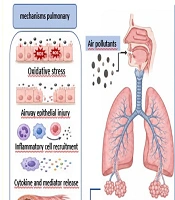
Cellular studies have shown increased ROS release from inflammatory-response cells in patients with tuberculosis, including neutrophils, macrophages, and monocytes (59). Other studies have indicated that exposure to toxic air pollutants with a high oxidative load can cause lung disorders, including emphysema. Emphysema reduces lung function, destroys lung parenchyma, decreases tissue elasticity, and damages alveolar walls (60). These changes may worsen symptoms and complicate treatment in patients with tuberculosis. Pollutant exposure can also stimulate immune cells, including macrophages, to generate free radicals while responding to invading microorganisms (61). These free radicals can damage healthy cells and promote inflammation. Oxidative stress and chronic inflammation can reinforce each other, generating additional free radicals and sustaining a harmful cycle (62). Chronic inflammation associated with oxidative stress may reduce the capacity of the immune system and lungs to respond to tuberculosis (63). Figure 4 illustrates proposed mechanisms by which air pollution may aggravate tuberculosis.
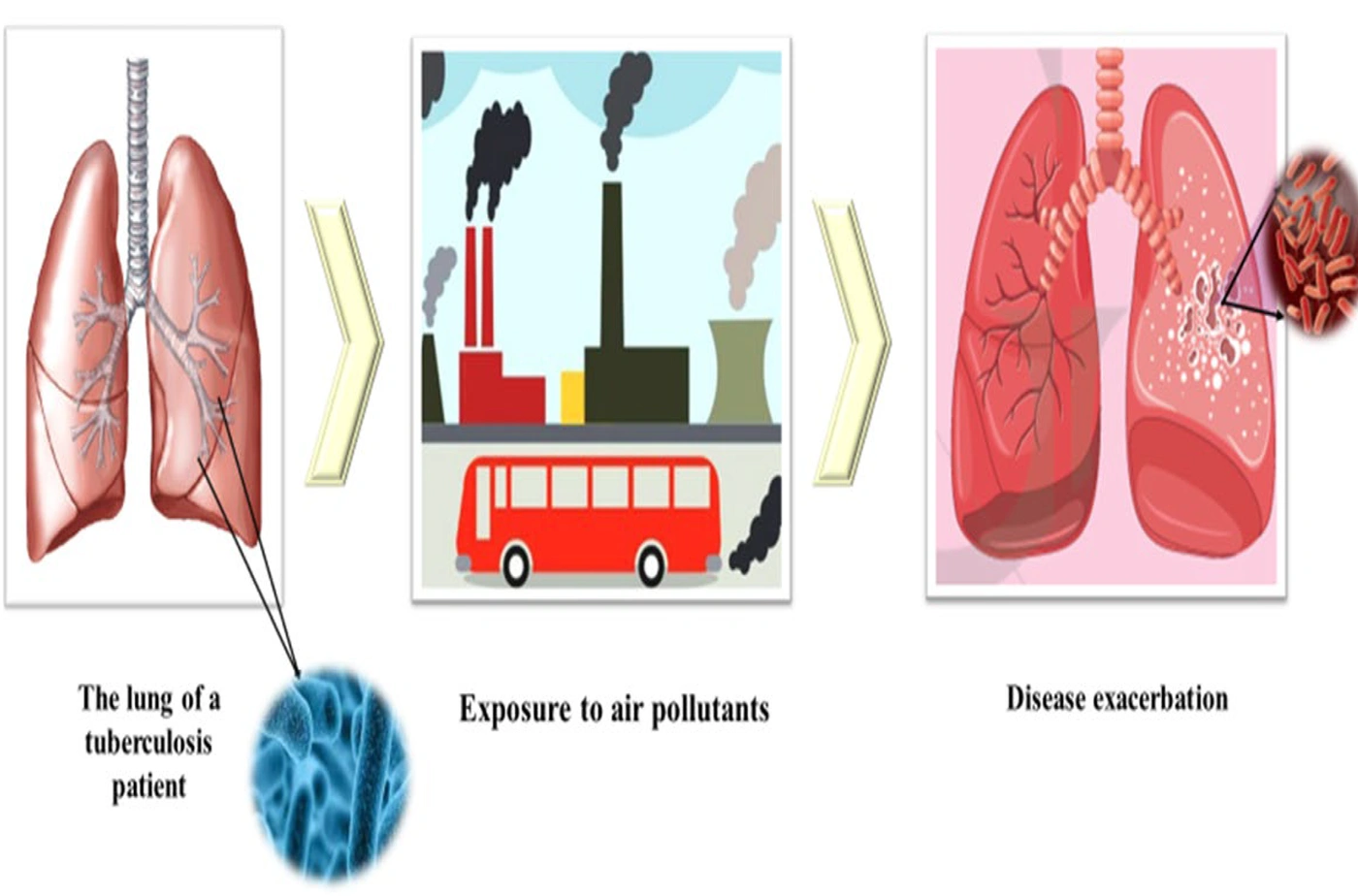
Tuberculosis aggravation due to exposure to air pollutants
Figure 4.
Tuberculosis aggravation due to exposure to air pollutants

3.5. Mechanisms and Pulmonary Manifestations Affected by Air Pollution

The respiratory system is among the first organ systems affected by acute and long-term exposure to polluted air because it is the principal route of entry for airborne pollutants (64). Oxidant gases and airborne particulate matter promote the formation of ROS in bronchial epithelial cells and alveolar macrophages, potentially damaging intracellular structures and lung tissue through oxidative mechanisms (65). Pulmonary tissue damage can promote the migration and accumulation of inflammatory cells at affected sites, resulting in focal inflammatory changes in the lungs (66). Activated inflammatory cells can generate additional free radicals, intensifying oxidative stress and prolonging tissue injury (67).
Atmospheric particulate matter may disrupt cytokine signaling in airway epithelial cells and alveolar macrophages, sustaining the release of proinflammatory mediators and prolonging pulmonary inflammation (68). Concurrent exposure to airborne particles and ozone can increase airway reactivity and the likelihood of bronchial hyperresponsiveness (69). In the short term, these mechanisms can reduce expiratory airflow, increase the release of inflammatory mediators, provoke upper and lower respiratory symptoms, and contribute to disease exacerbation and hospitalization. In the long term, persistent exposure may impair lung growth and small-airway function and contribute to chronic bronchitis, asthma, lung cancer, and reduced life expectancy. Figure 5 summarizes mechanisms and pulmonary effects associated with air pollution.
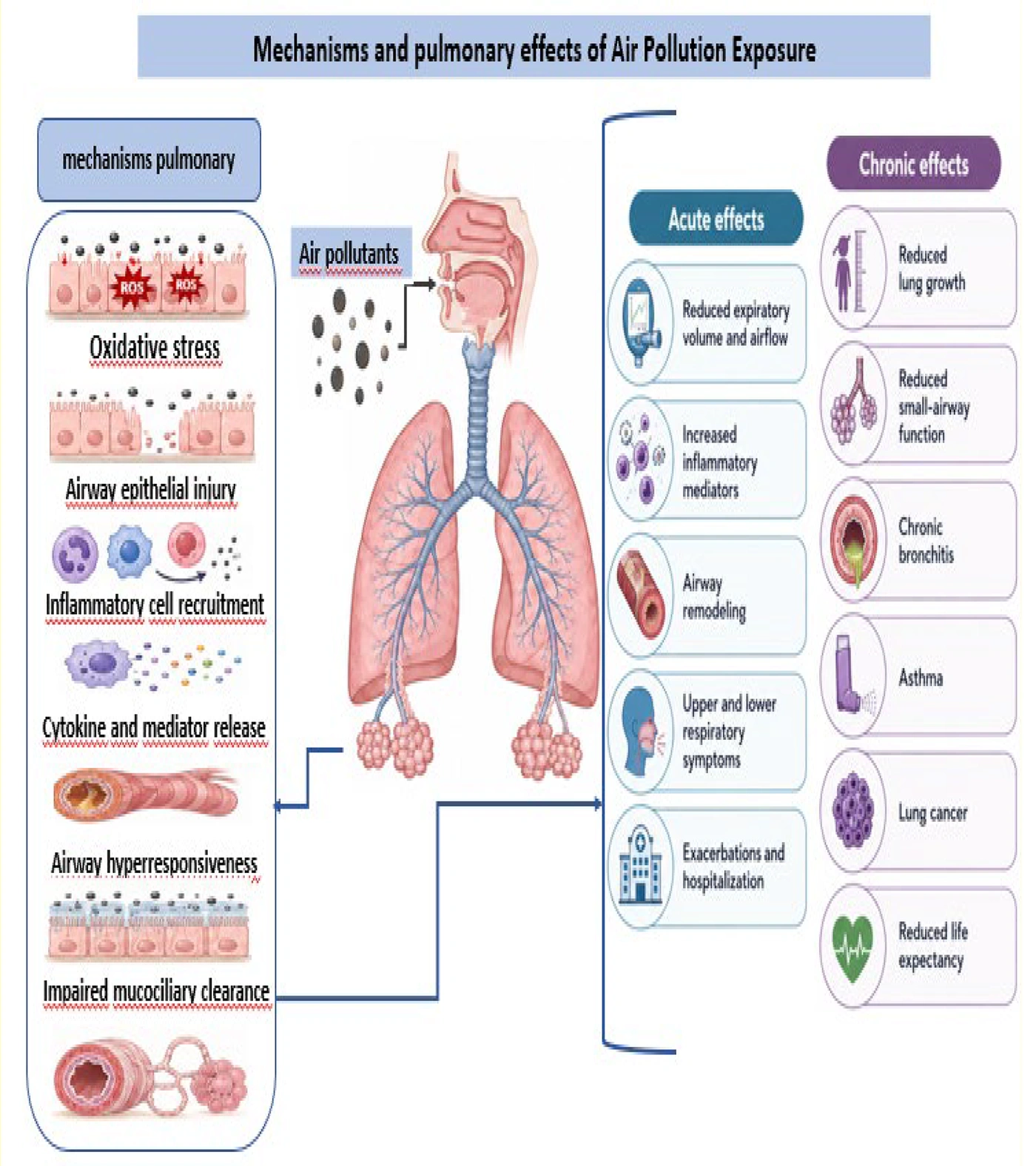
Mechanisms and pulmonary effects of air pollution
Figure 5.
Mechanisms and pulmonary effects of air pollution

4. Discussion

The reviewed evidence indicates that inhalation of air pollutants may aggravate pulmonary tuberculosis. Polluted air is associated with a wide range of abnormalities, including cardiovascular disease, kidney disease, and impaired lung function. Tuberculosis is an infectious disease caused by mycobacteria and is transmitted via airborne material generated when infected individuals cough or sneeze. The findings of this review indicate that high concentrations of air pollutants can impair lung function in people with tuberculosis and may exacerbate the disease via adverse effects on respiratory airways, tissues, mucosal defenses, macrophage function, oxidative stress, and inflammation.
Measures that reduce air pollutant concentrations may therefore have public health value. Such measures include standard pollution-control equipment (e.g., baghouses and cyclones), catalytic converters in vehicle exhaust systems, increased use of public transportation, and cleaner fuels. These approaches can substantially reduce pollutant concentrations to levels permitted by relevant organizations.
Footnotes

  • AI Use Disclosure:The authors declare that no generative AI tools were used in the creation of this article.

  • Authors' Contribution:H.-M. S., A. A-A., S.-S. A., W. R-K., M. R., and M.-J. M.: Principal investigation, manuscript drafting, statistical analysis, study design, data analysis, and preparation of the final manuscript; H.-M. S., M. R., and M.-J. M.: Study advising. All authors read and approved the final version of the manuscript.

  • Conflict of Interests Statement:No conflict of interest was declared by the authors.

  • Data Availability:The dataset presented in the study is available on request from the corresponding author during submission or after publication.

  • Funding/Support:This study was supported by a teaching and research scholarship from the course code college of health (2025-Dr MJ-M).

References

  • 1.
    Davidson G, Davidson DU, Okoye OK, Mensah LS, Ukaegbu EC, Agbor DBA, et al. Overview of tuberculosis: causes, symptoms and risk factors. Asian J Res Infect Dis. 2024;15(9):8-19. https://doi.org/10.9734/ajrid/2024/v15i9370.
  • 2.
    Bisht MK, Dahiya P, Ghosh S, Mukhopadhyay S. The cause-effect relation of tuberculosis on incidence of diabetes mellitus. Frontiers in Cellular and Infection Microbiology. 2023;13. 1134036. [PubMed ID: 37434784]. [PubMed Central ID: PMC10330781]. https://doi.org/10.3389/fcimb.2023.1134036.
  • 3.
    Dastoorpoor M, Sekhavatpour Z, Masoumi K, Mohammadi MJ, Aghababaeian H, Khanjani N, et al. Air pollution and hospital admissions for cardiovascular diseases in Ahvaz, Iran. Science of the total environment. 2019;652:1318-30. [PubMed ID: 30586817]. https://doi.org/10.1016/j.scitotenv.2018.10.285.
  • 4.
    Goudarzi G, Geravandi S, Alavi N, Idani E, Salmanzadeh S, Yari AR, et al. Association between cancer risk and polycyclic aromatic hydrocarbons' exposure in the ambient air of Ahvaz, southwest of Iran. International journal of biometeorology. 2018;62(8):1461-70. [PubMed ID: 29959528]. https://doi.org/10.1007/s00484-018-1543-1.
  • 5.
    Effatpanah M, Effatpanah H, Jalali S, Parseh I, Goudarzi G, Barzegar G, et al. Hospital admission of exposure to air pollution in Ahvaz megacity during 2010 - 2013. Clinical epidemiology and global health. 2020;8(2):550-6. https://doi.org/10.1016/j.cegh.2019.12.001.
  • 6.
    Yousefi H, Lak E, Mohammadi MJ, Shahriyari HA. Carcinogenic risk assessment among children and adult due to exposure to toxic air pollutants. Environmental science and pollution research. 2022;29(16):23015-25. [PubMed ID: 34797534]. https://doi.org/10.1007/s11356-021-17300-0.
  • 7.
    Neisi A, Vosoughi M, Shirmardi M, Idani E, Goudarzi G, Hazrati S, et al. Concentration of air pollutants as toxic matter in urban and rural areas of Ahvaz. Toxin reviews. 2018;37(3):243-50. https://doi.org/10.1080/15569543.2017.1337796.
  • 8.
    Geravandi S, Sicard P, Khaniabadi YO, De Marco A, Ghomeishi A, Goudarzi G, et al. A comparative study of hospital admissions for respiratory diseases during normal and dusty days in Iran. Environmental science and pollution research. 2017;24(22):18152-9. [PubMed ID: 28631126]. https://doi.org/10.1007/s11356-017-9270-4.
  • 9.
    Tahery N, Zarea K, Cheraghi M, Hatamzadeh N, Farhadi M, Dobaradarn S, et al. Chronic Obstructive Pulmonary Disease (COPD) and Air Pollution: A Review. Jundishapur Journal of Chronic Disease Care. 2021;10(1). https://doi.org/10.5812/jjcdc.110273.
  • 10.
    Margiana R, Yousefi H, Afra A, Agustinus A, Abdelbasset WK, Kuznetsova M, et al. The effect of toxic air pollutants on fertility men and women, fetus and birth rate. Reviews on Environmental Health. 2022;38(3):565-576. [PubMed ID: 35724665]. https://doi.org/10.1515/reveh-2022-0032.
  • 11.
    Manisalidis I, Stavropoulou E, Stavropoulos A, Bezirtzoglou E. Environmental and health impacts of air pollution: a review. Frontiers in public health. 2020;8. 14. [PubMed ID: 32154200]. [PubMed Central ID: PMC7044178]. https://doi.org/10.3389/fpubh.2020.00014.
  • 12.
    Turner MC, Andersen ZJ, Baccarelli A, Diver WR, Gapstur SM, Pope CA, et al. Outdoor air pollution and cancer: An overview of the current evidence and public health recommendations. CA: a cancer journal for clinicians. 2020;70(6):460-79. [PubMed ID: 32964460]. [PubMed Central ID: PMC7904962]. https://doi.org/10.3322/caac.21632.
  • 13.
    Hosseini V, Shahbazi H. Urban air pollution in Iran. Iranian Studies. 2016;49(6):1029-46. https://doi.org/10.1080/00210862.2016.1241587.
  • 14.
    Chen C, Wang X, Lv C, Li W, Ma D, Zhang Q, et al. The effect of air pollution on hospitalization of individuals with respiratory and cardiovascular diseases in Jinan, China. Medicine. 2019;98(22):e15634. [PubMed ID: 31145279]. [PubMed Central ID: PMC6708625]. https://doi.org/10.1097/MD.0000000000015634.
  • 15.
    Jonidi Jafari A, Charkhloo E, Pasalari H. Urban air pollution control policies and strategies: a systematic review. Journal of Environmental Health Science and Engineering. 2021;19(2):1911-40. [PubMed ID: 34900316]. [PubMed Central ID: PMC8617239]. https://doi.org/10.1007/s40201-021-00744-4.
  • 16.
    Behr MA, Waters WR. Is tuberculosis a lymphatic disease with a pulmonary portal? The Lancet infectious diseases. The Lancet Infectious Diseases. 2014;14(3):250-5. [PubMed ID: 24268591]. https://doi.org/10.1016/S1473-3099(13)70253-6.
  • 17.
    Martinez L, Cords O, Horsburgh CR, Andrews JR, Acuna-Villaorduna C, Desai Ahuja S, et al. The risk of tuberculosis in children after close exposure: a systematic review and individual-participant meta-analysis. The Lancet. 2020;395(10228):973-84. [PubMed ID: 32199484]. [PubMed Central ID: PMC7289654]. https://doi.org/10.1016/S0140-6736(20)30166-5.
  • 18.
    Kanchar A, Swaminathan S. Tuberculosis control: WHO perspective and guidelines. The Indian Journal of Pediatrics. 2019;86(8):703-6. [PubMed ID: 31240568]. https://doi.org/10.1007/s12098-019-02989-2.
  • 19.
    Lewinsohn DM, Leonard MK, LoBue PA, Cohn DL, Daley CL, Desmond E, et al. Official American Thoracic Society/Infectious Diseases Society of America/Centers for Disease Control and Prevention clinical practice guidelines: diagnosis of tuberculosis in adults and children. Clinical Infectious Diseases. 2017;64(2):e1-e33. [PubMed ID: 27932390]. https://doi.org/10.1093/cid/ciw694.
  • 20.
    Lee CH, Lee MC, Lin HH, Shu CC, Wang JY, Lee LN, et al. Pulmonary tuberculosis and delay in anti-tuberculous treatment are important risk factors for chronic obstructive pulmonary disease. PloS one. 2012;7(5). e37978. [PubMed ID: 22662259]. [PubMed Central ID: PMC3360660]. https://doi.org/10.1371/journal.pone.0037978.
  • 21.
    Carette X, Platig J, Young DC, Helmel M, Young AT, Wang Z, et al. Multisystem analysis of Mycobacterium tuberculosis reveals kinase-dependent remodeling of the pathogen-environment interface. MBio. 2018;9(2). e02333 - 17. [PubMed ID: 29511081]. [PubMed Central ID: PMC5845002]. https://doi.org/10.1128/mBio.02333-17.
  • 22.
    Gagneux S. Ecology and evolution of Mycobacterium tuberculosis. Nature Reviews Microbiology. 2018;16(4):202-13. [PubMed ID: 29456241]. https://doi.org/10.1038/nrmicro.2018.8.
  • 23.
    Merchant S, Bharati A, Merchant N. Tuberculosis of the genitourinary system-Urinary tract tuberculosis: Renal tuberculosis-Part I. Indian Journal of Radiology and Imaging. 2013;23(1):46-63. [PubMed ID: 23986618]. [PubMed Central ID: PMC3737618]. https://doi.org/10.4103/0971-3026.113615.
  • 24.
    Belknap RW. Current medical management of pulmonary tuberculosis. Thoracic Surgery Clinics. 2019;29(1):27-35. [PubMed ID: 30454919]. https://doi.org/10.1016/j.thorsurg.2018.09.004.
  • 25.
    Singhania A, Wilkinson RJ, Rodrigue M, Haldar P, O’Garra A. The value of transcriptomics in advancing knowledge of the immune response and diagnosis in tuberculosis. Nature immunology. 2018;19(11):1159-68. [PubMed ID: 30333612]. [PubMed Central ID: PMC6554194]. https://doi.org/10.1038/s41590-018-0225-9.
  • 26.
    Picchi H, Mateus C, Chouaid C, Besse B, Marabelle A, Michot JM, et al. Infectious complications associated with the use of immune checkpoint inhibitors in oncology: reactivation of tuberculosis after anti PD-1 treatment. Clinical Microbiology and Infection. 2018;24(3):216-8. [PubMed ID: 29269089]. [PubMed Central ID: PMC6290953]. https://doi.org/10.1016/j.cmi.2017.12.003.
  • 27.
    Raviglione M, Sulis G. Tuberculosis 2015: burden, challenges and strategy for control and elimination. Infectious disease reports. 2016;8(2):6570. [PubMed ID: 27403269]. [PubMed Central ID: PMC4927938]. https://doi.org/10.4081/idr.2016.6570.
  • 28.
    Glaziou P, Sismanidis C, Floyd K, Raviglione M. Global epidemiology of tuberculosis. Cold Spring Harbor perspectives in medicine. 2015;5(2):a017798-a017798. [PubMed ID: 25359550]. [PubMed Central ID: PMC4315920]. https://doi.org/10.1101/cshperspect.a017798.
  • 29.
    Floyd K, Glaziou P, Zumla A, Raviglione M. The global tuberculosis epidemic and progress in care, prevention, and research: an overview in year 3 of the End TB era. The Lancet Respiratory Medicine. 2018;6(4):299-314. [PubMed ID: 29595511]. https://doi.org/10.1016/S2213-2600(18)30057-2.
  • 30.
    O'Garra A, Redford PS, McNab FW, Bloom CI, Wilkinson RJ, Berry MPR. The immune response in tuberculosis. Annual review of immunology. 2013;31(1):475-527. [PubMed ID: 23516984]. https://doi.org/10.1146/annurev-immunol-032712-095939.
  • 31.
    Nicholson LB. The immune system. Essays in biochemistry. 2016;60(3):275-301. [PubMed ID: 27784777]. [PubMed Central ID: PMC5091071]. https://doi.org/10.1042/EBC20160017.
  • 32.
    Leitch A. The Tuberculous Process: A Conception and a Therapy. Amsterdam, Netherlands: Elsevier; 2014. p. 1-4. https://doi.org/10.1016/B978-1-4831-6657-5.50005-1.
  • 33.
    Pahari S, Kaur G, Aqdas M, Negi S, Chatterjee D, Bashir H, et al. Bolstering immunity through pattern recognition receptors: a unique approach to control tuberculosis. Frontiers in Immunology. 2017;8. 906. [PubMed ID: 28824632]. [PubMed Central ID: PMC5539433]. https://doi.org/10.3389/fimmu.2017.00906.
  • 34.
    Wang L, Zhang H, Ruan Y, Chin DP, Xia Y, Cheng S, et al. Tuberculosis prevalence in China, 1990 - 2010; a longitudinal analysis of national survey data. The Lancet. 2014;383(9934):2057-64. [PubMed ID: 24650955]. https://doi.org/10.1016/S0140-6736(13)62639-2.
  • 35.
    Bansal R, Sharma D, Singh R. Tuberculosis and its treatment: an overview. Mini reviews in medicinal chemistry. 2018;18(1):58-71. [PubMed ID: 27553018]. https://doi.org/10.2174/1389557516666160823160010.
  • 36.
    World Health Organization. Guidance for national tuberculosis programmes on the management of tuberculosis in children. Geneva, Switzerland: World Health Organization; 2014. Available from: https://www.who.int/publications/i/item/9789241548748.
  • 37.
    DeWitte S, Wissler A. Demographic and evolutionary consequences of pandemic diseases. Bioarchaeology International. 2022;6(1 - 2):108. https://doi.org/10.5744/bi.2020.0024.
  • 38.
    Zhang CY, Zhang A. Climate and air pollution alter incidence of tuberculosis in Beijing, China. Annals of epidemiology. 2019;37:71-6. [PubMed ID: 31473123]. https://doi.org/10.1016/j.annepidem.2019.07.003.
  • 39.
    Popovic I, Soares Magalhaes RJ, Ge E, Marks GB, Dong GH, Wei X, et al. A systematic literature review and critical appraisal of epidemiological studies on outdoor air pollution and tuberculosis outcomes. Environmental research. 2019;170:33-45. [PubMed ID: 30557690]. https://doi.org/10.1016/j.envres.2018.12.011.
  • 40.
    Xiang K, Xu Z, Hu YQ, He YS, Dan YL, Wu Q, et al. Association between ambient air pollution and tuberculosis risk: A systematic review and meta-analysis. Chemosphere. 2021;277. 130342. [PubMed ID: 33794431]. https://doi.org/10.1016/j.chemosphere.2021.130342.
  • 41.
    Öztürk AB, Kiliçaslan Z, İşsever H. Effect of smoking and indoor air pollution on the risk of tuberculosis: smoking, indoor air pollution and tuberculosis. Tuberk Toraks. 2014;62(1):1-6. [PubMed ID: 24814071]. https://doi.org/10.5578/tt.7013.
  • 42.
    Huang S, Xiang H, Yang W, Zhu Z, Tian L, Deng S, et al. Short-term effect of air pollution on tuberculosis based on Kriged data: a time-series analysis. International Journal of Environmental Research and Public Health. 2020;17(5):1522. [PubMed ID: 32120876]. [PubMed Central ID: PMC7084679]. https://doi.org/10.3390/ijerph17051522.
  • 43.
    Rehman K, Irshad K, Kamal S, Imran I, Akash MSH. Exposure of environmental contaminants and development of neurological disorders. Critical Reviews™ in Eukaryotic Gene Expression. 2021;31(2):35-53. [PubMed ID: 34347978]. https://doi.org/10.1615/CritRevEukaryotGeneExpr.2021037550.
  • 44.
    Costa LG, Cole TB, Dao K, Chang YC, Coburn J, Garrick JM. Effects of air pollution on the nervous system and its possible role in neurodevelopmental and neurodegenerative disorders. Pharmacology & therapeutics. 2020;210. 107523. [PubMed ID: 32165138]. [PubMed Central ID: PMC7245732]. https://doi.org/10.1016/j.pharmthera.2020.107523.
  • 45.
    You S, Tong YW, Neoh KG, Dai Y, Wang CH. On the association between outdoor PM2. 5 concentration and the seasonality of tuberculosis for Beijing and Hong Kong. Environmental Pollution. 2016;218:1170-9. [PubMed ID: 27595179]. https://doi.org/10.1016/j.envpol.2016.08.071.
  • 46.
    Yao L, LiangLiang C, JinYue L, WanMei S, Lili S, YiFan L, et al. Ambient air pollution exposures and risk of drug-resistant tuberculosis. Environment international. 2019;124:161-9. [PubMed ID: 30641260]. https://doi.org/10.1016/j.envint.2019.01.013.
  • 47.
    Horsburgh CR, Barry CE, Lange C. Treatment of tuberculosis. New England Journal of Medicine. 2015;373(22):2149-60. [PubMed ID: 26605929]. https://doi.org/10.1056/NEJMra1413919.
  • 48.
    Torrelles JB, Schlesinger LS. Integrating lung physiology, immunology, and tuberculosis. Trends in microbiology. 2017;25(8):688-97. [PubMed ID: 28366292]. [PubMed Central ID: PMC5522344]. https://doi.org/10.1016/j.tim.2017.03.007.
  • 49.
    Bălă GP, Râjnoveanu RM, Tudorache E, Motișan R, Oancea C. Air pollution exposure-the (in) visible risk factor for respiratory diseases. Environmental Science and Pollution Research. 2021;28(16):19615-28. [PubMed ID: 33660184]. [PubMed Central ID: PMC8099844]. https://doi.org/10.1007/s11356-021-13208-x.
  • 50.
    Chandrasekaran P, Saravanan N, Bethunaickan R, Tripathy S. Malnutrition: modulator of immune responses in tuberculosis. Frontiers in immunology. 2017;8. 1316. [PubMed ID: 29093710]. [PubMed Central ID: PMC5651251]. https://doi.org/10.3389/fimmu.2017.01316.
  • 51.
    Grzywa-Celińska A, Krusiński A, Milanowski J. 'Smoging kills'-effects of air pollution on human respiratory system. Annals of Agricultural and Environmental Medicine. 2020;27(1):1-5. [PubMed ID: 32208572]. https://doi.org/10.26444/aaem/110477.
  • 52.
    Guirado E, Schlesinger LS, Kaplan G. Macrophages in tuberculosis: friend or foe. 35(5). Seminars in immunopathology; 2013. p. 563-583. [PubMed ID: 23864058]. [PubMed Central ID: PMC3763202]. https://doi.org/10.1007/s00281-013-0388-2.
  • 53.
    Jindal SK. Oxidative stress and antioxidant imbalance: respiratory disorders. Oxidative Stress and Antioxidant Protection: The Science of Free Radical Biology and Disease. 2016:307-318. https://doi.org/10.1002/9781118832431.ch18.
  • 54.
    Sailaja Rao P, Kalva S, Yerramilli A, Mamidi S. Free radicals and tissue damage: Role of antioxidants. Free radicals and antioxidants. 2011;1(4):2-7. https://doi.org/10.5530/ax.2011.4.2.
  • 55.
    Di Meo S, Venditti P. Evolution of the knowledge of free radicals and other oxidants. 2020. 2020; 2020. p. 1-32. [PubMed ID: 32411336]. [PubMed Central ID: PMC7201853]. https://doi.org/10.1155/2020/9829176.
  • 56.
    Shastri MD, Shukla SD, Chong WC, Dua K, Peterson GM, Patel RP, et al. Role of oxidative stress in the pathology and management of human tuberculosis. 2018(1). 2018; 2018. 7695364. [PubMed ID: 30405878]. [PubMed Central ID: PMC6201333]. https://doi.org/10.1155/2018/7695364.
  • 57.
    Yew WW, Yoshiyama T, Leung CC, Chan DP. Epidemiological, clinical and mechanistic perspectives of tuberculosis in older people. Respirology. 2018;23(6):567-75. [PubMed ID: 29607596]. https://doi.org/10.1111/resp.13303.
  • 58.
    Sohn H, Kim JS, Shin SJ, Kim K, Won CJ, Kim WS, et al. Targeting of Mycobacterium tuberculosis heparin-binding hemagglutinin to mitochondria in macrophages. PLoS pathogens. 2011;7(12). e1002435. [PubMed ID: 22174691]. [PubMed Central ID: PMC3234249]. https://doi.org/10.1371/journal.ppat.1002435.
  • 59.
    Guiedem E, Ikomey GM, Nkenfou C, Walter PYE, Mesembe M, Chegou NN, et al. Chronic obstructive pulmonary disease (COPD): neutrophils, macrophages and lymphocytes in patients with anterior tuberculosis compared to tobacco related COPD. BMC research notes. 2018;11(1). 192. [PubMed ID: 29580274]. [PubMed Central ID: PMC5869764]. https://doi.org/10.1186/s13104-018-3309-6.
  • 60.
    Yousefi-Manesh H, Noori T, Asgardoon MH, Derakhshan MH, Tavangar SM, Sheibani M, et al. Protective effect of dapsone against bleomycin-induced lung fibrosis in rat. Experimental and Molecular Pathology. 2022;124. 104737. [PubMed ID: 34953919]. https://doi.org/10.1016/j.yexmp.2021.104737.
  • 61.
    Weiss G, Schaible UE. Macrophage defense mechanisms against intracellular bacteria. Immunological reviews. 2015;264(1):182-203. [PubMed ID: 25703560]. [PubMed Central ID: PMC4368383]. https://doi.org/10.1111/imr.12266.
  • 62.
    Amaral EP, Vinhaes CL, Oliveira-de-Souza D, Nogueira B, Akrami KM, Andrade BB. The interplay between systemic inflammation, oxidative stress, and tissue remodeling in tuberculosis. Antioxidants & redox signaling. 2021;34(6):471-85. [PubMed ID: 32559410]. [PubMed Central ID: PMC8020551]. https://doi.org/10.1089/ars.2020.8124.
  • 63.
    Rylance J, Fullerton DG, Scriven J, Aljurayyan AN, Mzinza D, Barrett S, et al. Household air pollution causes dose-dependent inflammation and altered phagocytosis in human macrophages. American journal of respiratory cell and molecular biology. 2015;52(5):584-93. [PubMed ID: 25254931]. [PubMed Central ID: PMC4491139]. https://doi.org/10.1165/rcmb.2014-0188OC.
  • 64.
    Bates ML, Bascom R. Air Pollution and the Pulmonary Vasculature. Cham, Switzerland: Springer; 2010. p. 963-977. https://doi.org/10.1007/978-0-387-87429-6_67.
  • 65.
    Li N, Wang M, Oberley TD, Sempf JM, Nel AE. Comparison of the pro-oxidative and proinflammatory effects of organic diesel exhaust particle chemicals in bronchial epithelial cells and macrophages. The Journal of Immunology. 2002;169(8):4531-41. [PubMed ID: 12370390]. https://doi.org/10.4049/jimmunol.169.8.4531.
  • 66.
    Happo MS, Salonen RO, Hälinen AI, Jalava PI, Pennanen AS, Dormans JAMA, et al. Inflammation and tissue damage in mouse lung by single and repeated dosing of urban air coarse and fine particles collected from six European cities. Inhalation toxicology. 2010;22(5):402-16. [PubMed ID: 20121583]. https://doi.org/10.3109/08958370903527908.
  • 67.
    Sørensen M, Daneshvar B, Hansen M, Dragsted LO, Hertel O, Knudsen L, et al. Personal PM2. 5 exposure and markers of oxidative stress in blood. Environmental health perspectives. 2003;111(2):161-166. [PubMed ID: 12573899]. [PubMed Central ID: PMC1241344]. https://doi.org/10.1289/ehp.111-1241344.
  • 68.
    Becker S, Mundandhara S, Devlin R, Madden M. Regulation of cytokine production in human alveolar macrophages and airway epithelial cells in response to ambient air pollution particles: further mechanistic studies. Toxicology and applied pharmacology. 2005;207(2):269-75. [PubMed ID: 15993911]. https://doi.org/10.1016/j.taap.2005.01.023.
  • 69.
    Goldsmith CAW, Ning Y, Qin G, Imrich A, Lawrence J, Murthy GGK, et al. Combined air pollution particle and ozone exposure increases airway responsiveness in mice. Inhalation toxicology. 2002;14(4):325-47. [PubMed ID: 12028808]. https://doi.org/10.1080/08958370252870989.

Copyright

Copyright © 2026, Muwafaq Saleem et al. This open-access article is available under the Creative Commons Attribution 4.0 (CC BY 4.0) International License (https://creativecommons.org/licenses/by/4.0/), which allows for unrestricted use, distribution, and reproduction in any medium, provided that the original work is properly cited.

Similar Articles

7
Feb
2021
Chronic Obstructive Pulmonary Disease (COPD) and Air Pollution: A Review

Chronic Obstructive Pulmonary Disease (COPD) and Air Pollution: A Review

Noorollah Tahery,
Kourosh Zarea,
Maria Cheraghi,
Nasser Hatamzadeh,
Majid Farhadi,
Sina Dobaradarn
,et al.

Tahery N, Zarea K, Cheraghi M, Hatamzadeh N, Farhadi M, et al. Chronic Obstructive Pulmonary Disease (COPD) and Air Pollution: A Review. Jundishapur J Chronic Dis Care. 2021;10(1):e110273. doi: https://doi.org/10.5812/jjcdc.110273

31
Jul
2009
Association Between Cigarette Smoking and Pulmonary Tuberculosis in Men: A Case-Control Study in Mazandaran, Iran

Association Between Cigarette Smoking and Pulmonary Tuberculosis in Men: A Case-Control Study in Mazandaran, Iran

Roya Ghasemian,
Narges Najafi,
Davood Yadegarinia,
Shahriar Alian

Ghasemian R, Najafi N, Yadegarinia D, Alian S. Association Between Cigarette Smoking and Pulmonary Tuberculosis in Men: A Case-Control Study in Mazandaran, Iran. Arch Clin Infect Dis. 2009;4(3):. doi:

25
Jul
2012
Association Between Tuberculosis and Smoking

Association Between Tuberculosis and Smoking

Roya Alavi-Naini,
Batool Sharifi-Mood,
Maliheh Metanat

Alavi-Naini R, Sharifi-Mood B, Metanat M. Association Between Tuberculosis and Smoking. Int J High Risk Behav Addict. 2012;1(2):71-74. doi: https://doi.org/10.5812/ijhrba.5215

9
Aug
2020
Estimation of PM2.5 Pollutant and Risk of Chronic Obstructive Pulmonary Disease (COPD) in Ahvaz, Iran

Estimation of PM2.5 Pollutant and Risk of Chronic Obstructive Pulmonary Disease (COPD) in Ahvaz, Iran

Elahe Zallaghi,
Gholamreza Goudarzi,
Sima Sabzalipour,
Alireza Zarasvandi

Zallaghi E, Goudarzi G, Sabzalipour S, Zarasvandi A. Estimation of PM2.5 Pollutant and Risk of Chronic Obstructive Pulmonary Disease (COPD) in Ahvaz, Iran. Jundishapur J Chronic Dis Care. 2020;9(4):e106131. doi: https://doi.org/10.5812/jjcdc.106131

17
Feb
2016
Long-Term Residential Ambient Air Pollution and Rheumatoid Arthritis: A Systematic Review

Long-Term Residential Ambient Air Pollution and Rheumatoid Arthritis: A Systematic Review

Angel Mario Dzhambov,
Donka Dimitrova Dimitrova,
Tanya Hristova Turnovska

Dzhambov AM, Dimitrova Dimitrova D, Hristova Turnovska T. Long-Term Residential Ambient Air Pollution and Rheumatoid Arthritis: A Systematic Review. Health Scope. 2016;5(3):e33053. doi: https://doi.org/10.17795/jhealthscope-33053

More by these authors

Hiba Muwafaq SaleemPubMedScholar
Abdulsalam Abdulsattar AbdulazezPubMedScholar
Samer Saleem AlshkarchyPubMedScholar
Wesam R. KadhumPubMedScholar
Mohammad RudiansyahPubMedScholar
Mohammad Javad MohammadiPubMedScholar
Share
Cited by
Metrics