
Full Text
Full text is available in PDF
Archives of Clinical Infectious Diseases
Infectious Diseases and Tropical Medicine Research Center, SBUMS
Authors
The prevalence of Helicobacter pylori has declined rapidly in Asia. This has been shown in both seroprevalence-based and endoscopy-based studies. The present study was conducted to determine the prevalence of gastric infection caused by H. pylori in an Iranian population residing in south of Iran.
A total of 522 patients (266 females and 256 males with the mean age of 44.313.0, range 18-83 years) underwent endoscopy in Shiraz, southern Iran. The diagnosis of H. pylori infection was established by rapid urease test, culture and gram staining and the gastric disease was confirmed by an expert pathologist.
From ulcerative (n=296) and non-ulcerative (n=226) patients, 156 (52.7%) and 94 (41.6%) H. pylori strains were isolated by culture, respectively. The prevalence of H. pylori infection was significantly higher in patients aged 21-30 and >50 years (66.66% and 62.12%, respectively). However, H. pylori was not detected in 22 patients aged <20 years.
The present study revealed a significant decline in the prevalence of H. pylori infection in the studied population. It seems that in parallel with better therapeutic approaches and elimination of bacteria, an improvement in the personal hygiene and living conditions of the Iranian population contribute to lower prevalence of H. pylori.
© 2010, Author(s). This open-access article is available under the Creative Commons Attribution 4.0 (CC BY 4.0) International License (https://creativecommons.org/licenses/by/4.0/), which allows for unrestricted use, distribution, and reproduction in any medium, provided that the original work is properly cited.

Niknam R, Fattahi MR, Sepehrimanesh M, Safarpour A. Prevalence of Helicobacter pylori in Southern Part of Iran. Jundishapur J Microbiol. 2018;11(6):e62379. doi: https://doi.org/10.5812/jjm.62379

Niknam R, Seddigh M, Fattahi MR, Dehghanian A, Mahmoudi L. Prevalence of Helicobacter pylori in Patients With Dyspepsia. Jundishapur J Microbiol. 2014;7(10):e12676. doi: https://doi.org/10.5812/jjm.12676

Eslami G, Taheri S, Baseri N, Montazeri SA, Shakeri A, et al. Prevalence of Helicobacter pylori and Determination of Antibiotic Resistance in Patients with Gastritis Referred to Shahid Beheshti University of Medical Sciences Hospitals in Tehran Between 2010 and 2011. Arch Clin Infect Dis. 2012;8(1):18-22. doi: https://doi.org/10.5812/archcid.16031
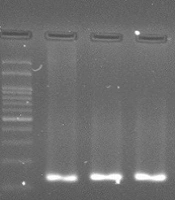
Pourali M, Bastani A, Tavassolian A, Jafarshad J, Saif Othman Al-Haddad M, et al. Evaluation of PCR Methods and Urease in Diagnosis of Patients with Helicobacter pylori Infection in Qazvin, Iran. J Clin Res Paramed Sci. 2023;12(2):e139671. doi: https://doi.org/10.5812/jcrps-139671

Talaiezadeh A, Borhani M, Moosavian M, Rafiei A, Kazem Neisi A, et al. Prevalence of Helicobacter pylori Infection evaluated by Stool antigen test in Khuzestan Province since September to October 2009, south-west of Iran: a population based study. Jundishapur J Microbiol. 2013;6(2):100-104. doi: https://doi.org/10.5812/jjm.4545
Last Update: 1 month ago
Last Update: 1 month ago
Last Update: 1 month ago
Last Update: 5 days ago
Last Update: 2 days ago
Last Update: 2 days ago