1. Context
Coronaviruses are a family of viruses that cause illnesses ranging from the common cold to severe acute respiratory syndromes, including Middle East respiratory syndrome. The virus responsible for COVID-19 is severe acute respiratory syndrome coronavirus 2 (SARS-CoV-2) (1). When an infected individual coughs or sneezes, the virus can spread through the air or contaminate surfaces and enter another person’s body through the mouth, nose, or eyes. This illness poses several challenges, including increased sedentary behavior, weight gain, and heightened inflammation, along with associated health issues (2). The COVID-19 pandemic has caused substantial morbidity and mortality worldwide. Most patients experience mild to moderate disease, with symptoms and complications lasting up to 6 weeks (3). In a study by Cummings et al., 1150 adults with a median age of 62 years were admitted to hospitals in New York City between March 2 and April 1, 2020. Among these patients, 82% had at least 1 chronic illness; hypertension affected 63%, and diabetes affected 36%. Among critically ill patients, 22% had obesity, and 79% required mechanical ventilation (4). Research findings indicate that coronavirus infection is associated with a wide range of health issues affecting the cardiovascular, respiratory, musculoskeletal, digestive, and blood systems, with symptom severity varying across individuals. One challenge after recovery from COVID-19 is reduced physical performance; persistent complications may impair the function of multiple organ systems (5). Restoring baseline function after COVID-19 and reducing complications through appropriate physical activity are important, particularly when the World Health Organization and health ministries in countries with high infection rates advise affected people to quarantine at home. Moreover, a recent study of Japanese elementary school students showed a significant decline in muscle and general endurance after COVID-19 school closures (2022/2023 vs. 2014), highlighting the need for cautious, safe exercise programs (6). In this regard, another investigation demonstrated that chronic dyspnea was highly prevalent (61.8%) among Iranian post-COVID patients. It increased with higher BMI and age but decreased with exercise, warranting tailored interventions (7). Accordingly, this review examined whether people could safely participate in sports and exercise during the pandemic to maintain a minimum level of physical fitness and, if so, how such activity should be performed (8).
At the time of this review, exercise in relation to the multisystem effects of COVID-19 had not been systematically investigated. We therefore summarized evidence on postinfection rehabilitation through physical activity and training methods, considered exercise recommendations for complications similar to those observed after COVID-19, and proposed guidance tailored to specific populations. The aim was to provide evidence-based information for sports professionals, trainers, and the wider community while home-confinement and physical-distancing measures remained in place (2).
2. Evidence Acquisition
This secondary study used a review design. Because COVID-19 may affect the cardiovascular, respiratory, digestive, musculoskeletal, and blood systems, exercise care and instructions were examined according to complications involving these systems. To address the review objective, we examined recent Persian- and English-language publications from reliable local and international scientific databases and journals. We searched platforms such as PubMed, ACSM, ScienceDirect, Google Scholar, and Elsevier journals, focusing on the years 2010 to 2025, using keywords such as COVID-19, exercise, physical activity, and exercise. This search identified 75 articles, of which 10 were excluded because they were not relevant to the study aims. Article selection was based on originality, thematic relevance, inclusion of nonathletes in the study population, and evaluation of the effects of different types of sports training on preventing or alleviating various complications. Study summaries and selected previous research were recorded on standardized forms, organized, and analyzed for content (Table 1).
Table 1.
Summary of Evidence and Exercise Recommendations from Selected Studies and Guidelines on COVID-19 and Physical Activity
| Authors (Year; Reference) | Participant Type (Disease Status) | Intervention Protocol (Summary) | Key Outcome / Finding |
|---|---|---|---|
| Ito et al. (2025) (6) | 438 Japanese Elementary School Children (8 - 10 years old). (Retrospective comparison: 2022/2023 vs. 2014) | NA (Retrospective Epidemiological Study analyzing fitness changes post-school closure). | Significant decline in athletic performance, especially in muscle endurance and general endurance post-COVID-19 school closures, highlighting the need for cautious, safe exercise programs. |
| Shirazi et al. (2024) (7) | 400 Iranian Post-COVID-19 Patients (Avg. age 52.96 yrs). At least 3 months post-hospital discharge. | NA (Retrospective Analytical Study using survey/checklist). | Chronic dyspnea was highly prevalent (61.8%). Likelihood increased with higher BMI and age, but was decreased by exercise (OR = 0.93, P = 0.01). |
| Ahmadizad and Bassami (2020) (2) | NA (Narrative Review) | Exercise Guidelines/Recommendations: Moderate-intensity exercise to maintain fitness and boost the immune system. | Moderate-intensity exercise strengthens the immune system; specific guidelines are needed to maintain physical fitness during the pandemic. |
| Shirvani and Rostamkhani (2020) (8) | NA (Narrative Review) | Recommendations: Emphasizes safety, social distancing, and avoiding strenuous activity during acute illness. | Highlights the importance of safety considerations, social distancing, and avoiding excessive exercise when acutely ill to prevent immune suppression. |
| Vahedi et al. (2022) (13) | Recovered COVID-19 Patients (R-COVID-19 Pts) | Evaluation and Prescription of Physical Activity Guidelines (Review of recommendations, not an experimental intervention). | Assessment and prescription of appropriate physical training during the post-COVID-19 recovery phase is essential for improving pulmonary function, reducing fatigue, and enhancing quality of life. |
| Balducci and Coccia (2020) (11) | Individuals with Type 2 Diabetes during the COVID-19 pandemic. | Effects of Sedentariness. No specific exercise program prescribed (Commentary/Review). | Sedentary behavior during COVID-19 increases the risk of complications in Type 2 Diabetes; encourages the necessity of home-based physical activity. |
| Zhu (2020) (9) | NA (Interview/Expert Opinion) | Recommendations on performing exercise: Exercise should be done with specific considerations and intensity. | Exercise should be continued during the outbreak, but with special precautions and intensity adjustments to ensure respiratory health and immune safety, avoiding heavy, unaccustomed stress. |
| Phelan et al. (2020) (12) | Athletes/Active Individuals after COVID-19 infection. | Providing a "Game Plan" for a gradual, cautious return to sport and activity. | Offers a step-by-step, cautious approach for the safe return to exercise, emphasizing cardiac evaluation to screen for myocarditis. |
| Di Gennaro et al. (2020) (1) | NA (Narrative Review) | NA (Paper focuses on the global status and future of COVID-19). | Provides a comprehensive summary of the global status of COVID-19, transmission routes, and therapeutic/prevention perspectives. |
| Phelan et al. (2020) (12) | Individuals with COVID-19 | Providing Return-to-Exercise Guidelines (Game Plan). | Emphasizes the need for medical evaluation before resuming strenuous exercise after COVID-19, especially concerning cardiac complications. |
| Guan et al. (2020) (10) | 1,099 COVID-19 Patients in China (Clinical Cohort Study). | NA (Clinical epidemiology study). | Description of clinical characteristics, including fever and cough, and the high rate of intensive care unit admissions among COVID-19 patients. |
2.1. Inclusion and Exclusion Criteria
The inclusion criteria were limited to original research articles published between 2010 and 2023 in Persian or English. Studies had to focus on exercise instructions and care for post-COVID-19 patients with confirmed SARS-CoV-2 infection (PCR positive), with complications in major organ systems (cardiovascular, respiratory, digestive, skeletal, and blood), and had to involve nonathletes. Exclusion criteria were applied to articles deemed not relevant to the study’s specific aims; abstract-only publications; studies not written in English; and articles that did not involve nonathletes or did not report the impact of various training types (resistance, aerobic, etc.) on preventing or alleviating complications, resulting in the rejection of 10 articles (Figure 1).
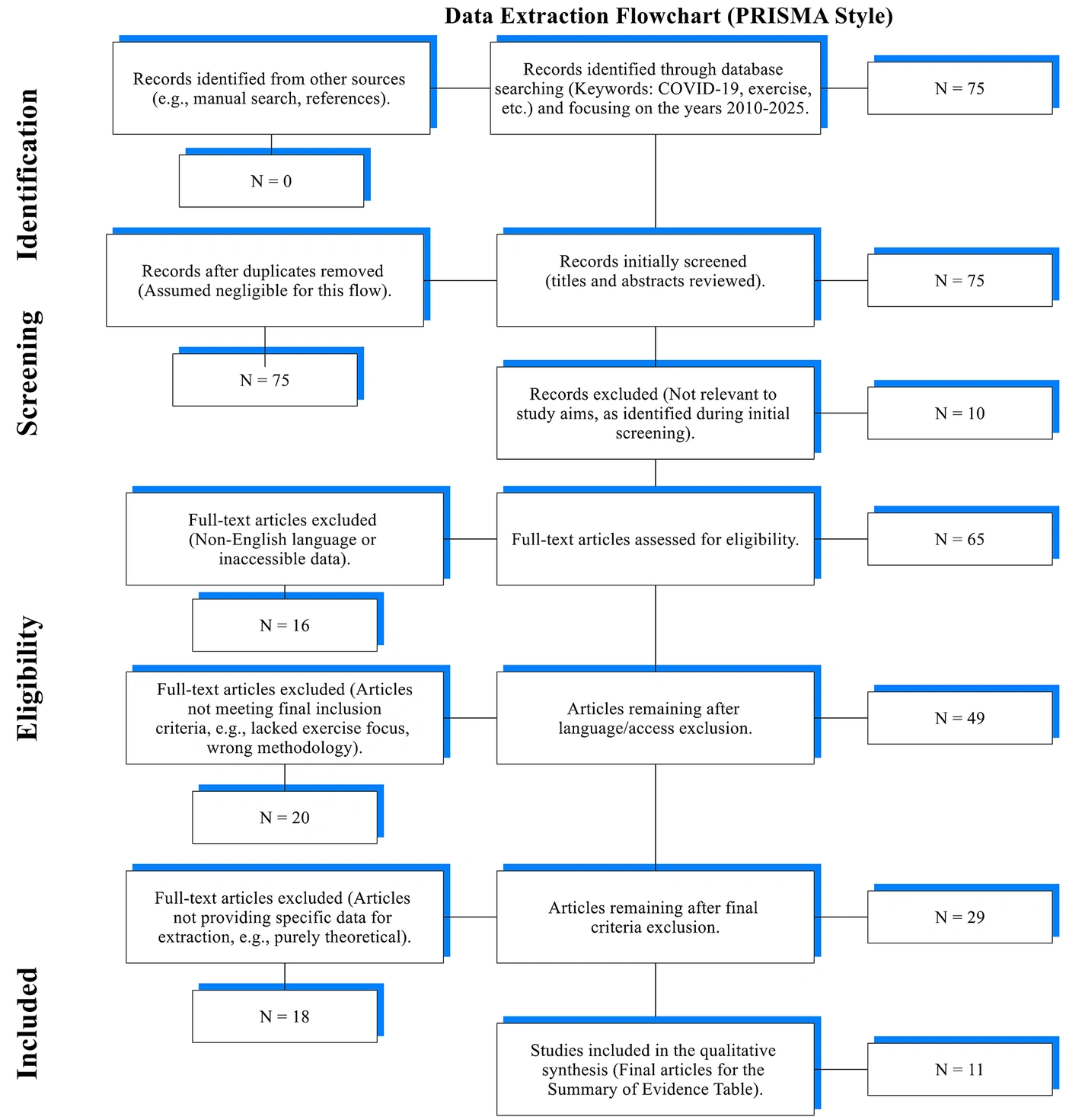
Figure 1.
Data Extraction Flowchart (PRISMA Style). This flowchart details the systematic process of identifying, screening, and selecting articles for the qualitative synthesis.
3. Results
Physical inactivity threatens physical and mental well-being and increases the risk of all-cause mortality. It can rapidly reduce metabolic rate and insulin-receptor responsiveness while increasing abdominal fat. During the initial phase of the COVID-19 pandemic, physical activity declined substantially, particularly walking frequency and daily step counts. These effects of inactivity are important when assessing chronic disease risk. Examining the organ systems associated with COVID-19 may help clarify the effects of the disease (Table 2) (4, 8).
Table 2.
Evidence Quality and Study Type Assessment
| Authors (Year; Reference) | Study Type | Appraisal Tool Used | Rationale/Quality Categorization |
|---|---|---|---|
| Phelan et al. (2020) (12) | Expert Consensus Guideline | NA (Categorized) | High Authority/Clinical Consensus |
| Guan et al. (2020) (10) | Clinical Cohort Study | Newcastle-Ottawa Scale (NOS) | Primary data source; essential for clinical context. |
| Shirazi et al. (2024) (7) | Retrospective Analytical Study | JBI Critical Appraisal Checklist | Assesses risk in non-randomized association studies. |
| Ito et al. (2025) (6) | Retrospective Comparative Study | JBI Critical Appraisal Checklist | Assesses risk in non-randomized comparative studies. |
| Vahedi et al. (2022) (13) | Review/Guideline Assessment | AMSTAR 2 (Not applicable for Narrative Reviews) | Informative on post-COVID care recommendations. |
| Ahmadizad and Bassami (2020) (2) | Narrative Review | NA (Categorized) | Informative/General Recommendation. |
| Shirvani and Rostamkhani (2020) (8) | Narrative Review | NA (Categorized) | Informative/General Recommendation. |
| Zhu (2020) (9) | Expert Interview/Opinion | NA (Categorized) | Expert Opinion/Contextual. |
| Balducci and Coccia (2020) (11) | Commentary/Review | NA (Categorized) | Clinical Context (Comorbidity). |
| Di Gennaro et al. (2020) (1) | Narrative Review | NA (Categorized) | General Background/Contextual. |
3.1. General Preventative Role of Exercise and Safety
The evidence consistently emphasizes the immunoprotective role of moderate-intensity exercise as a preventative measure during the pandemic (2). However, safety guidelines stressed the necessity of social distancing and the critical need to avoid strenuous activity during any acute illness to prevent immune suppression (8, 9). Additionally, the context of high clinical severity among hospitalized patients was established (10).
3.2. Exercise and Comorbidity Management
The pandemic increased sedentary behavior, particularly among people with preexisting conditions. Among patients with type 2 diabetes, reduced physical activity increased the risk of complications, underscoring the need for home-based activity during quarantine (11).
3.3. Post-Infection Recovery and Return to Sport (RTS)
This category yielded the most specific clinical advice. Expert consensus guidelines provided a clear, step-by-step "Game Plan" for athletes and active individuals returning to exercise post-COVID-19 (12). The central recommendation across these guidelines is mandatory medical evaluation, particularly cardiac screening, before resuming strenuous activity to rule out complications such as myocarditis. General assessment and prescription of physical activity are also recognized as essential to post-recovery quality of life and pulmonary function (13).
3.4. Long-Term Functional and Endurance Deficits
Recent retrospective studies highlighted specific long-term consequences affecting function and physical fitness:
- Children's Fitness Decline: A significant reduction in athletic performance, primarily affecting muscle endurance and general endurance, was observed in Japanese elementary school children following school closures (6). This finding necessitates cautious resumption of physical education with detailed safety programs.
- Chronic Dyspnea: Chronic dyspnea was highly prevalent (61.8%) among Iranian patients months after hospital discharge (7). Critically, the study found that engagement in exercise decreased the likelihood of experiencing this persistent symptom, whereas factors such as increased BMI and age increased risk (Table 3).
Table 3.
Consolidated Exercise Guidelines and Contraindications for COVID-19
| Context / Population | Exercise Recommendation | Intensity/Mode | Absolute Contraindication (Red Flags) | Source Focus |
|---|---|---|---|---|
| Prevention/General Health | Maintain physical activity; prioritize safety and social distance. | Moderate Intensity (to boost immunity). Avoid excessive strenuous activity. | Active signs of illness (Fever, acute respiratory symptoms). | Ahmadizad S, Shirvani H. |
| Acute Illness | Rest is Mandatory. | NO Strenuous Activity | Any acute symptoms (Fever, Chest Pain, Shortness of Breath, Myalgia). | Shirvani H, Zhu W. |
| Return-to-Sport (RTS) | Gradual, phased return (Step-by-Step). | Begin with Low Intensity. Progress based on symptom resolution. | Myocarditis, Active symptoms, or failure to pass Cardiac Screening/Evaluation. | Phelan D, Chung E. |
| Post-COVID Rehabilitation | Assess and prescribe suitable physical training. | Individualized (Tailored to pulmonary function/fatigue levels). | Post-exertional malaise, persistent severe fatigue. | Vahedi S, Shirazi R. |
| Comorbidity (Type 2 Diabetes) | Encourage Home-Based Activity to mitigate sedentariness risk. | Varied, consistent activity. | NA (Focus on avoiding sedentariness). | Balducci S. |
3.5. COVID-19, the Blood System, and Physical Activity Guidelines
While the complete range of risk factors associated with COVID-19 remains unclear, some individuals infected with the virus may experience increased coagulability and a greater likelihood of thrombosis. Hospitalized individuals frequently experience thrombotic issues such as deep vein thrombosis, pulmonary embolism, and myocardial injury. The extent to which prothrombotic issues occur across cases and levels of COVID-19 severity remains uncertain (14). In a multicenter French study of 150 critically ill patients, 16.7% developed pulmonary embolism, despite receiving anticoagulant prophylaxis. Similarly, a Dutch study of 184 patients in intensive care units found that the incidence of venous thromboembolism was 27%, even with preventive measures in place. The mechanisms underlying COVID-19-associated hypercoagulability remain unclear. Researchers propose that hypoxia and systemic inflammation could result in elevated inflammatory cytokines, which may trigger the coagulation process. Common laboratory findings often show slight reductions in platelet count, elevated vascular thrombus test results, heightened levels of fibrinogen and fibrin, along with fibrin breakdown products and a prolonged prothrombin time. A substantial rise in vascular thrombosis, exceeding six times the normal upper threshold, correlates with a heightened likelihood of mortality (13). Regrettably, information is limited regarding coagulation in individuals with COVID-19 who are asymptomatic or have mild symptoms and did not require hospitalization. At present, evidence is insufficient to support routine assessment of coagulation parameters in outpatient settings. All the research mentioned relied on clinical evidence indicating thrombosis to initiate further investigation. Current evidence does not indicate that a particular anticoagulant regimen improves outcomes for individuals suffering from COVID-19. Lower limb deep vein thrombosis frequently presents with symptoms such as leg discomfort, which may or may not be accompanied by redness and swelling. Although athletes may have several acute or chronic muscular and tendinous causes of leg pain, venous thromboembolism should be considered in the context of COVID-19, as increased mobility may offer some benefit in this regard. Virchow's triad describes hypercoagulability, endothelial injury, and venous stasis as contributors to thrombosis. Prolonged inactivity and travel may promote venous thromboembolism through stasis and hypercoagulability (15). Physical activity for heart and lung health is not advised for individuals experiencing acute symptoms of COVID-19 at this time. Engaging in light physical activity, or simply minimizing prolonged periods of sitting, could help reduce the risk of heightened blood clotting in patients with mild or no symptoms of COVID-19 while they are hospitalized. Nevertheless, available evidence is insufficient to support this hypothesis. Exercise is a crucial method that significantly influences the factors involved in blood clotting. Physical inactivity can substantially affect hemostasis, especially in individuals who have recently recovered from COVID-19 (16). Exercise is closely linked to a reduction in cardiovascular diseases related to clotting factors. It is also crucial for autonomic regulation of the cardiovascular system. Physical activity has been associated with heightened platelet function, reduced platelet clumping and adhesion, enhanced parasympathetic regulation, and diminished sympathetic influence on the heart. Exercise positively affects multiple bodily systems, including the homeostatic system, and helps reduce the risk of heart-related illnesses (17). Almost all exercise programs in studies of physical activity, coagulation, and fibrinolytic factors have used aerobic exercise. In their study, Hilberg and colleagues showed a decrease in coagulation factors and an increase in fibrinolysis in healthy men. Improved fibrinolytic responses and reduced coagulation-system activity have also been reported in older men after aerobic exercise (10). Aerobic physical activity such as walking, jogging, cycling, and swimming, as well as resistance training and flexibility exercises, can be useful for these people. Aerobic physical activity is effective on most days of the week (preferably on all days), along with resistance physical activity 2 - 3 days a week. Aerobic physical activity with an average intensity of 40 to less than 60% of heart rate reserve (HRR) or a pressure perception scale equal to 11 - 13 on a 20-point scale, and resistance training with an intensity of 60 to 80% of 1-repetition maximum as a supplement, with a duration of 30 - 60 minutes of continuous or intermittent aerobic exercise, has been proposed to prevent disruption of blood homeostasis. In the case of intermittent physical activity, it is recommended to perform activity periods of at least 10 minutes, totaling 30 - 60 minutes per day (18). Resistance training should include at least 1 set of 8 - 12 repetitions for each major muscle group. Resistance training should be performed using equipment or free weights as a supplement to aerobic physical activity; the intensity and duration should be adjusted based on assessment by a clinical exercise physiologist according to complications in patients recovered from COVID-19 (19, 20).
3.6. COVID-19, the Cardiovascular System, and Physical Activity Guidelines
COVID-19 is associated with various cardiac complications, including arrhythmia, myocarditis, and acute myocardial injury. Possible pathophysiologic mechanisms include systemic inflammation, direct myocardial injury mediated by inflammatory cytokines, interstitial fibrosis, and hypoxia. Cardiac manifestations in patients with COVID-19 may include chest pain, palpitations, and early fatigue (8, 21). Regular physical activity improves cardiovascular health over time. Engaging in physical activity during each session places strain on the heart, which may help lower the risk of life-threatening arrhythmias among individuals with cardiovascular issues who are not hospitalized due to COVID-19. Before initiating sports training, it is essential to confirm that individuals who have recovered from COVID-19 have no cardiac complications, ensuring safe reintegration into physical activities (22). Monninkhof et al. suggested that competitive athletes should return to sport 7 to 10 days after COVID-19 symptoms resolve and should initially resume activity gradually. Because competitive sports place substantial stress on the cardiovascular system, recommendations in this area should be taken seriously (23). Wolin et al. recommended physical examination for competitive athletes, including those without symptoms. For those who had symptoms but were not admitted to the hospital, an echocardiogram should also be performed (24). Following a two-week recovery phase for athletes engaged in competition, Paffenbarger et al. advised that asymptomatic individuals who have tested positive for COVID-19 should ease back into sports with the support of a sports medicine team. Athletes experiencing symptoms but not requiring hospitalization should undergo a troponin test, ECG, and echocardiography after a two-week rest period, provided their symptoms have subsided (25). Pedersen recommended that nonathletes resume moderate-intensity activity only after full recovery from mild to moderate COVID-19 and in the absence of cardiac symptoms (26). At the start of physical activity to reduce cardiovascular disease risk factors, exercises should initially be performed at an average intensity of 40 to less than 60% of HRR and progress, when appropriate, toward longer activity at an intensity equal to or more than 60% of HRR (27). Individuals with cardiovascular conditions such as myocardial ischemia, heart failure, or stroke should engage in vigorous physical activity within rehabilitation facilities under the supervision of healthcare professionals. At rest, a systolic blood pressure exceeding 200 mmHg or a diastolic blood pressure over 110 mmHg is considered a relative contraindication for participation in sports activity assessments. Medications for high blood pressure, including alpha blockers, calcium channel blockers, and vasodilators, may cause a significant and abrupt decrease in blood pressure following exercise (28). A prolonged cool-down period is recommended for these patients. People with high blood pressure are often overweight or obese. Physical activity prescriptions in these individuals should be adjusted to increase energy expenditure while reducing calorie intake to facilitate weight loss. In people with confirmed ischemic periods, the intensity of physical activity during sports activities should be set below the ischemic threshold. During resistance training, breath holding (Valsalva maneuver) should be avoided (29, 30).
3.7. COVID-19, the Pulmonary System, and Physical Activity Guidelines
The primary manifestations of COVID-19 include fever and persistent cough. The most prevalent severe outcome of this infection appears to be pneumonia, which is mainly identified by symptoms such as fever, cough, dyspnea, and bilateral lung involvement on CT scans. Findings indicate that most individuals infected with COVID-19 either have no respiratory symptoms or experience only mild symptoms, with recovery typically occurring within 7 to 10 days. Between the seventh and fourteenth day, the likelihood of respiratory decline increases, leading to worsening symptoms and necessitating more advanced medical attention, including possible intensive care unit admission (31). The primary pulmonary complication in individuals infected with COVID-19 is acute respiratory distress syndrome (ARDS). A study of 138 patients in Wuhan, China, found that 20% exhibited symptoms of ARDS (32). The World Health Organization states that individuals typically take around two weeks to recover after the onset of clinical symptoms, whereas those who are severely or critically ill may require between three and six weeks for recovery. Many young people recover without serious complications; however, it is crucial to establish protocols regarding the appropriate timing and methods for resuming activities, particularly for those with more severe disease or for older individuals with a slower recovery process (33). After a study conducted by Herridge et al. on 109 patients with acute respiratory distress syndrome after 3, 6 and 12 months, it was found that 6 months of walking for 6 minutes with 88% of aerobic capacity, the size of the lung volume in the spirometry test became normal and no other disease required additional oxygen (34). Some studies have identified diaphragm dysfunction as an important factor in the worsening and progression of symptoms in patients with chronic obstructive pulmonary disease. With increasing air flow resistance and increasing inflammation in this disease, the inspiratory muscles become inactive and diaphragm mobility decreases (35). Studies showed that carbon dioxide pressure increases due to a decrease in inspiratory muscle resistance through two mechanisms in chronic obstructive pulmonary disease patients, which include: decreased diaphragm force production due to increased inflammation in patients with severe disease, as well as decreased diaphragm contraction receptivity that is not related to airway inflammation in patients with mild disease (36). Strengthening respiratory muscles, increasing effective inspiratory force by improving the elasticity of the main and auxiliary intercostal muscle fibers, and reducing obesity and thus the pressure caused by fat accumulation around the chest are among the mechanisms by which exercise improves lung function (37). Typically, it is essential for nonathletes to closely monitor breathing issues and resume physical activity gradually. Perception of shortness of breath using the Borg scale can be a suitable test to evaluate individuals. In addition, the duration of the graded sports activity test in people in the severe and very severe stage of dyspnea should be between 5 and 9 minutes. In recent years, when physical activity test equipment has not been available, the 6-minute walk test has also been used to evaluate physical activity capacity in patients with very severe lung disease. The physical activity test can be stopped due to a severe decrease in arterial hemoglobin saturation or saturation less than 80% (9). Exercise testing is usually performed using walking or stationary cycling. Walking protocols are more suitable for patients with severe disease who do not have sufficient muscle strength to overcome the increased resistance of the foot exerciser wheel. In addition, when using a manual exercise bike, upper-limb aerobic physical activity can increase shortness of breath, which may limit exercise duration. Individuals with chronic obstructive pulmonary disease should engage in aerobic exercise for a minimum of 3 to 5 days per week, with intensity ranging from light (30% to just under 40% of peak workload) to high (60% of peak workload). Low-intensity exercise also improves symptoms, health-related quality of life, and performance in activities of daily living. With further improvement in physiological indicators, if tolerated, individuals can be encouraged to increase activity intensity. According to the grading of shortness of breath, the intensity can be set between 4 and 6 on the Borg scale (9). When starting an exercise regimen, it is important to note that individuals with moderate to severe chronic obstructive pulmonary disease might only be able to engage in vigorous physical activity briefly. Intermittent physical activity can also be used in initial training sessions until the individual can tolerate continuous physical activity with greater intensity and duration. In people with chronic obstructive pulmonary disease, short periods of intense physical activity with rest periods between activity periods can be used. The type of activity for these individuals, as for those with chronic pulmonary obstruction, can be walking or pedaling. They should also be encouraged to perform resistance and flexibility physical activities. Because individuals who have recovered from COVID-19 pulmonary complications may have limitations similar to those of patients with chronic obstructive pulmonary disease (38), they may experience more shortness of breath during upper-limb activities of daily living. Therefore, focusing on shoulder girdle muscles during resistance exercise may be beneficial. In patients with chronic obstructive pulmonary disease, respiratory muscle weakness is an important contributor to exercise intolerance and dyspnea. Therefore, respiratory muscle exercise may be effective for hospitalized and non-hospitalized patients who have recovered from COVID-19 and remain affected by respiratory muscle weakness and dyspnea. Respiratory muscle training increases strength and endurance and can improve tolerance of physical activity. The frequency of these exercises can be at least 4 - 5 days a week. Exercise should be stopped if chest pain or a sudden increase in heart rate occurs. According to the severity of pulmonary complications in hospitalized and non-hospitalized patients with COVID-19, exercise intensity can be considered less than 30% of the maximum inspiratory pressure. Duration can be considered a maximum of 30 minutes per day or two 15-minute sessions per day, according to protocols for patients with pulmonary obstruction (39).
3.8. COVID-19, the Digestive System, and Physical Activity Guidelines
Some individuals infected with COVID-19 experience digestive symptoms, including vomiting, nausea, loss of appetite, and diarrhea. The proportion of individuals experiencing these symptoms varies. Researchers at Stanford University studied 116 individuals with this illness and found that 31.9% reported gastrointestinal symptoms, 22% experienced nausea and vomiting, and 12% had diarrhea. Among these patients, a substantial proportion (22%) also experienced anorexia. For those who experienced COVID-19-related gastrointestinal symptoms, important factors when returning to exercise include maintaining proper hydration and ensuring sufficient energy intake. It is crucial to regulate fluid and calorie intake throughout the symptomatic period and during the transition back to recreational activities (16). Regular exercise may help reduce stress. Daily moderate-intensity aerobic activity for 20 - 30 minutes and yoga may reduce stress-related complications and improve patients' condition (16).
3.9. COVID-19, the Musculoskeletal System, and Physical Activity Guidelines
At present, only a limited number of orthopedic cases directly associated with COVID-19 have been identified. The presence of angiotensin-converting enzyme 2 and membrane-type serine protease type 2 receptors in bone, articular cartilage, synovium, and skeletal and smooth muscle suggests that these tissues could be vulnerable to the SARS virus that triggers COVID-19, resulting in damage and heightened levels of inflammatory cytokines. Among the various musculoskeletal issues linked to COVID-19, myalgia and arthralgia are the most frequently reported, with 15% of individuals experiencing muscle pain and discomfort. Research indicates that muscle discomfort can persist from several days to a fortnight. Management of COVID-19-related muscle soreness is similar to that of other viral myositis, emphasizing supportive measures such as applying heat or ice, using topical analgesics, and engaging in stretching routines. It has been noted that fatigue associated with myalgia may persist for weeks. Conversely, the effects of SARS included sarcopenia, decreased bone mineral density, and osteonecrosis (10, 17). From a musculoskeletal perspective, patients should have recovered from COVID-19 before returning to sport. After symptom resolution, progression of sports activity should be gradual. Symptomatic patients should avoid intense sports activity. Currently, information on returning to exercise after COVID-19 is limited, but experts have suggested low-intensity exercise for a week. Individuals who recover from infection may be more likely to sustain injury when returning to exercise due to inactivity and a weakened immune system. Although pain and functional limitations can hinder physical activity in these individuals, regular physical activity is necessary to manage this disease. If there is acute inflammation (for example, heat, swelling, and painful joints), very vigorous physical activity is not permitted. If a person has acute inflammation, the physical activity test should be postponed until symptoms subside. If patients who have recovered from COVID-19 cannot tolerate treadmill walking, leg ergometry alone or combined with arm ergometry may cause less pain and permit better assessment of cardiorespiratory function. Before a graded exercise test, patients should be given sufficient time to warm up at a low intensity. During the test, pain levels should be monitored. Pain can be assessed with validated instruments such as the Borg scale and a visual numeric rating scale. Muscular strength and endurance can be assessed using conventional protocols; however, pain can affect maximal voluntary contraction in the joints. Pain is an important barrier to initiating and maintaining a regular physical activity program (19, 20). Aerobic physical activity 3 - 5 days per week and resistance physical activity 2 - 3 days per week can be effective; flexibility and range of motion physical activity are necessary and should be performed daily if possible. Aerobic activities that place minimal pressure on the joints, such as walking and cycling, are suitable for these individuals. Intense activities such as running and stair climbing are not recommended. Physical activity and flexibility programs should include the full range of motion of all major muscle groups. Intense activity should be avoided during acute exacerbations and periods of inflammation; however, slow, controlled joint movement through the available range of motion is appropriate. To reduce discomfort, it is essential to include sufficient time for warm-up and cool-down, ideally lasting 5 to 10 minutes. Warm-up and cool-down activities can include gentle movements of the joints through their full range of motion. In people with significant pain and functional limitation, temporary goals of pain reduction may be needed. These individuals should be encouraged to perform and maintain as much physical activity as they can. People with arthritis should be aware that some muscle or joint pain during and after physical activity does not mean that the joints are more damaged. Nevertheless, if 2 hours after physical activity the patient's pain rating is higher than its value before starting physical activity, the duration or intensity of physical activity should be reduced in subsequent sessions. People with arthritis should be encouraged to perform physical activity at a time of day when pain is usually minimal or at peak analgesic effect. Functional activities such as sitting, standing, and standing up to the limit of tolerance to improve neuromotor control, balance, and performance of activities of daily living should be included in the program. For water-based physical activity, a water temperature of 28 to 31 °C may promote muscle relaxation (40, 41).
3.10. COVID-19, the Immune System, and Physical Activity Guidelines
The human immune system is a complex network that protects the host from disease, viral infection, and tissue infections. Regular physical exercise significantly influences immune function, and research indicates that individuals with higher levels of physical and cardiovascular fitness than their same-sex peers, who also participate in moderate to vigorous exercise as recommended by scientific standards, experience reduced chronic inflammation. Regular exercise may improve immune responses to vaccination and immune indicators in chronic diseases such as cancer, AIDS, cardiovascular disease, obesity, and mental disorders (42, 43). Hospitalization-related inactivity adversely affects and weakens immune function. Research indicates that a lack of physical activity increases the likelihood of developing type 2 diabetes, heart disease, certain cancers, and mental health conditions such as depression (11, 44). Inactivity increases abdominal fat and obesity, which may activate inflammatory pathways. Chronic inflammation, in turn, leads to various diseases related to inactivity. Consistent exercise positively influences conditions associated with chronic inflammation, primarily because it reduces inflammation and lowers levels of abdominal fat and obesity (42). Glucocorticoids such as cortisol increase during periods of hospitalization and inactivity (45) and suppress several immune functions. Under psychological and physiologic stress, the ability of T cells to proliferate in response to infectious agents is substantially reduced, as is the ability of specialized lymphocytes and natural killer cells to recognize and destroy virus-infected or malignant cells (44). Immune cells must also retain the capacity to proliferate and protect vulnerable tissues, including the upper respiratory tract and lungs, from viruses and other pathogens. This process is also important for reducing the effects of the virus and accelerating treatment in case of infection (29). Engaging in any physical exercise, particularly vigorous cardiovascular exercise that promotes movement, rapidly activates millions of immune cells, notably those that play crucial roles in detecting and eliminating virus-infected cells. Activated cells initially migrate into the bloodstream from peripheral vascular reservoirs in the spleen and bone marrow and then move to tissues and secondary lymphatic organs in the lungs and intestines (46). This response may enhance immune surveillance in these organs. Physical exercise activates immune cells, preparing them to respond effectively to external threats. The ongoing and frequent migration of these cells between the bloodstream and surrounding tissues enhances the immune protection of host tissues, potentially increasing resistance to infections and improving readiness to confront invading pathogens. Moderate exercise triggers production of several immune components, particularly muscle-derived cytokines such as IL-5, IL-7, and IL-6, which help sustain immune function and enhance the body's ability to fend off infections. Exercise can be particularly advantageous for everyone, especially those with pre-existing health conditions and older adults, who are typically more prone to infections, as well as populations identified as at-risk during the COVID-19 pandemic (12). Physical activity has positive effects on the immune system and may counteract the adverse effects of stress and hospitalization on several aspects of immunity (47). Although evidence on physical activity and SARS-CoV-2 remains limited, physical activity has shown protective effects against other viral infections, including influenza. In animal studies, moderate exercise during influenza infection improved survival, enhanced immune-cell function, and altered pulmonary cytokine levels (12). Research has shown that astronauts with greater cardiorespiratory fitness and muscle endurance before flying to the International Space Station were less likely to reactivate viral diseases during the mission (48). Astronauts with greater physical fitness also had fewer viral DNA copies, suggesting reduced infectious potential (48). Astronauts with lower preflight fitness were more likely to experience viral reactivation during the mission (48). Viral reactivation is a general indicator of impaired immune function. It is believed that stress associated with staying at home and being hospitalized may cause viral reactivation. Consistent moderate exercise strengthens the body's vaccine response, diminishes the quantity of worn-out or exhausted T cells, promotes T cell growth, reduces circulating inflammatory cytokines, enhances the phagocytic activity of neutrophils, amplifies cytotoxic functions, and raises interleukin-2 levels (2). Collectively, these findings suggest that regular, moderate-intensity exercise can improve or at least maintain immune function throughout life. Moderate-intensity exercise has also been shown to have positive effects on immune responses to viral infections and cancer. A clear consequence of COVID-19 is heightened inflammation and elevated inflammatory markers, such as C-reactive protein and white blood cell counts. Studies show that engaging in different types of exercise can reduce these inflammatory reactions (49).
3.11. Synthesis and Clinical Implications
The COVID-19 pandemic and its relationship with the immune and respiratory systems have raised numerous questions regarding the role of physical exercise in enhancing the body's defenses against viral infections and boosting immunity. Research indicates that physical inactivity increases the likelihood of developing type 2 diabetes (21), cardiovascular disease (22), certain cancers (23), and depression (25), while also contributing to increased abdominal fat and activation of inflammatory agents (26). Elevated glucocorticoid levels, including cortisol, during periods of inactivity impair immune function and substantially reduce the capacity of T cells to proliferate in response to pathogens. In contrast, each exercise session, particularly dynamic cardiorespiratory exercise, rapidly activates large numbers of immune cells that have important roles in detecting and eliminating virus-infected cells (29). This involves the release of anti-inflammatory cytokines, which support immune function and improve the body's ability to fight infections (28). Research indicates that physical exercise can protect individuals against various viruses, including influenza, rhinovirus, and several herpes viruses such as Epstein-Barr, varicella, zoster, and herpes simplex virus type 1 (28, 30). This type of physical activity plays a significant role in this context. Research indicates that moderate exercise during influenza infection significantly reduced mortality in rats and helped preserve a healthier immune cell structure, along with alterations in lung cytokines, resulting in improved survival rates (31). Consistent, moderate exercise enhances vaccine responses while reducing the quantity of aged or depleted T cells (32), enhances T cell proliferation, reduces circulating inflammatory cytokine levels, boosts neutrophil phagocytic function, elevates cytotoxic capabilities, and promotes IL-2 production (32, 33). A clear challenge posed by COVID-19 is heightened inflammation and associated markers, such as C-reactive protein; however, various forms of physical activity can help mitigate these inflammatory responses (34, 35). Several theories have been proposed regarding how physical activity levels correlate with infection frequency, with the J-curve hypothesis being a prominent example. Nieman and Nehlsen-Cannarella characterized the association between the risk of "upper respiratory tract infections" and exercise frequency as a "J curve" (Figure 2). It has been shown that moderate-intensity exercise increases immune function and decreases mortality (36). In contrast, high-intensity and high-load physical activity produces opposite outcomes (37). Epidemiologic research indicates that vigorous and competitive exercise may increase the risk of upper respiratory tract infections, whereas light physical activity can alleviate associated symptoms (5).
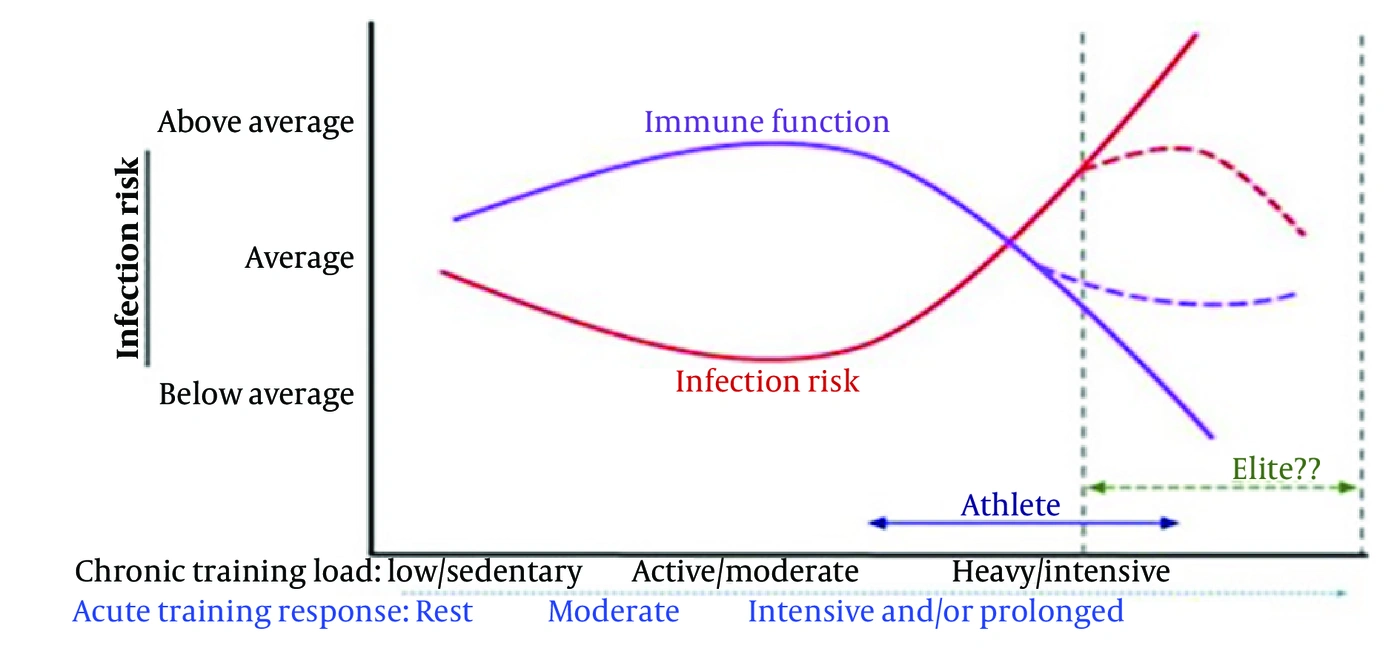
Figure 2.
J-curve of the relationship between exercise intensity and the risk of infectious diseases.
Research indicates that individuals with mild upper respiratory symptoms, such as a runny nose, slight throat discomfort, or sinus pressure, may engage in physical exercise. People with symptoms such as a painful throat, muscle aches, difficulty breathing, overall tiredness, a dry cough, or a high temperature should refrain from physical activity. Typically, approximately 2 to 3 weeks of rest are required to recover from respiratory viral infections, allowing the immune system to generate the essential cytotoxic T cells needed to eliminate the virus from infected cells. Once symptoms have fully resolved, individuals may begin low-intensity sports activities (9, 38).
Research indicates that vigorous and prolonged physical activity during viral infections may hinder immune function, whereas moderate exercise can alleviate inflammation and enhance the body's defense against respiratory viruses (38). Studies suggest that intense and prolonged exertion during viral illness might impair immune responses, whereas moderate exercise can reduce inflammation and improve the body's ability to fight respiratory infections (39). Individuals may appear fit and show no signs of illness; however, the "open window hypothesis" suggests that intense physical exercise can increase infection risk in those who are unaccustomed to such activity (Figure 3).
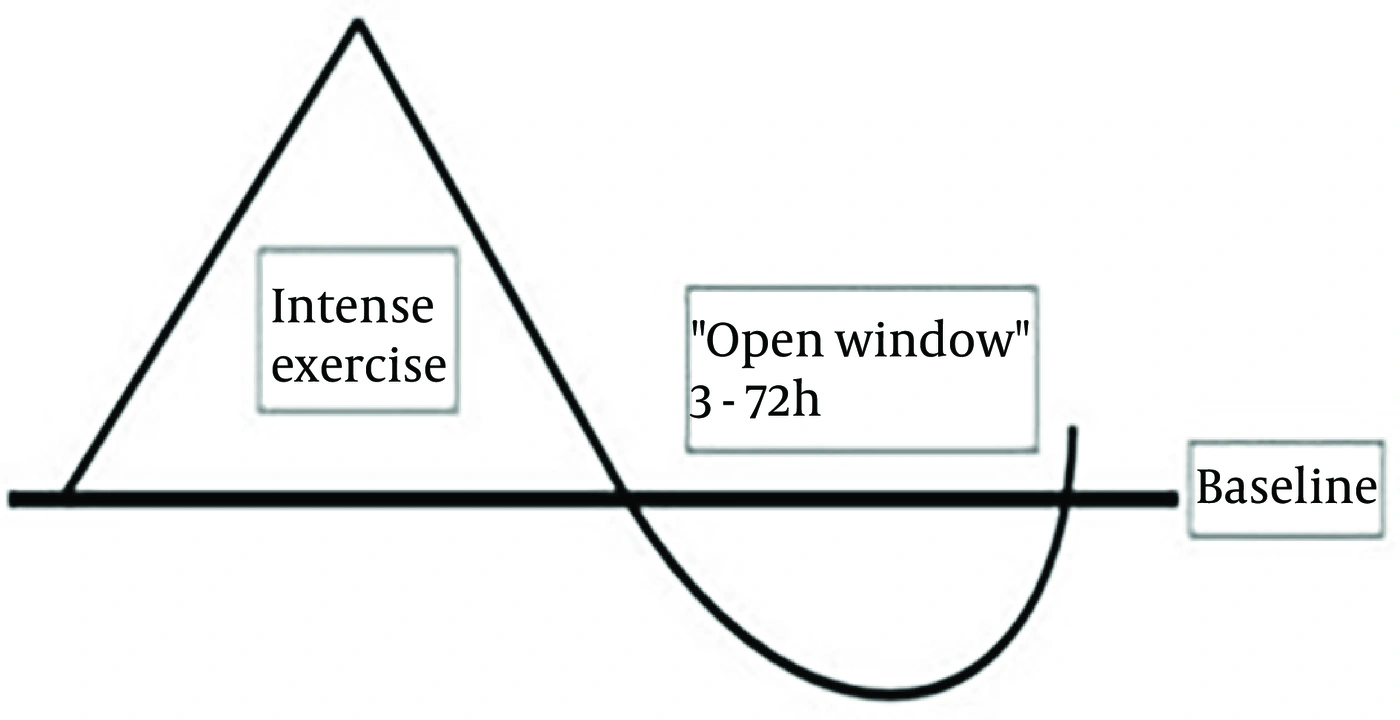
Figure 3.
The open-window hypothesis: decreased immune system function 3 to 72 hours after intense exercise.
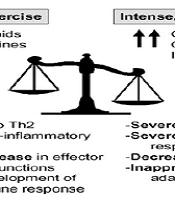
Light-intensity exercise that induces a brief, moderate increase in glucocorticoids, catecholamines, and IL-6 may cause a minor shift from Th1 to Th2 without altering effector-cell function and may strengthen the immune response. Conversely, prolonged vigorous activity produces sustained increases in glucocorticoids, catecholamines, and IL-6, causing a substantial shift from Th1 to Th2, reducing effector-cell activity, and impairing development of the immune response (Figure 4) (50).
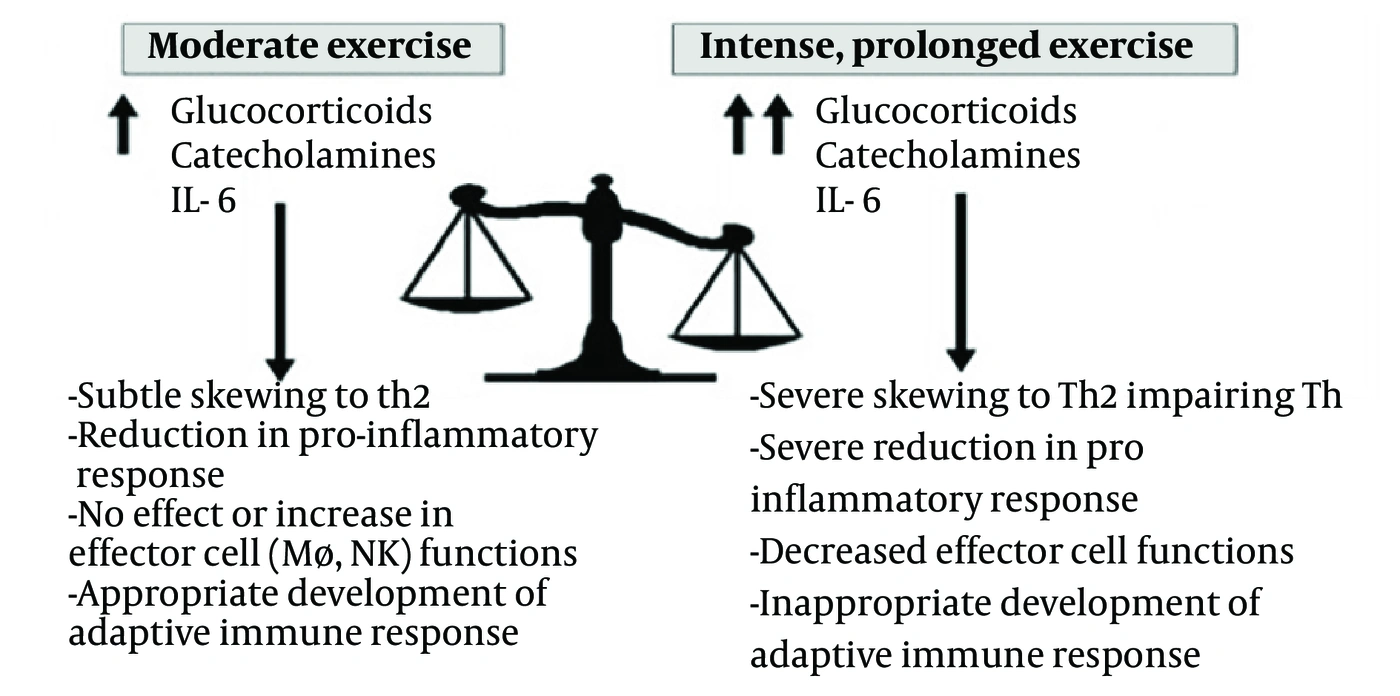
Figure 4.
A model describing the dose-response effect of exercise on Th1 and Th2 immune responses to respiratory viral infection (7).
Consequently, this synthesis confirms the crucial dual role of exercise as both a protective immune measure during the pandemic and a vital tool for multi-system recovery. Our findings, drawn from expert guidelines and observational studies, underscore that engaging in moderate activity is essential to mitigate severe post-COVID risks, such as the high prevalence of chronic dyspnea (OR = 0.93) and the significant functional decline observed in children. However, critical analysis indicates that the current evidence relies heavily on expert consensus (12) and retrospective data (6, 7). This methodological heterogeneity and lack of high-quality randomized controlled trials (RCTs) substantially restrict our ability to quantitatively aggregate results or establish definitive, evidence-based dose-response protocols for rehabilitation. The clinical implications are nonetheless clear and actionable: there is a consensus call for mandatory cardiac evaluation before any return to sport to screen for myocarditis. For long COVID, tailored and progressive exercise programs are necessary to reverse functional deficits and address highly prevalent symptoms such as chronic dyspnea and reduced endurance. Future research must prioritize longitudinal, multicenter RCTs to definitively establish the optimal type, duration, and intensity of exercise required to modulate post-infection inflammation and support full recovery.
4. Conclusions
Individuals infected with COVID-19 can be classified into two groups: those requiring hospital treatment and specialized attention and those who recover without hospitalization. Individuals who recover from this illness frequently experience a range of complications affecting multiple bodily systems, including the cardiovascular, respiratory, circulatory, muscular, and digestive systems. Because clinical research on this topic is insufficient, exercise recommendations can be provided only for individuals who have recovered and have no pre-existing conditions related to the heart, lungs, blood, or blood pressure. These individuals may continue physical activity and obtain the associated improvements in immune function indicated by the J-shaped curve.
Although no studies have specifically examined the impact of regular exercise on the novel coronavirus because of its recent emergence, findings from earlier research on the effects of exercise on the immune system and similar viral infections, such as influenza, suggest that maintaining an active lifestyle and engaging in regular physical activity can improve overall health. Consequently, this may reduce the likelihood of viral infections and support the healing process in individuals who become infected with the virus. Regarding exercise modalities, interval training and resistance training appear to be the most effective for improving cardiorespiratory endurance and muscle power, suggesting that combining resistance exercise with aerobic activity may potentially double the benefits of physical exercise. The ratio of resistance training should remain at 30%, whereas aerobic exercise should account for 70%. It is important to monitor exercise intensity, because rapid and intense activities should be avoided owing to their potential to increase heart rate. In addition, any pain or discomfort in the chest or lung areas at the start of a workout is a critical sign that should prompt cessation of exercise. If adverse findings are observed in quantifiable measures such as Borg's fatigue scale and changes in heart rate and breathing after a minimum of six sessions over two weeks of physical training, the exercises will be halted altogether, as detailed individually in Table 4. Future investigations could include clinical exercise interventions for community members who have recovered from COVID-19 but may still have persistent complications (13).
Table 4.
Prescriptions and Sports Care for Complications Such as COVID-19 a
| The Injured Organ | Prescriptions and Sports Care for Complications Such as COVID-19 |
|---|---|
| Blood | (Based on aerobic exercise) Cardiovascular exercise on most days, preferably daily; resistance exercise 2 - 3 days per week; moderate-intensity aerobic activity at 40% to less than 60% HRR or a rating of perceived exertion of 11 - 13 on a 20-point scale; and 30 - 60 minutes of continuous or intermittent aerobic activity. |
| Heart | Aerobic physical activity: Initially, moderate-intensity activity at 40% to less than 60% HRR at least 3 times per week, progressing at an appropriate time to longer activity at 60% HRR or higher. |
| Lung | Respiratory muscle strengthening: Exercise intensity below 30% of maximum inspiratory pressure, for a maximum of 30 minutes per day or two 15-minute sessions per day, at least 4 - 5 days per week. Aerobic physical activity: At least 3 - 5 days per week at a light intensity (30% to less than 40% of peak workload) or a Borg score of 4 - 6. |
| Digestion | Moderate-intensity aerobic activity daily for 20 - 30 minutes, with avoidance of stress-increasing factors and attention to hydration (fluid intake) and calorie intake. |
| Muscles and Connective Tissues | Aerobic physical activity 3 - 5 days per week at minimal intensity; resistance physical activity 2 - 3 days per week at minimal intensity; avoidance of intense and rapid activity; and attention to flexibility exercises at the pain threshold. |
a If chest pain or a sudden increase in respiratory rate or blood pressure occurs, exercise should be stopped.
Research suggests that combining the previously mentioned activity categories is beneficial for improving overall health and fitness. Because different age groups and social categories show variable responses to the coronavirus and to exercise, sports activities should be tailored to each demographic according to their specific recommendations to avoid additional risks and injuries.