
1. Background
Cancer is a disease characterized by abnormal cell growth, which can metastasize or invade other parts of the body (1). It is the second most common cause of death in the United States and the third most common cause of death in Iran, following cardiovascular diseases. According to United Nations estimates, if current trends continue, one in five people will be affected by some form of cancer (2).
Head and neck cancer is one of the most prevalent types of cancer, originating from various areas such as the skin, nasal cavity, paranasal sinuses, oral cavity, salivary glands, pharynx, and larynx (3). Although younger individuals can develop head and neck cancer, it is more common among middle-aged and elderly people (4). Annually, more than 550,000 patients are diagnosed with head and neck cancer worldwide (2). Men are at higher risk of oral cavity cancer, often due to tobacco and alcohol use (5).
Head and neck cancer can severely impact essential functions such as speech, swallowing, and eating (6). The three primary cancer treatments include surgery, chemotherapy, and radiation therapy (7, 8). In treating this disease, simultaneous chemotherapy and radiotherapy are often employed, which can intensify side effects. Radiotherapy damages both neoplastic and healthy cells by disrupting the nuclear materials required for cell reproduction and survival. Cells that reproduce quickly are particularly vulnerable to radiation's harmful effects. Similarly, chemotherapy has a significant impact on cells with high proliferation rates. Consequently, both treatments can severely damage normal cells that undergo rapid growth. When the oral cavity is within the treatment range, it is prone to various complications (9).
According to research conducted by Zamanzadeh et al. and Mashhadi Abbass et al., patients with head and neck cancer who undergo a combination of chemotherapy, surgery, and radiotherapy are at a higher risk of experiencing oral complications. These complications may include inflammation, wounds, pain, dryness due to reduced saliva secretion, loss of taste sensation, tooth decay, osteoradionecrosis, mucositis, changes in the microbial flora, a weakened host defense against infections, and microbial or fungal colonization in the mouth (5, 9).
In 2002, Mosalaei et al. conducted a study that found that incorporating cisplatin and 5-fluorouracil into chemotherapy regimens for head and neck tumors, alongside radiation therapy, can enhance response rates and reduce the likelihood of recurrence (10). Despite these advantages, patients receiving radiation therapy for these tumors often face oral complications, particularly mucositis, in the treatment area, making the mouth the most frequently affected site during cancer treatment (11-15).
Patients undergoing cancer treatment may encounter serious health risks due to the nature of the disease, especially when complications arise from the treatment process (16). To minimize or prevent oral complications, healthcare professionals, including nurses, doctors, and dentists, must collaborate closely. Oral mucositis and dryness can cause difficulties in speaking, swallowing, and eating, with severe cases sometimes requiring nasogastric catheter feeding. Studies indicate that up to 30% of patients may experience these complications, many of which go unnoticed by medical staff and may cause lasting harm to patients' physical and mental well-being (17).
To help patients cope with the side effects of radiation therapy, it is crucial to provide educational programs that enhance their abilities and skills. Furthermore, measures must be taken to control and manage complications arising from the disease and to provide appropriate treatments. This can be achieved by implementing effective strategies for disease management and patient education (2, 3, 18).
Before commencing radiotherapy, it is essential to have a comprehensive understanding of the patient's oral cavity condition. Pre-treatment examinations can provide healthcare personnel with critical information about the patient's oral health and potential side effects that may occur during radiotherapy. This enables the treatment team to make informed decisions regarding the application of radiotherapy on the oral mucosa and to address side effects competently.
Prioritizing oral health and addressing complications such as dry mouth and mucositis in cancer patients is imperative. Educating patients on managing and preventing these issues is especially important given the high incidence of head and neck cancers. Delivering high-quality care to this patient population should be a top priority, and developing training programs to support their care is essential. Nurses play a pivotal role in ensuring that cancer patients receive the best possible care.
Improving the quality of life for individuals with head and neck cancers involves providing practical strategies to manage the complications associated with the disease. By equipping patients with the tools and knowledge to manage their condition, we can enhance their ability to cope and lead more fulfilling lives.
2. Objectives
This study focuses on the effects of radiotherapy on patients with head and neck cancers who were referred to hospitals affiliated with Zahedan University of Medical Sciences in 2023.
3. Methods
This study was conducted on 60 patients with head and neck cancer who received chemotherapy and radiotherapy at Khatam Al-Anbia and Ali bin Abi Talib hospitals of Zahedan University of Medical Sciences in 2023. The study was experimental and included patients who met specific criteria. These criteria included:
- Age between 20 and 60 years
- First treatment session
- Absence of metastases
- Minimum literacy level
- No oral infection at the beginning of the study
- Consistency in the treatment regimen
Patients who did not meet these criteria were excluded. Additionally, patients who did not provide consent to participate, experienced metastasis or exacerbation of cancer, passed away during the study, or failed to attend one of the training sessions were also excluded.
Eligible patients were enrolled in the study as available and then randomly assigned to either the intervention or control group. Randomization was performed using cards labeled with the group names, placed in identical envelopes. Each participant selected an envelope to determine their group assignment.
Based on Haddad and Karimi’s study, a sample size of 60 individuals was determined, with 30 participants in each group, ensuring a 95% confidence limit and 80% statistical power. The original estimate for each group was 27 participants (19), but this was adjusted upwards to account for potential dropouts and to align with the scope of comparable studies. Consequently, a total sample size of 60 individuals was established, with 30 participants in each group.
S1 = 21.53, S2 = 22.04,
In this research, two tools were used as follows: A standard demographic information form was used to collect data such as gender, age, education level, employment status, place of residence, and whether the patient acts as the primary caregiver. Additional details included underlying medical conditions such as diabetes, a history of addiction, the neutrophil-to-lymphocyte ratio, and the individual's Body Mass Index.
The NCI CTCAE V5, based on the WHO standard scale, is a widely recognized tool for evaluating oral mucositis in cancer patients. This scale was utilized in a 2014 study by Ameri et al. (20). The scale consists of five levels to assess the severity of mucositis, applicable to both patients and healthy individuals. A higher level indicates greater mucositis severity:
- Level 0: Healthy mucosa
- Level 1: Brief discomfort
- Level 2: Presence of an ulcer while still allowing solid food intake (21)
This criterion, published by the oncology group association, has been referenced in various studies in Iran, including the present study (20, 22, 23). The tool's reliability was validated with a Cronbach's alpha of 0.85.
Following approval of the research plan by the university and after making necessary arrangements, the researcher visited the chemotherapy departments of Zahedan University of Medical Sciences' teaching hospitals. Research units for the intervention and control groups were selected randomly based on the entry criteria.
To ensure random allocation, envelopes containing group name cards were prepared and randomly arranged. Participants were gradually selected, and each person chose one envelope to determine their group assignment. After random assignment, the patients were divided into two groups (control and intervention).
Eligible patients were informed about the objectives of the research and provided written consent to participate. Following consent, they completed demographic questionnaires, which were administered to both the intervention and control groups.
Before commencing chemotherapy, both groups underwent oral and dental health evaluations using the CPITN Index (Periodontal Treatment Needs Index), DMFT Index (Dental Health Index), and the Global Oral Mucositis Index following standard practices. These assessments were conducted with the assistance of a dental student. Additionally, the intervention group attended three 45 - 60 minute educational sessions on cancer, prescribed treatments, and oral care, as outlined in Table 1, to ensure they met the entry requirements before beginning the radiotherapy program.
Table 1.
Context of the Supportive Training Program
| Sessions | Contents | Duration (min) |
|---|---|---|
| 1 | Welcome-introduction-statement of intervention goals-number of sessions, and how to implement the intervention-the importance of care in cancer patients, especially treatments related to radiotherapy-explanation about the disease, its symptoms and complications, and management of problems - encouragement to participate in training sessions | 45 - 60 |
| 2 | Review of the content of the previous session effects caused by cancer treatments, especially radiotherapy side effects, including mucositis, dry mouth, dermatitis, education and care about these side effects, emphasis on oral care, how to care for the mouth in 8 areas, including mucositis, xerostomia or dry mouth, caries, tooth pain and sensitivity, bad breath, osteonecrosis, and nutrition-providing feedback from the patient through questions and answers-summarizing the topics | 45 - 60 |
| 3 | Reviewing the content of the previous session - completing the training and care of the prior sessions - ensuring the complete learning of the patient and the effect of the training and practical implementation of the use of dental floss and toothbrush on the replica - providing a training booklet and providing a contact number to answer questions | 45 - 60 |
During the third training session, patients in the intervention group received an educational booklet containing all necessary information. To proceed with radiotherapy, patients in this group were required to have no decayed teeth, verified through dental exams conducted using the DMFT Index. Chemotherapy and radiotherapy were administered by the physician over a 7-week period, requiring in-person visits. Follow-up appointments were scheduled regularly, during which oral exams were conducted, and patients' questions were addressed. At the end of the radiotherapy treatment, the condition of oral mucositis was re-evaluated.
In contrast, the control group received standard training provided by the department to ensure ethical compliance.
The collected data were analyzed using SPSS 27 software. Descriptive statistics, including frequency, percentage, average, standard deviation, minimum, and maximum, were utilized. A paired t-test was conducted to compare the averages within each group before and after the intervention, while an independent t-test was used to compare the averages between the intervention and control groups. Additionally, a chi-square test, Fisher’s exact test, and Mann–Whitney U test were employed to compare the frequency of qualitative variables between the two groups. The significance level for this study was set at less than 0.05.
4. Results
The results of the investigation are summarized in five tables, as follows.
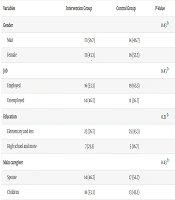
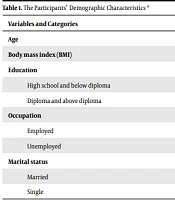
Table 2 presents the demographic characteristics of patients with head and neck cancer, demonstrating the homogeneity of the two groups (constant with P > 0.05).
Table 2.
Demographic Information of Head and Neck Cancer Patients a
| Variables | Invention Group | Control Group | P-Value |
|---|---|---|---|
| Age | 46.06 ± 7.75 | 45.43 ± 7.84 | 0.75 b |
| Neutrophil to lymphocyte ratio | 1.96 ± 0.89 | 2.18 ± 0.96 | 0.36 |
| BMI | 21.08 ± 3.47 | 21.15 ± 4.80 | 0.94 |
| Employee | 16 (53.3) | 19 (63.3) | 0.43 |
| Unemployed | 14 (46.7) | 11 (36.7) | |
| With a history of addiction | 12 (40) | 8 (26.7) | 0.27 |
| Without a history of addiction | 18 (60) | 22 (73.3) | |
| Living in a city | 16 (53.3) | 19 (63.3) | 0.43 |
| Living in a village | 14 (46.7) | 11 (36.7) | |
| Lower than diploma | 23 (76.7) | 25 (83.3) | 0.51 |
| Higher than diploma | 7 (23.3) | 5 (16.7) | |
| Men | 17 (56.7) | 14 (46.7) | 0.43 c |
| Women | 13 (43.3) | 16 (53.3) | |
| Main caregiver (wife) | 14 (46.7) | 17 (56.7) | 0.43 |
| Main caregiver (children) | 16 (53.3) | 13 (43.3) | |
| Having a history of underlying disease | 90 (30) | 5 (16.7) | 0.22 |
| Without a history of underlying disease | 21 (70) | 25 (83.3) |
a Values are expressed as mean ± SD or No. (%).
b Independent t-test.
c Chi-square test.
According to the CPITN Index, the study revealed the following findings:
- Healthy gums were more prevalent in the intervention group (30%) compared to the control group (16.66%).
- Bleeding gums were observed in a higher percentage in the intervention group (26.66%) than in the control group (36.66%).
- Dental caries were more frequent in the control group (46.66%) compared to the intervention group (36.66%).
- A periodontal middle pocket was found exclusively in the intervention group (6.66%) and not in the control group (0%).
Fisher's exact test indicated no statistically significant difference in the distribution of the CPITN Index between the two groups (P < 0.31) (Table 3).
Table 3.
Comparison of the Frequency Distribution of the Community Periodontal Index of Treatment Needs Index in Head and Neck Cancer Patients Undergoing Radiotherapy in the Intervention and Control Groups
| Grades | Intervention Group a | Control Group a | Result of Fisher's Exact Test |
|---|---|---|---|
| Grade 0 (healthy) | 9 (30) | 5 (16.66) | df = 3; P = 0.31 |
| Grade I (bleeding gums) | 8 (26.66) | 11 (36.66) | |
| Grade II (dental plaque) | 11 (36.66) | 14 (46.66) | |
| Grade III (periodontal middle pocket) | 2 (6.66) | 0 (0) | |
| Total | 30 (100) | 30 (100) |
a Values are expressed as No. (%).
The investigation conducted at the beginning of chemotherapy revealed that the average tooth decay in the intervention group was 6.26 ± 2.37, while it was 6.13 ± 1.77 in the control group. The results indicated that there was no significant difference in tooth decay between the two groups (P > 0.80). Furthermore, the average number of extracted teeth in the intervention group was 9.03 ± 7.63, compared to 6.90 ± 7.24 in the control group. However, the difference in the number of extracted teeth was not statistically significant (P > 0.27). The average number of restored teeth in the intervention group was 1.23 ± 1.43, while it was 2.10 ± 2.02 in the control group. Nevertheless, the difference in the average number of restored teeth between the two groups was not statistically significant (P > 0.06). Finally, the average DMFT Index in the intervention group was 16.53 ± 7.56, while it was 15.13 ± 7.07 in the control group. The results did not show a statistically significant difference between the two groups (P > 0.46) (Table 4).
Table 4.
Average Decayed, Missing, and Filled Teeth Index and Its Components in the Intervention and Control Groups at the Start of Chemotherapy
| Variables | Intervention Group a | Control Group a | Independent t-Test Result |
|---|---|---|---|
| Tooth decay (decay) | 6.26 ± 2.37 | 6.13 ± 1.77 | t = 0.249; df = 58; P = 0.80 |
| Missing tooth | 9.03 ± 7.63 | 6.90 ± 7.24 | t = 1.11; df = 58; P = 0.27 |
| Restored tooth (filling) | 1.23 ± 1.43 | 2.10 ± 2.02 | t = -1.91; df = 58; P = 0.06 |
| DMFT | 16.53 ± 7.56 | 15.13 ± 7.07 | t = 0.74; df = 58; P = 0.46 |
Abbreviation: DMFT, decayed, missing, and filled teeth.
a Values are expressed as mean ± SD.
According to the investigation conducted at the start of radiotherapy, the average tooth decay in the intervention group was 3.16 ± 1.72, while in the control group, it was 3.63 ± 1.88. The difference in tooth decay between the two groups was statistically insignificant (P > 0.32). Similarly, the average number of extracted teeth in the intervention group was 10.96 ± 7.78, while in the control group, it was 7.53 ± 7.33. The difference in the number of extracted teeth was also statistically insignificant (P > 0.21). Moreover, the average number of restored teeth in the intervention group was 2.53 ± 1.35, while in the control group, it was 2.86 ± 1.97. The difference in the number of restored teeth between the two groups was statistically insignificant (P > 0.45). The average DMFT Index in the intervention group was 16.53 ± 7.56, while in the control group, it was 15.13 ± 7.07. There was no statistically significant difference between the two groups (P > 0.46) (Table 5).
Table 5.
Average Decayed, Missing, and Filled Teeth Index and Its Components in the Intervention and Control Groups at the Start of Radiotherapy
| Variables | Intervention Group a | Control Group a | Independent t-Test |
|---|---|---|---|
| Tooth decay (decay) | 3.16 ± 1.72 | 3.63 ± 1.88 | t = -1.00; df = 58; P = 0.32 |
| Missing tooth | 10.96 ± 7.78 | 7.53 ± 7.33 | t = 1.24; df = 58; P = 0.21 |
| Restored tooth (filling) | 2.53 ± 1.35 | 2.86 ± 21.97 | t = -1.76; df = 58; P = 0.45 |
| DMFT | 16.53 ± 7.56 | 15.13 ± 7.07 | t = 0.74; df = 58; P = 0.46 |
Abbreviation: DMFT, decayed, missing, and filled teeth.
a Values are expressed as mean ± SD.
The results in the table show that, at the end of radiotherapy, following the educational-care intervention, there was a statistically significant difference between the two groups in terms of the severity of mucositis, as determined by the Mann–Whitney U test (P < 0.001) (Table 6).
Table 6.
Comparison of the Severity of Mucositis in the Intervention and Control Groups at the End of Radiotherapy
| Grades | Intervention Group a | Control Group a | Result of Mann-Whitney U Test |
|---|---|---|---|
| Without mucositis (grade 0) | 3 (10) | 0 (0) | Mann-Whitney U = 203.5; Z = -3.78; P = 0.001 |
| Pain and erythema (grade I) | 11 (36.7) | 5 (16.7) | |
| Having a wound and being able to eat solids (grade II) | 12 (40) | 7 (23.3) | |
| The presence of soreness and the need for a liquid diet (grade III) | 4 (13.3) | 13 (43.3) | |
| The presence of sore and the inability to feed (grade IV) | 0 (0) | 5 (16.7) | |
| Total | 30 (100) | 30 (100) |
a Values are expressed as No. (%).
5. Discussion
According to the research findings, patients who received the intervention during radiotherapy exhibited a significant difference in mucositis severity scores compared to the control group (P < 0.001). Both groups had similar treatment regimens and DMFT indicators, which assess gum and tooth condition, further confirming the effectiveness of the intervention. This study is unique in that it measured these criteria before and after the intervention, while also highlighting the homogeneity between the two groups, setting it apart from other studies. Given that oral complications, particularly mucositis, are a critical concern in the treatment of head and neck cancer patients, mucositis caused by radiotherapy is regarded as one of the most distressing acute side effects for these patients. Severe mucositis can disrupt the treatment plan, sometimes leading to the cessation of therapy and a reduction in patient survival (24, 25). To minimize hospitalization time and the need for additional interventions, it is crucial to address these complications. In line with the present study, several studies indicate that educational programs can play a key role in controlling and managing mucositis in cancer patients. Among the studies demonstrating the positive effects of such educational methods are those by Rahmani et al., Arbabi Sarjou et al., Mohammad Soltani et al., Taheri et al., Logan et al., and Kostler et al. (23, 24, 26-29).
Treatment of these patients can lead to various issues concerning dental and throat health (24, 30). However, no study similar to the objectives of this research exists. While there are many studies on children with leukemia and the management of mucositis using traditional medicine or other treatment methods (23-26, 31, 32), the society and working methods in those studies differ from the present one, particularly in terms of the target patient population. Nevertheless, given the significance and prevalence of oral mucositis in cancer patients, managing oral issues in those with head and neck cancer remains a priority. Educating patients with head and neck cancers about the oral problems they might encounter and how to perform preventive and therapeutic measures can significantly improve their quality of life (33, 34). Raising awareness and presenting treatment protocols to the healthcare team is essential in addressing mucositis. The study by Pourparvar et al., which focused on controlling the side effects of radiotherapy in oral cavity cancers, investigated optimal doses to protect organs at risk (35). Additionally, Karami et al.'s study on the effect of zinc gluconate mouthwash in preventing mucositis after receiving a high dose of methotrexate demonstrated that the use of zinc mouthwash significantly reduces the incidence, course, and severity of mucositis during chemotherapy (25). Mashhadi Abbass et al. examined the microscopic changes in the lining cells of normal oral mucosa affected by radiotherapy and chemotherapy in patients with head and neck cancer. They found that the simultaneous use of these two treatments caused abnormalities in the nucleus and cytoplasm, cell abnormalities, cell vacuolization, and the appearance of defective cells (9). Other studies have explored the effects of chamomile mouthwash in reducing head and neck mucositis, the impact of vitamin E in preventing mucosal inflammation, and the effects of allopurinol mouthwash in controlling oral lesions following chemotherapy in head and neck cancer patients (31, 32, 36).
It is apparent that the published studies on this subject have primarily focused on the treatment staff, and in most cases, patients were unable to directly apply the described protocols (37-39). In contrast, this study emphasizes the cooperation of multidisciplinary teams involved in the treatment process, which holds significant value. In most studies, education alone is deemed sufficient (23, 24, 40-42). The current study’s objective is prevention, and experts, including a dentist, have been involved to evaluate the condition of the mouth and teeth at the start of the study, then re-examine the patient before radiotherapy, ensuring the absence of decayed teeth, followed by regular follow-up. Patients in this study were seen weekly, highlighting the distinctive characteristics of this research in terms of technique and methodology. During the follow-up period, one patient from the intervention group and three patients from the control group were removed from the study due to the severity of mucositis.
Other strengths of the current study include the development of a comprehensive educational booklet aimed at raising patient awareness about potential issues, including oral problems. This booklet was created using the most up-to-date available resources, which have been approved by oncologists and dentists. It is a unique and thorough resource that educates patients on how to care for their mouths in eight areas: Mucositis, xerostomia (dry mouth), tooth decay, tooth pain and sensitivity, bad breath, osteonecrosis, and prescribed nutrition during the chemotherapy phase. Furthermore, providing specific oral care tools such as a soft toothbrush, dental floss, and appropriate toothpaste to study participants, along with teaching them how to use these tools correctly with the research team—and, in some cases, with the help of a dental replica—proved effective in helping patients understand the material and stay motivated.
Moreover, the involvement of a dentist to implement appropriate interventions in necessary situations is one of the most valuable aspects of this study. This sets the current study apart from others conducted in the field and underscores the critical role of the treatment team, especially the dentist, in managing the care of these patients.
5.1. Limitations
The limitations of this research are related to the sample population and the time frame, which restrict the generalization of the results to other groups. Economic conditions may also influence access to dental services. While this study was conducted over a relatively short period, it is recommended that future research be conducted over longer periods to better assess the outcomes. Regarding the professional role of dentists in managing oral difficulties, it is clear that a team approach contributes to successful treatment for this patient group. This study highlights the significant role of the treatment staff, particularly dentists, as crucial and influential factors in managing oral infections and planning for the treatment of mucositis. Strengthening the team approach to managing these patients' issues could enhance treatment efficiency, improve patient survival, and enhance their quality of life. Therefore, it is essential to continue exploring these collaborative efforts.