Fulltext
Full text is available in PDF
Official Journal of Research Center for Gastroenterology and Liver Diseases
Authors
Background and Aims: Hepatitis C virus (HCV) entry, as the first key step during virus infection, includes cell attachment, interactions of virus envelope proteins with receptors or co-receptors on cell surface, membrane fusion and so on. Human CD81 is identified as an important receptor for HCV, which is known to interact with HCV E2 protein. The objectives of this study were to further determine the association between CD81 and HCV cell entry and provide information for the exploring of new anti-HCV agents.
Methods: In this study, the recombinant plasmid pEGFP-CD81 was firstly constructed using green fluorescence protein (GFP) as reporter gene. Six small interfering RNAs (siRNA) targeting the open reading frame (ORF) or 3'-nontranslated region (3'-NTR) of CD81 genome were transcribed in vitro and transfected into pEGFP-CD81 expressing cells for the screening of silence effect. The most effective siRNA was selected to construct the short hairpin RNA (shRNA) - expressing plasmid pGCsi-CD81, which was stably transfected into Huh7.5 cells. After screening by G418, two cell clones with the CD81 expression levels mostly reduced were infected with HCV pseudoparticles (HCVpp) or cell culture derived infectious HCV (HCVcc), while the cells stably transfected with an irrelevant siRNA were used as negative control.
Results: Our results showed that the Huh7.5 cells where CD81 was silenced were completely resistant to infection by HCVpp or HCVcc, while those cells stably transfected with an irrelevant siRNA were sensitive to HCV infection.
Conclusions: These data underscore the importance of CD81 as a receptor for HCV, and provide an approach for investigating the association between CD81 and HCV cell entry, which may be of potential value in the development of novel prophylactic or therapeutic agents for HCV infection.
© 2012, Author(s). This open-access article is available under the Creative Commons Attribution 4.0 (CC BY 4.0) International License (https://creativecommons.org/licenses/by/4.0/), which allows for unrestricted use, distribution, and reproduction in any medium, provided that the original work is properly cited.
Ding H, Liu Y, Bian Z, Wu W, Zhao P, et al. Stably Silencing of CD81 Expression by Small Interfering RNAs Targeting 3'-NTR Inhibits HCV Infection. Hepat Mon. 2008;8(4):. doi: https://doi.org/10.5812/numonthly.3528
Brunotto M, Mina S. Stably Silencing of CD81 Expression by Small Interfering RNAs Targeting 3'-NTR Inhibits HCV Infection. Hepat Mon. 2011;11(2):. doi:
Behzadi MA, Alborzi A, Pouladfar G, Dianatpour M, Ziyaeyan M. Expression of NS3/NS4A Proteins of Hepatitis C Virus in Huh7 Cells Following Engineering Its Eukaryotic Expression Vector. Jundishapur J Microbiol. 2015;8(11):e59919. doi: https://doi.org/10.5812/jjm.27355
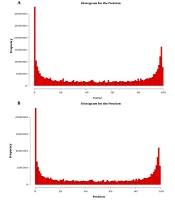
Dong J, Wu T, Zhang Y, Xie Z, He J. Transcriptome and MicroRNAs Profiling Analysis of Huh7.5.1 Cells in Response to Hepatitis C Virus Infection. Hepat Mon. 2021;21(8):e118724. doi: https://doi.org/10.5812/hepatmon.118724
Alavian SM. Hepatitis C Viral Heterogeneity Based on Core Gene and an Attempt to Design Small Interfering RNA Against Strains Resistant to Interferon in Rawalpindi, Pakistan. Hepat Mon. 2012;12(4):. doi: https://doi.org/10.5812/hepatmon.869
Last Update: 3 weeks ago
Last Update: 3 weeks ago
Last Update: 3 weeks ago
Last Update: 2 hours ago
Last Update: 8 hours ago
Last Update: 4 days ago