Fulltext
The genus name Kluyvera species was first described in 1936 by Kluyvera et al[1]. Until recently, they were believed to be saprophytic non-pathogenic microorganisms, but latest studies indicated that serious clinical infections such as bacteremia, soft tissue infections, intraabdominal abscess and urinary tract infections may occur[2,3]. So, recognition of the disease and its potentials along with the antibacterial spectrum in neonatal population is important to start an effective treatment and to reduce morbidity and mortality.
An eight-day-old boy with hypoglycemia and thrombocytopenia was referred to our NICU for further investigation and treatment (birth weight: 2500 g). On day 5 of life, he was immediately hospitalized in the medical center with the complaint of poor feeding and cyanosis. He was treated with ampicillin and amikasin for suspected sepsis. On the third day of admission, vancomycin and meropenem were initiated since clinical condition did not improve with prior therapy.
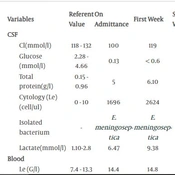
Physical examination revealed an evidently sick boy with a pulse rate of 152/min, respiration rate 54/min, blood pressure 120/80 mmHg, temperature 36.9ËC, oxygen saturation 95%. The rest of the physical examination was unremarkable. Abnormal laboratory findings showed the following results: platelet count 38000/L, C-reactive protein 94.8 mg/L. Blood culture and urine culture were taken and vancomycin and meropenem continued at the previously initiated dose. Cranial ultrasound showed no sign of intracranial hemorrhage and ventricular dilatation. Platelet suspension was given since platelet count decreased to 22 000/L. Lumbar puncture was performed after platelet count rose above 50.000/L. In the blood culture, Kluyvera species were isolated. Urine and cerebrospinal fluid cultures remained sterile.
Kluyvera species are present ubiquitously in the environment, especially in water and soil, and also have been regarded as normal flora of the human digestive tract. It is classified into four subgroups as K. ascorbata, K. cryocrescens, K. georgiana, and K. cochleae. K. ascorbata accounts for most of the pediatric infections. Virulence factors in the pathogenesis of the Kluyvera species, like other Enterobacteriaceae, are considered to be lipopolysaccharide and surface antigens. Unlike other Entero¬bacteriaceae, the organism demonstrated the ability of using citrate, malonate, decarboxylating lysine and ornithine, and producing large quantities of α-ketoglutaric acid during the fermentation of glucose[4].
In medical literature, we found a small number of case reports about neonatal infection caused by Kluyvera species. In a study conducted by Carter et al[2], of the 15 pediatric patients with Kluyvera sepsis, only two cases were newborns and isolated agent was Kluyvera ascorbata in hemoculture and urine culture. Koroglu et al[5] reported a case of a preterm baby who was successfully treated for Kluyvera cryocrescens in the 3rd week of life. Rosso et al[6] described the first case of central nervous system infection caused by Kluyvera species in a newborn. In another case study, blood stream infection caused by Kluyvera cryocrescens was observed in a 2-year-old boy. Previously having been diagnosed with primary neuroectodermal tumor, he had a Hickman catheter for 4 months.
There are a limited number of published case series in the literature about the risk factors that contributed to Kluyvera sepsis in neonates[6,7]. Immunological evaluations of our case including serum total immunoglobulin G subgroups, IgA and IgM levels, T and B lymphocyte profile, nitro blue tetrazolium, total hemolytic complement activity at the age of 4th months were found to be normal. He was discharged from the hospital without sequel. He is now 6 months old and has been followed on as an outpatient case. No sepsis episode caused by Kluyvera species or other bacteria was seen during 6 months of follow-up.
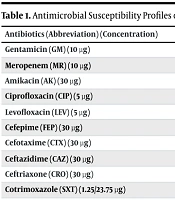
Kluyvera species are usually sensitive to third-generation cephalosporins, amikasin, imipenem, ami¬noglicoside, aztreonam, fluoroquinolones and tetracycline. More recently, these microorganisms have shown the trend of increasing resistance to commonly used antibiotics, which is mediated by producing β-lactamases due to its ability to transfer gene encoding for CTX-M-type extended spectrum β-lactamases to other Enterobacteriaceae[7,8]. This will result in the narrowing of effective options to treat infections caused by these organisms. In our patient, the bacteria were found to be sensitive to meropenem, ciprofloxacin, piperacillin-tazobactam, levofloxacin, gentamicin, amikacin, ceftazidime, cefotaxime and ampicillin/sulbactam but resistant to ampicillin, cefazolin, cefoxitin. Repeat blood cultures were negative for growth. Vancomycin treatment was discontinued on the fifth day of admission. Meropenem treatment was continued until 21st day.
Kluyvera species have been increasingly reported to be associated with severe infections in newborns. Therefore, clinicians should be aware of these potentially morbid and multidrug resistant Kluyvera infections.