Innovative Journal of Pediatrics
The Scientific Journal of Growth & Development Research Center
e-ISSN 3117-5341
Image Credit:Inn J Pediatr
Outline
Delayed Meconium Passage in Small vs. Appropriate for Gestational Age Preterm Infants: Management and Short-Term Outcome
Authors
Raith Wolfgang 1,*, Resch Bernhard 2, Pichler Gerhard 3, Zotter Heinz 4, Urlesberger Berndt 5, Mueller Wilhelm 6
Published online:Nov 25, 2012
Article type:Research Article
Received:Jul 01, 2012
Accepted:Jul 11, 2012
How to Cite:Wolfgang R, Bernhard R, Gerhard P, Heinz Z, Berndt U, et al. Delayed Meconium Passage in Small vs. Appropriate for Gestational Age Preterm Infants: Management and Short-Term Outcome. Inn J Pediatr. 2013;23(1):. doi:
Abstract
Objective: Delayed passage of stool is a result of both gestational immaturity and illness severity. Small for gestational age (SGA) preterm infants are at high risk of gastrointestinal (GI) complications. We aimed to analyse the effects of a strict nutrition and stool protocol on GI problems in SGA compared to appropriate for gestational age (AGA) preterm infants
Methods: Retrospective cohort analysis including all preterm infants with delayed meconium passage hospitalized at the Neonatal Intensive Care Unit of the Medical University of Graz, Austria. Infants were identified by a local data system and by the use of a strict feeding and stool protocol between 2001 and 2009. Main outcome parameters included neonatal morbidity, surgical intervention and mortality.
Findings: Twenty-six SGA (median GA 28.6 weeks, birth weight 825 grams, 46% males) were compared to 101 AGA (median GA 28.4 weeks, birth weight 1168 grams, 55% males) preterm infants. Clinical signs of delayed meconium passage did not differ significantly between groups. Differences regarding percentage of necrotizing enterocolitis, ileus, spontaneous intestinal perforation, and surgical intervention did not differ between groups. Mortality rate was significantly higher in SGA (11.5%) compared to AGA (2.9%) infants (P=0.03).
Conclusion: Despite similar morbidity SGA infants exhibited higher lethal complication rates following delayed meconium passage compared to AGA infants.
Highlights
References
- 1.References are available on the PDF.
Copyright
© 2013, Author(s). This open-access article is available under the Creative Commons Attribution 4.0 (CC BY 4.0) International License (https://creativecommons.org/licenses/by/4.0/), which allows for unrestricted use, distribution, and reproduction in any medium, provided that the original work is properly cited.
Similar Articles
30
Jun
2012
Early versus Late Trophic Feeding in Very Low Birth Weight Preterm Infants
Golnesa Sahnazarli,
Morteza Ghojazadeh,
Niloofar Satarzadeh,
Fazileh Bashar-Hashemi,
Akram Sallakh-Niknezhad
Sahnazarli G, Ghojazadeh M, Satarzadeh N, Bashar-Hashemi F, Sallakh-Niknezhad A. Early versus Late Trophic Feeding in Very Low Birth Weight Preterm Infants. Inn J Pediatr. 2015;22(2):. doi:
14
Sep
2020
Small for Gestational Age is an Independent Risk Factor for Neurodevelopmental Impairment
Joanna Hubert,
Maja Gilarska,
Małgorzata Klimek,
Magdalena Nitecka,
Grażyna Dutkowska,
Przemko Kwinta
Hubert J, Gilarska M, Klimek M, Nitecka M, Dutkowska G, et al. Small for Gestational Age is an Independent Risk Factor for Neurodevelopmental Impairment. Inn J Pediatr. 2020;30(5):e84628. doi: https://doi.org/10.5812/ijp.84628
14
Aug
2014
Motor Developmental Status of Moderately Low Birth Weight Preterm Infants
Azita Tavasoli,
Faranak Aliabadi,
Rooholah Eftekhari
Tavasoli A, Aliabadi F, Eftekhari R. Motor Developmental Status of Moderately Low Birth Weight Preterm Infants. Inn J Pediatr. 2014;24(5):. doi:
14
Apr
2014
Prophylactic Probiotics for Prevention of Necrotizing Enterocolitis (NEC) in Low Birth Weight Neonates; Quality of the Evidence
Mario Augusto Rojas
Rojas MA. Prophylactic Probiotics for Prevention of Necrotizing Enterocolitis (NEC) in Low Birth Weight Neonates; Quality of the Evidence. Arch Pediatr Infect Dis. 2014;2(2):231-232. doi: https://doi.org/10.5812/pedinfect.15320
8
Oct
2023
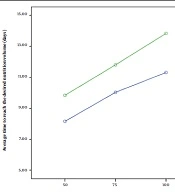
Granulocyte Colony-Stimulating Factor (G-CSF): Is It Effective for Feeding Tolerance in Very Low Birth Weight Infants?
Zahra Akbarian Rad,
Elham Farahanian,
Mousa Ahmadpour-Kacho,
Yadollah Zahedpasha,
Soraya Khafri,
Zahra Valizadeh-Chari
,et al.Akbarian Rad Z, Farahanian E, Ahmadpour-Kacho M, Zahedpasha Y, Khafri S, et al. Granulocyte Colony-Stimulating Factor (G-CSF): Is It Effective for Feeding Tolerance in Very Low Birth Weight Infants?. Inn J Pediatr. 2023;33(5):e139592. doi: https://doi.org/10.5812/ijp-139592
Cited by
- Scopus by DOI: 0
Last Update: 2 weeks ago
- Scopus by Title: 11
Last Update: 2 weeks ago
- Scopus by Title (Ref): 0
Last Update: 2 weeks ago
- CrossRef: 0
Last Update: 5 hours ago
- OpenAlex: 0
Last Update: 7 hours ago
- OpenCitations: 0
Last Update: 5 days ago
Comments
Number of Comments:0