
1. Background
Substance use disorders (SUDs) are complex conditions that affect not only individuals but also their families and social environments (1, 2). Although the biological and psychological causes and consequences of addiction have been widely studied, less attention has been paid to family dynamics that may influence recovery (3). Family members, consciously or unconsciously, may impede treatment through maladaptive relational patterns.
One such pattern involves codependency-related behaviors, a concept first identified in alcoholism research and later extended to broader relational dysfunctions (4). Emerging in the 1940s and later popularized through Alcoholics Anonymous (5), codependency-related behaviors describe dysfunctional relational processes in which family members become psychologically enmeshed with the person who uses substances. Previously labeled “co-alcoholics” or “enablers,” such individuals may exhibit compulsive caregiving, blurred interpersonal boundaries, and loss of self-identity. Over time, the concept expanded to include mechanisms linked to childhood trauma, emotional neglect, and interpersonal insecurity.
Despite decades of attention, codependency-related behaviors remain controversial and poorly defined. Definitions range from personality-based models and interpersonal behavior patterns to psychological defense mechanisms (6). This conceptual inconsistency has limited empirical clarity and hindered the development of evidence-based interventions. While some scholars conceptualize codependency-related behaviors as a pathological condition (7), others consider them an adaptive response to chronic relational stress or trauma (5, 8).
Although codependency-informed insights provide a vocabulary for describing maladaptive family interactions, this conceptual ambiguity highlights the need for more integrative and context-sensitive frameworks.
Definitions from major institutions describe codependency as unhealthy dependence on a controlling or manipulative person, often a person with addiction; a dysfunctional relationship involving psychological dependence on a person with addiction; or relationship-related issues. These descriptions reflect substantial variability, ranging from psychopathology to broader relational and identity patterns. Such relational processes may interfere with treatment and recovery, supporting attention to family dynamics rather than discrete diagnostic labels.
Given this inconsistency, codependency-related behaviors may be better understood not as a discrete clinical syndrome but as a multilevel relational process operating at interpersonal, intrafamilial, and intrapsychic levels within chronic conditions such as SUDs. From this perspective, the concept is valuable less for defining a specific disorder and more for highlighting maladaptive family dynamics that may sustain cycles of distress and interfere with recovery.
SUDs are a major public health concern in Iran (9), which has developed one of the world’s largest addiction treatment and harm reduction networks (10); however, few studies have explored codependency-related constructs, often focusing instead on marital conflict (11, 12) or obsessive-compulsive disorders. While recent studies have examined relatives of substance users (13-16) and even the treatment of codependency-related behaviors (17), no previous study, to our knowledge, has specifically investigated these relational dynamics from the perspectives of both family members and treatment providers.
Given the central role of family systems in Iranian society, culturally grounded research on relational dynamics is essential. Such work may improve the contextual relevance of existing theories and inform the development of effective family-oriented interventions.
Recent qualitative studies in substance-use research have similarly used lived-experience and professional accounts as complementary sources to develop a multidimensional understanding of a shared phenomenon while preserving the distinct analytic status of each perspective (18, 19). Such multi-perspective designs are intended to broaden contextual interpretation rather than establish equivalence between participant groups or validate one group’s accounts through another.
2. Objectives
The present study aimed to explore the lived experiences of wives and parents of people with substance use disorders (PWSUDs), focusing on relational and interactional family dynamics as described and understood by participants. It also incorporated healthcare providers’ perspectives to contextualize these dynamics within clinical practice and service delivery. The study constituted the formative phase of a broader project to develop a culturally sensitive family intervention for parents and wives of PWSUDs.
3. Methods
3.1. Study Design
This study employed a qualitative research design to explore relational and interactional family dynamics among wives and parents of PWSUDs recruited from urban outpatient addiction treatment clinics in Tehran and Isfahan, including patterns often described through a codependency-informed lens. A qualitative approach was selected to capture the complexity and depth of lived experiences that are typically inaccessible through quantitative methods.
This multi-perspective qualitative study used two complementary but analytically distinct data sources. Family interviews provided the primary lived-experience accounts, whereas key-informant interviews contextualized these accounts within clinical and sociocultural settings. The two groups were not included for direct comparison or validation of one another.
Semi-structured, in-depth interviews were conducted with spouses (wives) and parents (mothers and fathers) of PWSUDs in outpatient substance use treatment clinics across Tehran and Isfahan. In addition, key-informant interviews were conducted with professionals working in addiction and/or the treatment of codependency-related behaviors, either in person or via virtual platforms.
The study was guided by a constructivist paradigm, emphasizing participants’ subjective meanings and interpretations of their lived experiences. Interview questions were designed to elicit not only descriptions of experiences but also how participants made sense of those experiences over time, particularly regarding their roles, emotions, and relationships. Open-ended prompts encouraged participants to define key concepts (e.g., “support,” “role”) in their own terms.
A pilot test of the interview guide was conducted to assess clarity, cultural sensitivity, and participant comfort. Based on feedback, several modifications were made. Questions implying “enabling” or personal responsibility for a family member’s substance use provoked defensive reactions and were reframed to focus on supportive and protective roles. Direct questions about personal “mistakes” were revised into reflective prompts exploring potential changes participants might have made. Questions addressing power dynamics directly were identified as culturally sensitive and were therefore rephrased or approached indirectly. These refinements improved the guide’s acceptability and effectiveness. This manuscript follows the Standards for Reporting Qualitative Research (SRQR) (Appendix 1 in the Supplementary File) (20).
3.2. Participants
Purposive and referral-based sampling was used to recruit both family members and professional informants. Family participants were recruited from selected outpatient addiction treatment clinics in Tehran and Isfahan. Wives, mothers, and fathers who accompanied a spouse or child receiving treatment were approached by a research team member at the clinic. Eligibility criteria included: 1) being a spouse or parent of a PWSUD; 2) being aged 18 years or older; 3) having sufficient spoken and written Persian proficiency to understand the study information and participate in the interview; 4) having the capacity to provide informed consent, demonstrated by understanding and clearly communicating the study procedures, the voluntary nature of participation, and relevant rights; and 5) willingness to participate. Sample adequacy was determined by data richness and the separate achievement of saturation in the family-member and key-informant groups, rather than by numerical quotas. The study was not designed to compare wives, mothers, and fathers; instead, their accounts were used to examine shared relational dynamics within the family as an interconnected system. The smaller number of fathers and the absence of husbands nevertheless limited role-specific interpretations.
The study purpose, procedures, approximate interview duration, confidentiality safeguards, and the right to decline or withdraw at any time without affecting the relative’s treatment were explained. Eligible individuals who expressed interest provided written informed consent and were invited to an interview in a private, quiet room.
Some potentially eligible individuals declined participation, most commonly because of time constraints, the need to leave the clinic promptly, or privacy concerns. Because refusals and their reasons were not systematically documented, the refusal rate could not be determined. No participant withdrew after providing consent or during the interview.
Key-informant interviews were conducted with professionals in psychiatry, psychology, social work, medicine, and peer-led recovery groups. Informants were recruited through purposive and referral-based sampling. Initial informants were identified based on more than 15 years of relevant experience and familiarity with family relational challenges in the Iranian context. Additional eligible informants, particularly those involved in recovery groups, were identified through recommendations from previously contacted informants and professional networks. Key-informant interviews were analyzed separately from family interviews and used as a complementary clinical and contextual data source. Saturation was assessed separately within each participant group, and recruitment continued until additional interviews generated no substantively new topics or themes.
3.3. Data Collection
Data were collected between September 2023 and April 2024. Interviews with family members were conducted in private, confidential treatment settings to encourage openness and emotional safety; each session lasted 45 - 60 minutes. An interview guide was developed to elicit rich narrative data on family functioning, emotional challenges, and perceived roles in addiction and recovery. Sample questions included:
- “Can you describe your experiences living with a spouse or child who has a substance use disorder?”
- “How do you perceive your role in their recovery process?”
- “What challenges have you faced in managing your relationship?”
- “Why do you think previous treatment attempts may have failed?”
- “If you could change something in the past, what would it be?”
Appendix 2 in the Supplementary File presents the interview guide used with family members. Depending on responses, the interviewer had autonomy to skip, emphasize, or add questions. All interviews were audio-recorded with informed consent and transcribed verbatim. Key-informant interviews lasted 90 - 150 minutes, were recorded and fully transcribed, and breaks were offered to reduce fatigue. The main expert interview questions included: comprehensive definitions and symptoms of codependency-related behaviors; causes and risk factors; effects on family functioning and quality of life; effective interventions; barriers to service access; gaps in the treatment of codependency-related behaviors; and recommendations for designing therapeutic interventions for Iranian families. The term “codependency” was used as an orienting concept to facilitate discussion, not to impose a predefined framework.
3.4. Data Analysis
Data were analyzed using reflexive thematic analysis following the six-phase approach of Braun and Clarke (21): 1) familiarization through immersive reading; 2) inductive generation of initial codes; 3) construction of candidate themes by clustering related codes; 4) iterative review and refinement of themes; 5) defining and naming themes; and 6) producing the final analytic narrative with illustrative quotations.
Analysis was supported by ATLAS.ti version 23. To enhance trustworthiness, SRR and MA conducted primary coding and reflexive analysis, with continuous analytical discussions with AF. Differences in interpretation were treated as opportunities for deeper reflexive engagement, not as statistical intercoder reliability.
Family-member and key-informant interviews were analyzed separately. The resulting themes were subsequently synthesized at the interpretive level to identify convergence, complementarity, and divergence. Professional accounts were used to contextualize or extend family narratives, not to validate, override, or pool them into a single dataset.
Professional themes relevant to the research question and supported within the key-informant dataset were retained independently. During interpretive synthesis, their relationship to family-derived themes was examined as convergent, complementary, divergent, or distinct.
3.5. Ethical Considerations
The study was approved by the Ethics Committee of Tehran University of Medical Sciences (Approval ID: IR.TUMS.TIPS.REC.1402.078). All participants provided written informed consent after receiving detailed information about the study’s aims, procedures, voluntary nature, and right to withdraw without consequences. Strict measures ensured anonymity and confidentiality, including secure data storage and de-identification of transcripts.
3.6. Researcher Reflexivity
Interviews were conducted by two research team members (SRR and MA), both trained in medicine, psychiatry, and addiction research. As clinician-researchers actively involved in addiction care in Iran, they brought professional insight and cultural familiarity to data collection. To minimize potential biases, they engaged in reflexive journaling after each family-member interview and participated in regular debriefing meetings to discuss emerging patterns, challenge assumptions, and ensure interpretive integrity. Differing interpretations were deliberately explored through analytic discussions aimed not at immediate consensus but at critically reflecting on assumptions and refining codes and themes. Analytic decisions and theme development were documented throughout to ensure transparency and provide an audit trail. Themes were developed through continuous reflexive dialogue between researchers and the data.
4. Results
4.1. Participants
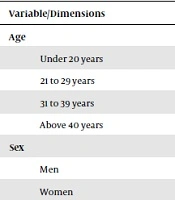
Twenty family members participated in the study, including four fathers, seven mothers, and nine wives of individuals with substance use disorders. Detailed demographic characteristics of the participants are provided in Appendix 3 in the Supplementary File. In addition, ten key informants were interviewed, including three psychologists, three psychiatrists and physicians, one Ph.D. in social work, one Ph.D. in addiction studies, and two experienced members of Narcotics Anonymous. All informants had more than 15 years of experience in substance use treatment in Iran.
4.2. Family Members
Five recurrent themes emerged from the family narratives. These themes reflect patterns identified in this sample and should not be interpreted as universal characteristics of all participants or Iranian families.
4.2.1. Theme 1: Control, Distrust, and Surveillance
Family members frequently described efforts to control the behaviors and social interactions of their loved ones, predominantly driven by distrust. These actions included restricting social contacts, continuous monitoring of phone and social media activity, and direct interference in personal decisions. Although often framed as protective, these behaviors reflected underlying beliefs about the incapacity or unreliability of the PWSUDs. Emotional manipulation, including threats of punishment or divorce, was commonly used to sustain control.
“I have to keep track of everything: who he talks to, where he goes. If I don’t, he might relapse again.” – Wife
4.2.2. Theme 2: Self-Sacrifice and Loss of Self
Family members often prioritized the needs of their child or spouse at the expense of their own well-being, frequently reaching emotional and physical burnout. Such self-sacrificial behaviors included financial investment in treatment, tolerance of harmful behaviors, and persistent neglect of personal needs. These patterns were often culturally framed as moral obligations, exacerbating guilt when family members attempted self-care.
“I sold all my jewelry to pay for his treatment. I thought it was my duty; actually, it is my duty!” – Wife
4.2.3. Theme 3: Emotional Entanglement and Fear of Abandonment
Participants commonly expressed deep emotional dependence on the PWSUDs, often describing their loved one as central to their emotional identity. Relationships were characterized by blurred personal boundaries and an intense fear of abandonment or loneliness, compelling family members to endure destructive behaviors to preserve the relationship.
“If he’s not around, I don’t know who I am.” – Mother
“I let him use [drug] at home so he wouldn’t leave me. I couldn’t bear to lose him.” – Wife
“Even though he’s caused us more trouble than all our other children, I swear to God we’ve cared for him the most, and I love him more than the others too, and I am sure his mother does too.” – Father
4.2.4. Theme 4: Enabling and Reality Avoidance
Enabling behaviors were frequently described, including shielding PWSUDs from consequences, providing financial or logistical support, covering up absences from work, and concealing substance use. Denial and minimization were also reported, particularly during the early recognition of substance-related problems.
“I used to call his boss and say he was sick when he was actually using.” – Wife
“Even when I saw the signs, I kept telling myself it wasn’t true.” – Mother
4.2.5. Theme 5: Psychological Distress and Low Self-Worth
Chronic psychological distress, including persistent anxiety, mood swings, and emotional suppression, was commonly reported. Participants’ emotional stability often mirrored the fluctuating behaviors of the PWSUDs, leading to intense self-blame, guilt, and shame, as well as impulsive violent behavior toward the PWSUDs. Low self-esteem further amplified their need for external validation and heightened their sensitivity to perceived judgment or criticism.
“I feel like I failed as a mother. I must have done something wrong.” – Mother
For a clearer overview of the findings, Appendix 4 in the Supplementary File presents the main themes, subthemes, and selected related quotes.
Although the analysis focused on shared family-system dynamics rather than formal comparisons among family roles, relationship position shaped how some themes were expressed. Wives’ accounts particularly illustrated partner-focused monitoring, concealment of consequences, and fear of separation, whereas mothers’ accounts highlighted maternal guilt, denial, and a caregiving-based identity. Gendered caregiving expectations were therefore interpreted primarily from wives’ and mothers’ narratives and were further contextualized by key informants. The limited number of fathers did not support distinct role-specific interpretation or meaningful gender comparisons. Because age was closely aligned with relationship role and education varied across groups, no independent conclusions were drawn regarding age or education.
4.3. Perspectives from Key Informants
This section presents findings from interviews with key-informant service providers.
4.3.1. Theme 1: Control, Enmeshment, and Family Power Dynamics
A dominant theme across interviews was overinvolvement and control exerted by family members, especially mothers, sisters, and occasionally fathers, toward the PWSUDs. These behaviors included micromanaging daily decisions, controlling social interactions, and suppressing autonomy under the guise of protection or sacrifice.
Clinicians described how blurred boundaries and systemic family roles (e.g., scapegoating, rescuing) perpetuate dysfunction. Some family members exhibited obsessive-compulsive tendencies, which translated into excessive monitoring, rule-setting, and resistance to relinquishing control, even during recovery.
“Even when the patient stabilizes, the family often gets anxious. They lose their identity as caretakers.”
4.3.2. Theme 2: Enabling and Justified Sabotage
Experts noted that enabling behaviors are often rationalized as care, particularly by mothers. This included secretly giving money, facilitating access to substances, or undermining treatment plans advised by professionals. Although presented as altruistic, these behaviors frequently hindered treatment progress.
Some experts highlighted a conscious or unconscious desire to maintain the dependent dynamic, especially in cases in which the caregiver's self-worth is deeply tied to the caregiving role.
“I had a case where the mother literally said: ‘When he was using, at least he stayed home and paid attention to me.’” – General
4.3.3. Theme 3: Psychological Dependence and Addiction to the Addict
Informants frequently described a phenomenon labeled “addiction to the addict,” referring to an obsessive emotional and cognitive preoccupation with the PWSUDs. Family members became emotionally entangled with the patient’s behavior, crises, and recovery progress, leading to profound emotional dysregulation and identity erosion.
“Some mothers can’t even name their favorite food; they answer with whatever the addicted child likes.” – Social Worker
This theme overlaps with what some clinicians called proxy gratification: experiencing vicarious excitement or chaos through the patient’s behavior, particularly in rigid or repressed family systems.
“There are cases where you see a mother actually taking pleasure in her addicted son’s violence against his father and the suffering it causes. She says, ‘Yes, my son causes me a lot of pain too, but at least through his actions, he’s getting revenge on his oppressive father for me!’” – Psychiatrist
4.3.4. Theme 4: Resistance to Change and Recovery Sabotage
Clinicians highlighted patterns of unconscious family resistance to PWSUD recovery. Recovery progress sometimes triggered agitation or increased pressure within the family, leading to active or passive sabotage. This dynamic was often evident in collectivist or traditionally structured families, in which recovery challenged deeply held roles and power structures.
“There are brothers who’d rather see the addict relapse than lose their power over family decisions.” – Addiction Expert
4.3.5. Theme 5: Moral Superiority, Emotional Manipulation, and Martyrdom
Informants frequently observed family members deriving personal identity from chronic self-sacrifice, maintaining positions of moral superiority, and resisting self-reflection. This stance complicated therapeutic interventions, particularly when clients viewed themselves as victims or martyrs rather than participants in dysfunctional dynamics.
“They say: ‘I gave up everything for him, and look what he did!’… but they sabotage the treatment at every turn.” – Physician
To provide a limited cross-source synthesis without undertaking a formal theme-by-theme comparison, Table 1 summarizes areas that were more explicit in family versus key-informant narratives.
Table 1.
Limited Cross-Source Synthesis of Emphases in Family and Key-Informant Narratives
| Area of Emphasis | Family Narratives | Key-informant Narratives |
|---|---|---|
| Control, monitoring, and distrust | Explicitly described as protective surveillance | Explicitly interpreted as enmeshment and power dynamics |
| Emotional overinvolvement and loss of self | Explicitly described through self-sacrifice and fear of abandonment | Explicitly framed as psychological dependence or “addiction to the addict” |
| Enabling behaviors | Explicitly described through concealment, financial support, and reality avoidance | Explicitly described, often interpreted as justified sabotage |
| Recovery sabotage / resistance to change | Mostly indirect | More explicit |
| Power dynamics / role rigidity | Less explicit | More explicit |
| Martyrdom / moral self-positioning | Present in self-sacrificial accounts | More explicit |
| Honor/stigma-related concealment | Explicitly described | Present mainly in the integrative synthesis |
4.4. Integration of Family and Informant Perspectives
Analyses of family members and key informants consistently highlighted shared themes of control, enabling behaviors, emotional entanglement, and psychological distress. However, key informants uniquely emphasized deeper systemic issues, such as power dynamics, unconscious sabotage, and culturally reinforced identities, which were less explicitly acknowledged by family members themselves. The integration of findings highlights the central role of culturally embedded scripts in shaping family responses to substance use disorder. Across interviews, participants consistently described how family behaviors were shaped not only by emotional attachment but also by strong concerns about social reputation, honor, and community judgment. In particular, honor-based stigma emerged as a key mechanism reinforcing enabling behaviors. For example, several participants described situations in which substance use was concealed from extended family or neighbors to avoid social disgrace, even when this required tolerating ongoing harmful behaviors. One participant noted that “what people think outside the house matters more than what is happening inside it,” reflecting how external social evaluation shaped internal family decision-making.
This cultural logic appeared to normalize patterns of overprotection, denial, and minimization of substance use, often framed as efforts to preserve family dignity rather than as enabling behaviors. As a result, families frequently delayed seeking formal help, instead attempting to manage the situation privately. These findings suggest that codependency-related dynamics in this context cannot be fully understood without considering the cultural imperative to maintain honor and avoid stigma. Overall, the synthesis indicates that cultural scripts do not merely influence family responses but actively structure the boundaries of what is considered acceptable acknowledgment and action in relation to substance use. This underscores the need for culturally sensitive, family-centered therapeutic interventions targeting both individual behaviors and broader systemic dynamics.
5. Discussion
This qualitative study provides an in-depth, culturally grounded understanding of family relational dynamics among participating families affected by SUDs. The findings reveal a complex interplay of control, distrust, and surveillance, self-sacrifice, emotional entanglement, enabling behaviors, and psychological distress, underscoring the need for culturally sensitive, family-centered interventions.
The themes discussed below were generated from participants’ narratives; references to existing theories and literature are used only to contextualize these findings and should not be interpreted as mechanisms directly demonstrated by the present study.
5.1. Interpretation of Key Findings
Across interviews with both families and addiction experts, the identified themes closely align with core characteristics of codependency-related behaviors described in the family systems literature (22). Controlling behaviors, such as continuous monitoring and restriction of autonomy, are consistent with Bowen's family systems theory, in which heightened family anxiety maintains rigid relational roles. Similarly, pervasive self-sacrifice reflects relational martyrdom frequently observed among family members experiencing distress related to PWSUDs, intensified by cultural expectations emphasizing familial duty and caregiving obligations (23).
Emotional entanglement, including fear of abandonment and erosion of personal identity, highlights systemic fusion, in which members become emotionally overinvolved and lose clear individual boundaries. Enabling behaviors, ranging from covering up the consequences of substance use to assuming PWSUDs' responsibilities, directly contribute to maintaining addiction by buffering PWSUDs from the natural outcomes of their behavior (16).
While our findings show notable parallels with Bowen's family systems theory, these alignments should be interpreted with caution. Bowen's framework was primarily developed in individualistic cultural contexts emphasizing autonomy and self-differentiation. In contrast, the Iranian sociocultural context is characterized by strong collectivist values, in which interdependence, familial obligation, and preservation of family honor play central roles.
Behaviors that may be conceptualized as maladaptive enmeshment in Bowen's model were often described by participants as culturally appropriate expressions of care and moral duty. Additionally, concealment and protection of the family member with SUD were frequently linked to concerns about stigma and social reputation, which are less explicitly addressed in Bowen's original formulation. These findings suggest that, while Bowen's theory provides a useful lens, it requires cultural adaptation to fully capture family dynamics in collectivist societies. Our results extend the theory by highlighting culturally embedded values—honor, obligation, and relational identity—in shaping family responses to substance use.
Psychological distress, including chronic anxiety, guilt, and reduced self-worth, illustrates the severe mental health burden borne by family members. Because biological mechanisms were not assessed, these findings are interpreted at psychological, relational, and sociocultural levels.
The findings can be organized through two descriptive lenses: 1) “relational control dynamics,” referring to controlling and self-sacrificial behaviors within emotionally intense relationships; and 2) “hypervigilance and surveillance,” describing persistent monitoring, distrust, and sensitivity to potential threats. These lenses summarize the observed relational patterns and do not imply specific neurobiological mechanisms.
5.2. Cultural Context and Family Dynamics
Iranian cultural norms, such as strong familial ties, collectivism, and gendered caregiving expectations, play a central role in shaping how codependency-related behaviors manifest (23, 24). In the present study, these expectations were reflected primarily in wives’ and mothers’ narratives and were further contextualized by key informants, particularly regarding women’s perceived responsibility to tolerate, conceal, and compensate for the consequences of SUDs. Traditional roles and social pressures often compel family members, particularly women, to tolerate, conceal, and compensate for the consequences of SUDs, intensifying self-sacrifice, emotional suppression, and enabling behaviors. Concepts of honor and shame associated with stigma further restrict open discussion, making it difficult for family members to set boundaries or seek support. These contextual features suggest that codependency-related behaviors are culturally mediated adaptations to rigid social expectations and stigma (23, 24).
5.3. Clinical and Practical Implications
Integrating family-focused approaches into PWSUDs treatment is essential. Family systems therapy offers a promising framework for addressing dysfunctional patterns, such as excessive control, enmeshment, and enabling, that sustain addiction. Culturally adapted psychoeducational programs emphasizing boundary-setting, emotional autonomy, and reduction of enabling behaviors are particularly important. Althoughs another study have demonstrated the effectiveness of family interventions among Iranian families (17), these interventions were primarily based on models from high-income countries. Moreover, although derived from a non-SUD population, recent Iranian evidence that relationship-focused therapy can reduce covert relational aggression and improve family cohesion supports further evaluation of structured relational interventions in families affected by SUDs (25).
Future programs must be tailored to resource-limited settings and cultural nuances, empowering family members to modify maladaptive codependent behaviors while remaining feasible in outpatient settings (26).
Expert participants reinforced these clinical priorities, emphasizing systemic family approaches, psychoeducation on healthy boundaries, and culturally tailored cognitive-behavioral strategies that foster emotional independence. They also highlighted the importance of addressing family power dynamics and hierarchical structures that perpetuate enabling and surveillance behaviors.
In the Iranian context, interventions should explicitly address honor- and shame-related dynamics, which play a central role in shaping concealment, caregiving, and help-seeking behaviors. Psychoeducational programs may benefit from modules that 1) reframe stigma associated with substance use, 2) explore culturally meaningful ways of maintaining family dignity while seeking support, and 3) promote adaptive boundary-setting within collectivist family structures. Rather than emphasizing strict individuation, these approaches should focus on balanced relational engagement that respects interdependence while reducing emotional overinvolvement.
Given the prominent role of gendered expectations, interventions should consider targeted support for primary caregivers, often women, who experience a heightened emotional and practical burden. Addressing these culturally embedded roles may help mitigate chronic stress and improve family functioning.
5.4. Comparison with Existing Literature
Overall, these findings are broadly consistent with international research identifying excessive control, emotional entanglement, and self-sacrifice as defining features of codependency-related behaviors (27). This study extends the literature by offering nuanced insights into emotional suppression and manipulative interaction patterns within Iranian families. In line with Hoenigmann-Lion and Whitehead (28), certain manipulative dynamics intersect with borderline personality features, particularly oscillation between intense caregiving and relational hostility.
Enabling behaviors appear more multifaceted than the predominantly tangible forms described in previous research, such as financial support alone (29). Participants described subtle emotional and psychological strategies—guilt induction, conflict avoidance, and overcompensation—that inadvertently stabilize ongoing substance use.
While many international studies emphasize overt emotional distress among codependent family members (30), the present findings show that emotional suppression, especially among wives, often functions as a culturally conditioned coping strategy aimed at preserving family honor and minimizing stigma (31).
Related qualitative evidence from Iran has similarly identified inadequate family support, fear of rejection, and disrupted family relationships among individuals receiving methadone treatment, highlighting the reciprocal influence of substance use and family relational functioning (32).
We use “emotional distress” to denote underlying anxiety, guilt, and low self-worth, whereas “emotional suppression” refers to a culturally shaped regulatory strategy through which these emotions are inhibited or kept invisible. This pattern underscores the importance of developing culturally tailored intervention frameworks that engage with context-specific norms, expectations, and stressors.
5.5. Limitations and Future Research
This study's limitations include geographic specificity (Tehran and Isfahan), which may have shaped the data toward predominantly urban experiences, potentially limiting transferability to rural or less-resourced regions. The qualitative design limits statistical generalizability, and the focus primarily on wives and parents may underrepresent other family roles, such as siblings, children, or husbands. Recruitment through addiction treatment settings may also have underrepresented relatives who experienced fewer or different relational difficulties, introducing potential undercoverage bias. Therefore, the identified themes should not be considered universal among families affected by SUDs.
The number and characteristics of individuals who declined participation were not systematically recorded, preventing calculation of a refusal rate and assessment of potential non-participation bias.
Future research should quantitatively explore relational dynamics across broader demographics, including siblings and children, and incorporate PWSUDs' perspectives.
The inclusion criterion for expert participants (more than 15 years' experience) was based on researchers' contextual judgment rather than empirical evidence, potentially introducing selection bias by excluding younger professionals with relevant expertise. Key-informant perspectives may also have been influenced by professional frameworks and greater exposure to complex clinical cases. Additionally, some key informant questions included the term “codependency,” which may have subtly shaped participants' framing. Although the questions were open-ended, a possible framing effect cannot be excluded.
Another limitation is that we did not sufficiently integrate participant demographic details (reported in Appendix 3 in the Supplementary File) into theme development, limiting contextual depth. Longitudinal studies investigating evolving family dynamics over the recovery trajectory could offer significant insights. Explicit exploration of gender differences in emotional coping strategies and the effectiveness of culturally adapted interventions warrants further attention.
The study was not designed for subgroup comparisons. The unequal role distribution, particularly the small number of fathers and absence of husbands, and the close overlap between age and relationship role limited role-, gender-, and age-specific interpretation; educational variation was used only to contextualize the sample. As the findings reflect wives and parents recruited from urban outpatient addiction treatment settings in Tehran and Isfahan, they should not be considered representative of all Iranian families, and transferability to other relatives, regions, rural settings, and families not engaged with treatment services should be considered cautiously. Future studies should recruit more balanced samples and use role-specific or comparative qualitative designs.
5.6. Conclusions
This study highlights complex, self-reinforcing family relational dynamics among wives and parents in this urban treatment-seeking sample, characterized by control and surveillance, emotional enmeshment, self-sacrifice, enabling behaviors, and sustained psychological distress. These patterns were interpreted in relation to caregiving burden, chronic psychological distress, and culturally embedded expectations reported within this sample.
Clinically, these findings support a stepped, mechanism-focused approach to family-oriented addiction care. The first intervention point should be routine screening of enabling behaviors and overinvolved caregiving patterns using brief structured family assessment tools. This should be followed by targeted psychoeducational interventions to increase insight into enabling cycles and strengthen boundary awareness. At the next level, structured family-based interventions should address emotional enmeshment through skills-based modules on emotional regulation, communication restructuring, and reduction of controlling interactions. Severe cases require intensive systemic or trauma-informed family therapy adapted to cultural norms.
At the policy level, these results highlight the need for standardized national guidelines that formally incorporate feasible family assessment frameworks into addiction treatment pathways, ensuring that family dynamics are treated as a core clinical domain.
Future research should prioritize longitudinal studies tracking relational patterns over time and randomized controlled trials evaluating culturally adapted family-based interventions. Further investigation is needed to clarify how sociocultural structures interact with stress-related processes, refine intervention targets, and improve treatment precision.