Cover image of the article: Exercise-Associated Fatigue Modulation in Multiple Sclerosis: A Meta-Analysis of MFIS Outcomes Within a Proposed Extracellular Vesicle Framework

Image Credit:Iran J Psychiatry Behav Sci

Exercise-Associated Fatigue Modulation in Multiple Sclerosis: A Meta-Analysis of MFIS Outcomes Within a Proposed Extracellular Vesicle Framework

Authors

Amirhossein Hormati OughoulbaigAmirhossein Hormati Oughoulbaig ORCID1, Asadollah AsadiAsadollah Asadi ORCID2,*, Narges Yazdan NasabNarges Yazdan Nasab ORCID2, Omar Hussein HarranOmar Hussein Harran ORCID3, Lotfali BolboliLotfali Bolboli ORCID4
1Department of Sport Physiology, Faculty of Educational Sciences and Psychology, University of Mohaghegh Ardabili, Ardabil, Iran
2Department of Biology, Faculty of Science, University of Mohaghegh Ardabili, Ardabil, Iran
3Department of Agricultural Biotechnology, College of Biotechnology, University of Al-Qadisiyah, Al-Diwaniyah, Iraq
4Department of Exercise Physiology, Faculty of Educational Sciences and Psychology, University of Mohaghegh Ardabili, Ardabil, Iran
*Corresponding Author: Department of Biology, Faculty of Science, University of Mohaghegh Ardabili, Ardabil, Iran. Email: asady@uma.ac.ir

IJ Psychiatry and Behavioral Sciences:Vol. 20, issue 3; e168834
Published online:Sep 02, 2026
Article type:Systematic Review
Received:Dec 16, 2025
Accepted:Aug 10, 2026
How to Cite:Hormati Oughoulbaig A, Asadi A, Yazdan Nasab N, Harran OH, Bolboli L. Exercise-Associated Fatigue Modulation in Multiple Sclerosis: A Meta-Analysis of MFIS Outcomes Within a Proposed Extracellular Vesicle Framework. Iran J Psychiatry Behav Sci. 2026;20(3):e168834. doi: https://doi.org/10.5812/ijpbs-168834

Abstract

Context:

Fatigue in multiple sclerosis (MS) affects three domains: physical, mental, and social. Exercise holds therapeutic promise because of its potential benefits for health and well-being. However, the biological mechanisms underlying these effects remain poorly understood, particularly with respect to extracellular vesicles (EVs). Moreover, little is known about the interaction between exercise and EVs, or the potential role of EVs in mediating exercise-related health benefits. This systematic review and meta-analysis synthesizes current evidence on how various types of exercise modulate fatigue in MS, assessed using the Modified Fatigue Impact Scale (MFIS), with a focus on EV-driven neurofunctional adaptations.

Evidence Acquisition:

This systematic review and meta-analysis was conducted in accordance with the Preferred Reporting Items for Systematic Reviews and Meta-Analyses (PRISMA) guidelines. Eleven randomized controlled trials (RCTs) involving 665 participants were included. Subgroup analyses and random-effects modeling were performed using Stata 15 to assess domain-specific effects and modality-based differences.

Results:

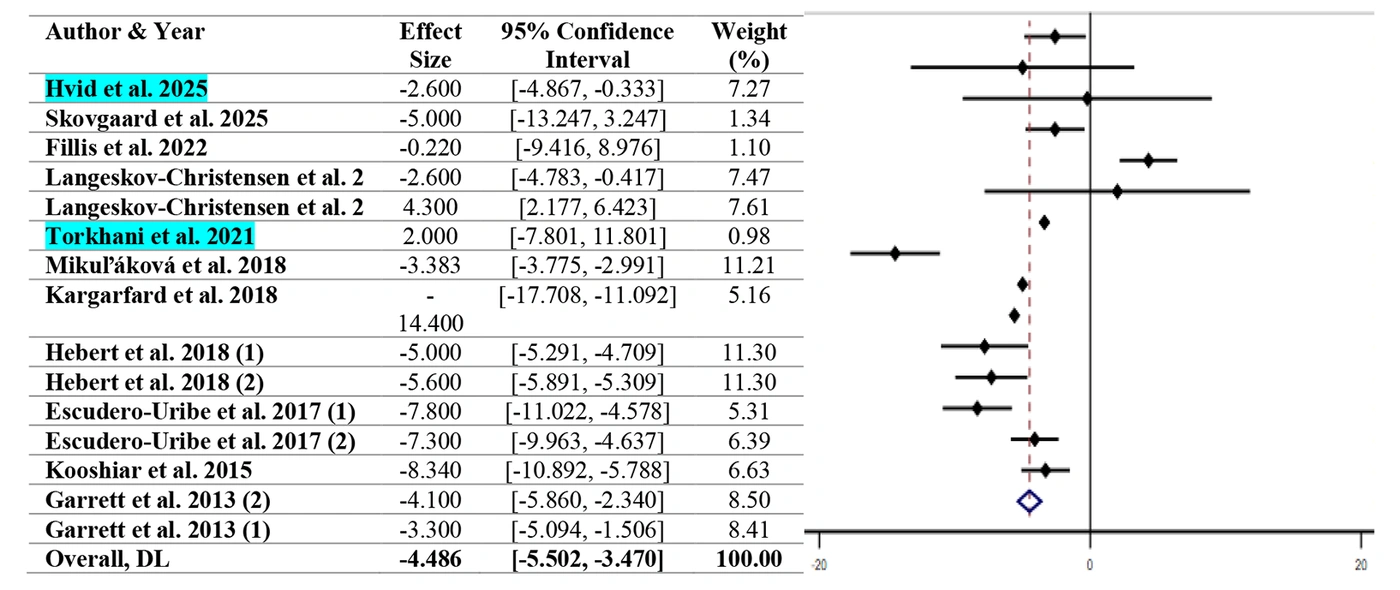
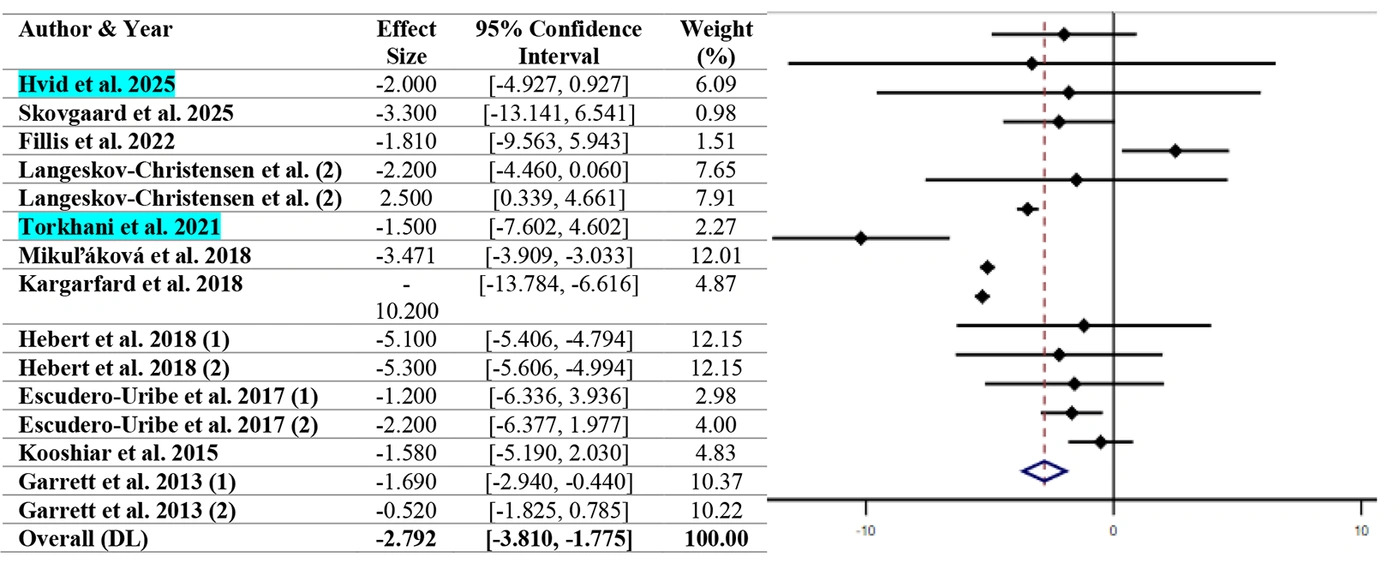
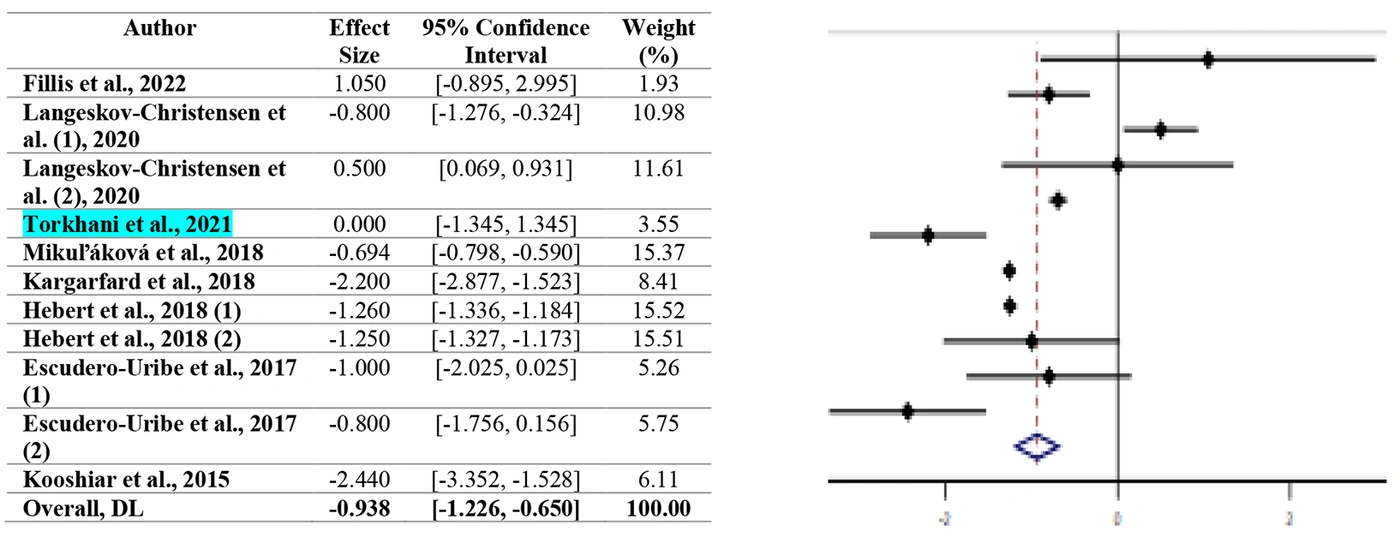
Exercise interventions significantly reduced fatigue across all MFIS domains. The largest effects were observed for physical fatigue (pooled effect size [ES]: −4.486; 95% confidence interval [CI]: −5.502 to −3.470), followed by cognitive fatigue (−2.792; 95% CI: −3.810 to −1.775) and psychosocial fatigue (−0.938; 95% CI: −1.226 to −0.650). Aquatic and coordination-based exercises showed the most consistent and substantial improvements.

Discussion:

This meta-analysis highlights the therapeutic role of exercise in alleviating MS-related fatigue, with modality-specific benefits suggesting distinct underlying biological mechanisms. Integrating MFIS outcomes with emerging EV literature may provide a hypothesis-generating framework for future mechanism-oriented rehabilitation research in multiple sclerosis.

1. Introduction

Fatigue in multiple sclerosis (MS) can cause substantial functional impairment, may be resistant to rest, and can affect energy (1), cognition, and social functioning (2, 3). Exercise may improve strength and modulate brain-body signaling pathways related to fatigue through biological adaptations (4-6). Extracellular vesicles (EVs) are membrane-bound particles that can be released during exercise (7). These vesicles may contribute to fatigue modulation by carrying messages between neurons and immune cells, thereby supporting intercellular communication relevant to fatigue and recovery (8, 9). Physical activity remains a cornerstone of fatigue management, likely because of its accessibility and its simultaneous engagement of physical and cognitive processes in neurorehabilitation (10). Certain modalities, such as water therapy, coordination-based exercises, and mindfulness-infused movement, have significant effects on the physical, cognitive, and psychosocial domains, in addition to enhancing overall fitness (11). Researchers use validated instruments such as the Modified Fatigue Impact Scale (MFIS) (12) and the Fatigue Severity Scale (FSS), the latter originally introduced by Krupp et al., to detect multidimensional changes in fatigue perception among individuals with MS (3, 13). Emerging research highlights biological messengers, particularly exercise-induced EVs, as potential mediators that may explain why certain modalities yield stronger effects (14). Recent evidence also highlights the role of exercise-induced exerkines and extracellular signaling molecules in modulating neuroinflammation and neuroprotection in MS (15). Exercise-induced EVs may contribute to neurofunctional adaptation through immune regulation, intercellular signaling, and modulation of neuroinflammatory pathways in MS. Fatigue assessment in MS extends beyond measuring tiredness; it reflects how disrupted energy affects thinking, movement, and social engagement (16, 17). The MFIS delineates these effects across domains, illustrating how physical, cognitive, and social functioning interact; for example, brain fog can slow movement, whereas social withdrawal can deepen tiredness (11, 18). As evidence accumulates, more nuanced approaches to fatigue management are needed (19, 20). Although many studies confirm the benefits of exercise, only a handful investigate how different types affect fatigue in distinct ways, particularly via EV-related pathways (21-23). These vesicles, released during exertion, may help explain how fatigue responses shift across interconnected systems (24). By integrating MFIS assessments with findings on EV signaling, researchers can identify patterns that move beyond nonspecific interventions toward more individualized approaches rooted in biological mechanisms (25). This study analyzed existing data on exercise-based interventions for managing fatigue in MS, using the MFIS to evaluate outcomes across physical, cognitive, and psychosocial domains. By synthesizing the most recent research, it aims to provide a comprehensive assessment of the effectiveness of these techniques in reducing MS-related tiredness. Through meta-analysis, it evaluates the effectiveness of different exercise modalities while considering how emerging EV-related mechanisms might contribute to neurofunctional adaptation. The goal is to provide clinicians and researchers with a biologically grounded framework for tailoring exercise programs that address the complex nature of fatigue in MS.

2. Evidence Acquisition

2.1. Search Strategy and Study Selection

This systematic review and meta-analysis were conducted in accordance with PRISMA guidelines. A comprehensive, structured search was conducted on October 1, 2025, across five major sources: PubMed/Medline, Scopus, ScienceDirect, the WHO International Clinical Trials Registry Platform (ICTRP), and ClinicalTrials.gov. The search strategy was designed to identify studies involving individuals with multiple sclerosis (MS) in whom fatigue was assessed using the MFIS and in which the intervention comprised physical activity or exercise-induced modulation, with consideration of extracellular vesicle signaling. The full search syntax is provided in Appendix 1 in the Supplementary File.
Table 1.
Characteristics of Studies Included in the Meta-Analysis a
Author (Year)CountryStudy TypeSample SizeIntervention Group(s)Control GroupVariables ExaminedDuration
Escudero-Uribe et al. (26)SpainRandomized Controlled Trial48Whole-Body Vibration (WBV) + (BT) + Standard ExerciseWait-list controlMFIS12 weeks
Fillis et al. (27)BrazilRandomized Clinical Trial17Shiatsu + Physical TherapyMaintain usual activitiesMFIS8 weeks
Garrett et al. (28)IrelandAssessor-blind Randomized Controlled Trial179Physiotherapy + physical activityNo change in exercise habitsMFIS10 weeks
Hebert et al. (29)USAExaminer-blinded Randomized Controlled Trial (Class I evidence)88Balance and Eye-Movement Exercises (BEEMS)Wait-listed controlMFIS14 weeks 6 weeks
Hvid et al. (30)DenmarkRandomized Controlled Trial62Walking Exercise TherapyHabitual LifestyleMFIS7 weeks
Kargarfard et al. (31)IranRandomized Controlled Trial32Aquatic Exercise TrainingUsual careMFIS8 weeks
Kooshiar et al. (32)IranRandomized Controlled Clinical Trial37Aquatic ExerciseNormal treatmentsMFIS8 weeks
Langeskov-Christensen et al. (33)DenmarkRandomized Controlled Trial (Single-blinded)86Progressive Aerobic Exercise (PAE)WaitlistMFIS24 weeks 12 weeks
Mikuľáková et al. (34)Slovak RepublicRandomized Controlled Trial65Individualized Rehabilitation ProgramWait-list controlMFIS12 weeks
Skovgaard et al. (35)DenmarkRandomized Controlled Trial28Tension and Trauma Releasing ExercisesUsual careMFIS8 weeks
Torkhani et al. (36)FranceRandomized Controlled Pilot Trial23Mindfulness + Physical ActivityPhysical Activity onlyMFIS8 weeks
a Abbreviations: WBV, Whole-Body Vibration; BT, Balance Training; MFIS, Modified Fatigue Impact Scale; BEEMS, Balance and Eye-Movement Exercises; PAE, Progressive Aerobic Exercise.
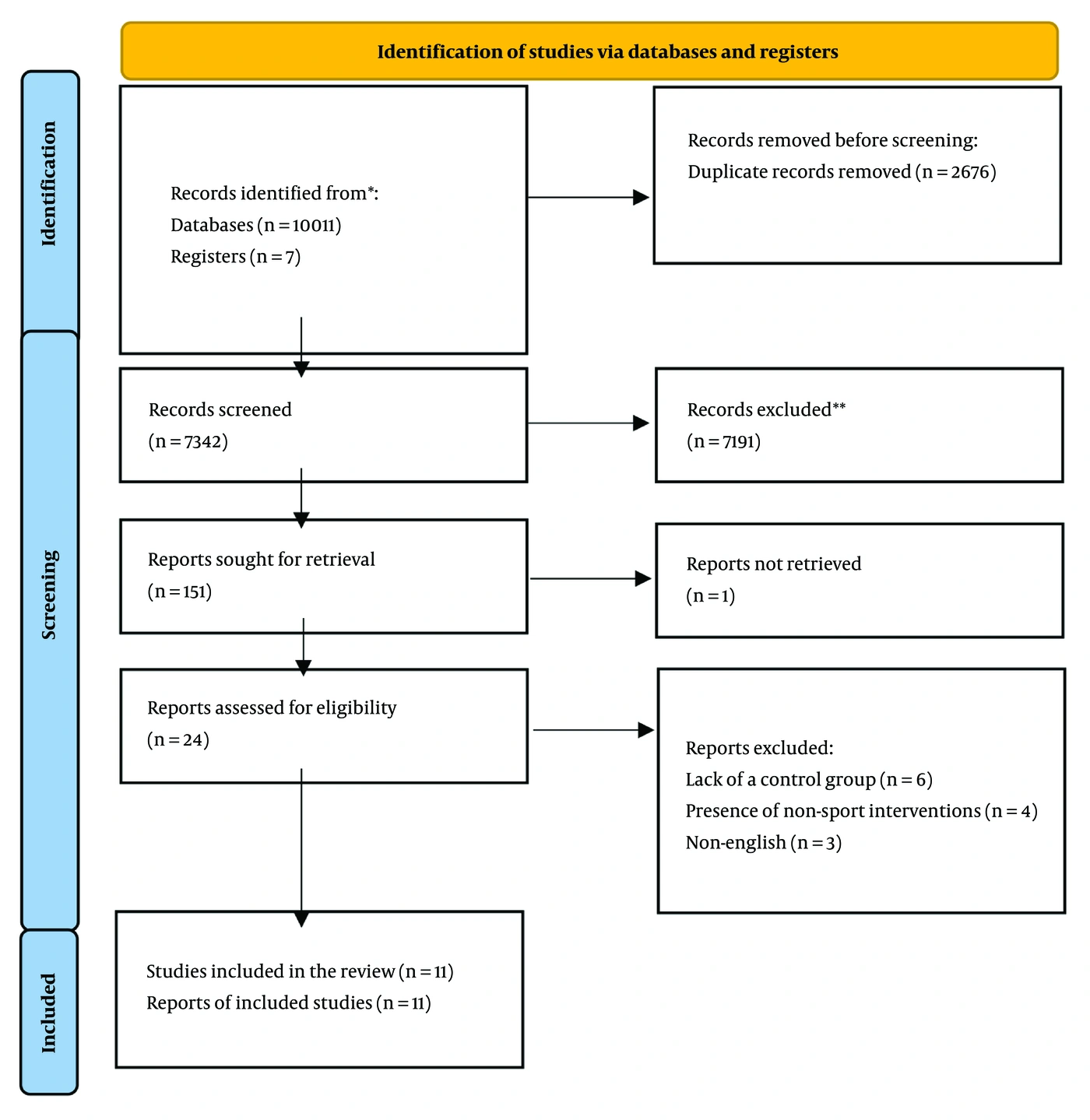
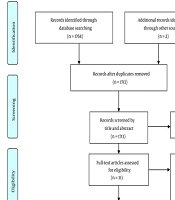
In total, 10,018 records were initially identified. After automated duplicate removal, 7,342 records remained for screening. Titles and abstracts were manually reviewed, and full texts were retrieved for 151 studies. Articles were excluded if they lacked a control group, involved non-exercise-based interventions (e.g., pharmacological, dietary, or purely psychological), or were not published in English. Only randomized controlled trials reporting MFIS outcomes in adults with MS were included. After full-text assessment, 11 studies met the inclusion criteria and were retained for quantitative synthesis. The study selection process is illustrated in the PRISMA flow diagram (Figure 1). This review was not prospectively registered in PROSPERO. At study initiation, it was conceived as an exploratory synthesis integrating exercise-related fatigue outcomes with emerging EV literature, and the analytical framework was refined during protocol development. Nevertheless, the eligibility criteria, search strategy, outcomes, and analytical methods were predefined before study screening and data extraction. To promote transparency and reproducibility, the full review protocol and all methodological decisions are provided as supplementary material and are reported in accordance with PRISMA 2020 recommendations.
PRISMA flow diagram of studies included in this systematic review and meta-analysis
Figure 1.
PRISMA flow diagram of studies included in this systematic review and meta-analysis

2.2. Eligibility Criteria

A predefined internal review protocol was developed before study screening and data extraction. Formal prospective registration was not completed because the conceptual framework of the review underwent iterative refinement during the early development phase, particularly regarding the integration of extracellular vesicle signaling with MFIS-based fatigue outcomes.
Eligibility criteria were defined according to a PICO framework. The population comprised adults diagnosed with multiple sclerosis, regardless of MS phenotype. Eligible interventions consisted of structured exercise or physical activity programs, including aerobic, aquatic, coordination-based, psychophysical, and rehabilitation-oriented interventions. Comparators included usual care, wait-list controls, no-exercise conditions, or standard treatment. Outcomes were required to include fatigue assessment using the MFIS. Only randomized controlled trials published in peer-reviewed journals were included. Studies involving pharmacological, dietary, or exclusively psychological interventions without an exercise component were excluded.
Conference abstracts, preprints, unpublished studies, dissertations, and other forms of grey literature were not included due to concerns regarding methodological consistency, incomplete outcome reporting, and peer-review status.

2.3. Data Extraction and Management

All relevant data were manually extracted by the research team. A structured Excel file was used to capture key study characteristics, including the author, year, country, sample size, duration, intervention and control conditions, and MFIS outcomes. Reference management and initial screening were performed using EndNote software. The completed dataset was organized in Excel and then imported into Stata version 15 (StataCorp, College Station, TX, USA) for statistical analysis.

2.4. Risk of Bias Assessment

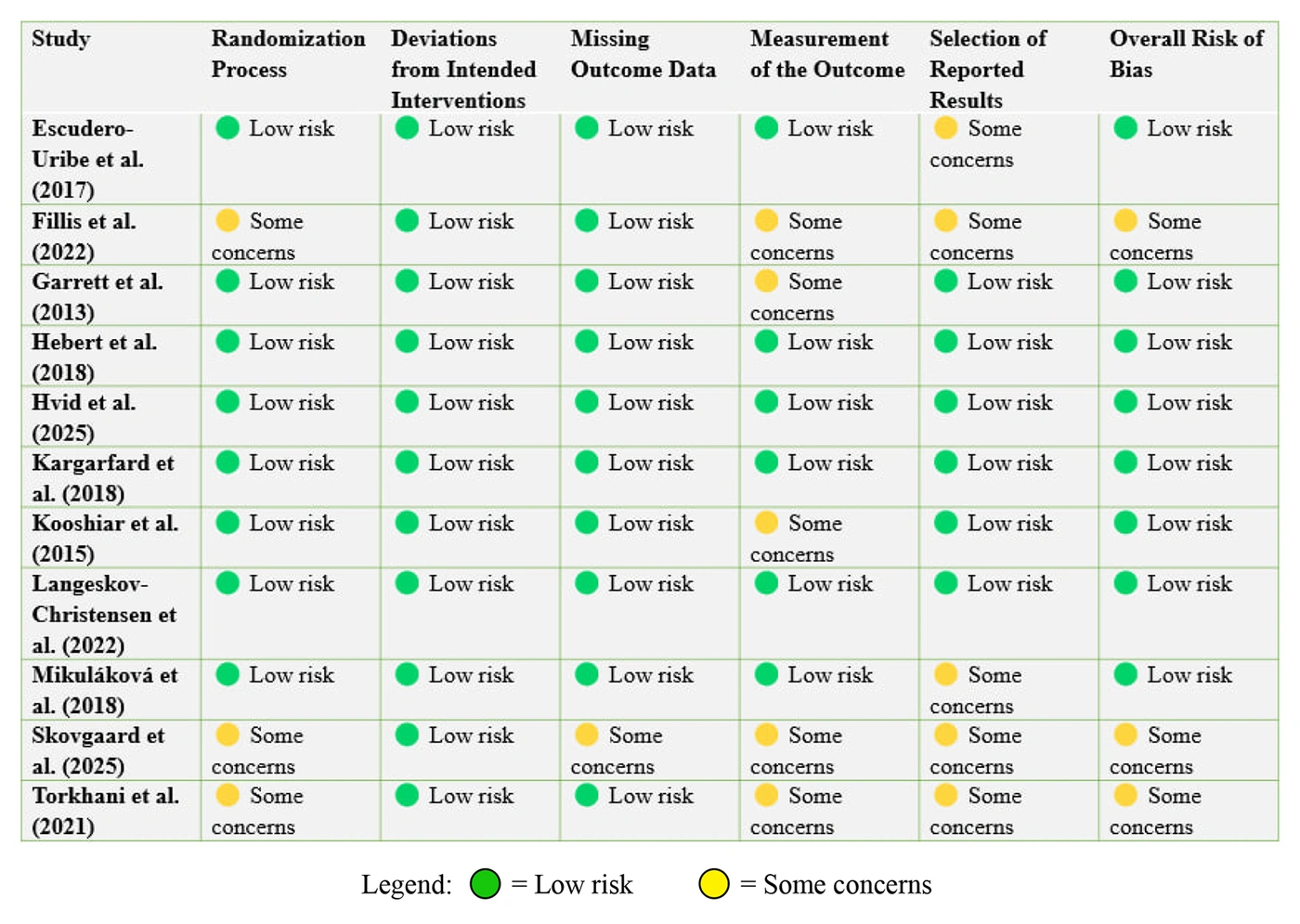
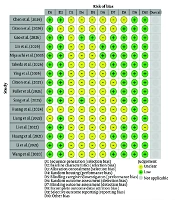
The risk of bias in each included study was independently assessed using the Cochrane Risk of Bias 2.0 (RoB 2.0) methodology. This framework evaluates five key domains: the randomization process, deviations from intended interventions, missing outcome data, measurement of the outcome, and selection of the reported results. Each domain was rated as “low risk,” “some concerns,” or “high risk,” and an overall judgment was assigned accordingly. The results of this assessment are summarized in Figure 2. Overall, most included studies were judged to present either low risk of bias or some concerns according to the RoB 2.0 framework. The most common concerns were related to the blinding of participants and personnel, deviations from intended interventions, and incomplete outcome reporting, which are frequently encountered in exercise-based rehabilitation trials. No study was judged to have a level of bias that warranted exclusion from the quantitative synthesis.
Risk of bias assessment for included studies using the Cochrane RoB 2.0 tool (<a href="#AARTICLEREF26">26</a>-<a href="#AARTICLEREF36">36</a>)
Figure 2.
Risk of bias assessment for included studies using the Cochrane RoB 2.0 tool (26-36)

2.5. Statistical Analysis

Meta-analytic computations were performed using Stata 15. For each MFIS domain (physical, cognitive, and psychosocial), pooled effect estimates were calculated using mean differences (MDs) between intervention and control groups, as all included studies used the same MFIS scoring framework and outcome scale. Post-intervention MFIS subscale scores were preferentially extracted for quantitative synthesis. For studies reporting multiple intervention arms or more than one eligible comparison, outcomes were included separately only when data were reported independently, without overlap in participant allocation within the same comparison. When multiple follow-up assessments were available, the endpoint immediately after completion of the intervention period was selected for analysis to ensure methodological consistency across studies. Statistical heterogeneity was evaluated using the I2 statistic and Cochran's Q test. Heterogeneity thresholds were interpreted according to conventional meta-analytic recommendations, with I2 values above 50% considered indicative of substantial between-study heterogeneity. Given the expected clinical and methodological diversity across exercise modalities, intervention durations, comparator conditions, and participant characteristics, random-effects modeling using the DerSimonian-Laird method was applied to analyses demonstrating moderate-to-high heterogeneity to account for between-study variability. When standard errors or confidence intervals were not directly reported, they were calculated from available means, standard deviations, and sample sizes using standard meta-analytic procedures implemented in Stata 15. Subgroup analyses included aquatic, coordination-based, psychophysical, and standard physiotherapy modalities to examine differences across fatigue domains. Funnel plots were generated to assess potential publication bias and small-study effects.

2.6. PICO Framework

Population (P): Adults diagnosed with multiple sclerosis, irrespective of disease phenotype, sex, or disability status.
Intervention (I): Structured exercise-based interventions, including aerobic exercise, aquatic exercise, coordination training, psychophysical exercise, rehabilitation programs, and multimodal physical activity interventions.
Comparator (C): Usual care, wait-list controls, no-exercise conditions, standard treatment, or alternative non-exercise control interventions.
Outcome (O): Fatigue outcomes assessed using the MFIS, including physical, cognitive, and psychosocial subscale scores.

3. Results

A total of 11 randomized controlled trials comprising 665 participants were included in this meta-analysis. The detailed characteristics of these studies, including author, year, country, sample size, intervention, control condition, and duration, are summarized in Table 1.
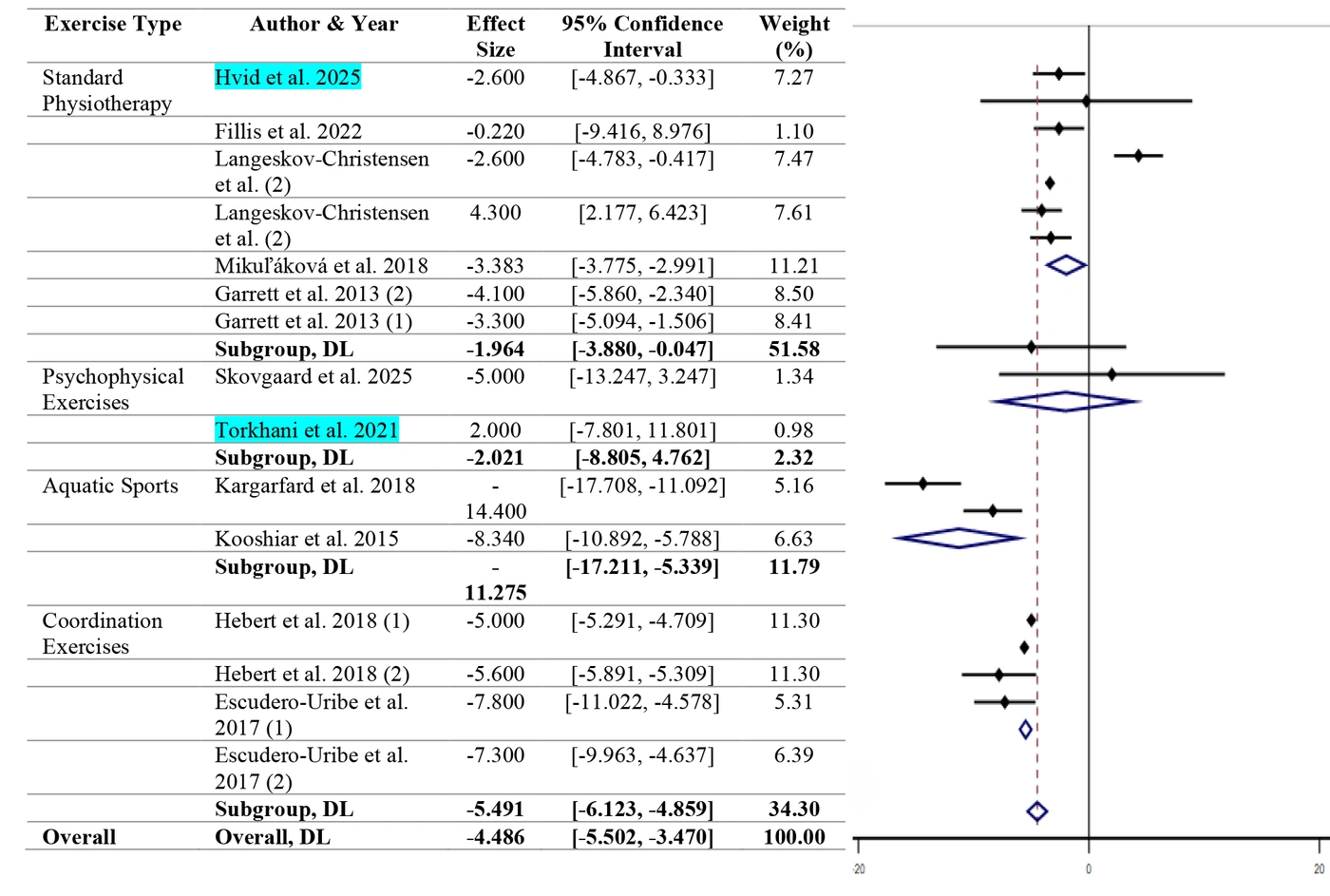
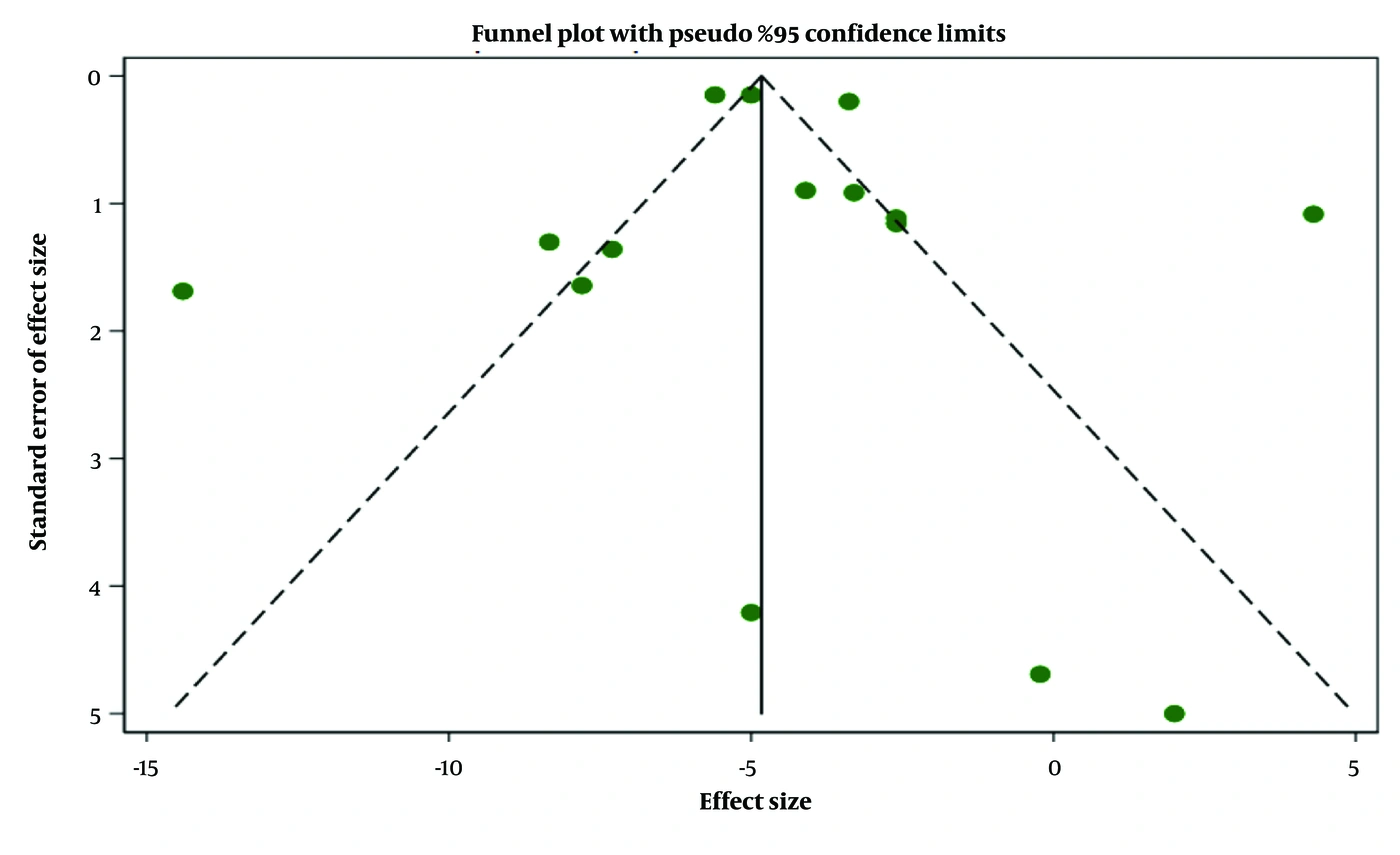
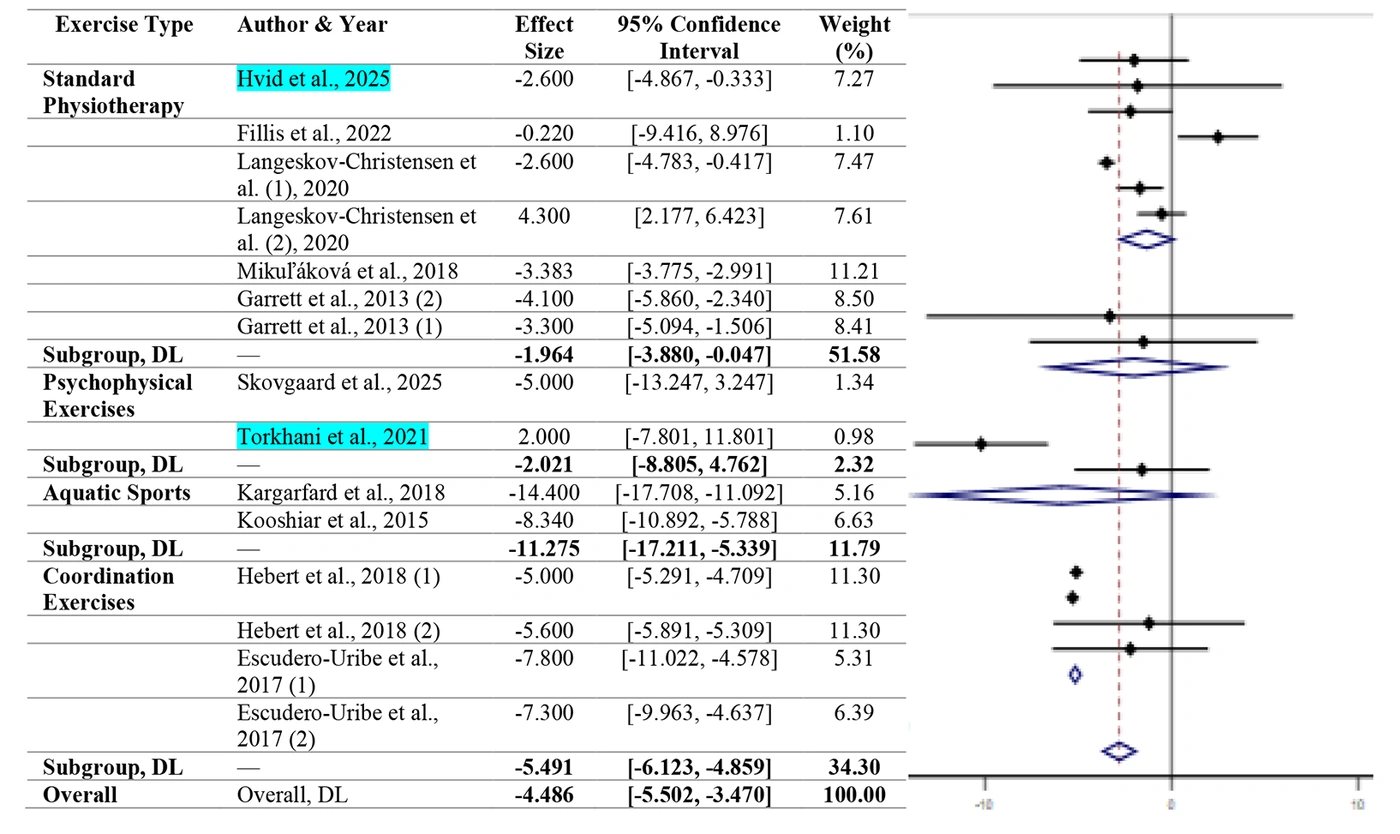
The overall reduction in physical fatigue is depicted in the forest plot (Figure 3), and the differential effects of exercise modalities are shown in the subgroup analysis (Figure 4). Potential publication bias for physical fatigue outcomes was assessed using a funnel plot (Figure 5), which demonstrated a symmetrical distribution of studies.
Impact of exercise interventions on physical fatigue in multiple sclerosis (<a href="#AARTICLEREF26">26</a>-<a href="#AARTICLEREF36">36</a>)
Figure 3.
Impact of exercise interventions on physical fatigue in multiple sclerosis (26-36)
Impact of exercise interventions on physical fatigue in multiple sclerosis (subgroup analysis) (<a href="#AARTICLEREF26">26</a>-<a href="#AARTICLEREF36">36</a>)
Figure 4.
Impact of exercise interventions on physical fatigue in multiple sclerosis (subgroup analysis) (26-36)
Funnel plot with pseudo 95% confidence limits for the MFIS-Physical subscale
Figure 5.
Funnel plot with pseudo 95% confidence limits for the MFIS-Physical subscale
Figure 3 summarizes the effect sizes of individual studies assessing the impact of exercise interventions on the physical subscale of the MFIS in patients with multiple sclerosis. Each horizontal line reflects the 95% confidence interval (CI) for the effect size (ES) reported in a study, and the central marker denotes the point estimate. Studies with CIs not crossing the vertical line of no effect are considered statistically significant. The diamond at the bottom of the plot reflects the pooled effect size and its CI, derived from a DerSimonian-Laird (DL) random-effects model. The accompanying table presents the author/year, ES, CI, and relative weight of each study in the meta-analysis. Overall, the analysis indicates a significant reduction in physical fatigue following exercise-based interventions.
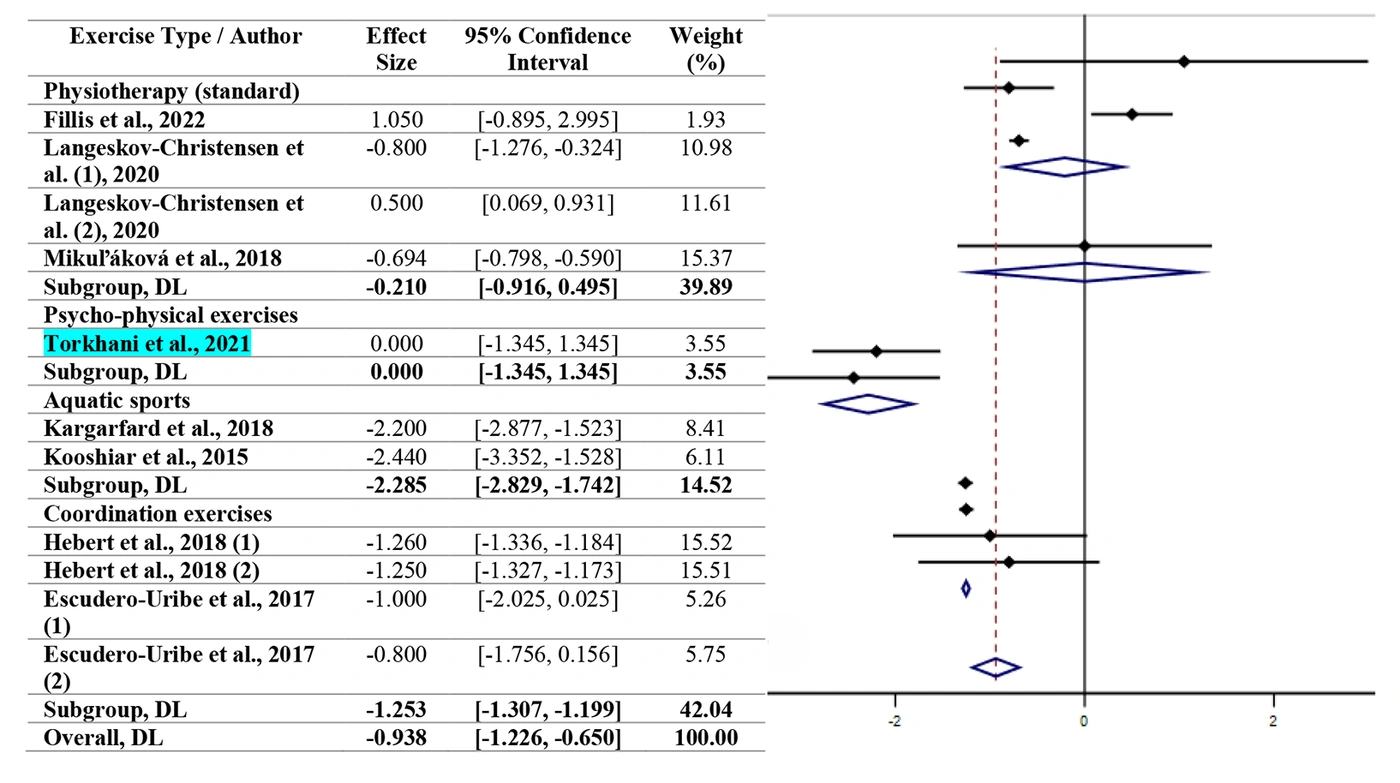
Figure 4 presents a subgroup meta-analysis of exercise modalities targeting physical fatigue in individuals with multiple sclerosis, based on the physical subscale of the MFIS. The forest plot illustrates effect sizes and 95% confidence intervals across four distinct exercise categories: standard physiotherapy, psychophysical exercises, aquatic sports, and coordination-based interventions. Each subgroup is pooled using a DerSimonian-Laird random-effects model, with the overall estimate shown at the bottom. The vertical line at zero represents the line of no effect, while the dashed red line indicates the overall pooled effect.
This plot shows the relationship between study effect sizes and their standard errors to assess potential publication bias. The central vertical line marks the pooled effect estimate, while the dashed boundaries represent pseudo 95% confidence limits. The visual distribution of studies did not show obvious asymmetry; however, interpretation of funnel plots should be approached cautiously given the limited number of included studies for physical fatigue outcomes.
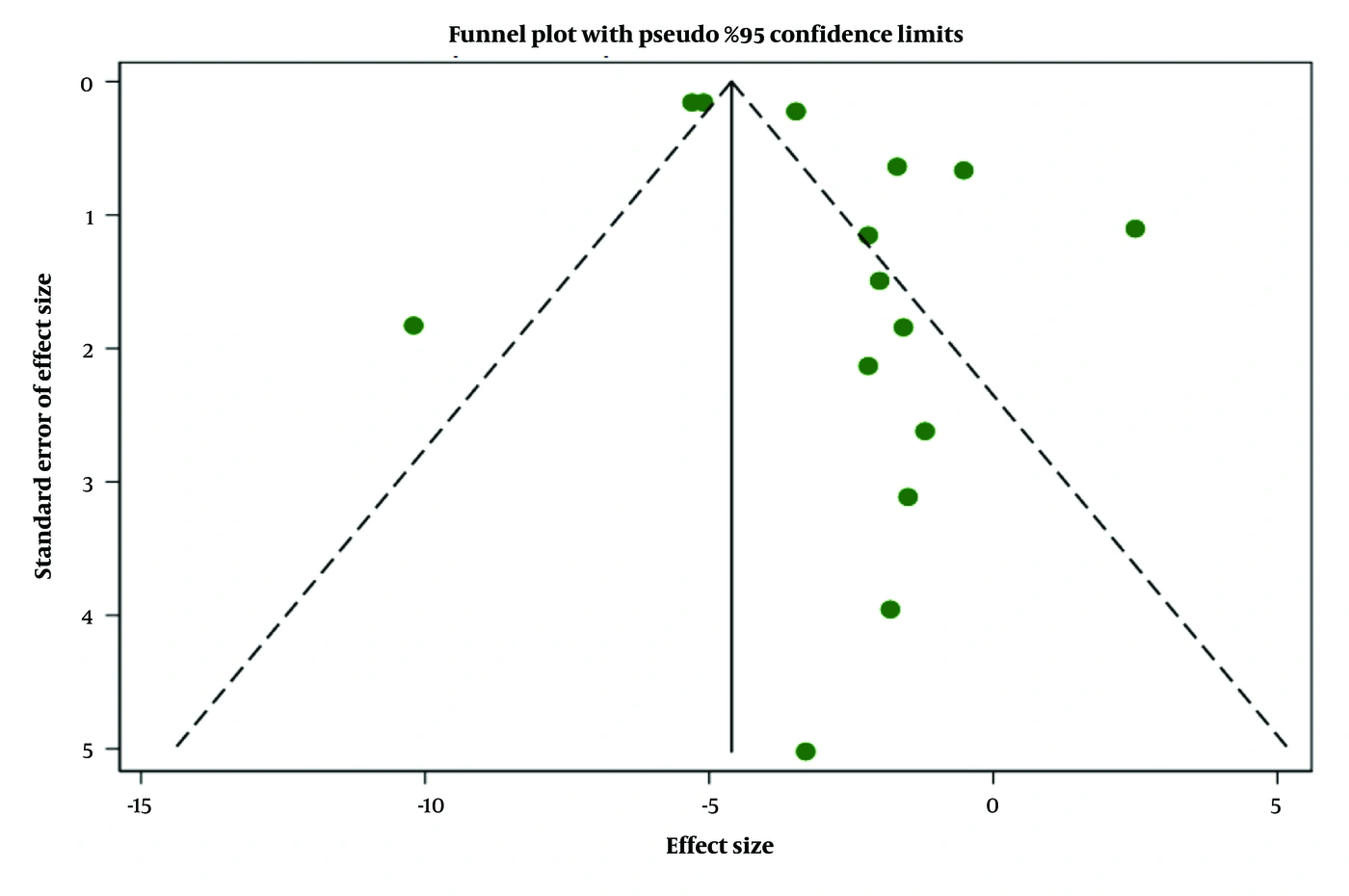
Figure 6 presents a forest plot summarizing the impact of different exercise modalities on cognitive fatigue in multiple sclerosis, based on MFIS scores. Each line shows the 95% confidence interval for individual studies, and blue diamonds represent subgroup pooled estimates. Coordination and aquatic exercises showed the strongest effects, while the overall analysis (DL method) revealed a significant reduction in cognitive fatigue (effect size, −2.792; 95% CI, −3.810 to −1.775). Detailed modality-specific results are provided in Figure 7. The corresponding funnel plot (Figure 8) shows a symmetrical distribution, with no obvious visual asymmetry for cognitive fatigue outcomes.
Impact of exercise interventions on MFIS-Cognitive in multiple sclerosis (<a href="#AARTICLEREF26">26</a>-<a href="#AARTICLEREF36">36</a>)
Figure 6.
Impact of exercise interventions on MFIS-Cognitive in multiple sclerosis (26-36)
Impact of exercise interventions on MFIS-Cognitive in multiple sclerosis (subgroup analysis) (<a href="#AARTICLEREF26">26</a>-<a href="#AARTICLEREF36">36</a>)
Figure 7.
Impact of exercise interventions on MFIS-Cognitive in multiple sclerosis (subgroup analysis) (26-36)
Funnel plot with pseudo 95% confidence limits for the MFIS-Cognitive subscale
Figure 8.
Funnel plot with pseudo 95% confidence limits for the MFIS-Cognitive subscale
Figure 7 presents a subgroup meta-analysis of exercise modalities targeting cognitive fatigue in individuals with multiple sclerosis, based on the cognitive subscale of the MFIS. The forest plot illustrates effect sizes and 95% confidence intervals across four distinct exercise categories: standard physiotherapy, psychophysical exercises, aquatic sports, and coordination-based interventions. Each subgroup is pooled using a DerSimonian-Laird random-effects model, with the overall estimate shown at the bottom. The vertical line at zero represents the line of no effect, while the dashed red line indicates the overall pooled effect. Coordination and aquatic exercises showed the strongest reductions. The overall analysis (DL method) indicated a significant improvement (ES = −2.792; 95% CI: −3.810 to −1.775).
This plot displays the distribution of study effect sizes against their standard errors to evaluate potential publication bias. The funnel plot did not demonstrate obvious visual asymmetry; however, interpretation remains limited by the relatively small number of included studies, and inferences regarding publication bias should therefore be made cautiously.
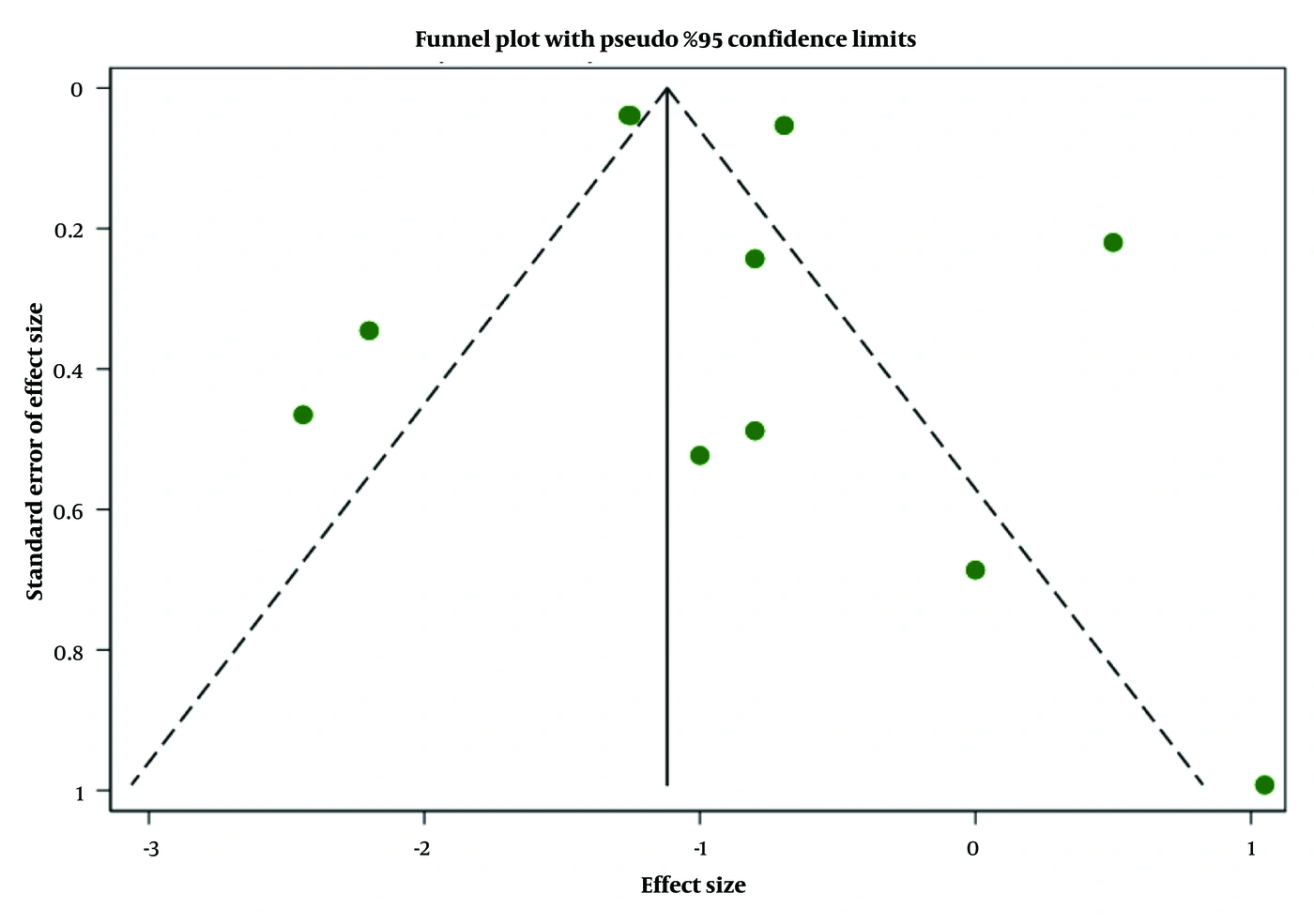
Figure 9 summarizes the impact of exercise interventions on psychosocial fatigue in multiple sclerosis, based on the psychosocial subscale of the MFIS. Each horizontal line reflects the 95% confidence interval for the effect size from an individual study, while the central marker indicates the point estimate. Studies with CIs crossing the vertical line of no effect are considered non-significant. The diamond at the bottom of the plot represents the pooled ES and its CI, derived from a DerSimonian-Laird random-effects model. The accompanying table details the author/year, ES, CI, and relative weight of each study in the meta-analysis. Overall, the analysis indicates a modest but significant reduction in psychosocial fatigue following exercise-based interventions. Most studies reported negative effect estimates, indicating improvement. The overall pooled estimate (DL method) was −0.938 (95% CI: −1.226 to −0.650), indicating a modest but statistically significant reduction in psychosocial fatigue. These results are visualized in the forest plot (Figure 9) and further detailed by exercise type in the subgroup analysis (Figure 10). The funnel plot for psychosocial fatigue (Figure 11) also demonstrates symmetry, with no obvious visual asymmetry.
Impact of exercise interventions on MFIS-Psychosocial in multiple sclerosis (<a href="#AARTICLEREF26">26</a>-<a href="#AARTICLEREF36">36</a>)
Figure 9.
Impact of exercise interventions on MFIS-Psychosocial in multiple sclerosis (26-36)
Impact of exercise interventions on MFIS-Psychosocial in multiple sclerosis (subgroup analysis) (<a href="#AARTICLEREF26">26</a>-<a href="#AARTICLEREF36">36</a>)
Figure 10.
Impact of exercise interventions on MFIS-Psychosocial in multiple sclerosis (subgroup analysis) (26-36)
Funnel plot with pseudo 95% confidence limits for the MFIS-Psychosocial subscale
Figure 11.
Funnel plot with pseudo 95% confidence limits for the MFIS-Psychosocial subscale
Figure 10 illustrates the pooled effects of exercise interventions on psychosocial fatigue in individuals with multiple sclerosis, based on the MFIS psychosocial subscale. Aquatic and coordination exercises demonstrated the most consistent and substantial reductions (pooled ES values of −2.285 and −1.253, respectively), with narrow confidence intervals indicating high precision. In contrast, standard physiotherapy and psycho-physical modalities showed mixed or non-significant effects. The overall pooled estimate from the DerSimonian-Laird random-effects model was −0.938 [95% CI: −1.226 to −0.650], suggesting a modest but statistically significant improvement in psychosocial fatigue following exercise interventions.
This funnel plot shows study effect sizes against their standard errors to assess potential publication bias. No major visual asymmetry was observed in the funnel plot; however, conclusions regarding publication bias should be interpreted cautiously due to the limited number of available studies.

4. Discussion

Across the 11 included trials, exercise interventions reduced fatigue in people with multiple sclerosis (MS). Experimental evidence also suggests that modulation of neuroinflammatory pathways and nitric oxide signaling may contribute to behavioral improvements in experimental models of multiple sclerosis, further supporting the biological plausibility of fatigue-related interventions (37). Coordination-based and aquatic exercises demonstrated the most substantial effects, suggesting that exercise modality is an important determinant of fatigue reduction. These modality-specific effects may hypothetically relate to differences in EV-associated neuroimmune signaling pathways described in previous mechanistic literature; however, direct EV measurements were not assessed in the included randomized trials.
Although physical fatigue showed the greatest improvement, the cognitive and psychosocial MFIS domains also improved (6). These findings may reflect meaningful improvements in daily functioning and participation.
Other non-exercise approaches to MS-related fatigue have also been reviewed, including pulsed electromagnetic field therapy (38) and non-invasive neuromodulation (39). A recent network meta-analysis further demonstrated that resistance and coordination-based training may provide superior improvements in MS-related fatigue, particularly in long-term interventions (5). Exercise-induced EVs may modulate neuroimmune signaling and, according to Nederveen et al. (40) and Maggio et al. (41), their profiles vary by exercise regimen, with reported differences in inflammatory signaling profiles (40-44). Recent mechanistic findings further indicate that EV-associated microRNAs (miRNAs) (45) may participate in exercise-induced cellular adaptation and intercellular communication, potentially influencing neuroplasticity and immune regulation (46). These biological insights align with our subgroup findings, in which these modalities yielded the strongest fatigue reductions.
From a behavioral standpoint, Burschka et al. (47) found that mindfulness-based movements, such as Tai Chi, significantly improved fatigue and coordination in patients with MS. This supports our inclusion of psychophysical interventions and may explain the modest gains observed in psychosocial fatigue (47, 48). Additionally, Moon and van Praag (49) proposed that EVs mediate exercise-induced neuroplasticity, offering a plausible mechanism for the cognitive improvements observed in our analysis (49, 50).
The clinical relevance of these findings lies in their potential to support fatigue management in MS rehabilitative practice. Clinicians may benefit from adopting more individualized, modality-specific rehabilitation strategies. For instance, aquatic therapy not only reduces physical fatigue through low-impact resistance but also enhances mood and balance (51), as reported by Naeimi et al. (52). Coordination exercises improve both physical and mental abilities, according to Blázquez-Fernández et al. (53), with related evidence from Ivaldi et al. (54). Furthermore, the use of the MFIS allows practitioners to monitor fatigue across the physical, cognitive, and psychosocial levels, enabling fine-tuned adaptations (55, 56). Rehabilitation approaches can shift from symptom management to mechanism-informed treatment by incorporating scientific findings, such as the role of exercise-induced extracellular vesicles in neuroimmune signaling (57). This shift empowers clinicians to treat fatigue not merely as a barrier but as a modifiable outcome shaped by biological signaling responses associated with exercise adaptation (15).
While this meta-analysis offers valuable insights into the relationship between exercise modalities and fatigue perception in MS, several limitations warrant consideration. First, heterogeneity in intervention protocols, ranging from duration and intensity to delivery format, may have influenced effect sizes and reduced comparability across studies. Second, although the MFIS offers a comprehensive perspective on fatigue, it relies primarily on self-report and may not fully capture neurobiological changes. Third, none of the included randomized trials directly measured extracellular vesicles, precluding mechanistic conclusions about EV-mediated effects across exercise modalities. Additionally, several studies raised some concerns regarding blinding procedures and deviations from intended interventions, which may have influenced self-reported MFIS outcomes; however, the overall consistency in effect direction across studies supports the general stability of the findings. Moreover, limited sample sizes in certain trials and the underrepresentation of progressive MS phenotypes may further restrict generalizability. Future research should prioritize standardized intervention frameworks and incorporate objective biomarkers such as EV profiling, neuroimaging, or inflammatory markers (58) to complement subjective fatigue assessments (59). Longitudinal designs with larger, more diverse cohorts will be essential to evaluate sustained effects and modality-specific neuroadaptations (60). Ultimately, incorporating individualized exercise prescriptions based on fatigue subtype and biological responsiveness may help advance precision rehabilitation in MS.

4.1. Conclusions

The findings of this meta-analysis highlight the complexity of fatigue in multiple sclerosis and support exercise as a biologically active intervention that can improve fatigue in all three domains: physical, cognitive, and psychosocial. By integrating MFIS-based assessments with emerging insights into extracellular vesicle signaling, the study moves beyond symptom tracking toward a mechanistic understanding of how movement influences neurofunctional recovery. The differential impact of exercise modalities, particularly aquatic and coordination-based interventions, may reflect underlying neurobiological adaptations associated with exercise and its effects on intercellular signaling. These findings advocate for a paradigm shift in MS rehabilitation that emphasizes individualized programs informed by patient-reported outcomes and, when available, biological responses. In conclusion, coupling subjective fatigue metrics with objective biomarkers may pave the way for precision rehabilitation in which exercise is not only therapeutic but also tailored to the neuroimmune profile of each person living with MS.
Acknowledgments

Footnotes

  • AI Use Disclosure:The authors declare that no generative AI tools were used in the creation of this article.

  • Authors' Contribution:All authors contributed equally to this article.

  • Conflict of Interests Statement:The authors declare that there is no conflict of interest regarding the publication of this manuscript.

  • Data Availability:The dataset presented in the study is available on request from the corresponding author. The data are not publicly available due to copyright restrictions on the original publications and ethical/privacy considerations related to individual participant data.

  • Funding/Support:This research did not receive any specific grant from funding agencies in the public, commercial, or not-for-profit sectors.

References

  • 1.
    Betti M, Masciulli C, Addazio I, Ballerini C, Bonacchi R, Caporali A, et al. Motor fatigue and fatigability in early multiple sclerosis patients: an analysis of clinical, radiological and psychological underpinnings. Neurological Sciences. 2026;47(4). 379. [PubMed ID: 41888461]. [PubMed Central ID: PMC13021720]. https://doi.org/10.1007/s10072-026-08988-4.
  • 2.
    Penner IK, Paul F. Fatigue as a symptom or comorbidity of neurological diseases. Nat Rev Neurol. 2017;13(11):662-75. [PubMed ID: 29027539]. https://doi.org/10.1038/nrneurol.2017.117.
  • 3.
    Krupp LB, LaRocca NG, Muir-Nash J, Steinberg AD. The fatigue severity scale. Application to patients with multiple sclerosis and systemic lupus erythematosus. Arch Neurol. 1989;46(10):1121-3. [PubMed ID: 2803071]. https://doi.org/10.1001/archneur.1989.00520460115022.
  • 4.
    Latimer-Cheung AE, Pilutti LA, Hicks AL, Martin Ginis KA, Fenuta AM, MacKibbon KA, et al. Effects of exercise training on fitness, mobility, fatigue, and health-related quality of life among adults with multiple sclerosis: a systematic review to inform guideline development. Arch Phys Med Rehabil. 2013;94(9):1800-28. [PubMed ID: 23669008]. https://doi.org/10.1016/j.apmr.2013.04.020.
  • 5.
    Yang J, Li H, Zhang Y, Hu S, Yu Z. Effects of exercise on fatigue and quality of life in multiple sclerosis: a network meta-analysis and systematic review. J Neurol. 2025;272(9). 621. [PubMed ID: 40920222]. https://doi.org/10.1007/s00415-025-13368-7.
  • 6.
    Guido G, Valsasina P, Morozumi T, Preziosa P, Romanò F, Rocca MA, et al. Functional Connectivity Alterations of the Central Autonomic Network in Multiple Sclerosis: Links to Fatigue and Aerobic Training Effects. Neurology(R) neuroimmunology & neuroinflammation. 2026;13(4). e200585. [PubMed ID: 42118052]. [PubMed Central ID: PMC13174567]. https://doi.org/10.1212/NXI.0000000000200585.
  • 7.
    Momen-Mesgin R, Nejati V, Hassanpour M, Rezaie J. Extracellular vesicles derived from cerebrospinal fluid of patients with multiple sclerosis contain inflammatory cytokines: a possible biomarker potential. Comparative Clinical Pathology. 2026;35(1). 19. https://doi.org/10.1007/s00580-026-03745-7.
  • 8.
    Frühbeis C, Helmig S, Tug S, Simon P, Krämer‐Albers E. Physical exercise induces rapid release of small extracellular vesicles into the circulation. J Extracell Vesicles. 2015;4(1). 28239. [PubMed ID: 26142461]. [PubMed Central ID: PMC4491306]. https://doi.org/10.3402/jev.v4.28239.
  • 9.
    Whitham M, Parker BL, Friedrichsen M, Hingst JR, Hjorth M, Hughes WE, et al. Extracellular Vesicles Provide a Means for Tissue Crosstalk during Exercise. Cell Metab. 2018;27(1):237-51. [PubMed ID: 29320704]. https://doi.org/10.1016/j.cmet.2017.12.001.
  • 10.
    Ma S, Suzuki K. Keto-Adaptation and Endurance Exercise Capacity, Fatigue Recovery, and Exercise-Induced Muscle and Organ Damage Prevention: A Narrative Review. Sports (Basel). 2019;7(2):40. [PubMed ID: 30781824]. [PubMed Central ID: PMC6410243]. https://doi.org/10.3390/sports7020040.
  • 11.
    Covey TJ, Golan D, Doniger GM, Sergott R, Zarif M, Bumstead B, et al. The relationship between cognitive impairment, cognitive fatigue, and visual evoked potential latency in people with multiple sclerosis. Mult Scler Relat Disord. 2022;57. 103349. [PubMed ID: 35158458]. https://doi.org/10.1016/j.msard.2021.103349.
  • 12.
    Queisi MM, Tomatsu S, Jacobs Z, Dada M, Wuppalapati SN, Posada F, et al. Depression severity and discordance between fatigue patient-reported outcomes in people with multiple sclerosis. Multiple Sclerosis and Related Disorders. 2026;110. 107192. [PubMed ID: 42001607]. https://doi.org/10.1016/j.msard.2026.107192.
  • 13.
    Jesus VEAD, Ribeiro MDCR, Lana RDC, Schaper FC, Amaral JMSDS, Azevedo SG, et al. The telephone-based application of the modified fatigue impact scale in individuals with multiple sclerosis: An investigation of measurement properties. Mult Scler Relat Disord. 2024;87. 105674. [PubMed ID: 38735203]. https://doi.org/10.1016/j.msard.2024.105674.
  • 14.
    Fan W, Qi Y, Wang Y, Yan H, Li X, Zhang Y. Messenger roles of extracellular vesicles during fertilization of gametes, development and implantation: Recent advances. Front Cell Dev Biol. 2022;10. 1079387. [PubMed ID: 36684431]. [PubMed Central ID: PMC9849778]. https://doi.org/10.3389/fcell.2022.1079387.
  • 15.
    Alifarsangi A, Khaksari M, Rajizadeh MA, Zadeh NA, Rafie F. Exercise-induced exerkines in multiple sclerosis: Emphasizing the pivotal role of myokines. Brain Res Bull. 2025;231. 111565. [PubMed ID: 41038351]. https://doi.org/10.1016/j.brainresbull.2025.111565.
  • 16.
    Ayache SS, Chalah MA. Fatigue in multiple sclerosis: pathophysiology and emergent interventions. Arch Ital Biol. 2018;156(4):149-52. [PubMed ID: 30796758]. https://doi.org/10.12871/00039829201841.
  • 17.
    Plow M, Gunzler DD. Disentangling self-reported fatigue, depression, and cognitive impairment in people with multiple sclerosis. Mult Scler Relat Disord. 2022;61. 103736. [PubMed ID: 35405560]. https://doi.org/10.1016/j.msard.2022.103736.
  • 18.
    Abou L, Fritz NE, Kratz AL. Self-reported fatigue impact is associated with frequency of falls and injurious falls in people with multiple sclerosis. Mult Scler Relat Disord. 2023;78. 104910. [PubMed ID: 37499336]. https://doi.org/10.1016/j.msard.2023.104910.
  • 19.
    Dubey D, Sguigna P, Stüve O. Managing Disability in Progressive Multiple Sclerosis. Curr Treat Options Neurol. 2016;18(6). 27. [PubMed ID: 27089873]. https://doi.org/10.1007/s11940-016-0412-7.
  • 20.
    Moeini Badi F, Borazjani F, Majdinasab N, Araban M, Ahmadi Angali K, Islam SMS. The Effects of Gain-Versus-Loss Messages Following the Dietary Approaches to Stop Hypertension (DASH) Diet and Low-Glycemic-Index Diet on Stress, Anxiety, Depression, and Fatigue in People with Multiple Sclerosis: A Protocol Study. Jundishapur J Chronic Dis Care. 2025;14(1). e151494. https://doi.org/10.5812/jjcdc-151494.
  • 21.
    Lazarevic S, Azanjac Arsic A, Aleksic D, Toncev G, Miletic-Drakulic S. Depression and Fatigue in Patients With Multiple Sclerosis Have No Influence on the Parameters of Cognitive Evoked Potentials. J Clin Neurophysiol. 2021;38(1):36-42. [PubMed ID: 31725033]. https://doi.org/10.1097/wnp.0000000000000640.
  • 22.
    Torres-Costoso A, Martínez-Vizcaíno V, Reina-Gutiérrez S, Álvarez-Bueno C, Guzmán-Pavón MJ, Pozuelo-Carrascosa DP, et al. Effect of Exercise on Fatigue in Multiple Sclerosis: A Network Meta-analysis Comparing Different Types of Exercise. Arch Phys Med Rehabil. 2022;103(5):970-87. [PubMed ID: 34509464]. https://doi.org/10.1016/j.apmr.2021.08.008.
  • 23.
    Zimek D, Miklusova M, Mares J. Overview of the Current Pathophysiology of Fatigue in Multiple Sclerosis, Its Diagnosis and Treatment Options - Review Article. Neuropsychiatr Dis Treat. 2023;19:2485-97. [PubMed ID: 38029042]. [PubMed Central ID: PMC10674653]. https://doi.org/10.2147/ndt.S429862.
  • 24.
    Matthews J, Pisauro MA, Jurgelis M, Müller T, Vassena E, Chong TTJ, et al. Computational mechanisms underlying the dynamics of physical and cognitive fatigue. Cognition. 2023;240. 105603. [PubMed ID: 37647742]. https://doi.org/10.1016/j.cognition.2023.105603.
  • 25.
    Lou K, Luo H, Jiang X, Feng S. Applications of emerging extracellular vesicles technologies in the treatment of inflammatory diseases. Front Immunol. 2024;15. 1364401. [PubMed ID: 38545101]. [PubMed Central ID: PMC10965547]. https://doi.org/10.3389/fimmu.2024.1364401.
  • 26.
    Escudero-Uribe S, Hochsprung A, Heredia-Camacho B, Izquierdo-Ayuso G. Effect of training exercises incorporating mechanical devices on fatigue and gait pattern in persons with relapsing-remitting multiple sclerosis. Physiother Can. 2017;69(4):292-302. [PubMed ID: 30369696]. [PubMed Central ID: PMC5754172]. https://doi.org/10.3138/ptc.2016-19.
  • 27.
    Fillis MMA, Nicio R, Nicio RT, Santos GAD, Brandet JM, Ribeiro HGG. Shiatsu-associated physical therapy on pain and fatigue on people with multiple sclerosis. Fisioter Mov. 2022;35. e35114. https://doi.org/10.1590/fm.2022.35114.
  • 28.
    Garrett M, Hogan N, Larkin A, Saunders J, Jakeman P, Coote S. Exercise in the community for people with minimal gait impairment due to MS: an assessor-blind randomized controlled trial. Mult Scler. 2013;19(6):782-789. [PubMed ID: 23128667]. https://doi.org/10.1177/1352458512461966.
  • 29.
    Hebert JR, Corboy JR, Vollmer T, Forster JE, Schenkman M. Efficacy of balance and eye-movement exercises for persons with multiple sclerosis (BEEMS). Neurology. 2018;90(9):e797-e807. [PubMed ID: 29386274]. https://doi.org/10.1212/WNL.0000000000005013.
  • 30.
    Hvid LG, Steenberg JL, Roy F, Skovgaard L. Outdoor walking exercise therapy improves walking capacity and well-being in persons with multiple sclerosis: a randomized controlled trial. Ann Phys Rehabil Med. 2025;68(6). 101985. [PubMed ID: 40252300]. https://doi.org/10.1016/j.rehab.2025.101985.
  • 31.
    Kargarfard M, Shariat A, Ingle L, Cleland JA, Kargarfard M. Randomized controlled trial to examine the impact of aquatic exercise training on functional capacity, balance, and perceptions of fatigue in female patients with multiple sclerosis. Arch Phys Med Rehabil. 2018;99(2):234-241. [PubMed ID: 28735720]. https://doi.org/10.1016/j.apmr.2017.06.015.
  • 32.
    Kooshiar H, Moshtagh M, Sardar MA, Foroughipour M, Shakeri MT, Vahdatinia B. Fatigue and quality of life of women with multiple sclerosis: a randomized controlled clinical trial. J Sports Med Phys Fitness. 2015;55(6):668-674. [PubMed ID: 25303070].
  • 33.
    Langeskov‐Christensen M, Hvid LG, Jensen HB, Nielsen HH, Petersen T, Stenager E, et al. Efficacy of high-intensity aerobic exercise on common multiple sclerosis symptoms. Acta Neurol Scand. 2022;145(2):229-238. [PubMed ID: 34687036]. https://doi.org/10.1111/ane.13540.
  • 34.
    Mikuľáková W, Klímová E, Kendrová L, Gajdoš M, Chmelík M. Effect of rehabilitation on fatigue level in patients with multiple sclerosis. Med Sci Monit. 2018;24:5761-5770. [PubMed ID: 30120829]. [PubMed Central ID: PMC6110142]. https://doi.org/10.12659/MSM.909183.
  • 35.
    Skovgaard L, Trénel P, Hanehøj K, Lynning M. Tension and trauma releasing exercises for people with multiple sclerosis: a randomized controlled trial. Adv Mind Body Med. 2025;39(1):4-12. [PubMed ID: 40064004].
  • 36.
    Torkhani E, Dematte E, Slawinski J, Csillik A, Gay MC, Bensmaïl D, et al. Improving health of people with multiple sclerosis from a multicenter randomized controlled study in parallel groups: preliminary results on the efficacy of a mindfulness intervention and intention implementation associated with a physical activity program. Front Psychol. 2021;12. 767784. [PubMed ID: 35002857]. [PubMed Central ID: PMC8740326]. https://doi.org/10.3389/fpsyg.2021.767784.
  • 37.
    Zare D, Omidi A, Javan M. Acetyl-L-carnitine Improves Depressive-like Behaviors Through Nitric Oxide Modulation in the Cuprizone Intoxication Mouse Model of Multiple Sclerosis. Jundishapur J Nat Pharm Prod. 2024;19(3). e146086. https://doi.org/10.5812/jjnpp-146086.
  • 38.
    Ashrafi S, Barekatain M, Rajabi F, Mortazavi S, Yazdi N, Shariat A. The Effect of Pulsed Electromagnetic Field Therapy on Fatigue, Depression, and Quality of Life in Multiple Sclerosis: A Systematic Review of Randomized Clinical Trials. Arch Neurosci. 2025;12(1). e147080. https://doi.org/10.5812/ans-147080.
  • 39.
    Tecchio F, Paulon L. Fatigue relief: the contribution of non-invasive neuromodulation (FAREviaNM). Front Neurosci. 2026;20. 1735954. [PubMed ID: 42040350]. [PubMed Central ID: PMC13106135]. https://doi.org/10.3389/fnins.2026.1735954.
  • 40.
    Nederveen JP, Warnier G, Di Carlo A, Nilsson MI, Tarnopolsky MA. Extracellular Vesicles and Exosomes: Insights From Exercise Science. Front Physiol. 2020;11. 604274. [PubMed ID: 33597890]. [PubMed Central ID: PMC7882633]. https://doi.org/10.3389/fphys.2020.604274.
  • 41.
    Maggio S, Canonico B, Ceccaroli P, Polidori E, Cioccoloni A, Giacomelli L, et al. Modulation of the Circulating Extracellular Vesicles in Response to Different Exercise Regimens and Study of Their Inflammatory Effects. Int J Mol Sci. 2023;24(3):3039. [PubMed ID: 36769362]. [PubMed Central ID: PMC9917742]. https://doi.org/10.3390/ijms24033039.
  • 42.
    Jo HY, Kim MK, Kim KT, Choi C, Rhee WJ. Extracellular vesicles for macrophage reprogramming: an emerging paradigm in immunomodulatory therapeutics. Journal of Biological Engineering. 2025;20(1). 13. [PubMed ID: 41430279]. [PubMed Central ID: PMC12837104]. https://doi.org/10.1186/s13036-025-00594-w.
  • 43.
    Hamdalla RH, Bhaskar VB, Tian C. Brain-derived extracellular vesicles potentially mediate crosstalk with peripheral organs in neurodegenerative diseases. Front Cell Dev Biol. 2025;13. 1710150. [PubMed ID: 41567979]. [PubMed Central ID: PMC12816253]. https://doi.org/10.3389/fcell.2025.1710150.
  • 44.
    Zare D, Omidi A, Javan M. Acetyl-L-carnitine improves depressive-like behaviors through nitric oxide modulation in the cuprizone intoxication mouse model of multiple sclerosis. Jundishapur J Nat Pharm Prod. 2024;19(3). e146086.
  • 45.
    Wang H, Pollock NM, Miranzadeh Mahabadi H, Patel J, Moussa EW, Fernandes JP, et al. Brain and neural cell type proteomics reveal extracellular matrix proteins enriched in progressive multiple sclerosis. Nature Communications. 2026;17(1). 1368. [PubMed ID: 41501060]. [PubMed Central ID: PMC12877194]. https://doi.org/10.1038/s41467-025-68118-0.
  • 46.
    Csala D, Ádám Z, Wilhelm M. The Role of miRNAs and Extracellular Vesicles in Adaptation After Resistance Exercise: A Review. Curr Issues Mol Biol. 2025;47(8):583. [PubMed ID: 40864737]. [PubMed Central ID: PMC12384656]. https://doi.org/10.3390/cimb47080583.
  • 47.
    Burschka JM, Keune PM, Oy UHV, Oschmann P, Kuhn P. Mindfulness-based interventions in multiple sclerosis: beneficial effects of Tai Chi on balance, coordination, fatigue and depression. BMC Neurol. 2014;14(1). 165. [PubMed ID: 25145392]. [PubMed Central ID: PMC4236646]. https://doi.org/10.1186/s12883-014-0165-4.
  • 48.
    Mansourzadeh A, Shaygannejad V, Mirmosayyeb O, Afshari-Safavi A, Gay MC. Effectiveness of schema therapy on anxiety, depression, fatigue, quality of life, and sleep in patients with multiple sclerosis: a randomized controlled trial. Middle East J Rehabil Health Stud. 2024;11(1). e132571. https://doi.org/10.5812/mejrh-132571.
  • 49.
    Moon HY, van Praag H. Potential role of extracellular vesicles in mediating effects of exercise on brain function. Adv Neurobiol. 2025;44:161-174. [PubMed ID: 41004098]. https://doi.org/10.1007/978-981-95-0066-6_8.
  • 50.
    Tsoukaki N, Anagnostopoulou A, Kartsidis PE, Karagianni M, Liozidou A, Nikolaidis I, et al. Subjective mental fatigue mediates the relationship between information processing speed and verbal memory deficits in multiple sclerosis. Scientific Reports. 2026;16(1). 7560. [PubMed ID: 41652001]. [PubMed Central ID: PMC12932805]. https://doi.org/10.1038/s41598-026-38027-3.
  • 51.
    Porsesh M, Habibi A, Alizadeh AA, Ghotbeddin Z. Combination of Aquatic Exercise with COQ10 Supplementation Improves Oxidative Stress, PTX3 and NF200 Protein Expression in Animal Model of Multiple Sclerosis. Jundishapur J Nat Pharm Prod. 2025;20(4). e164502. https://doi.org/10.5812/jjnpp-164502.
  • 52.
    Naeimi N, Rastkar M, Shahraki A, Abdi M, Ghajarzadeh M. The effects of aquatic therapy on depression, fatigue, and balance in patients with multiple sclerosis (MS): a systematic review and meta-analysis. Maedica (Bucur). 2024;19(1):86-93. [PubMed ID: 38736922]. [PubMed Central ID: PMC11079745]. https://doi.org/10.26574/maedica.2024.19.1.86.
  • 53.
    Blázquez-Fernández A, López-Hazas-Jiménez G, Fernández-Vázquez D, Navarro-López V, Fernández-González P, Marcos-Antón S, et al. Effects of the powerball system on muscle strength, coordination, fatigue, functionality and quality of life in people with multiple sclerosis: a randomized clinical trial. J Neuroeng Rehabil. 2024;21(1). 33. [PubMed ID: 38431591]. [PubMed Central ID: PMC10908022]. https://doi.org/10.1186/s12984-024-01325-w.
  • 54.
    Ivaldi D, Lombardo R, Triolo G, Restuccia G, Susinna C, Bonanno L, et al. Feasibility and preliminary effects of ballet-based group dance intervention in relapsing-remitting multiple sclerosis: a pilot study. J Clin Med. 2025;14(23):8612. [PubMed ID: 41375914]. [PubMed Central ID: PMC12693100]. https://doi.org/10.3390/jcm14238612.
  • 55.
    Strober LB, Bruce JM, Arnett PA, Alschuler KN, DeLuca J, Chiaravalloti N, et al. Tired of not knowing what that fatigue score means? Normative data of the Modified Fatigue Impact Scale (MFIS). Mult Scler Relat Disord. 2020;46. 102576. [PubMed ID: 33296974]. https://doi.org/10.1016/j.msard.2020.102576.
  • 56.
    Sundström B, Johansson S, Wallin A. Test-retest reliability of the Swedish version of the Modified Fatigue Impact Scale in people with mild to moderate multiple sclerosis. Mult Scler Relat Disord. 2025;93. 106210. [PubMed ID: 39647173]. https://doi.org/10.1016/j.msard.2024.106210.
  • 57.
    Bagheri E, Aminyazdi E, Ramezani M, Mohammadi M, Abnous K, Taghdisi SM, et al. Insights into extracellular vesicle-based platforms on the way to cancer treatment. Journal of Translational Medicine. 2025;24(1). 105. [PubMed ID: 41437080]. [PubMed Central ID: PMC12837121]. https://doi.org/10.1186/s12967-025-07554-4.
  • 58.
    Naseri N, Ahmadi N, Harirchian MH, Asadi A, Ghafari V, Rostami M. The importance of proteomics in saliva and tears as potential non-invasive methods for identifying biomarkers in the prognosis and diagnosis of multiple sclerosis patients. Arch Neurosci. 2024;11(4). e145578. https://doi.org/10.5812/ans-145578.
  • 59.
    Yang Y, Feng Z, Luo YH, Chen JM, Zhang Y, Liao YJ, et al. Exercise-Induced Central Fatigue: Biomarkers and Non-Medicinal Interventions. Aging Dis. 2024;16(3):1302-15. [PubMed ID: 39012671]. [PubMed Central ID: PMC12096901]. https://doi.org/10.14336/ad.2024.0567.
  • 60.
    Yang L, Jiang M, Xin Y, Xie Y, Cao P, Lu J. Plasma extracellular vesicle proteomic analysis identifies WARS as a potential biomarker of infectious mononucleosis. BMC Infect Dis. 2026;26(1). 1024. [PubMed ID: 41981497]. [PubMed Central ID: PMC13202880]. https://doi.org/10.1186/s12879-026-13234-5.

Copyright

Copyright © 2026, Hormati Oughoulbaig et al. This open-access article is available under the Creative Commons Attribution 4.0 (CC BY 4.0) International License (https://creativecommons.org/licenses/by/4.0/), which allows for unrestricted use, distribution, and reproduction in any medium, provided that the original work is properly cited.

Similar Articles

5
Sep
2026
The Role of Exercise-Derived Exosomes in the Rehabilitation of Neurological Disorders and Brain Injuries: A Systematic Review

The Role of Exercise-Derived Exosomes in the Rehabilitation of Neurological Disorders and Brain Injuries: A Systematic Review

Elham Sahebnazar,
Asadollah Asadi,
Amirhossein Hormati Oughoulbaig,
Narges Yazdan Nasab,
Amir Ali Jafarnezhadgero,
Haydar Sacit

Sahebnazar E, Asadi A, Hormati Oughoulbaig A, Yazdan Nasab N, Jafarnezhadgero AA, et al. The Role of Exercise-Derived Exosomes in the Rehabilitation of Neurological Disorders and Brain Injuries: A Systematic Review. Middle East J Rehabil Health Stud. 2026;13(4):e173000. doi: https://doi.org/10.5812/mejrh-173000

25
Jan
2025
The Effect of Pulsed Electromagnetic Field Therapy on Fatigue, Depression, and Quality of Life in Multiple Sclerosis: A Systematic Review of Randomized Clinical Trials

The Effect of Pulsed Electromagnetic Field Therapy on Fatigue, Depression, and Quality of Life in Multiple Sclerosis: A Systematic Review of Randomized Clinical Trials

Somaieh Ashrafi,
Majid Barekatain,
Fatemeh Rajabi,
Shahrazad Mortazavi,
Naghmeh Yazdi,
Ali Shariat

Ashrafi S, Barekatain M, Rajabi F, Mortazavi S, Yazdi N, et al. The Effect of Pulsed Electromagnetic Field Therapy on Fatigue, Depression, and Quality of Life in Multiple Sclerosis: A Systematic Review of Randomized Clinical Trials. Arch Neurosci. 2025;12(1):e147080. doi: https://doi.org/10.5812/ans-147080

19
Feb
2023
Comparing Two Protocols of Exercise on Physical Fitness and Psychological Factors of Mild to Moderate Multiple Sclerosis Patients

Comparing Two Protocols of Exercise on Physical Fitness and Psychological Factors of Mild to Moderate Multiple Sclerosis Patients

Peyman Pasha,
Ziya Fallah Mohammadi,
Seyed Mohammad Baghbanian

Pasha P, Fallah Mohammadi Z, Baghbanian SM. Comparing Two Protocols of Exercise on Physical Fitness and Psychological Factors of Mild to Moderate Multiple Sclerosis Patients. Asian J Sports Med. 2023;14(1):e127947. doi: https://doi.org/10.5812/asjsm-127947

25
Jun
2018
The Effect of Motivational Interviewing on Fatigue in Patients with Multiple Sclerosis

The Effect of Motivational Interviewing on Fatigue in Patients with Multiple Sclerosis

Milad Borji,
Hamid Taghinejad,
Amir Hosein Salimi

Borji M, Taghinejad H, Salimi AH. The Effect of Motivational Interviewing on Fatigue in Patients with Multiple Sclerosis. Arch Neurosci. 2018;5(3):e63436. doi: https://doi.org/10.5812/archneurosci.63436

29
Jan
2016
Effects of aerobic exercise and yoga on fatigue and general health of patients with multiple sclerosis: a randomized trial

Effects of aerobic exercise and yoga on fatigue and general health of patients with multiple sclerosis: a randomized trial

Ali Hassanpour Dehkordi,
Masod Nikfarjam

Hassanpour Dehkordi A, Nikfarjam M. Effects of aerobic exercise and yoga on fatigue and general health of patients with multiple sclerosis: a randomized trial. J Kermanshah Univ Med Sci. 2016;19(6):e69793. doi: https://doi.org/10.22110/jkums.v19i6.2567

More by these authors

Amirhossein Hormati OughoulbaigPubMedScholar
Asadollah AsadiPubMedScholar
Narges Yazdan NasabPubMedScholar
Omar Hussein HarranPubMedScholar
Lotfali BolboliPubMedScholar
Share
Cited by
Metrics