Journal of Inflammatory Diseases
The Official Journal of Qazvin University of Medical Sciences
Prevalence of cleft lip and palat in Qazvin and its etiology in patients referring to Dental University
Authors
Abstract
Background: Cleft lip and palate is one of the most common congenital abnormalities which constitutes 12% to 30% of entire abnormalities. Otitis, acousmatagnosis, malnutrition malocclusion, dyslalia are complications of this abnormality. Objective: To evaluate the etiology and prevalence of cleft lip with or without associated cleft plate in Qazvin. Methods: Through a descriptive and retrospective study, the entire childrens’ dossiers born in Dehkhodea, Pasteur and Kosar hospitals of Qazvin were reviewed for 9 months in 1997 to study the prevalence of this abnormality. The patients’ dossiers (45 cases) in the orthodontic department were also reviewed to study the etiology of this abnormality. Due to the lack of requisite data, the patients were summoned to fill a questionnaire, the patients were also clinically examined. Findings: Among 6513 cases born alive, 7 cases presented the disorder. The prevalence of the disorder was found to be 1/933 (1.07/1000). Out of 45 patients, 19 cases were female (42.2%) and 26 (57%) male (Left palate was seen in 10 cases, cleft lip in 6 and 25 patients were affected with both). The cleft lip with cleft palate was more common in boys and cleft palate more in girls. Parents had familiar relationship in 13 cases. None of the following factors shows a positive and meaningful relationship with the prevalence of the disorder: exposure to rays, stress, drug smoking, fertilization time, kind of parturition, parents’ education and age, economical status and involvement of previous children. Conclusion: Comparing our statistics with the universal statistics, Iran presents a moderate incidence of this abnormality.
Highlights
Copyright
© 2024, Journal of Inflammatory Diseases. This open-access article is available under the Creative Commons Attribution-NonCommercial 4.0 (CC BY-NC 4.0) International License (https://creativecommons.org/licenses/by-nc/4.0/), which allows for the copying and redistribution of the material only for noncommercial purposes, provided that the original work is properly cited.
Similar Articles
Risk factors related to cleft lip and palate in a group of infants in Tehran from 2013 to 2014
hamedi R, Ebadifar A, yousefinia S. Risk factors related to cleft lip and palate in a group of infants in Tehran from 2013 to 2014. J Inflamm Dis. 2024;21(4):e156038. doi:
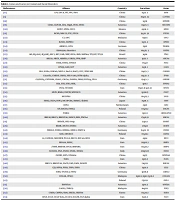
Orofacial Closure Defects: Forty-Five Genes Associated Cleft Lip and Palate
Ashouri S, Khorramkhorshid H, Ebadifar A. Orofacial Closure Defects: Forty-Five Genes Associated Cleft Lip and Palate. Artif Intell Precis Med. 2021;1(1):e115500. doi: https://doi.org/10.5812/pmco.115500
Consanguineous Marriage and the Risk of Parents Having Children with Cleft Lip and Palate
Bakhshani S. Consanguineous Marriage and the Risk of Parents Having Children with Cleft Lip and Palate. Int J High Risk Behav Addict. 2021;10(2):e114912. doi: https://doi.org/10.5812/ijhrba.114912
Submucous cleft palate: Therapeutic needs at different ages
Derakhshandeh F, Melhoseini Z, Mohammadi R, Rashidi Nezhad A, Mohammadi F, et al. Submucous cleft palate: Therapeutic needs at different ages. koomesh. 2020;22(2):e153182. doi:
Frequency of hypodontia among high school students in Qazvin
Salehi Vaziri A, Nasiri E. Frequency of hypodontia among high school students in Qazvin. J Inflamm Dis. 2024;13(1):e155455. doi:
- Scopus by DOI: 0
Last Update: 1 month ago
- Scopus by Title: 0
Last Update: 1 month ago
- Scopus by Title (Ref): 0
Last Update: 1 month ago
- CrossRef: 0
Last Update: 5 days ago
- OpenAlex: 0
Last Update: 2 hours ago
- OpenCitations: 0
Last Update: 2 days ago