Journal of Inflammatory Diseases
The Official Journal of Qazvin University of Medical Sciences
The effect of zinc supplementation on linear growth in short stature school-aged children in Qazvin
Authors
Abstract
Abstract Background: Physical growth retardation is an early and prominent feature of zinc deficiency. Objective: To determine the effect of zinc supplementation on linear growth of school children with short stature in Qazvin during 2004-2005. Methods: The study was designed as a double-blind randomized clinical trial during a 5-month period. Anthropometric data were collected at 0, 1, 2, 3, 4, and 5 months. Measurements included plasma zinc concentration, height, weight, nutrition state. Subjects were 30 short stature female students (<3rd percentile) aged 10-11 years. Children were randomly divided into two groups, one with zinc supplementation (15mg/day ZnSo4) and the other with placebo. As control group, 15 healthy children with normal growth were included. Findings: The prevalence of short stature in children was 7.1% (52 from 725 children). The mean age was 10.5±0.5 years. After supplementation, zinc group showed a higher serum zinc concentration (89.5±12.99 vs. 81.1±9.04 µg/dl, p=0.009) compared to the placebo group (72.66±7.82 vs. 86.13±17.8 µg/dl) with one child found to have serum zinc concentration of less than 70 µg/dl. The linear growth rose at 3, 4, and 5 months following supplementation. The height velocity was significantly increased in zinc group (3.22±0.9cm) comparing with placebo (2.33±0.7cm) and control (3.02 ±1.59cm) groups (p=0.004). The weight increase was statistically significant only at the end of 5 months compared to the beginning of study. Conclusion: Zinc supplementation caused an increase in growth velocity and serum zinc concentration. Regarding the notable prevalence of zinc deficiency in female students during the adolescence growth spurt, zinc supplementation is recommended.
Highlights
Copyright
© 2024, Journal of Inflammatory Diseases. This open-access article is available under the Creative Commons Attribution-NonCommercial 4.0 (CC BY-NC 4.0) International License (https://creativecommons.org/licenses/by-nc/4.0/), which allows for the copying and redistribution of the material only for noncommercial purposes, provided that the original work is properly cited.
Similar Articles
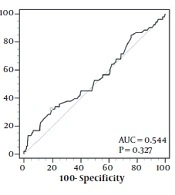
Vitamin D and Zinc are Interlinked But Affected by Different Growth Factors in Iranian Children and Adolescents: Vitamin D and Zinc in Iranian Children and Adolescents
Habib A, Molayemat M, Habib A, Hejrati Z, Kheirandish Z. Vitamin D and Zinc are Interlinked But Affected by Different Growth Factors in Iranian Children and Adolescents: Vitamin D and Zinc in Iranian Children and Adolescents. Inn J Pediatr. 2022;32(6):e127158. doi: https://doi.org/10.5812/ijp-127158
Assessment of Zinc status in school girls in Zahedan
Montazerefar F, Karajibany M, Kimiagar M, Valaei N, Gafarpoor M. Assessment of Zinc status in school girls in Zahedan. J Inflamm Dis. 2024;3(4):e154683. doi:
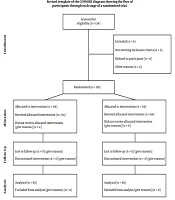
Efficacy of Zinc as Adjuvant Therapy in the Treatment of Severe Pneumonia in Hospitalized Children: A Randomized Clinical Trial
Hashemian H, Alizadeh H, Kazemnejad Leyli E. Efficacy of Zinc as Adjuvant Therapy in the Treatment of Severe Pneumonia in Hospitalized Children: A Randomized Clinical Trial. Arch Pediatr Infect Dis. 2020;9(1):e105318. doi: https://doi.org/10.5812/pedinfect.105318
Could Zinc Supplementation in Pregnancy Improve Infancy Outcomes?
Farajzadegan Z, Mahmoodian A, Giahchin L, Yekta Z. Could Zinc Supplementation in Pregnancy Improve Infancy Outcomes?. Shiraz E-Med J. 2007;8(2):. doi:
Zinc Sulfate: An Effective Micronutrient for Common Colds in Children: A Double-Blind Placebo Controlled Trial
Gholamzadeh Baeis M, Qasemzadeh MJ. Zinc Sulfate: An Effective Micronutrient for Common Colds in Children: A Double-Blind Placebo Controlled Trial. Jundishapur J Chronic Dis Care. 2017;6(4):e55010. doi: https://doi.org/10.5812/jjcdc.55010
- Scopus by DOI: 0
Last Update: 1 month ago
- Scopus by Title: 0
Last Update: 1 month ago
- Scopus by Title (Ref): 0
Last Update: 1 month ago
- CrossRef: 0
Last Update: 5 days ago
- OpenAlex: 0
Last Update: 2 days ago
- OpenCitations: 0
Last Update: 2 days ago