1. Introduction
No one wants to be injured. However, physically active people, especially sports athletes, are likely to be affected by different types of injury (1-3). The more serious the injury, the more likely the athlete will have strong emotional reactions to that injury. These reactions include anger, fear and feelings of helplessness. Using skills such as goal setting and imagery can help athletes manage their pain, adhere to the rehabilitation protocols, and increase their confidence about a prompt return to full participation (4, 5).
A re-education program can significantly affect Anterior Cruciate Ligament (ACL) reconstruction results. Rehabilitation is frequently focused on specific joint and functional parameters (6-9), often not considering psychological issues. On the other hand, physical and mental issues are strictly connected and complementary in the human being (10-13). The improvement of psychological status influences the somatic status.
Psychological-based interventions have been shown to be valuable for enhancing the rehabilitation outcomes post-sporting injury (14-16). Certainly, much more attention should be paid to the psychological aspects after trauma or surgical treatment to enhance and speed up the patient’s recovery, taking into account the whole human being, and not only the simple joint system from the kinematic and operative point of view.
1.1. The need of a Video-Based Psychological Intervention.
The use of images (17) and goal setting (18) has been shown to enhance and speed up post-operative performance. Images are powerful and have a tremendous impact on personality. From the moment they are born, children use their eyes to experience images, which are initially confused but then become clearer. Vision is the first way of discovering and learning about the world; constructing images is the simplest and most immediate way to represent reality within oneself. We are powerfully conditioned by inner images, which allow us to fill our gaps of knowledge. Images stimulate cognitive reflection, comparison, learning and creativity; they develop the imagination; provoke affectivity, reflection and the psychosomatic dimension; they stimulate communication, action and decision making; they promote orientation in terms of aptitude and socialization on the level of identity and change. They are important for good mental, intellectual and affective functions, as they evoke things, conveying sensations and, in some cases, even tastes and smells. They penetrate the unconscious with greater force and speed, and they liberate, guide and transmit energy. In dreams, the unconscious expresses itself in images.
1.2. The Videoinsight® Method
In psychoanalysis, having an insight is the capability to comprehend an inner specific psychological path and successively having a healing transformative capacity. Selected figures can be very strong and capable to elicit an insight. The method described is a psychological support methodology that through the observation of contemporary art images, allows patients to promote their psychological “insight” experience. Specifically chosen for their significance and converting potentiality, these watched images permit the person to activate sentiment and perception with evolutionary orientations and actions.
The Videoinsight® method, which is the clinical use of contemporary art works in the session of psychodiagnosis and psychotherapy, differs from any other clinical approach, and is based on the integration of art and psychology. The Videoinsight® method has some points of contact with the more general framework of art therapy, yet it also has strong deviations. It is defined more precisely as “psychotherapy through art”.
The interpretation of a work of art is similar to the interpretation of a dream: both do not communicate concepts directly, but remain somewhat mysterious. The technique for revealing the unconscious in both cases is through interpretation.
In different ways, a clinical session and an art exhibition represent times and places of reflection on drives and human contradictions, distresses, imaginations, dreams and aspirations for happiness. They activate emotional intelligence, insight and sensitivity. The therapist must be able to look beyond or beneath the evident reality and discover minor or secondary aspects, looking at the patient just as the public looks at an artistic masterpiece, in order to reveal what can no longer be seen because we have become accustomed to it. Likewise, those who observe works of art cannot be lazy and must be able to take the risk of not understanding. Art videos can induce an alteration of awareness, a dreamlike state of slight stupor, a dreamy wakefulness, a fluctuating suspension induced by the narrative and by what is evoked by the images, in which fantasy becomes almost reality, and identity is disoriented and confused. Watching them activates regressions, projections, mirroring and identifications.
Treatment is conducted by promoting a re-elaborated, significant and acceptable narrative. Constructing a plot for the art video facilitates the comunication, which is a preferential path for self-representation. The clinical use of contemporary art works in psychodiagnosis and psychotherapy sessions has several elements in common with the more general form of art therapy, yet there are also substantial differences. The Videoinsight® method consists of sharing with the patient the enjoyment of a contemporary art work that has a high transformative potential, in order to achieve insight that can promote development and psychophysical well-being.
Certain videos are psychologically useful and transmit energy to encourage change. These artistic videos can help treat psychological and psychosomatic disabilities that are frequently observed after surgery, increasing the resistance capacity and improving cognitive and behavioral power during the rehabilitation process after surgery.
2. Field of Application
This new psychological treatment modality could be used also to enhance and improve the results of a prevention program for specific pathology, and rehabilitation program after surgical reconstruction, as well as a psychological strengthening and support to improve sport performances of athletes, when applied before the sport event.
At the moment there are some ongoing projects to use the Videoinsight® method in the following fields, to relax and reduce the level of anxiety in people that are due to perform a stressful task (professional, sporting or other); 1- to improve the subjective mood in light depressions; 2- to help the solution of alimentary disorders and dependencies; 3- to raise motivation, resistance, confidence and problem-solving capacity; 4- to canalize the aggressiveness in positive energy; 5- for treatment of sleeping disorders; 6- to activate trauma’s elaboration and failure’s resolution; 7- to manage psychological crisis; 8- to stimulate communication and narrative capacities; 9- to reduce the risk of heart attack in prevention programs for cardiopathic patients.
Moreover, this method has been already applied in the rehabilitation program after ligament knee reconstruction in young athletes showing better and faster return to daily living activities. Another project has used the Videoinsight® method in arthritic patients to improve rehabilitation after total knee replacement. An international multicentric study was performed utilizing the Videoinsight® method on young patients with anterior knee pain syndrome, where the psychological attitude of the patients was shown to be an important factor. Another intriguing application could be to apply this method during self-psychological training performed before sport event performance, to guarantee an improvement of performance.
3. Preliminary Data
As mentioned, the Videoinsight® method was applied for the first time in a clinical trial conducted at the Istituto Ortopedico Rizzoli in Bologna, Italy. The idea behind the trial was to evaluate if the vision of contemporary art videos according to the Videoinsight® method could be able to improve the rehabilitative process and the patient status after a frequent orthopedic sport surgery such as ACL reconstruction. The Videoinsight method has the capacity to stimulate the subconscious of patients, therefore it is able to function even in patients with different mental capacities since it works on the affectivity and emotional neuronal part of the subconscious that is similar in all patients.
For this purpose 106 patients with ACL deficiency were enrolled in this prospective randomized controlled (Level I) study. The other inclusion criteria were the following: age of 16 years or older, having no other acute lower limb trauma, no concomitant Posterior Cruciate Ligament (PCL) injury and no advanced osteoarthritis of the affected joint (Outerbridge IV), no meniscus loss of > 50%, correct lower limb alignment, no systemic or local infection, no history of rheumatoid arthritis, inflammatory arthritis or immunological diseases, and being able to give written consent to undergo the study.
After the ACL reconstruction procedure, 53 patient from Group A, considered as the “treatment group”, received one art video that was established to produce positive and therapeutic “insight” according to the Videoinsight® method (Figure 1). The 53 patients of Group B, considered as the “control group”, received one art video with an “insight” unfavorable to their psychological recovery (Figure 2). All patients were instructed by a psychologist to watch the video three times a week before the execution of the rehabilitative session, for the first two months after ACL reconstruction.
The patients evaluation was performed, three months after the surgery, using validated standard subjective scores, including; 1) Tegner Activity Scale (19): scores range from 0 (inactive) to 10 (most active) and evaluate the occupation and sport activity of the patient; 2) Subjective International Knee Documentation Committee (IKDC) Score (20): subjective scores from 0 (lowest) to 100 (highest) that evaluate the symptoms and knee function of the patient; 3) Short Form-36 (SF-36) scores (21): a patient-reported survey of patient health with mental and physical subscales with scores ranging from 0 (lowest) to 100 (highest); 4) Tampa Scale of Kinesiophobia (TSK) (22): a 17-item self-report checklist that measures the fear of movement and (re)injury, rated from 0 (lowest fear) to 52 (highest fear).
Time to discharge from crutches was recorded during the final follow-up session. Thanks to the randomization process the two groups were homogenous regarding sex, age, involved knee and pre-operative values of the clinical scores, as detected by the statistical analysis (P > 0.05).
At the three-month follow-up, subjective IKDC was significantly better in group A when compared to group B, also TKS and timing of crutches release were significantly better in group A (Table 1) (23).
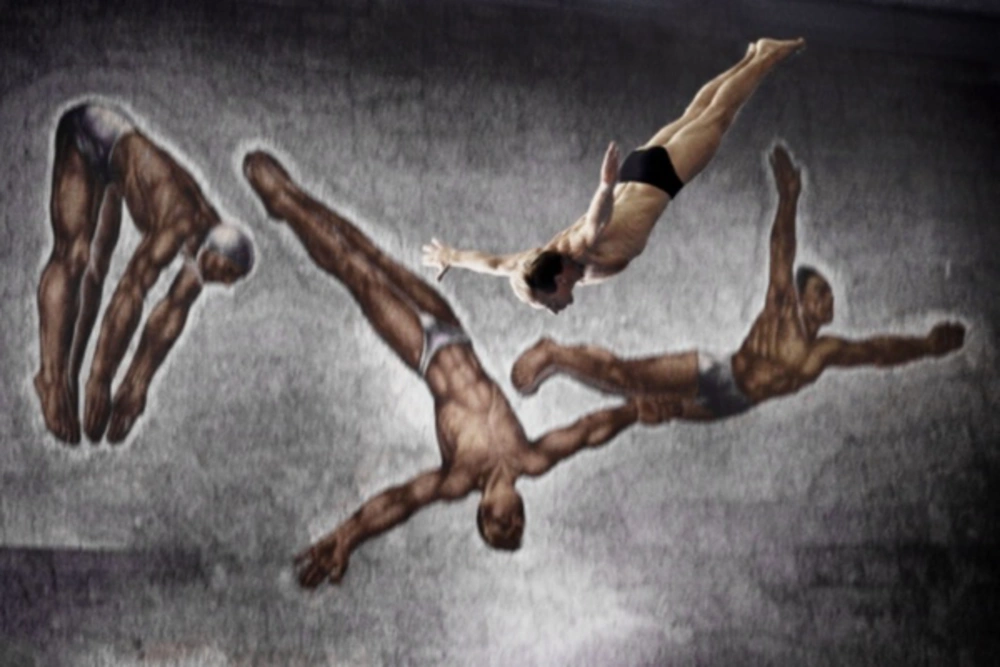
Figure 1.
Migliora M. “Forever Overhead”, Video Still (2010), Courtesy Videoinsight ® Center
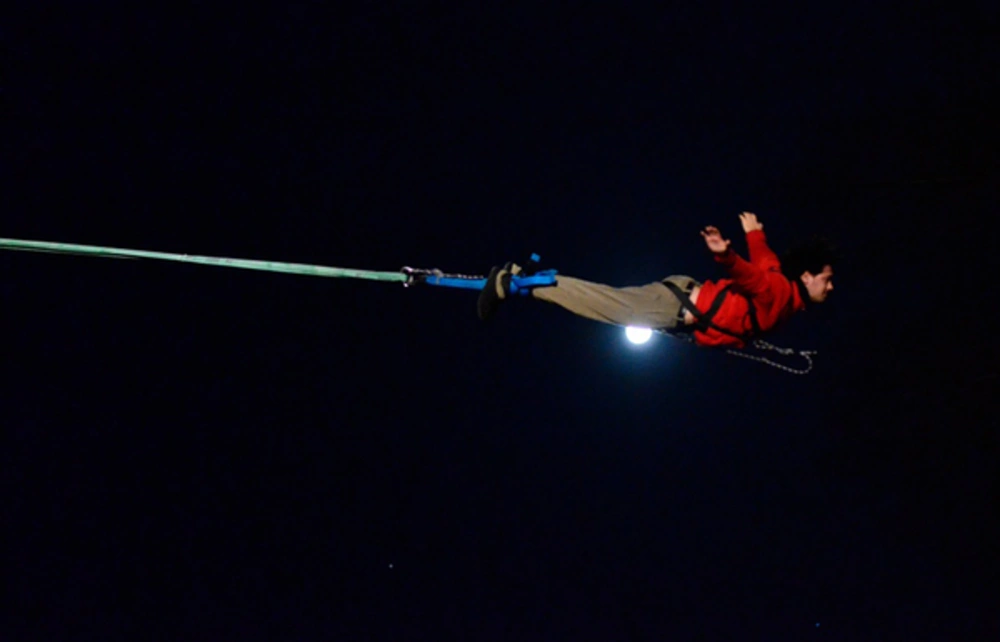
Figure 2.
Zeleny D. “Someone Say the Moon is Easy to Touch”, Video Still (2010), Courtesy Videoinsight ® Center
Table 1.
Clinical Outcome Scores at the Three-Month Follow-up a
| Score | Evaluation | P Value | |
|---|---|---|---|
| Treatment Group | Control Group | ||
| Subjective IKDC | 82.0 ± 13.8 | 71.0 ± 19.7 | 0.0470 b |
| TSK | 28.1 ± 6.0 | 32.0 ± 5.8 | 0.0141 b |
| Crutches, d | 20.9 ± 5.0 | 26.5 ± 8.2 | 0.0012 b |
a Data are presented as mean ± SD.
bStatistically significant differences between the two groups (P < 0.05).
4. Discussion
The original and innovative conclusion of this research is that using the Videoinsight® method in the immediate post-operative phase after ACL surgery allows the achievement of better subjective results at three months by means of IKDC. Moreover, the kinesiophobia of the athletes during this fundamental period was decreased allowing a quicker crutches release that permitted a better restoration of normal gait.
The Videoinsight® method, an already standardized technique for psychodiagnosis and psychotherapy (24-26), was used for the first time in orthopedic rehabilitation, to increase the comprehensive results of surgical treatment from an objective and subjective point of view. The peculiarity of the method is that it does not use normal images or modeling videos but utilizes sensations promoted by the view of artistic opera that contain an intrinsic energy. In this manner the effectiveness of this approach is related to the combination of images and emotional insights provoked by contemporary art work.
Viewing these artistic pictures improves the inner incitement to exercise and increase the general status of the patients (Figure 3). This method also differs from modeling techniques (15). In fact, the art video allows an internal patient maturation that permits a faster rehabilitation process, and increases self-motivation. This is confirmed by the reduced TSK score for group A. Moreover, the strict and direct correlation found between TKS and crutches release confirm the somatic performance of the method through psychological stimulation. Obviously patients with different mental capacities could be more or less affected by this method, however since the method penetrates in the subconscious part of the patients, the method is effective in improving the clinical and psychological results after surgical treatment and rehabilitation.
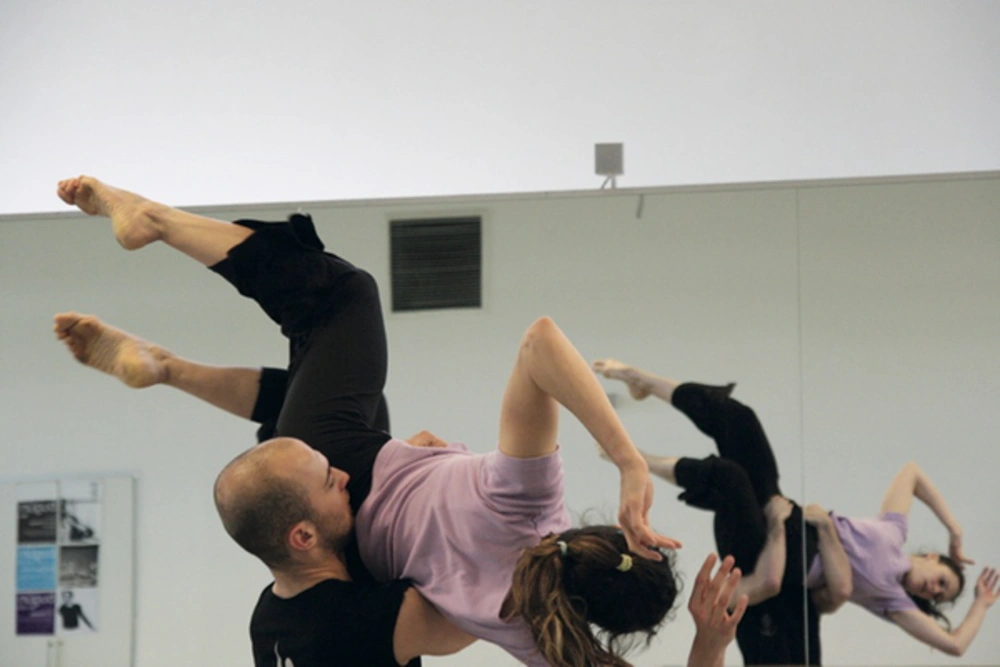
Figure 3.
Ali Kazma “Dance Company”, Video Still (2010), Courtesy Videoinsight ® Center
4.1. Criteria for selection of artworks in the Videoinsight® experience
The elements required to choose an artwork for use in a clinical setting are the following: the work should contain content with high diagnostic or therapeutic potential; the clinical contents in the artwork should have harmony with the previously diagnosed needs of the patients; the patients should be able to grasp, recognize and assimilate the content on a conscious and intellectual level; the patients should be receptive emotionally, meaning capable of the emotional resonance; the artwork should stimulate the patients insight; the patient and therapist should be strongly motivated for the treatment; the artwork should be poetically and aesthetically balanced; the artwork should not be violent, vulgar, disturbing, upsetting or traumatizing; the artwork should not be boring or banal; the artwork should be ambiguous and mysterious, but not indecipherable or meaningless; the introduction of the artwork in the clinical setting should add transformational value; it should not be distracting; on the contrary it should increase the effectiveness of the clinical intervention; the video should be based on mutual trust, empathy, work alliance, capitalization of the assistance; the patient should be willing to participate in this form of therapy; the therapist should feel comfortable with the artwork.
4.2. Conclusion and Future Perspectives
The Videoinsight® method combines the power of video and art in order to increase clinical outcomes after surgery. Association of accelerated rehabilitation with this approach permit all anatomical, functional and psychological features, to be taken into account for the achievement of better and faster return to sport for the athletes. This method could be implemented in day-by-day rehabilitation programs to speed up the recovery and increase athlete’s motivation after ACL surgery.
This is the first time that this method, after several years of application in diagnosis and treatment of psychological pathology, has been applied in medicine. After this first application, this methodology could be applied to several orthopedic problems. The use of this psychological method and its efficacy demonstrates the importance to treat the patients as a unity, considering all the aspects that affect the final clinical outcome from an objective and a subjective point of view.
The application of the Videoinsight® method demonstrates that not only anatomical and functional restoration are important, but also the patient’s perception and psychological attitude affect the final outcome. Therefore, much more attention should be paid to this aspect and some psychological evaluation and support should be included in treatment protocols to achieve the best results from care of this specific population (the sports athletes).