1. Context
Multidrug-resistant (MDR) Gram-negative infections are a major global health concern and contribute to increased morbidity, mortality, healthcare costs, and prolonged hospitalization (1-3). The U.S. Centers for Disease Control and Prevention (CDC) has identified MDR Gram-negative bacteria as among the most critical threats to antibiotic effectiveness. Without effective interventions, antimicrobial resistance may cause up to 10 million deaths annually by 2050 (3). Although research has largely focused on adults, recent evidence highlights a growing burden in pediatric populations (4, 5). In the United States, the incidence of invasive MDR Enterobacteriaceae infections among hospitalized children increased from 0.2% to 1.5% between 2007 and 2015 and was associated with longer hospital stays and increased mortality (6). Additionally, an annual 4% increase in MDR and carbapenem-resistant Pseudomonas aeruginosa infections has been reported among children, underscoring the need for pediatric-focused antimicrobial stewardship and novel therapeutic strategies.
Risk factors for MDR Gram-negative infections in pediatric patients have been consistently identified across studies. These include recent or prolonged antibiotic use, corticosteroid treatment, comorbidities, and previous hospitalization (7-10). The highest-risk groups include immunocompromised children, particularly those receiving chemotherapy, hematopoietic stem cell transplantation, or long-term immunosuppressive therapy. In these populations, MDR infections are associated not only with increased treatment failure and mortality but also with interruptions in critical therapies, such as chemotherapy and transplantation (11, 12).
The pathogens of greatest concern in pediatric practice include Pseudomonas aeruginosa, ESBL-producing Enterobacterales, carbapenem-resistant Enterobacterales (CRE), and MDR Acinetobacter species (5, 8). Resistance in these organisms is predominantly mediated by β-lactamase production (13). This diversity complicates empiric antimicrobial selection, particularly in critically ill children, in whom delays in effective therapy are associated with poor outcomes (14).
Pediatric antimicrobial therapy presents additional challenges because developmental pharmacokinetic and pharmacodynamic variability complicates drug selection and dosing across age groups. The limited availability of pediatric-specific data for newly developed antimicrobials further restricts therapeutic options. Although newer β-lactam/β-lactamase inhibitor combinations, such as ceftazidime–avibactam (CZA) and ceftolozane–tazobactam (C/T), have been approved for use in adults (15), evidence in pediatric populations remains limited. Clinical use in children has therefore relied largely on extrapolation from adult studies, supplemented by limited pharmacokinetic data, case series, and compassionate-use reports.
Given the increasing prevalence of MDR Gram-negative infections in children, particularly among immunocompromised hosts, there is an urgent need to synthesize the available evidence on novel therapeutic agents. This narrative review focuses on CZA, including its pharmacologic characteristics, clinical evidence, safety profile, and potential role in pediatric practice (16, 17).
2. Evidence Acquisition
A structured narrative literature search was conducted in PubMed/MEDLINE, Scopus, and Embase from database inception to March 31, 2025. Search terms included “ceftazidime–avibactam,” “ceftazidime-avibactam,” “CAZ-AVI,” “CZA,” “pediatric,” “children,” “neonates,” “infants,” “hematology-oncology,” “central nervous system infections,” “meningitis,” “sepsis,” “pharmacokinetics,” “multidrug-resistant,” “MDR,” “carbapenem-resistant,” “CRE,” “Enterobacterales,” and “Pseudomonas aeruginosa,” combined using Boolean operators. Eligible publications included clinical trials, pharmacokinetic studies, observational cohorts, case series, and relevant case reports involving patients younger than 18 years who received or were evaluated for ceftazidime–avibactam therapy. We excluded studies limited exclusively to adult populations without extractable pediatric subgroup data, non-English publications, articles without an available full text, and reports that did not address ceftazidime–avibactam use, pharmacology, safety, dosing, or clinical outcomes in pediatric populations.
Titles and abstracts were screened for relevance, and potentially eligible full texts were reviewed to extract information on patient population, age group, infection type, pathogen, resistance mechanism, dosing regimen, clinical response, microbiological outcome, adverse events, and study design. As this was a narrative review, data were synthesized descriptively under predefined thematic headings rather than pooled quantitatively. When multiple reports appeared to describe overlapping cohorts or the same patient population, the most recent or most comprehensive publication was prioritized to reduce duplication bias. Reference lists of selected articles were manually screened to identify additional relevant publications. Additional attention was given to available Iranian and regional studies addressing ceftazidime–avibactam susceptibility, carbapenemase distribution, and resistance mechanisms among MDR Gram-negative isolates when relevant to pediatric interpretation and antimicrobial stewardship. Grey literature, including conference abstracts and unpublished reports, was not systematically searched; however, FDA and EMA regulatory documents were consulted when relevant to verify approved indications, age ranges, and dosing recommendations.
3. Results
3.1. Pharmacology and Mechanism of Action of Ceftazidime–Avibactam
CZA is a fixed-dose combination of a third-generation cephalosporin and a novel non–β-lactam β-lactamase inhibitor. CZA was first approved by the U.S. Food and Drug Administration (FDA) in February 2015 for the treatment of complicated intra-abdominal infections (cIAI), in combination with metronidazole, and complicated urinary tract infections (cUTI), including pyelonephritis, in adults. The European Medicines Agency (EMA) granted approval in 2016 for the same adult indications.
Ceftazidime exerts its bactericidal effect by binding penicillin-binding proteins and inhibiting peptidoglycan cross-linking, whereas avibactam reversibly inhibits a broad spectrum of serine β-lactamases, including Ambler class A (e.g., KPC), class C (AmpC), and some class D enzymes (e.g., OXA-48–like) (18). Unlike traditional β-lactamase inhibitors, avibactam is not a β-lactam and is resistant to hydrolysis, thereby restoring ceftazidime activity against otherwise resistant Enterobacterales and Pseudomonas aeruginosa (16).
However, avibactam has no inhibitory activity against metallo-β-lactamases (MBLs), such as NDM, VIM, and IMP. Consequently, CZA lacks activity against MBL-producing Enterobacterales and nonfermenters, which are increasingly encountered in pediatric settings. Therapeutic failure may therefore occur when CZA is used against MBL producers, underscoring the need for alternative strategies. In vitro investigations illustrate the clinical relevance of this mechanism. A two-center Chinese study of carbapenem-resistant Klebsiella pneumoniae isolates from pediatric patients demonstrated potent CZA activity against KPC- and OXA-48–producing strains but no activity against NDM producers (18). This limitation creates a therapeutic gap in regions where MBLs predominate. Consistent with this, a neonatal intensive care unit (NICU) outbreak in China documented CZA-resistant Klebsiella pneumoniae, frequently associated with NDM production and plasmid-mediated resistance determinants. Combining CZA with aztreonam is being explored as a strategy against MBL producers (17). Iranian and regional resistance data are also relevant when interpreting the potential role of CZA. Regional studies have reported carbapenem-resistant Gram-negative pathogens with mechanisms that may limit CZA activity, particularly MBLs such as NDM, VIM, and IMP, which are not inhibited by avibactam. In carbapenem-resistant Pseudomonas aeruginosa, additional mechanisms, including AmpC overexpression, porin alterations, and efflux-pump activity, may further contribute to variable CZA susceptibility. These findings emphasize the importance of local resistance surveillance and susceptibility-guided therapy, particularly before considering empiric or off-label pediatric CZA use.
In 2018, the FDA further expanded the adult label to include hospital-acquired pneumonia (HAP) and ventilator-associated pneumonia (VAP), following results of the REPROVE trial demonstrating non-inferiority to meropenem (18). The EMA similarly approved these indications in 2018.
Pediatric approval followed later. In 2019, the FDA extended CZA use to children aged ≥ 3 months to < 18 years for cUTI, including pyelonephritis, and cIAI in combination with metronidazole. This approval was based on pediatric pharmacokinetic studies and safety extrapolation from adults, supported by limited clinical efficacy data in children.
Subsequently, in 2020, the EMA authorized CZA for children aged ≥ 3 months with cUTI and cIAI, in combination with metronidazole, as well as hospital-acquired bacterial pneumonia/ventilator-associated bacterial pneumonia (HABP/VABP) when treatment options are limited. CZA has emerged as an important therapeutic option for pediatric infections caused by MDR Gram-negative pathogens. Studies have demonstrated activity against ESBL-producing Enterobacterales and carbapenem-resistant Pseudomonas aeruginosa, including in children with hematologic malignancies (19, 20). Surveillance data also indicate strong in vitro activity against ESBL-producing and carbapenem-resistant Enterobacteriaceae (21). However, resistance has been reported, particularly among carbapenem-resistant Klebsiella pneumoniae harboring KPC-2 and NDM-1 enzymes and in patients with prior β-lactam exposure or neonatal risk factors (17). Despite emerging resistance, CZA has shown encouraging clinical outcomes in selected observational reports. Small case series and retrospective cohorts have reported clinical response rates exceeding 90% in pediatric patients with carbapenem-resistant infections; however, these estimates are derived from heterogeneous observational studies with variable denominators and should be interpreted cautiously. Overall, CZA may have an important role in treating MDR Gram-negative infections in children, provided that its use is prudent and accompanied by ongoing resistance surveillance.
3.2. Clinical Role in Pediatric Infectious Disease
3.2.1. Use of Ceftazidime–Avibactam in Neonates
Approved and off-label pediatric applications of ceftazidime–avibactam are summarized in Table 1. This distinction is important because the strength of evidence varies substantially across indications, with the most robust data supporting approved indications and more limited observational evidence supporting off-label use in severe systemic, neonatal, and central nervous system (CNS) infections. Regulatory approval for CZA varies by jurisdiction, age group, and indication. The most established pediatric indications include cUTI, including pyelonephritis; cIAI in combination with metronidazole; and HABP/VABP in eligible pediatric age groups according to local product labeling. In contrast, use for bloodstream infections, meningitis, other CNS infections, osteomyelitis, neonatal sepsis, and broad empiric treatment of sepsis remains off-label or label-dependent and is supported mainly by limited observational data, case reports, and extrapolation from adult or pharmacokinetic studies. Such use should therefore be individualized and supported by microbiological confirmation, susceptibility testing, local resistance epidemiology, antimicrobial stewardship oversight, and specialist input (22).
Table 1.
Regulatory-Approved and Off-Label Uses of Ceftazidime–Avibactam in Pediatric Practice a
| Categories and Clinical Settings | Regulatory Status in Pediatrics | Key Considerations |
|---|---|---|
| Approved pediatric indications | ||
| Complicated urinary tract infection (cUTI), including pyelonephritis | Approved in children ≥ 3 months | Use should be guided by pathogen susceptibility, renal function, age, and weight-based dosing. |
| Complicated intra-abdominal infection (cIAI), in combination with metronidazole | Approved in children ≥ 3 months | Should be used when the causative organism is susceptible or strongly suspected to be susceptible. |
| Hospital-acquired bacterial pneumonia / ventilator-associated bacterial pneumonia (HABP/VABP) | Approved in children ≥ 3 months in some regulatory settings when limited treatment options exist | Should be reserved for suspected or confirmed MDR Gram-negative pathogens and guided by local resistance patterns. |
| Off-label use | ||
| Bloodstream infections caused by CRE or other MDR Gram-negative organisms | Off-label | May be considered in selected cases when susceptibility is confirmed and alternative options are limited; specialist input is strongly recommended. |
| Meningitis, ventriculitis, brain abscess, and other CNS infections | Off-label | Evidence is limited to case reports and small series; CNS penetration, dosing, and combination therapy should be carefully evaluated. |
| Osteomyelitis and other deep-seated infections | Off-label | Pediatric evidence remains very limited; use should be individualized based on susceptibility, source control, and multidisciplinary assessment. |
| Neonatal sepsis or severe neonatal MDR Gram-negative infection | Off-label, particularly in neonates < 3 months or preterm infants | Requires heightened caution due to limited neonatal PK/PD data, immature renal clearance, and uncertain exposure–response relationships. |
| Broad empiric use in sepsis without microbiological confirmation | Not recommended as routine practice | Should generally be avoided unless strongly justified by local epidemiology, prior colonization/infection history, and antimicrobial stewardship approval. De-escalation is essential once culture results are available. |
a Abbreviations: CRE, carbapenem-resistant Enterobacterales; MDR, multidrug-resistant; CNS, central nervous system; PK/PD, pharmacokinetic/pharmacodynamic.
The use of CZA in neonatal populations (Table 2), particularly for infections caused by CRE, has been increasingly described in NICU-based reports and selected case series. However, neonatal use remains supported by limited and heterogeneous evidence, and data in infants younger than 3 months, especially preterm neonates, are insufficient to generalize efficacy, safety, or optimal dosing across neonatal infections.
Table 2.
Ceftazidime–Avibactam Use in Neonates
| Infection Type | Hospitalization | Treatment Outcome | Dose (Neonatal) |
|---|---|---|---|
| Bloodstream infection, NICU outbreak | NICU | Partial or limited response due to resistance; highlights importance of molecular surveillance | Reported neonatal/infant regimen; dosing varied by gestational age, postnatal age, body weight, renal function, and local protocol. Use should not be generalized as a universal neonatal standard dose. |
| Bloodstream infection, sepsis | NICU | Clinical cure was reported in approximately 70 - 80% of cases; however, these findings were derived from a limited, heterogeneous, nonrandomized population and varied according to gestational age, infection severity, and pathogen susceptibility profile | |
| Severe sepsis, CRE BSI | NICU | Rapid clinical improvement and sterile blood cultures within 48 - 72 h reported in selected case reports; findings are not generalizable without prospective validation. | |
| Bloodstream infection | NICU | Limited efficacy due to resistance; some clinical improvement | |
| Complicated multidrug-resistant Gram-negative infections | NICU | Clinical improvement reported in selected off-label neonatal reports; outcomes may reflect combination therapy, pathogen susceptibility, and supportive care. | |
| Pharmacokinetic study (prophylactic/therapeutic) | NICU/ward | Therapeutic plasma levels and acceptable short-term tolerability reported in a neonatal/infant pharmacokinetic study; long-term safety remains insufficiently characterized. | Age-, weight-, and renal function-adjusted regimen evaluated in a neonatal/infant PK study; dosing should follow product labeling or specialist PK guidance where available. |
A phase 2a multicenter prospective trial assessed the pharmacokinetics and safety of intravenous CZA in neonates and young infants. In neonatal and young infant reports, dosing regimens have generally been derived from pediatric pharmacokinetic principles, local protocols, or compassionate-use experience, and have varied according to gestational age, postnatal age, body weight, renal maturation, renal function, infection severity, and local labeling. Therefore, a single neonatal dosing regimen should not be presented as universally applicable. In a multicenter observational experience involving neonates and children with XDR or PDR Klebsiella pneumoniae, clinical cure was reported in approximately 70 - 80% of cases; however, these findings were derived from a limited, heterogeneous, nonrandomized population and varied according to gestational age, infection severity, and pathogen susceptibility profile. When CZA is used in neonates, particularly preterm infants, dosing should be individualized and adjusted according to renal function, with close clinical and laboratory monitoring (23, 24).
Similarly, selected case reports in extremely premature neonates with CRE infections have described clinical improvement after CZA therapy. However, these reports should not be interpreted as establishing a standard neonatal dose or definitive efficacy, because they represent isolated clinical experiences with individualized management, susceptibility-guided therapy, and intensive supportive care (25).
Observational studies and outbreak reports have described the use of CZA in NICU settings involving carbapenem-resistant Klebsiella pneumoniae, including isolates with blaKPC-2 and other resistance determinants. Some reports have also described CZA-resistant carbapenem-resistant Klebsiella pneumoniae in neonatal units, often in association with carbapenemase variants, metallo-β-lactamases, or additional plasmid-mediated mechanisms (26, 27). However, the timing and mechanisms of resistance emergence cannot be generalized across neonatal populations, because the available evidence is derived from outbreak reports, molecular epidemiologic studies, and selected clinical experiences rather than prospective pediatric resistance-surveillance cohorts. These findings support the need for susceptibility-guided therapy and molecular surveillance when CZA is considered in NICU settings (17).
Overall, evidence from neonatal pharmacokinetic studies, case reports, and small observational experiences suggests that CZA may be considered a targeted option in selected neonates with severe CRE infections, particularly in NICU settings when susceptibility is confirmed. However, the available evidence remains limited, off-label in many neonatal scenarios, and insufficient to support broad generalization without careful monitoring, susceptibility testing, renal function assessment, and individualized dosing (28).
3.2.2. Use of Ceftazidime–Avibactam in Pediatric Hematology-Oncology Populations
Clinical experience with CZA in children with hematologic or oncologic diseases remains limited to small case series and retrospective studies; nevertheless, accumulating reports suggest promising efficacy and tolerability.
The earliest documented pediatric case involved a 3-year-old girl with relapsed acute lymphoblastic leukemia who developed bacteremia due to Morganella morganii. Standard CZA monotherapy proved ineffective against metallo-β-lactamase-producing pathogens; however, combination therapy with aztreonam (100 mg/kg/day) and CZA (150 mg/kg/day) led to rapid microbiological and clinical resolution, with no recurrence over six months (28, 29). This case underscores the potential need for combination therapy in managing infections caused by metallo-β-lactamase producers, which are increasingly prevalent among immunocompromised children.
Subsequent multicenter and single-center studies have reinforced the clinical utility of CZA in pediatric hematology-oncology populations. A retrospective multicenter study in Italy included 25 children with a median age of 9 years, all diagnosed with hematologic malignancies such as acute lymphoblastic leukemia (n = 10) and acute myeloid leukemia (n = 5). Patients were treated with either CZA (n = 21) or ceftolozane-tazobactam (n = 4), predominantly for sepsis (15 cases), pneumonia (2 cases), appendicitis (1 case), and colonization (7 cases). CZA was administered at 50 mg/kg ceftazidime plus 12.5 mg/kg avibactam every 8 hours, typically for 14 days. In this small retrospective multicenter study of 25 children with hematologic malignancies, resolution was reported in 91% of evaluable cases. This finding is encouraging but should be interpreted cautiously because of the retrospective design, limited sample size, heterogeneous infection types, and inclusion of both treatment and colonization scenarios (29).
In a single-center retrospective cohort from China including 38 pediatric patients, clinical response was reported in 84% of patients with confirmed carbapenem-resistant infections and 92% of empirically treated patients. Because these estimates were derived from a single-center, noncomparative retrospective cohort, they remain subject to selection bias and require confirmation in prospective pediatric studies (30).
In a small Brazilian pediatric hematology-oncology case series involving 11 children and 13 infection episodes, microbiological clearance was reported in 92% of episodes and 30-day survival in 84%. These findings are encouraging but cannot be generalized without further validation because they are based on a very small, selected, noncomparative case series (30, 31).
Taken together, these reports suggest that CZA may have a role as salvage or targeted therapy for selected MDR Gram-negative infections in pediatric hematology-oncology patients. However, the evidence remains primarily retrospective, small in scale, and noncomparative; therefore, reported clinical and microbiological response rates should be interpreted as hypothesis-generating rather than definitive evidence of efficacy. Limitations include the lack of activity against metallo-β-lactamases, underscoring the importance of combination therapy with aztreonam in such cases. Current evidence is primarily retrospective and limited in sample size, highlighting the need for prospective studies to optimize dosing strategies, evaluate combination regimens, and clarify CZA’s role in empiric and targeted therapy for this vulnerable population.
3.2.3. Use of Ceftazidime–Avibactam in Pediatric Central Nervous System Infections
CZA is increasingly recognized as a therapeutic option for pediatric CNS infections caused by multidrug-resistant Gram-negative bacteria, including carbapenem-resistant Enterobacteriaceae and Pseudomonas aeruginosa. While the drug has been extensively studied in adults, pediatric data remain limited to case reports and small case series.
Evidence regarding CZA penetration into cerebrospinal fluid is limited and is derived mainly from adult pharmacokinetic observations and selected pediatric case reports rather than dedicated pediatric CNS pharmacokinetic studies. Adult data suggest variable CSF penetration, particularly in the presence of meningeal inflammation, but these findings should not be directly extrapolated to children or neonates. In pediatric CNS infections, reported clinical successes remain limited to individual cases or very small case series, often involving combination therapy, source control, and susceptibility-confirmed pathogens. Therefore, CZA use for meningitis, ventriculitis, brain abscess, or other CNS infections should be considered off-label and individualized, with careful attention to pathogen susceptibility, uncertainty regarding CNS penetration, renal function, source control, and specialist input.
Evidence from pediatric case reports illustrates the clinical effectiveness of CZA in treating severe CNS infections caused by MDR Gram-negative bacteria. In one instance, a pediatric patient developed severe post-neurosurgical meningitis accompanied by a brain abscess due to extended-spectrum β-lactamase-producing Escherichia coli. The patient received intravenous CZA at a dosage of 50 mg/kg ceftazidime combined with 12.5 mg/kg avibactam every eight hours, with adjustments made for age and renal function. CSF monitoring was conducted, and measurable levels of the drug were attained, indicating sufficient CNS penetration. Treatment led to clinical resolution of the infection, including sterilization of the CSF and a decrease in abscess size (32). In a separate case, a pediatric patient who developed a post-craniotomy brain abscess due to carbapenem-resistant Pseudomonas aeruginosa in a neonatal intensive care unit was administered intravenous CZA at the same dosage (50 mg/kg plus 12.5 mg/kg every 8 hours) alongside intrathecal colistimethate sodium. The CSF concentrations of CZA were not specifically documented. This treatment strategy effectively eradicated the infection and resulted in complete neurological recovery (32). Furthermore, two pediatric patients with CNS infections caused by CRKP, including meningitis and ventriculitis, were treated with standard neonatal and pediatric dosing of intravenous CZA at 50 mg/kg ceftazidime plus 12.5 mg/kg avibactam every eight hours. Although CSF levels were not assessed in these instances, both patients achieved full clinical resolution, with negative CSF cultures and no adverse events reported (33).
Overall, the pediatric CNS evidence remains limited to case reports and very small case series. These reports suggest a potential role for CZA in selected CNS infections caused by susceptible MDR Gram-negative pathogens, but its off-label use should be individualized, guided by susceptibility data, CNS penetration considerations, source control, and specialist input.
3.2.4. Clinical Use of Ceftazidime–Avibactam in Pediatric Sepsis
Ceftazidime–avibactam, rather than ceftazidime alone, is active against susceptible CRE and other carbapenem-resistant Gram-negative bacteria. Across several recent studies, including multicenter case series and observational cohorts (33-36), CZA was used primarily as salvage therapy in children with failed or limited alternatives, many of whom were critically ill, immunocompromised, or post-transplant.
CZA was administered according to pediatric protocols at 50 mg/kg ceftazidime plus 12.5 mg/kg avibactam every 8 hours, infused over 2 hours and adjusted for renal function. For adolescents > 40 kg, the adult dose (2 g/0.5 g every 8 hours) was used. In some studies, CZA was combined with amikacin or colistin for synergy in extensively resistant infections (34, 35).
Across selected observational cohorts and case series, microbiological eradication has been reported in approximately 80%–90% of pediatric sepsis episodes treated with CZA. These estimates should be interpreted cautiously because the available studies were small, heterogeneous, nonrandomized, and often involved salvage therapy in critically ill or immunocompromised children. CZA should therefore be viewed as a potential targeted option for selected pediatric sepsis cases caused by confirmed or strongly suspected susceptible CRE or other carbapenem-resistant Gram-negative pathogens, rather than as broadly applicable empiric therapy. Reported mortality was generally associated with underlying comorbidities rather than treatment failure. Resistance emerging during therapy was infrequent, and drug-related adverse events were uncommon and mild, usually consisting of transient liver-enzyme elevations or gastrointestinal intolerance. Overall, these findings suggest that CZA may be an effective and tolerable option for selected cases of pediatric sepsis caused by CRE or other carbapenem-resistant Gram-negative bacteria. Administration should occur under specialist oversight, with individualized dosing, renal-function monitoring, and antimicrobial stewardship to mitigate the risk of resistance development (35, 36).
3.2.5. Ceftazidime–Avibactam Use in Special Pediatric Populations
CZA has been evaluated in pediatric patients with complex chronic conditions and in pediatric liver transplant recipients, populations at high risk for MDR infections. A retrospective case series conducted in Spain examined children under 16 years with complex chronic conditions who developed recurrent or difficult-to-treat infections caused by MDR Gram-negative bacteria. The majority of infections were intra-abdominal, primarily due to Klebsiella pneumoniae. CZA was generally well tolerated and effective, with no resistance development observed during therapy. Two patients died within the first month of treatment, one directly due to infection, while some required repeated courses due to recurrent infections, demonstrating the need for careful clinical monitoring.
Similarly, in pediatric liver transplant recipients, CZA was used as salvage therapy for infections caused by CRE. Patients aged 12 years or younger received CZA for confirmed or suspected CRE infections. Therapy was successful in controlling infections, was associated with only minor and temporary drug-related adverse effects, and no resistance development was observed during treatment. These findings support the use of CZA as an effective and safe therapeutic option in this highly vulnerable population (34).
Altogether, these small observational experiences suggest that CZA may be useful in selected pediatric patients with complex chronic conditions or post-transplant immunosuppression when infections are caused by susceptible MDR Gram-negative organisms. Nevertheless, the limited sample sizes, retrospective design, and highly selected clinical settings preclude broad generalization, and further prospective data are required.
3.3. Pharmacokinetics of Ceftazidime–Avibactam
Pediatric pharmacokinetic studies support age- and weight-based dosing in studied populations, particularly for approved indications. However, dose optimization remains uncertain in neonates, critically ill children, patients with renal dysfunction or augmented renal clearance, and those receiving extracorporeal support such as continuous renal replacement therapy (CRRT) or extracorporeal membrane oxygenation (ECMO). Because both ceftazidime and avibactam are primarily renally eliminated, renal function should be assessed before and during therapy, and dose adjustment should follow the relevant product label or institutional pharmacokinetic guidance. Evidence for extended or modified infusion strategies in children remains limited and should be presented as pharmacokinetic/pharmacodynamic (PK/PD) optimization data rather than established clinical-outcome evidence (37, 38). These findings underscore the need for dose adjustment or infusion optimization in these subgroups.
Further pharmacokinetic analyses have shown that conventional dosing generally achieves adequate exposure for most pediatric patients; however, extended or modified infusion regimens can improve target attainment, especially in those with severe infections or altered renal function (39). Population-based modeling studies have also highlighted the importance of individualized dosing in patients with renal impairment to maintain therapeutic drug levels and ensure microbiological efficacy (40).
Overall, current pediatric pharmacokinetic evidence indicates that appropriately adjusted CZA dosing can achieve systemic exposure and safety profiles comparable to those observed with adult regimens. Nonetheless, critically ill children, particularly those receiving CRRT, may benefit from individualized or extended-infusion strategies to optimize target attainment.
3.4. Safety and Tolerability of Ceftazidime–Avibactam in Pediatric Patients
Available pediatric safety data, derived from phase I/II pharmacokinetic studies, controlled trials in approved indications, and small real-world observational reports, suggest an overall favorable short-term tolerability profile for CZA when appropriately dosed and monitored. Most adverse events (AEs) are mild to moderate in severity and resolve without discontinuation of therapy.
In a phase IIa trial involving neonates and young infants, approximately 50% of patients experienced at least one treatment-emergent adverse event (TEAE), although most events were mild or moderate. Serious AEs occurred in 17.4% of participants, and two deaths (4.3%) were reported; however, neither death was attributed to CZA. Among older children treated for cIAI, a multicenter trial of 83 participants found that 52.5% experienced any AE and 8.2% experienced serious AEs, none of which were related to CZA. The most frequent AEs were vomiting (14.8%) and infusion-site phlebitis (6.6%), and no discontinuations were required (42). Similar findings were observed in pediatric patients with cUTI, in whom no drug-related serious AEs or clinically significant laboratory changes were reported (38).
Observational and real-world studies have reinforced these results. In pediatric intensive care units (PICUs), including immunocompromised children, transplant recipients, and neonates treated for MDR Gram-negative infections, the main adverse reactions were mild gastrointestinal intolerance and transient increases in hepatic transaminases, particularly in those receiving multiple concomitant medications (44, 45). Drug-related nephrotoxicity, hematologic toxicity, and severe hypersensitivity reactions were not reported in these pediatric series; however, the small sample sizes and limited follow-up duration restrict the ability to detect rare or delayed adverse events (41, 42).
When compared with adult safety data, pooled phase III trial analyses demonstrate a similar pattern of tolerability. Among 4,050 adult patients treated with CZA ± metronidazole for complicated infections, 49.2% experienced at least one AE, 8.7% experienced serious AEs, and 10.7% had drug-related events. The most common AEs were diarrhea, nausea, headache, vomiting, and mild elevations in alanine aminotransferase (ALT); discontinuations due to AEs were infrequent (2.5%) (43). Importantly, no pediatric-specific safety signals have been identified to date, and the overall frequency and nature of adverse reactions in children mirror those observed in adults when dosed appropriately.
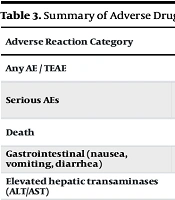
In neonates and infants, available pharmacovigilance data indicate no unexpected toxicity or developmental safety concerns, although dose adjustment remains essential in cases of renal impairment, given the primarily renal excretion of avibactam (44). Collectively, available short-term pediatric data support acceptable tolerability of CZA in studied populations, but continued post-marketing surveillance and longer-term follow-up are required to better characterize rare adverse events, developmental safety, microbiome effects, and resistance emergence (Table 3).
Table 3.
Summary of Adverse Drug Reactions (ADRs) Reported with Ceftazidime–Avibactam a
| Adverse Reaction Category | Reported Incidence in Pediatric/Neonatal Studies | Adult Comparator Incidence | Comments |
|---|---|---|---|
| Any AE / TEAE | 50% (neonates/infants, phase IIa) | 49.2% (adults, pooled data) | Reported in short-term pediatric/neonatal studies; most events were mild or moderate. |
| Serious AEs | 17.4% (neonates/infants) | 8.7% | Serious AEs were reported, but none were considered drug-related in the cited pediatric studies; limited sample size restricts detection of rare harms. |
| Death | 4.3% (neonates/infants) | 2.0% | Deaths were reported in severely ill populations but were not attributed to CZA; interpretation is confounded by underlying disease severity. |
| Gastrointestinal (nausea, vomiting, diarrhea) | 14.8% vomiting; occasional diarrhea/nausea | Common; ~ 10 - 15% | Mostly mild and self-limiting in available pediatric reports. |
| Elevated hepatic transaminases (ALT/AST) | Transient elevations | Mild increases common | Transient and reversible in reported pediatric studies; often occurred in patients receiving multiple concomitant medications. |
| Infusion-site phlebitis / rash / pruritus | 6.6% phlebitis | < 5% | Reported in pediatric trials; did not usually lead to treatment discontinuation. |
| Hypersensitivity / nephrotoxicity / hematologic toxicity | None reported | Rare (< 3%) | Not reported in available small pediatric cohorts, but rare events cannot be excluded without larger post-marketing datasets. |
a Abbreviations: TEAE, treatment-emergent adverse event; AE, adverse event.
3.5. Limitations and Knowledge Gaps in the Use of Ceftazidime–Avibactam in Pediatric Patients
Although CZA has shown promising efficacy and safety in treating MDR Gram-negative infections in children, the current body of evidence remains limited, leaving important gaps in optimal use and long-term evaluation within the pediatric population.
As an inherent limitation of its narrative design, this review is subject to methodological constraints that should be explicitly acknowledged. Although a structured search was conducted across PubMed/MEDLINE, Scopus, and Embase using predefined search terms and eligibility criteria, this was not designed or conducted as a systematic review. Therefore, formal duplicate independent screening, standardized risk-of-bias assessment, quantitative synthesis, meta-analysis, and formal publication bias assessment were not performed. In addition, grey literature, including conference abstracts and unpublished reports, was not systematically searched, which may have led to underrepresentation of unpublished, negative, or inconclusive findings.
Consequently, the clinical efficacy, microbiological eradication, survival, and safety outcomes summarized in this review should be interpreted as descriptive and hypothesis-generating rather than definitive estimates. The available evidence remains vulnerable to selection bias, reporting bias, publication bias, overlapping patient populations, and heterogeneity in infection type, pathogen susceptibility, dosing regimen, and clinical setting. Future systematic reviews and meta-analyses, once sufficient comparative pediatric data become available, will be needed to provide a more rigorous and reproducible assessment of the role of ceftazidime–avibactam in pediatric infectious disease practice. A major limitation is the absence of randomized controlled trials (RCTs) specifically designed for pediatric patients, together with heavy reliance on retrospective data, sparse neonatal PK/PD evidence, limited long-term safety data, and gaps in stewardship and resistance surveillance. Most available data come from phase I pharmacokinetic studies, small case series, or observational cohorts conducted in tertiary centers. Although these studies report favorable outcomes and acceptable tolerability, their noncomparative design limits firm conclusions about efficacy relative to standard-of-care agents such as carbapenems or newer β-lactam/β-lactamase inhibitor combinations. Consequently, pediatric clinical decisions are often extrapolated from adult data and guided by expert consensus rather than robust comparative evidence. Numerical estimates of cure, microbiological eradication, survival, and adverse events should therefore be interpreted in relation to the underlying study design, sample size, clinical setting, and risk of bias.
From a guideline perspective, the IDSA 2024 Antimicrobial Resistance Guidance recommends reserving novel β-lactam/β-lactamase inhibitor combinations, including CZA, preferentially for confirmed or strongly suspected carbapenem-resistant Enterobacterales (CRE) and difficult-to-treat resistant (DTR) Pseudomonas aeruginosa, as well as other similarly resistant MDR Gram-negative pathogens. Importantly, however, these guidelines do not provide pediatric-specific dosing recommendations, nor are they supported by pediatric randomized controlled trials (RCTs), reflecting a critical gap between adult-derived guidance and real-world pediatric clinical needs.
In this context, it is imperative to explicitly stratify the current pediatric evidence base by its methodological rigor. The most robust pediatric data supporting CZA use derive from pharmacokinetic studies and controlled trials in children aged ≥ 3 months treated for cUTI and cIAI, indications for which regulatory approval exists and exposure-response relationships are reasonably well characterized. In contrast, evidence supporting CZA use in bloodstream infections, meningitis, CNS infections, neonatal sepsis, and empiric therapy in critically ill children remains largely observational, confined to small case series, retrospective cohorts, and compassionate-use reports. While these data are encouraging and justify CZA use when therapeutic alternatives are exhausted, they cannot be considered equivalent in evidentiary weight to prospective controlled trial data. Clinicians should therefore calibrate their therapeutic confidence accordingly, applying greater scrutiny and individualized clinical judgment when extending CZA use beyond its approved and well-studied indications.
Several important caveats must be acknowledged regarding the interpretation of clinical evidence presented in this review. First, while IDSA 2024 guidance supports the use of CZA in confirmed or strongly suspected CRE and DTR Pseudomonas infections, it does not explicitly endorse CZA for specific off-label pediatric indications, such as empiric use in septic neonates or CRE-associated bloodstream infections, in the absence of microbiological confirmation and specialist consultation, ideally involving a pediatric infectious diseases physician. Any implication of formal guideline endorsement for such uses would constitute an overstatement of the available regulatory and expert consensus.
Second, efficacy figures cited throughout this review, including clinical cure rates and microbiological eradication percentages, are derived exclusively from observational studies, retrospective cohorts, and small case series, rather than from randomized controlled trials or large prospective pediatric datasets. These figures should therefore be interpreted with appropriate caution and cannot be considered methodologically equivalent to RCT-derived outcomes. The reporting of, for instance, an 80 - 92% microbiological eradication rate in a case series of 11 - 38 patients carries substantially greater uncertainty and risk of bias than a comparable estimate from a powered, controlled trial. Readers and clinicians must remain cognizant of this distinction when translating reported efficacy data into bedside decision-making.
Third, the pediatric infectious disease literature consistently reiterates the absence of high-quality evidence for CZA use in severe systemic infections and in neonates specifically. Until prospective, adequately powered studies are conducted in these subgroups, clinical decisions must continue to rely on individualized risk-benefit assessment, microbiological guidance, local resistance epidemiology, and multidisciplinary specialist input, rather than on extrapolation from adult trials or small uncontrolled pediatric reports.
Another critical knowledge gap concerns neonates and very young infants (< 3 months). This group has distinct physiologic characteristics, including immature renal clearance, variable volume of distribution, and rapidly evolving pharmacokinetics, which complicate dose optimization and safety assessment. Only a few reports describe CZA use in neonates with sepsis or ventilator-associated pneumonia, often as compassionate or salvage therapy. These isolated experiences suggest potential efficacy without major toxicity, but the optimal dosing regimen, infusion strategy, and exposure–response relationship remain poorly defined. Dedicated neonatal PK/PD studies are needed to establish safe and effective dosing strategies for this vulnerable population.
Pediatric dosing recommendations for CZA are age-, weight-, indication-, and renal function-dependent and should be interpreted according to the relevant local prescribing information. Dosing regimens validated in older infants and children should not be automatically extrapolated to neonates, particularly preterm neonates, because renal maturation, volume of distribution, and clearance change rapidly during early postnatal life. In this population, the risk of both underexposure and accumulation is higher, and dosing should be individualized with renal function surveillance and therapeutic drug monitoring where available.
Furthermore, long-term safety and real-world outcome data are lacking. The majority of available studies focus on short treatment courses and early clinical response, while information on delayed adverse events, emergence of resistance, or post-discharge outcomes is scarce. Since CZA is increasingly used in immunocompromised children, transplant recipients, and those requiring prolonged antimicrobial therapy, systematic follow-up is essential to evaluate potential cumulative toxicity, resistance development, and microbiome disruption.
Another unresolved question pertains to optimal dosing under altered physiological conditions, such as critical illness, augmented renal clearance, or renal replacement therapy. Case reports have demonstrated that standard weight-based dosing may result in subtherapeutic exposure in critically ill children, while excessive accumulation can occur in renal dysfunction. Although population PK models provide preliminary guidance, therapeutic drug monitoring (TDM) and individualized dosing algorithms are not yet validated for pediatric patients.
Finally, global antimicrobial stewardship data on pediatric CZA use are lacking. Widespread empiric use without microbiological confirmation may accelerate resistance emergence, as seen with other broad-spectrum β-lactams. Coordinated multicenter registries and surveillance programs are urgently needed to track utilization patterns, resistance trends, and clinical outcomes across pediatric institutions.
While CZA represents an important advancement in the management of MDR Gram-negative infections in children, its current evidence base is constrained by the scarcity of randomized trials, limited neonatal data, and insufficient long-term safety information. Future research priorities should include controlled comparative studies, neonatal PK/PD investigations, and real-world pharmacovigilance efforts to ensure safe, effective, and sustainable use of this agent in the pediatric population.
3.6. Antimicrobial Stewardship Considerations
A critical dimension of responsible CZA use in pediatric practice is alignment with contemporary antimicrobial stewardship principles, as articulated by IDSA and other leading infectious disease authorities. Current expert consensus emphasizes that novel β-lactam/β-lactamase inhibitor combinations, including CZA, should be reserved for infections caused by confirmed or highly suspected drug-resistant pathogens, particularly CRE and DTR Pseudomonas aeruginosa, where alternative therapeutic options are unavailable or have failed. Empiric broad-spectrum use of CZA, in the absence of microbiological confirmation or compelling local epidemiological justification, is discouraged and runs counter to stewardship imperatives.
Three core stewardship principles should govern CZA use in pediatric settings. First, reserve: CZA and other novel agents must be preserved for confirmed or highly probable drug-resistant infections, avoiding routine or prophylactic use that accelerates resistance emergence. Second, restrict empiric use: empiric CZA therapy should only be considered when supported by institutional resistance surveillance data, local epidemiological patterns, and specialist input, ideally from a pediatric infectious diseases physician, and must not substitute for timely microbiological workup. Third, de-escalate: once culture and susceptibility results are available, therapy should be promptly narrowed to the most targeted, least broad-spectrum agent capable of achieving clinical cure, thereby preserving CZA for future patients in whom it may represent the only remaining option.
Adherence to these stewardship principles is not merely a regulatory formality but a clinical and ethical imperative. The accelerating global emergence of CZA-resistant strains, particularly those harboring KPC mutations or co-producing metallo-β-lactamases, serves as a reminder that the therapeutic lifespan of this agent is finite and contingent on judicious use. Pediatric institutions are therefore urged to embed CZA within formal antimicrobial stewardship programs, supported by multidisciplinary oversight, prospective audit-and-feedback mechanisms, and integration with molecular diagnostic capabilities to promote its long-term preservation as an effective therapeutic option.
4. Conclusions
CZA represents an important addition to the pediatric antimicrobial armamentarium for selected MDR Gram-negative infections, particularly those caused by susceptible CRE or difficult-to-treat resistant Pseudomonas aeruginosa when alternative treatment options are limited. Available pediatric pharmacokinetic studies, clinical case series, and observational cohorts provide encouraging evidence that weight-based dosing can achieve therapeutic exposures in the studied populations; however, clinical efficacy estimates remain largely derived from noncomparative and heterogeneous datasets.
Despite these encouraging data, important uncertainties remain. Evidence in neonates, critically ill children, those with CNS or bloodstream infections, and children receiving CRRT or ECMO remains limited. In these settings, pathogen-directed therapy based on microbiological confirmation and susceptibility testing remains essential, and dose individualization should be guided by renal function, clinical status, local prescribing information, and specialist pharmacokinetic or infectious diseases input, where available. Resistance mechanisms described in adult studies, molecular surveillance reports, or in vitro investigations should not be presented as established pediatric clinical evidence. Ongoing pediatric surveillance is needed to define the frequency, timing, and clinical impact of CZA resistance emergence during therapy (22, 45). The emergence of CZA-resistant strains, especially those producing metallo-β-lactamases (NDM, VIM, IMP), underscores the need for ongoing molecular surveillance and rational use within antimicrobial stewardship frameworks. Evidence from Iranian and regional antimicrobial-resistance research further supports the need for local surveillance before extrapolating global CZA susceptibility data to clinical practice. Available reports have emphasized that carbapenem resistance among Gram-negative pathogens in the region is frequently mediated by mechanisms that may compromise CZA activity, including metallo-β-lactamases such as NDM, VIM, and IMP, as well as non-enzymatic mechanisms such as porin alteration and efflux pump overexpression in Pseudomonas aeruginosa. In vitro data evaluating newer β-lactam/β-lactamase inhibitor combinations against carbapenem-resistant P. aeruginosa also suggest that susceptibility patterns may vary by local resistance mechanism. Therefore, Iranian and regional findings reinforce that CZA use in pediatric practice should be guided by local antibiograms, molecular resistance testing where available, and antimicrobial stewardship oversight, rather than assuming uniform activity across MDR Gram-negative isolates. Moreover, reliance on observational data and extrapolation from adult studies highlight the urgent need for randomized controlled trials and real-world outcome registries to define the precise role of CZA in pediatric practice.
Looking ahead, the integration of CZA into pediatric infectious disease management should be guided by local resistance patterns, microbiological diagnostics, susceptibility results, and individualized pharmacokinetic considerations. Combination strategies, such as co-administration with aztreonam against MBL-producing organisms, require systematic pediatric evaluation. Future studies should specifically address age-stratified dosing, renal adjustment strategies, CNS PK/PD, CRRT and ECMO settings, resistance emergence during therapy, extended or optimized infusion regimens, therapeutic drug monitoring, and long-term safety (46).
CZA represents a valuable addition to the pediatric antimicrobial armamentarium against selected MDR Gram-negative infections, particularly those caused by susceptible CRE or difficult-to-treat resistant Pseudomonas aeruginosa when alternative treatment options are limited. However, its use should not be interpreted as broadly applicable to all severe MDR Gram-negative infections in children. Rather, treatment decisions should be individualized and supported by microbiological confirmation, susceptibility testing, local resistance epidemiology, antimicrobial stewardship oversight, and consultation with pediatric infectious disease specialists whenever feasible.
Despite encouraging pharmacokinetic, clinical, and safety data, important uncertainties remain. Evidence in neonates, critically ill children, those with bloodstream or CNS infections, and those in ECMO and CRRT settings remains limited and is largely derived from observational studies, small case series, compassionate-use reports, and extrapolation from adult data. Therefore, CZA should be used cautiously in these populations, with careful renal function monitoring, consideration of therapeutic drug monitoring where available, and prompt de-escalation when narrower active agents are identified.
In conclusion, CZA may serve as an important targeted option for selected pediatric MDR Gram-negative infections, provided that its use is guided by susceptibility data and embedded within antimicrobial stewardship frameworks. Future pediatric studies, including prospective comparative trials, neonatal pharmacokinetic/pharmacodynamic investigations, and real-world registries, are needed to clarify its optimal dosing, safety, and clinical role.