
1. Background
Haemophilus influenzae type B (Hib) is an invasive organism that causes meningitis and pneumonia in children under five years of age. Before the worldwide expansion of HIB vaccination in 2000, the World Health Organization (WHO) recognized Hib responsible for more than 8 million serious infections (such as meningitis and severe pneumonia) with 38000-70000 worldwide yearly deaths in 1 - 59-month-old children (1-4).
The WHO introduced Haemophilus influenzae vaccine in the routine vaccination program for children all over the world (5). By the end of 2015, this vaccine was introduced in 191 countries. The global coverage of three doses of Hib vaccine is approximated to 64%. Nevertheless, a great variation exists between different regions (6). Before the implementation of Hib vaccination in IR Iran, studies showed a low antibody level against it. Ansari showed 3% positivity to PRP in 194 children under six years in Khoramabad (7); Jahromi and Rahmanian (8) determined the anti-HibIgG antibody (anti-PRP) level in 386 children aged 5 years or younger in the south of Iran. The proportion of natural immunity was 64.9% among 12-month-old children and 95.2% in 49 - 60-month-old children (P < 0.001) (8). This high rate of exposure indicted the emergent need for introducing the Hib vaccine to Iranian vaccination program. In IR Iran, Hib vaccination has started since 2014 in combination with diphtheria, pertussis, tetanus, and hepatitis B, as a pentavalent vaccine. This vaccine is prescribed in three doses at 2, 4, and 6 months of age in Iranian children. A vaccine efficacy surveillance is needed to assess the protection rate of Iranian vaccinated children (9).
2. Objectives
This study aimed to determine the vaccine antibody response in Iranian one-year-old children after three-dose vaccination at 2, 4, and 6 months of age.
3. Methods
The target population of this study was healthy children attending health care centers in Karaj for the routine vaccination. Karaj is the capital of Alborz Province, Iran. The population of the city is 1.96 million based on the 2011 census. Karaj, after Tehran, Mashhad, and Isfahan is the fourth largest city in Iran. We estimated the immunogenicity prevalence rate as 80% and the clinically worthwhile effect size to detect (d) as 4%; with the calculation of the design effect, the sample size was determined. The sampling method was a cluster sampling. First, the 12 restricts in Karaj were listed to select six restricts; then, three centers were selected from each restrict randomly. Using the random sampling method, 28 cases were sampled from each center.
3.1. Vaccine
The vaccine used since 2014 in Iran is Pentavac that utilizes S11 Q-VACS II Q-VAC supplied by the Serum Institute of India Ltd. It is a pentavalent vaccine consisted of diphtheria toxoid, tetanus toxoid, killed Bordetella pertussis bacilli, and hepatitis B surface antigen adsorbed on an aluminum gel and suspended in isotonic sodium chloride solution. HBsAg was generated in the Hansenula polymorpha cells and purified through several chemical steps using recombinant DNA procedures. The preservative added is thiomersal. The vaccine meets the requirements of I.P. when tested by the methods outlined in I.P. Polysaccharide capsule of H. influenzae type B strain was used for vaccine Hib polysaccharide that was coupled to tetanus toxoid after activation. Each dose of the vaccine (0.5 mL) contains diphtheria toxoid 20 Lf to 30 Lf tetanus toxoid 5 to 25 Lf B pertussis (whole cell), 4 IU HBsAg (rDNA), 10 mcg purified capsular polysaccharide (PRP), 10 mcg tetanus toxoid (carrier protein) 19 to 33 mcg +++ Adsorbed on aluminum phosphate, Al 1.25 mg preservative: Thiomersal 0.005% (Serum Institute of INDIA vaccination brochure).
3.2. Antibody Measurement
Antibody measurement was established by IBL International GmbH, Germany Kit, measuring the serum IgG antibody against capsular polyribosylribitol phosphate (PRP) polysaccharide antigen by enzyme-linked immunosorbent assay (ELISA), 0.04 IU/Ml sensitivity. The calibrators were correlated to Int Standard NIBSC96/536 (formerly WHO 1983). The results were expressed as micrograms of AntiPRP antibody per milliliter of the serum. Protective antibody concentrations (short-term and long-term protective thresholds) were > 0.15 µg/mL and > 1.0 µg/mL, respectively. Anti-PRP antibody concentrations in serum were determined by using a standard protocol (10, 11).
3.3. Study Design
Each case had one blood sampling. Inclusion criteria were healthy one-year-old children with a history of complete vaccination. Exclusion criteria were a history of blood transfusion and IVIG reception three months ago and a history of congenital and acquired immunodeficiency. Each patient had a checklist for demographic data and IgG antibody report. Vaccine efficacy was measured by 95% CI. The logistic regression was used for demographic data and vaccine efficacy and quantitative variables were shown by mean and standard deviation.
3.4. Ethics
This study had an ethical approval from the university research council and the ethics in research committee. The permission was obtained from health officials to enter the health centers in Karaj (Ethical code= Abzums.rec.1394.70). After a description of the study objectives to parents, everybody who wanted to enter the study signed an informed consent form and sampling was performed for the children.
4. Results
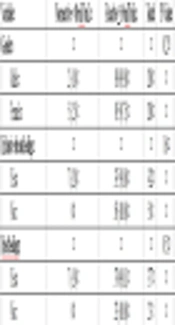
500 one-year-old children attending the health centers for MMR vaccination entered the study. 51% were female and 49% were male. 98.6% of the children cared at home and 1.4% at child care centers. 23.8% of the cases had parents with a history of cigarette smoking. 27.7% of the cases had a history of more than one episode of respiratory infections in a month (frequent URI). 84.4% of the cases were completely breastfed. From among 500 cases, 41.2% (CI: 36.89 - 45.51) had anti-Hib antibody between 0.5 and 1 microgram per milliliter (short-lived immunity) and 57.4% (CI: 53.07 - 61.73) had antibody equal to or more than one microliter per milliliter (efficient or long-lived immunity). Six cases had an antibody level of less than 0.15 microgram per milliliter. GMT titer against H flu type B was 6.92 (CI: 6.76 - 7.08). This measurement shows the mean log of each antibody measurement and indicates more accurate measures compared to simple mean in antibody measurement. There was no significant relationship between the response to vaccine and demographic parameters such as weight and height at the time of sampling, birth weight, type of milk used in the first year of life, cigarette smoking of parents, having siblings more than one-years-old, parents education, history of recurrent respiratory infections, and daycare attendance (Table 1).
Table 1.
Short and Long-Lived Immunity Estimation in 500 One-Year-Old Children Admitted to Karaj Health Centers (IR Iran) in 2016
| Variables | Short-Lived Immunity (≥ 0.15 < 1) | Long-Lived Immunity ≥ 1 | Total | P-Value |
|---|---|---|---|---|
| Weight (g) | 9577 (1112) | 9645 (1103) | - | 0.5 |
| Height (cm) | 75.93 (3.83) | 76.15 (3.27) | - | 0.49 |
| Sex | ||||
| Male | 108 (44.3) | 136 (55.7) | 244 | 0.38 |
| Female | 101 (40.4) | 149 (59.6) | 250 | |
| Sibling numbers | ||||
| < 2 | 173 (40.6) | 253 (59.4) | 426 | 0.05 |
| ≥ 2 | 36 (51.9) | 32 (47.1) | 68 | |
| Academic | 40 (35.4) | 73 (64.6) | 113 | |
| Place of child care | ||||
| House | 206 (42.3) | 281 (57.7) | 487 | 0.97 |
| Kindergarten | 3 (42.9) | 4 (57.1) | 7 | |
| Parent smoking | ||||
| Yes | 48(40.3) | 71(59.7) | 119 | 0.61 |
| No | 161 (42.9) | 214 (57.1) | 375 | |
| Exclusive breastfeeding | ||||
| Yes | 180 (43.3) | 236 (56.7) | 416 | 0.31 |
| No | 29 (37.2) | 49 (62.8) | 78 | |
| No | 11 (28.9) | 27 (71.1) | 38 | |
| No | 149 (41.5) | 210 (58.5) | 359 | |
| Birth weight (g) | ||||
| ≤ 2500 | 20 (54.1) | 17 (45.9) | 37 | 0.27 |
| > 2500 < 4000 | 184 (41.2) | 263 (58.8) | 447 | |
| ≥ 4000 | 5 (50.0) | 5 (50.0) | 10 |
5. Discussion
The Haemophilus influenzae vaccine is being used in many countries all over the world. Its efficacy and effectiveness were investigated by the measurement of anti-HIB geometric mean of titer, HIB throat colonization population, and the rate of invasive Hib infection in children. Although vaccination in industrialized countries reduced the prevalence of invasive diseases, the vaccination cost and unclear data about disease burden in Asia are responsible for the delayed adoption of the vaccine in these countries (12, 13). The WHO estimates 92% HIB vaccination coverage in developed countries eligible population in comparison with 42% in developing countries (14). Todays, HIB vaccination is increasingly used in underdeveloped countries. For example, Mali as an underdeveloped and landlocked country in West Africa started HIB vaccination in 2005 in a stepwise manner. The antibody was higher among vaccinated children than in an unvaccinated group and its protective capability persisted through 2 years of age (15). One important marker for the detection of vaccine efficacy is a serologic study on Hib antibody in different time limits after vaccination. In a study in Saudi Arabia (1992) on 17 to 19-month-old children after Hib (PRP-D) vaccination, the antibody was measured prior and one to two months after vaccination. Prior to vaccination, in 77% of the cases, antibody value was measured below the level of short-term protection (≥ 0.15 μg/mL) and 88% were below the level of long-term protection (≥ 1 μg/mL). After reception of one dose of PRP-D, 100% of the cases developed short-term protection (≥ 0.15 μg/mL) and 85% had long-term protection (≥ 1 μg/mL) (16). In a study in 117 Brazilian infants (2002), the anti-Hib antibody was determined at 3, 6, and 15 months after PRP-T vaccination, which was injected at three and five months of age. GMT at 15 months was 4.45 µg/mL (17). In a study in Turkey in our neighborhood in 2007, the anti-PRP antibody raised significantly in vaccinated children (100%) and 68% of the non-vaccinated children had an antibody level of > 0.15 μg/mL against Hflu. Oropharyngeal colonization was significantly higher in the non-vaccinated group (18). In areas where the Hib disease burden is not well characterized because of lower laboratory detection and identification of organisms, understanding of the epidemiology of Hib disease is necessary to estimate the value of Hib conjugate vaccine (19). In our study, 41.2% of the children (95% CI: 36.89% - 45.51%) had anti-Hib IgG titer as 0.15 to 1 µg/mL (short-term protection) and 57.4% (95% CI: 53.07% - 61.73%) of the children had anti-Hib IgG titer equal to or greater than 1 µg/mL (long-term protection). The low rate of long-term immunity in this study indicates the possibility of declined antibody level over the time, so a booster dose may be needed. Unfortunately, there are a few studies about Iranian children antibody response after Hib vaccination. On the other hand, since the conjugate vaccines can promote T-dependent immunity, in organism encountering, a secondary response may occur due to immune memory. This occurred in Finish infant whose PRP-D vaccine demonstrated 94% efficacy, despite 34% anti-PRP antibody levels above 1 μg/mL (20, 21). Therefore, investigation of invasive Hib disease burden and rate of its throat colonization may show the possibility of herd immunity to protect children with less than optimal antibody level as a better index for vaccine efficacy. The Iranian Hib vaccination program includes three primary 3p+0. This type of vaccination has no booster at 15 - 18 months. Any combination of 2p+1, 3p+0, or 3p+1 schedule of Hib conjugate vaccine has no inferiority to another type. The selection of each program is based on the epidemiology of the infectious organism and is individualized (22). GMT titer against H flu type B in this study was 6.92 (CI: 6.76 - 7.08), six cases had a level of less than 0.15 µg/mL, and approximately 50% of the children had a level of less than 1 µg/mL. This study shows the need for antibody assessment in two-year-old Iranian children. Antibody response below the expected level warns to do a further detailed study of antibody level in our children.
5.1. Conclusions
Based on the results, we are not sure of vaccine failure because GMT result was not at a very low level. The introduction of the HIB vaccine has positive effects on the immunity of children under 2 years old. Future study on antibody at higher ages and determination of throat colonization and invasive HIB infection pattern are necessary to estimate the conclusive effect of this vaccine on the Iranian population.