
1. Context
RAS proteins are small guanosine triphosphatases that function as critical molecular switches regulating cellular proliferation, differentiation, metabolism, and survival. Among the three major RAS isoforms (HRAS, NRAS, and KRAS), KRAS is the most frequently mutated in human cancers and accounts for approximately 85% of all RAS-driven malignancies (1, 2). Activating KRAS mutations are particularly prevalent in pancreatic ductal adenocarcinoma, colorectal cancer, and non-small cell lung cancer (NSCLC), where they substantially contribute to tumor initiation, progression, and therapeutic resistance (3, 4). Recent evidence has further highlighted the clinical significance of KRAS alterations in colorectal cancer and their association with tumor progression, angiogenesis-related pathways, and molecular heterogeneity (5).
For decades, KRAS was considered an "undruggable" target because of several biochemical and structural challenges. KRAS exhibits exceptionally high affinity for guanosine diphosphate (GDP) and guanosine triphosphate (GTP), while high intracellular nucleotide concentrations further limit the feasibility of competitive inhibition (6). Moreover, the protein surface was initially considered relatively smooth and devoid of deep hydrophobic pockets suitable for small-molecule binding (7). Consequently, despite extensive research efforts, direct pharmacological inhibition of KRAS remained unsuccessful for many years.
Among the diverse KRAS mutations, KRAS-G12C has emerged as one of the most therapeutically tractable variants. This mutation results from a glycine-to-cysteine substitution at codon 12, occurs frequently in smokers with NSCLC, and is also observed in colorectal and pancreatic cancers (8, 9). The presence of a mutant cysteine residue provided a unique opportunity for covalent drug design, enabling selective targeting of the mutant protein while preserving wild-type KRAS function (10).
Unlike other common KRAS mutations, such as G12D, G12V, and G13D, KRAS-G12C has distinct biological and pharmacological characteristics that make it particularly amenable to targeted therapeutic development. The substitution of glycine with cysteine at codon 12 introduces a reactive thiol group that can be selectively targeted by covalent small-molecule inhibitors. Furthermore, KRAS-G12C retains intrinsic GTP hydrolysis activity and continues to cycle between the active GTP-bound and inactive GDP-bound conformations. This dynamic nucleotide cycling enables covalent inhibitors to selectively bind to the inactive GDP-bound state through the switch II pocket (S-IIP), thereby stabilizing KRAS-G12C in an inactive conformation. In contrast, mutations such as KRAS-G12D and KRAS-G12V exist predominantly in the active GTP-bound state and lack a reactive cysteine residue, making direct pharmacological targeting considerably more challenging. These unique structural and biochemical properties distinguish KRAS-G12C from other KRAS variants and explain why it became the first clinically druggable KRAS mutation (8, 10).
A major breakthrough came with the discovery of a transient allosteric binding pocket beneath the switch II region of KRAS, commonly referred to as the S-IIP (11). Structural and biochemical studies demonstrated that small molecules could irreversibly bind to the mutant cysteine residue within this pocket and lock KRAS-G12C in its inactive GDP-bound conformation (12). This discovery transformed the therapeutic landscape and initiated the rapid development of selective KRAS-G12C inhibitors.
The first clinically successful agents, sotorasib (AMG 510) and adagrasib (MRTX849), demonstrated promising antitumor activity and subsequently received regulatory approvals for KRAS-G12C–mutant NSCLC (13, 14). These inhibitors established proof of concept for direct KRAS targeting and represented a landmark achievement in precision oncology. Nevertheless, despite encouraging initial responses, many patients eventually develop resistance through diverse mechanisms, including secondary KRAS mutations, activation of bypass signaling pathways, receptor tyrosine kinase (RTK) feedback activation, and phenotypic adaptations (15, 16).
In response to these limitations, substantial research efforts focus on developing next-generation KRAS inhibitors, pan-KRAS and pan-RAS strategies, and rational combination therapies involving Src homology 2 domain-containing phosphatase 2 (SHP2) inhibitors, Son of Sevenless homolog 1 (SOS1) inhibitors, epidermal growth factor receptor (EGFR) blockade, MEK inhibitors, immunotherapy, and chemotherapy (17-19). Understanding the molecular basis of KRAS-G12C signaling, inhibitor-binding mechanisms, and resistance evolution is therefore essential for optimizing therapeutic efficacy and improving long-term clinical outcomes. In this review, we comprehensively discuss the structural biology and oncogenic role of KRAS-G12C, the mechanisms of action of allosteric inhibitors, the evolving therapeutic and patent landscape, mechanisms underlying intrinsic and acquired resistance, and emerging combination strategies that may shape the future of KRAS-targeted therapy.
2. Evidence Acquisition
This study was conducted as a narrative literature review to provide a comprehensive overview of the structure, mechanisms of action, therapeutic development, resistance mechanisms, challenges, and future perspectives of allosteric KRAS-G12C inhibitors. Searches were conducted using Google Scholar and the National Center for Biotechnology Information, including PubMed where applicable. The final search was performed on September 30, 2026. The search strategy included terms such as “KRAS G12C,” “KRAS G12C inhibitors,” “allosteric KRAS inhibitors,” “switch-II pocket,” “S-IIP,” “sotorasib,” “adagrasib,” “divarasib,” “KRAS G12C resistance,” “resistance mutations,” and “KRAS-targeted therapy.” Relevant combinations of these terms were used to identify publications addressing the biological, structural, preclinical, and clinical aspects of KRAS-G12C inhibition. Reference lists of relevant articles were also screened to identify additional publications.
Records were initially screened by title and abstract, followed by full-text assessment of potentially relevant publications. Original experimental studies, clinical trials, mechanistic studies, and relevant review articles were considered if they directly addressed the objectives and scope of this review. Publications unrelated to KRAS-G12C biology or its therapeutic targeting were excluded. Final inclusion was determined qualitatively based on topical relevance, scientific contribution, and usefulness for the review’s thematic synthesis.
As this was a narrative review, no formal systematic review protocol was followed, and no quantitative meta-analysis was performed. The included literature was organized into themes covering KRAS-G12C structure and biology, allosteric inhibition, clinical and preclinical development, resistance mechanisms, combination strategies, and future therapeutic perspectives.
3. Results
3.1. Structural Biology and Background of KRAS-G12C
KRAS mutations are among the most common oncogenic drivers in human cancers. Historically, KRAS was considered an "undruggable" target because of the absence of suitable binding pockets and its high affinity for GTP and GDP. KRAS belongs to the RAS family of small GTPases, which function as molecular switches that cycle between an inactive GDP-bound state and an active GTP-bound state. This dynamic cycling regulates downstream signaling pathways involved in cellular proliferation, differentiation, and survival. KRAS activation is mediated by guanine nucleotide exchange factors, such as SOS1, which promote GDP release and subsequent GTP binding. Conversely, GTPase-activating proteins stimulate the intrinsic GTPase activity of KRAS, facilitating the conversion of GTP to GDP and terminating downstream signaling (20, 21).
Structurally, KRAS contains two highly conserved regulatory regions, known as switch I (residues 30 - 38) and switch II (residues 59 - 67), which undergo conformational rearrangements depending on the nucleotide-binding state. These switch regions are essential for interactions with downstream effector proteins, including RAF kinases, phosphoinositide 3-kinase (PI3K), and Ral guanine nucleotide dissociation stimulator. When KRAS is bound to GTP, the switch regions adopt an active conformation that enables the recruitment of effector proteins and activation of major signaling cascades, including the RAF–MEK–ERK and PI3K–AKT–mTOR pathways (22, 23).
Oncogenic mutations in KRAS disrupt normal GTP hydrolysis, resulting in persistent activation of these signaling pathways. Among the various oncogenic KRAS variants, the G12C substitution—resulting from a glycine-to-cysteine change at codon 12—is particularly significant. This mutation impairs the interaction between KRAS and GAP proteins, thereby reducing GTP hydrolysis and promoting the accumulation of the active GTP-bound state (24). Consequently, KRAS-G12C continuously transmits proliferative and survival signals, contributing to tumor initiation, progression, and malignant transformation.
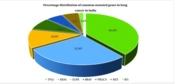
KRAS-G12C mutations are most frequently detected in lung adenocarcinoma, where they occur in approximately 13 - 14% of cases, particularly among individuals with a history of tobacco exposure. Although less prevalent, KRAS-G12C alterations are also observed in colorectal cancer and pancreatic ductal adenocarcinoma (25, 26). The clinical importance of KRAS-G12C mutations has stimulated extensive research to develop targeted therapeutic approaches.
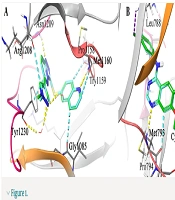
A defining structural feature that enabled the pharmacological targeting of KRAS-G12C is a transient allosteric pocket located beneath the switch II region, known as the S-IIP. This pocket is inaccessible in the fully active conformation of KRAS but becomes available in the inactive GDP-bound state. The cysteine residue introduced by the G12C mutation is positioned adjacent to this pocket, providing a unique nucleophilic site for covalent drug binding (27). Covalent inhibitors designed to exploit the S-IIP form irreversible bonds with the thiol group of Cys12, thereby stabilizing KRAS-G12C in its inactive GDP-bound conformation. By preventing the conformational changes required for effector recruitment, these inhibitors suppress downstream signaling pathways responsible for tumor growth and survival (28). Importantly, because wild-type KRAS lacks the additional cysteine residue at position 12, these inhibitors demonstrate mutation selectivity.
Despite this structural vulnerability, KRAS-G12C retains the ability to cycle dynamically between GDP- and GTP-bound states. Therefore, the proportion of KRAS-G12C available for inhibitor binding can vary depending on upstream signaling inputs. This dynamic behavior has important therapeutic implications because increased RTK signaling can enhance nucleotide exchange and shift KRAS toward the active GTP-bound state, thereby reducing the effectiveness of inhibitors that preferentially target the inactive GDP-bound conformation (29).
Overall, the structural and biochemical characteristics of KRAS-G12C provide the foundation for its successful pharmacological targeting. However, the same signaling plasticity that enables tumor cells to adapt to changing environmental conditions also contributes to therapeutic resistance. These challenges highlight the need to develop combination strategies and next-generation inhibitors capable of overcoming adaptive resistance mechanisms.
3.2. Mechanism of KRAS-G12C Inhibitors
The development of KRAS-G12C inhibitors represents a major advance in targeted cancer therapy. Unlike conventional kinase inhibitors, which typically compete with ATP at catalytic binding sites, KRAS-G12C inhibitors act through a mutation-specific allosteric mechanism. By forming covalent bonds with Cys12 within the S-IIP, these agents stabilize KRAS-G12C in its inactive GDP-bound state and prevent activation of downstream oncogenic signaling pathways. Early compounds, such as ARS-853, provided initial proof of concept that selective covalent targeting of KRAS-G12C could effectively suppress tumor growth. Subsequent optimization efforts led to the development of ARS-1620, which demonstrated improved potency and enhanced antitumor activity in preclinical models (30).
These advances ultimately facilitated the development of clinically effective inhibitors, including sotorasib (AMG 510) and adagrasib (MRTX849). Both sotorasib and adagrasib have demonstrated significant antitumor activity in KRAS-G12C–mutant malignancies by inhibiting mitogen-activated protein kinase (MAPK) signaling and reducing tumor cell proliferation (6, 7). Sotorasib became the first approved KRAS-G12C inhibitor after demonstrating durable clinical responses in previously treated patients with KRAS-G12C–mutant NSCLC (31). Similarly, adagrasib exhibited favorable pharmacokinetic characteristics, prolonged target engagement, and clinically meaningful efficacy, supporting its regulatory approval in selected clinical settings (32).
Despite these therapeutic advances, several biological factors continue to limit treatment efficacy. Because KRAS-G12C inhibitors preferentially target the inactive GDP-bound form of KRAS, enhanced upstream signaling through RTKs may reduce inhibitor binding and promote adaptive resistance mechanisms (33). Furthermore, feedback-mediated reactivation of signaling pathways following KRAS inhibition can partially restore MAPK pathway activity and compromise therapeutic responses (34).
To overcome these challenges, current research focuses on developing next-generation KRAS inhibitors and rational combination strategies. Combination approaches involving SHP2, SOS1, EGFR, and MEK inhibitors have shown potential to enhance pathway suppression and delay the emergence of resistance (35). Collectively, KRAS-G12C inhibitors have transformed a previously undruggable oncogenic target into a clinically actionable therapeutic opportunity and established a new paradigm for precision oncology.
3.3. Patent and Therapeutic Landscape of KRAS-G12C Inhibitors
Following the discovery of the switch II pocket and the demonstration that KRAS-G12C could be selectively targeted through covalent inhibition, extensive research efforts were directed toward developing therapeutically viable inhibitors. Over the past decade, numerous pharmaceutical companies and academic institutions have contributed to the rapid expansion of the KRAS-G12C inhibitor landscape. These efforts have led to multiple compounds entering clinical development and have created a complex patent environment surrounding mutation-specific KRAS-targeting strategies (36).
These inhibitors stabilize the inactive GDP-bound conformation of KRAS-G12C and prevent interactions with downstream effector proteins. Early preclinical compounds, such as ARS-853 and ARS-1620, provided essential proof of concept for this therapeutic strategy and established the foundation for developing clinically advanced inhibitors (37). Subsequent optimization of these early chemical scaffolds led to clinically successful agents, including sotorasib (AMG 510) and adagrasib (MRTX849). Both compounds demonstrated potent and selective inhibition of KRAS-G12C and promising antitumor activity in clinical trials involving patients with KRAS-G12C–mutant cancers. Their clinical success represented a landmark achievement in oncology drug development and validated KRAS as a therapeutically druggable target (38, 39).
Beyond these first-generation inhibitors, several next-generation compounds have been developed to improve potency, selectivity, and pharmacokinetic properties and to overcome resistance mechanisms. Among these, divarasib (GDC-6036) has shown particularly promising results in early clinical studies, with enhanced potency and favorable pharmacodynamic characteristics (38).
In addition to mutation-specific inhibitors, broader therapeutic strategies have been explored to target multiple KRAS variants or the entire RAS protein family. Pan-KRAS and pan-RAS inhibitors are designed to overcome the limitations of mutation-specific approaches and address tumor heterogeneity, which may involve multiple RAS isoforms or secondary resistance mutations that emerge during treatment (40).
Another important therapeutic strategy involves targeting upstream regulators of KRAS activation. Proteins such as SOS1 and SHP2 play essential roles in promoting nucleotide exchange and regulating RAS pathway activation. Inhibitors of these proteins can decrease KRAS activation and enhance the efficacy of KRAS-G12C inhibitors, particularly when used in combination therapies (6).
The rapidly evolving patent landscape reflects intense competition to develop effective KRAS-targeted therapies. Numerous patents have been filed for novel chemical scaffolds, covalent binding strategies, and combination treatment approaches. These intellectual property developments highlight the substantial therapeutic potential of KRAS inhibition and ongoing efforts to optimize this emerging class of anticancer agents.
Table 1 summarizes the current landscape of KRAS-G12C-targeted inhibitors, highlighting differences in clinical development, binding mechanisms, and therapeutic characteristics. First-generation inhibitors, including sotorasib and adagrasib, have demonstrated clinically meaningful efficacy, whereas several next-generation agents remain under clinical evaluation. Resistance-associated alterations involving residues R68, H95, and Y96 have been described, but the strength and type of evidence vary among mutations. The table therefore distinguishes mutations reported in clinical resistance analyses from alterations demonstrated in experimental models. In particular, Y96D has been shown to confer resistance in experimental systems; its clinical significance should not be inferred from these experiments alone. For inhibitors for which resistance mutations have not been reported or sufficient clinical evidence is unavailable, the entry “Not reported/insufficient clinical evidence” is used. These distinctions underscore the importance of interpreting resistance mutations according to the specific evidence source and of further evaluating their clinical relevance.
Table 1.
Summary of Currently Developed KRAS-G12C Inhibitors, Including Their Developers, Clinical Development Stage, Regulatory Approval Status, Binding Characteristics, Mutation Specificity, Major Therapeutic Advantages, and Reported Resistance Mutations a
| Inhibitor | Developer | Clinical Phase | Approval Status | Binding Mode | Mutation Specificity | Major Advantages | Reported Resistance Mutations |
|---|---|---|---|---|---|---|---|
| Sotorasib | Amgen | Approved | US Food and Drug Administration (FDA) approved | Covalent S-IIP | KRAS-G12C | First approved inhibitor | R68S and Y96C: reported in clinical resistance analyses; Y96D: demonstrated in experimental models (32, 41). |
| Adagrasib | Mirati/BMS | Approved | FDA approved | Covalent S-IIP | KRAS-G12C | Long half-life; central nervous system activity | R68S, H95D, H95Q, H95R, and Y96C: reported in clinical resistance analyses; Y96D: demonstrated in experimental models (32, 41). |
| Divarasib | Genentech | Phase III | Investigational | Covalent S-IIP | KRAS-G12C | High potency | Not reported/insufficient clinical evidence (38, 40) |
| Olomorasib | Eli Lilly | Phase I/II | Investigational | Covalent S-IIP | KRAS-G12C | Favorable pharmacokinetic (PK) profile | Not reported/insufficient clinical evidence (4, 40) |
| JDQ443 | Novartis | Phase I/II | Investigational | Covalent S-IIP | KRAS-G12C | Oral availability | Not reported/insufficient clinical evidence (4, 21) |
| D-1553 | InventisBio | Phase II | Investigational | Covalent S-IIP | KRAS-G12C | Promising efficacy | Not reported/insufficient clinical evidence (4) |
| Glecirasib | Jacobio | Phase II | Investigational | Covalent S-IIP | KRAS-G12C | Durable responses | Not reported/insufficient clinical evidence (4) |
| LY3537982 | Eli Lilly | Phase I | Investigational | Covalent S-IIP | KRAS-G12C | High selectivity | Not reported/insufficient clinical evidence (4) |
| RMC-6291 | Revolution Medicines | Phase I | Investigational | Covalent ON-state | KRAS-G12C | Active-state targeting | Not reported/insufficient clinical evidence (4, 18) |
a Abbreviations: S-IIP, switch II pocket; BMS, Bristol-Myers Squibb.
Table 2 summarizes major clinical trials evaluating KRAS-G12C inhibitors, with an emphasis on clinical efficacy and reported intracranial outcomes. Quantitative central nervous system (CNS) outcomes are provided where available, and exploratory analyses are distinguished from primary trial results. For CodeBreaK 200, the reported CNS progression-free survival and tumor-shrinkage findings are from an exploratory analysis and should not be interpreted as primary trial endpoints. In the KRYSTAL-1 phase II cohort, adagrasib demonstrated an intracranial objective response rate of 33.3% (11/33 evaluable patients), a median intracranial duration of response of 11.2 months, and a median intracranial progression-free survival (PFS) of 5.4 months. A separate KRYSTAL-1 phase Ib cohort involving patients with active, untreated CNS metastases reported an intracranial Objective Response Rate (ORR) of 42% (8/19 evaluable patients), an intracranial disease control rate of 90%, and a median intracranial PFS of 5.4 months. These subgroup findings are reported separately and are not attributed to KRYSTAL-12. Where outcomes have not been reported for a specific trial entry, this limitation is stated explicitly. The table distinguishes ORR, DCR, DOR, and PFS and draws on published clinical trial reports and relevant exploratory analyses (6, 7, 17, 38, 40, 42-45).
Table 2.
Summary of Major Clinical Trials Evaluating KRAS-G12C Inhibitors in Patients with Advanced Solid Tumors, Including Trial Phase, Patient Population, Efficacy Outcomes, and Safety Profiles a
| Drug | Trial Identifier | Patients (n) | Objective Response Rate | Progression-Free Survival | Overall Survival | Duration of Response | Intracranial Activity | Approval Indication |
|---|---|---|---|---|---|---|---|---|
| Sotorasib | CodeBreaK 100 | 174 | 37% | 6.8 mo | 12.5 mo | 11.1 mo | Intracranial disease control: 14/16 patients (87.5%); 3 complete responses and 11 stable disease cases reported in the evaluable subgroup. | Previously treated KRAS-G12C NSCLC (1, 6, 17) |
| Sotorasib | CodeBreaK 200 | 345 | 28% | 5.6 mo | Not reported | 8.3 mo | Median central nervous system progression-free survival: 9.6 months vs 4.5 months with docetaxel; ≥30% CNS tumor shrinkage: 33.3% vs 15.4% in patients with baseline treated CNS lesions ≥ 10 mm. | Second-line NSCLC (6) |
| Adagrasib | KRYSTAL-1 | 116 | 43% | 6.5 mo | 12.6 mo | 8.5 mo | Intracranial objective response rate: 33.3% (11/33 evaluable patients); median intracranial duration of response: 11.2 months; median intracranial progression-free survival: 5.4 months. | Previously treated NSCLC (7, 42, 43) |
| Adagrasib | KRYSTAL-12 | 453 | Ongoing | Pending | Pending | Pending | Not reported for this trial entry; results from separate KRYSTAL-1 CNS cohorts should not be attributed to KRYSTAL-12. | Phase III (43) |
| Divarasib | NCT04449874 | 137 | 53% | Pending | Pending | Pending | Not reported in the published phase I study. | Investigational (38, 40) |
a Abbreviations: CNS, central nervous system; NSCLC, non-small cell lung cancer.
3.4. Mechanisms of Resistance to KRAS-G12C Inhibitors
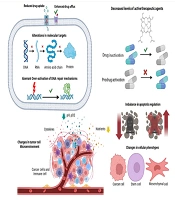
Although KRAS-G12C inhibitors have demonstrated clinically meaningful antitumor activity, the durability of therapeutic responses remains limited by intrinsic and acquired resistance mechanisms. These mechanisms involve secondary alterations in KRAS, reactivation of upstream signaling pathways, compensatory activation of alternative oncogenic pathways, and changes in tumor cell states. Clinical and experimental studies indicate that resistance can arise through several concurrent mechanisms, underscoring the biological heterogeneity of KRAS-G12C-mutant cancers and the need for therapeutic strategies tailored to individual resistance profiles (26, 32, 41, 42).
One important category of resistance involves secondary mutations in KRAS that interfere with inhibitor binding or alter the structural properties of the switch II pocket. Clinical analyses of patients who developed resistance to adagrasib have identified secondary KRAS alterations, including R68S, H95D, H95Q, H95R, and Y96C. These mutations were detected in tumor tissue or circulating tumor DNA and were associated with acquired resistance, although their prevalence, clonality, and effects differed among patients and between inhibitors (42). Experimental studies have further demonstrated that specific secondary mutations can reduce sensitivity to sotorasib, adagrasib, or both. In particular, Y96D and Y96S have been shown to confer resistance to both inhibitors in experimental models (32). However, Y96D should not be described as one of the most clinically relevant resistance mutations without direct mutation-specific evidence from patient samples. The distinction between clinically observed alterations and experimentally demonstrated resistance mutations is therefore essential when interpreting the evidence and evaluating their potential therapeutic implications.
Another major resistance mechanism involves feedback reactivation of RTK signaling. Inhibition of KRAS-G12C can relieve negative feedback within the MAPK pathway, leading to increased signaling through upstream receptors such as EGFR and other receptor tyrosine kinases. This adaptive response can promote nucleotide exchange and increase the proportion of active, GTP-bound RAS proteins. Because sotorasib and adagrasib primarily target the inactive GDP-bound conformation of KRAS-G12C, this shift can reduce the fraction of the target available for inhibition and facilitate reactivation of downstream signaling. Preclinical investigations have implicated RTK signaling and its associated regulatory protein SHP2 in adaptive resistance, providing a rationale for evaluating combinations of KRAS-G12C inhibitors with inhibitors of upstream signaling components (26, 41, 42).
Resistance can also develop through activation of alternative RAS isoforms and other oncogenic signaling components. Clinical analyses have identified acquired alterations involving NRAS, BRAF, MAP2K1, and RET, as well as MET amplification and oncogenic gene fusions. These changes can activate signaling pathways downstream of or parallel to KRAS, allowing tumor cells to maintain proliferative and survival signals despite continued KRAS-G12C inhibition (42). Activation of wild-type HRAS and NRAS has also been demonstrated in experimental models following KRAS-G12C inhibition, contributing to the restoration of MAPK signaling. These findings indicate that the response to treatment depends not only on the mutant KRAS allele but also on the broader signaling network and the availability of alternative routes to pathway activation (26, 41).
The PI3K–AKT–mTOR pathway represents another potential route through which tumor cells can maintain survival despite KRAS-G12C inhibition. Although KRAS signaling contributes to the regulation of this pathway, PI3K–AKT–mTOR activity can also be sustained through alternative upstream inputs and adaptive cellular responses. Preclinical studies have linked increased PI3K pathway activity with reduced sensitivity to KRAS-G12C inhibition in selected experimental systems. These observations support the investigation of combination strategies targeting KRAS and complementary survival pathways; however, the contribution of PI3K–AKT–mTOR signaling may vary according to tumor type and molecular context (26, 41).
Phenotypic plasticity and intratumoral heterogeneity further complicate responses to KRAS-G12C inhibitors. Tumors contain heterogeneous cellular populations that may differ in their dependence on KRAS signaling and their capacity to activate alternative survival mechanisms. Under therapeutic pressure, less sensitive subpopulations may persist or expand, contributing to incomplete responses and subsequent disease progression. Experimental studies have also associated epithelial-to-mesenchymal transition and other changes in cellular state with reduced sensitivity to KRAS-G12C inhibition. These findings suggest that resistance is not exclusively determined by secondary genetic alterations but may also involve adaptive changes in cellular signaling and phenotype (26, 41).
Collectively, the available evidence indicates that resistance to KRAS-G12C inhibitors is multifactorial and may involve several mechanisms within the same tumor. Clinical studies have documented acquired KRAS alterations and bypass mechanisms, whereas experimental investigations have provided additional insight into the functional consequences of specific mutations and adaptive signaling responses. Distinguishing between these levels of evidence is important to avoid overinterpreting preclinical findings and to identify resistance mechanisms with established clinical relevance. A more detailed understanding of tumor-specific resistance profiles may help guide the development of rational combination therapies, including strategies targeting upstream RTK–SHP2 signaling, downstream MAPK components, or alternative survival pathways. Further clinical investigation is needed to determine which combinations can overcome specific resistance mechanisms and improve the durability of responses in patients with KRAS-G12C-mutant cancers (26, 32, 41, 42).
3.5. Combination Therapeutic Strategies
Although KRAS-G12C inhibitors have demonstrated significant clinical activity, the emergence of resistance mechanisms and adaptive signaling responses has limited the durability of responses in many patients. Consequently, considerable attention has shifted toward combination therapeutic strategies designed to enhance treatment efficacy and prevent or delay the development of resistance. These approaches generally focus on simultaneously targeting KRAS and key regulators or downstream components of oncogenic signaling pathways (46).
One of the most extensively investigated strategies involves combining KRAS-G12C inhibitors with EGFR inhibitors. EGFR signaling plays a critical role in promoting nucleotide exchange and maintaining KRAS in its active, GTP-bound state. Following KRAS inhibition, the release of ERK-mediated negative feedback can increase EGFR activity and contribute to MAPK pathway reactivation. Therefore, combining KRAS inhibitors with EGFR-targeted agents, such as cetuximab or panitumumab, has been proposed as a strategy to suppress upstream signaling and enhance pathway inhibition (42).
Another promising therapeutic approach involves targeting SHP2, a protein tyrosine phosphatase that acts as a key mediator of receptor tyrosine kinase signaling and promotes RAS activation. SHP2 facilitates the recruitment of the SOS1 nucleotide exchange factor to activated receptors, thereby stimulating RAS-GTP formation. Inhibition of SHP2 can decrease KRAS activation and increase the proportion of KRAS in the GDP-bound state, the preferred conformation for KRAS-G12C inhibitor binding. Accordingly, combinations of KRAS-G12C inhibitors and SHP2 inhibitors have demonstrated synergistic antitumor activity in preclinical models (37).
Targeting downstream signaling components represents another important combination strategy. In particular, inhibitors of MEK or ERK, which function downstream of KRAS in the MAPK signaling cascade, have been investigated as potential partners for KRAS-targeted therapies. Dual inhibition of KRAS and MAPK pathway components may provide more comprehensive suppression of oncogenic signaling and reduce the likelihood of pathway reactivation (43).
Combination strategies involving PI3K–AKT–mTOR pathway inhibitors are also under investigation. The optimal therapeutic combination may depend substantially on tumor type and biological context. In NSCLC, combinations involving immune checkpoint inhibitors and SHP2 inhibitors appear particularly promising. In colorectal cancer, combining KRAS-G12C inhibitors with EGFR inhibitors, such as cetuximab or panitumumab, has a strong clinical rationale because EGFR feedback activation represents a dominant resistance mechanism. In pancreatic cancer, multitarget approaches involving SHP2, MEK, or PI3K pathway inhibition may be required because of extensive signaling redundancy. Despite strong preclinical evidence, not all combination strategies have achieved successful clinical outcomes. Some approaches have demonstrated limited efficacy, increased toxicity, or insufficient durability of response. Furthermore, KRAS-G12C inhibitor monotherapy generally produces lower response rates in colorectal cancer than in NSCLC, emphasizing the importance of tumor-specific biological characteristics. Because activation of alternative survival pathways can enable tumor cell persistence, co-targeting PI3K or AKT alongside KRAS inhibition may improve therapeutic outcomes in selected cancer types (44).
In addition to targeted therapies, KRAS-G12C inhibitors may be combined with immune checkpoint inhibitors, including antibodies targeting programmed cell death protein 1 or programmed death-ligand 1. Preclinical studies suggest that KRAS inhibition may enhance tumor immunogenicity by increasing antigen presentation and promoting the infiltration of cytotoxic T cells into the tumor microenvironment. These findings provide a biological rationale for combining KRAS-targeted therapies with immunotherapy to achieve more durable clinical responses.
Despite the potential of these combination approaches, several challenges remain, including toxicity management, optimization of dosing schedules, and appropriate patient selection. Many of these strategies are currently being evaluated in clinical trials to determine their safety and therapeutic benefit. Collectively, combination therapy represents a critical avenue for improving the clinical efficacy of KRAS-G12C inhibitors and overcoming the limitations associated with monotherapy. Continued investigation of rational drug combinations will be essential for maximizing therapeutic outcomes in patients with KRAS-driven cancers.
3.6. Challenges and Future Perspectives
Although Section 3.5 focuses on currently investigated combination therapeutic strategies, this section addresses broader challenges, resistance mechanisms, and future directions in KRAS-targeted therapies. Despite the progress achieved with KRAS-G12C inhibitors, several critical challenges remain that limit the long-term effectiveness of these therapies and underscore the need for continued innovation. A major limitation is the incomplete and often transient nature of clinical responses, which are frequently followed by disease progression because of the emergence of resistance. Both intrinsic resistance, in which tumors exhibit limited initial sensitivity to treatment, and acquired resistance, which develops during therapy, represent major obstacles in the management of KRAS-mutant cancers (35).
One of the primary challenges is the heterogeneity of KRAS-dependent signaling across different tumor types and even among distinct cellular populations within the same tumor. The oncogenic role of KRAS and its dependence on specific downstream signaling pathways can vary considerably across lung, colorectal, and pancreatic cancers. This biological heterogeneity influences sensitivity to KRAS inhibition and determines the compensatory mechanisms activated following treatment. Therefore, a universal “one-size-fits-all” therapeutic strategy is unlikely to be effective across all KRAS-mutant malignancies (45). Furthermore, experience in other therapeutic areas has demonstrated the importance of treatment optimization, adverse-event management, and individualized therapeutic decision-making in complex diseases. Similar principles are likely to be essential for improving the long-term efficacy and clinical utility of KRAS-targeted treatment strategies (41).
Another major challenge is the limited coverage of KRAS mutations by currently available inhibitors. Clinically approved KRAS-targeted agents are primarily directed against the G12C mutation, which represents only a subset of KRAS alterations observed in human cancers. Other common mutations, including G12D, G12V, and G13D, remain difficult to target with current small-molecule approaches. These limitations have stimulated the development of next-generation KRAS inhibitors designed to target additional mutant variants, as well as pan-KRAS inhibitors capable of acting across multiple KRAS alterations (47).
The development of pan-RAS inhibitors represents an even broader therapeutic strategy aimed at targeting multiple RAS isoforms, including KRAS, NRAS, and HRAS. Such approaches may help overcome tumor heterogeneity and prevent compensatory activation of alternative or wild-type RAS proteins. However, because RAS proteins play essential roles in normal cellular signaling, concerns about toxicity and the therapeutic window remain significant challenges. Therefore, achieving sufficient selectivity and optimizing dosing strategies will be critical to the clinical success of pan-RAS approaches (48).
Beyond conventional small-molecule inhibitors, emerging therapeutic modalities, including protein degraders, antisense oligonucleotides, and RNA-based therapies, are being investigated as alternative strategies for targeting KRAS. Approaches such as PROTAC-mediated KRAS degradation and inhibition of KRAS mRNA translation may provide new opportunities to suppress oncogenic signaling and overcome resistance mechanisms associated with mutations that impair inhibitor binding (49).
Another important area of development involves personalized oncology. Given the complexity and diversity of resistance mechanisms, treatment decisions increasingly require comprehensive molecular profiling of individual tumors. Long-term clinical monitoring and continuous evaluation of patient outcomes are also becoming essential components of personalized therapeutic management. These approaches may facilitate treatment optimization and improve the assessment of therapeutic benefit in patients receiving KRAS-targeted therapies (50, 51). Advanced technologies, including next-generation sequencing, liquid biopsy, and single-cell analysis, provide valuable insights into specific mutations, pathway alterations, and clonal dynamics that influence treatment response and resistance. In addition, patient-specific clinical factors, including comorbidities and disease characteristics, may significantly affect treatment outcomes and should be incorporated into personalized therapeutic decision-making (52). Such information can be used to tailor combination therapies and modify treatment regimens over time in response to evolving tumor biology (53).
The tumor microenvironment may also influence responses to KRAS-G12C-targeted therapies. Preclinical evidence suggests that RAS pathway inhibition can alter the tumor immune microenvironment, potentially affecting sensitivity to subsequent immunotherapy. However, the specific contribution of stromal and immune-cell interactions to resistance to KRAS-G12C inhibitors remains insufficiently characterized. Further studies are needed to clarify how tumor-intrinsic resistance mechanisms interact with the broader microenvironmental context (54).
Although the emergence of allosteric KRAS-G12C inhibitors represents a milestone in cancer therapy, substantial challenges remain in overcoming resistance, extending therapeutic strategies to additional KRAS mutations, and integrating KRAS-targeted agents into personalized treatment paradigms. Continued advances in structural biology, medicinal chemistry, systems biology, and clinical trial design will be essential to translate the promise of KRAS inhibition into durable clinical benefits for a broader population of patients.
4. Conclusions
4.1. Expert Opinion
The development of allosteric KRAS-G12C inhibitors represents one of the most significant achievements in modern precision oncology, transforming KRAS from a historically "undruggable" oncogenic driver into a clinically actionable therapeutic target (33, 34). The clinical success of sotorasib and adagrasib has demonstrated that direct pharmacological inhibition of mutant KRAS is feasible and can provide meaningful clinical benefit for patients with advanced malignancies, particularly NSCLC (6, 42).
However, in our view, the current generation of KRAS-G12C inhibitors should be considered the beginning, rather than the endpoint, of KRAS-targeted therapy. These agents selectively bind the inactive GDP-bound conformation of KRAS-G12C and therefore remain vulnerable to adaptive signaling mechanisms that restore RAS pathway activity (23, 24-26). Increasing evidence indicates that feedback activation of RTKs, compensatory signaling through wild-type RAS isoforms, secondary KRAS mutations, and activation of parallel pathways such as PI3K–AKT–mTOR significantly limit the durability of therapeutic responses (34, 35).
Treatment efficacy varies considerably across tumor types. Patients with KRAS-G12C–mutant NSCLC generally achieve greater clinical benefit than do patients with colorectal cancer, largely because colorectal tumors exhibit stronger EGFR-mediated feedback activation following KRAS inhibition (6, 43, 44). These findings suggest that KRAS mutation status alone is insufficient for treatment selection and that tumor-specific biological context must also inform therapeutic decision-making (16, 18).
We believe that the future of KRAS-targeted therapy will increasingly depend on rational combination strategies rather than monotherapy alone. Combinations involving SHP2 inhibitors, SOS1 inhibitors, EGFR inhibitors, MEK inhibitors, immune checkpoint inhibitors, and conventional chemotherapy have demonstrated encouraging preclinical and early clinical activity by suppressing adaptive resistance mechanisms and achieving more durable pathway inhibition (34, 35, 43). Such biomarker-guided combination approaches are likely to become a central component of future therapeutic strategies.
Another promising direction is the development of next-generation KRAS inhibitors capable of targeting multiple KRAS conformational states or a broader range of KRAS mutations simultaneously (18, 19). Pan-KRAS and pan-RAS inhibitors, noncovalent inhibitors, KRAS degraders, PROTAC-based approaches, RNA-based therapeutics, and molecular glue technologies may overcome several limitations associated with current mutation-specific inhibitors (39, 41, 47, 48). Nevertheless, careful optimization will be essential to minimize toxicity because physiological RAS signaling plays indispensable roles in normal cellular function (48, 49).
In our opinion, KRAS inhibitors are also likely to be used in earlier stages of cancer treatment. Ongoing clinical trials are evaluating their use in first-line therapy, perioperative settings, and adjuvant treatment, particularly in combination with immunotherapy or chemotherapy (6, 40, 42, 43). If these studies demonstrate improved survival outcomes, KRAS-targeted agents may become essential components of first-line management for selected patients with KRAS-mutant malignancies.
Despite these advances, several important biological questions remain unresolved. Reliable predictive biomarkers capable of identifying patients who will achieve durable responses are still lacking (53). Furthermore, the optimal sequencing of KRAS inhibitors with immunotherapy, chemotherapy, and other targeted therapies has not yet been established (35, 39). The clinical significance of intratumoral heterogeneity, clonal evolution, and non-genetic mechanisms of resistance remains incompletely understood (23-26, 35, 44, 54).
Emerging technologies, including liquid biopsy, circulating tumor DNA analysis, single-cell sequencing, spatial transcriptomics, artificial intelligence-assisted molecular profiling, and multi-omics integration, may improve characterization of tumor heterogeneity and resistance mechanisms and support more precise patient stratification. However, their clinical utility in guiding personalized KRAS-directed therapy requires further validation (53, 54).
We believe that the greatest long-term impact of KRAS-targeted therapy will come from precision medicine approaches that integrate molecular biomarkers, dynamic disease monitoring, and rational combination strategies to achieve durable disease control across diverse KRAS-mutant tumor types.
Emerging evidence also suggests that future KRAS-directed therapies should be developed in the context of a broader understanding of tumor biology, including immune regulation, epigenetic remodeling, and interactions within the tumor microenvironment. Recent studies have demonstrated that modulation of macrophage polarization, transcriptional regulation of immune-related genes, and novel biomolecule-based therapeutic strategies may complement targeted inhibition of oncogenic signaling pathways and enhance treatment efficacy. These findings support the concept that combining KRAS inhibitors with immunomodulatory or biologically targeted approaches may represent an important direction for next-generation precision oncology (55, 56).
Recent cancer research has increasingly emphasized the importance of considering multiple biological and therapeutic factors beyond a single oncogenic pathway. Immunomodulatory strategies, including dendritic cell-based approaches combined with pharmacological modulation of PI3K signaling, have highlighted the potential value of integrating immune-based and molecularly targeted interventions in cancer treatment (57). In addition, recent evidence concerning neurotransmitter-mediated regulation of tumor growth, migration, angiogenesis, and metastasis further illustrates the complexity of signaling networks within the tumor microenvironment (58). Molecular characterization of additional oncogenic alterations, such as PIK3CA hotspot mutations in colorectal cancer, also underscores the importance of comprehensive genetic profiling for understanding tumor heterogeneity and treatment-related biological differences (59).
Collectively, these findings support a broader precision-oncology framework in which KRAS-targeted therapies may be considered in the context of tumor-specific molecular alterations, immune regulation, and interactions among multiple signaling pathways.