
Fulltext
The Full text is available in PDF.
International Journal of Cancer Management
The Official Journal of Cancer Research Center (CRC), Shahid Beheshti University of Medical Sciences
Authors
Background: Esophageal anastomosis leaks continue to be a significant cause of morbidity and mortality after esophagectomy. The purpose of the present study was to identify the predisposing factors of esophageal anastomotic leakage.
Materials and Methods: 95 patients who underwent surgical resection for esophageal or cardia cancer were included for the study. The mean age of the patients was 59.5 years and male to female ratio was 1.56 to 1. The preferred management strategy for anastomotic leakage was the conservative approach when possible. The operative approach was reserved for those patients with fulminant sepsis or those who did not respond to the conservative management. Data were analyzed using SPSS 13.0 software and P-values less than 0.05 were considered significant.
Results: Sixty six patients had cervical esophageal anastomosis and 29 had intrathoracic anastomosis; 18.9% anastomotic leakage was diagnosed. Patients with symptoms longer than 6 months prior to operation, and diabetic patients had a significantly higher risk of anastomotic leakage.
Conclusion: Our data showed that the presences of diabetes mellitus as well as prolonged symptoms (more than six months) are associated with higher anastomotic leakage after esophagectomy. Controlling blood glucose, early diagnosis of esophageal cancer, early resection of tumor before a long-term period of symptoms, and effective screening program for esophageal cancer may reduce the risk of esophageal leakage.
© 2009, Author(s). This open-access article is available under the Creative Commons Attribution 4.0 (CC BY 4.0) International License (https://creativecommons.org/licenses/by/4.0/), which allows for unrestricted use, distribution, and reproduction in any medium, provided that the original work is properly cited.
Hosseini SV, Kashif Alghataa A, Bananzadeh A, Bahrami F, Khazraei H, et al. The Risk Factors of Anastomotic Leakage After Rectal Cancer Surgery. Int J Cancer Manag. 2022;15(6):e120889. doi: https://doi.org/10.5812/ijcm-120889
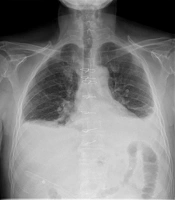
Mirjavadi SH, Estaji M, Koopaee S, Pak F, Jalaeefar A, et al. Comparison of Esophagography and Chest Computed Tomography and the Prognostic Value of Inflammatory Markers for Detecting Anastomotic Leakage After Esophageal Resection. Ann Mil Health Sci Res. 2026;24(1):e156851. doi: https://doi.org/10.69107/amh-156851
Mozafar M, Sobhiyeh MR, Heibatollahi M. Anastomotic Leakage Following Low Anterior Resection of Rectal Cancer Considering the Role of Protective Stoma. Int J Cancer Manag. 2009;2(1):e80501. doi:

Mousavi SR, Akbari ME. Comparison of Early and Late Complications in Three Esophagectomy Techniques. Int J Cancer Manag. 2017;10(6):e7644. doi: https://doi.org/10.5812/ijcm.7644
Parsa H, Fallah P, Rezaei M, Shahmoradi S. Lateral esophagostomy with thoracic drainage in treatment of esophageal perforation. J Inflamm Dis. 2024;14(1):e155523. doi:
Last Update: 3 weeks ago
Last Update: 3 weeks ago
Last Update: 3 weeks ago
Last Update: 5 hours ago
Last Update: 1 day ago
Last Update: 4 days ago