
Fulltext
Full text is available in PDF.
International Journal of Cancer Management
The Official Journal of Cancer Research Center (CRC), Shahid Beheshti University of Medical Sciences
Authors
Background: The metabolically active tumor cells may be characterized by a pronounced adenosine release that regulates the growth and development of the tumor. Consequently, the expression pattern of defined receptor subtypes will be an important determinant for specific effects of adenosine on the control of tumor cell growth. In recent studies, the expression profile, signal transduction, molecular function and cell growth modulation of adenosine receptors in the human breast cancer cell lines has been reported. To investigate the possible roles of adenosine receptors in other types of human cancers, in this study, we characterized the expression profile of adenosine receptors in two different human cancer cell lines: prostate carcinoma cell line (Du-145) and lung adenocarcinoma cell line (Calu-6). Our purpose is to test the hypothesis that diverse human cancer cell lines, according to their adenosine receptor subclass status, would show differential growth modulation.
Methods: RNA was extracted and reverse transcribed to cDNA. PCR primers were synthesized from human adenosine receptor cDNA sequences. PCR was performed under optimized condition for each receptor subtype. The PCR products were separated on agarose gels.
Results: All two human cancer cell lines studied contained detectable amounts of mRNA specific for adenosine receptor except A3 subtypes.
Conclusion: In conclusion the differentially expressed genes identified in this study might provide new insights into the possible roles of adenosine receptors on cell growth and development.
© 2010, Author(s). This open-access article is available under the Creative Commons Attribution 4.0 (CC BY 4.0) International License (https://creativecommons.org/licenses/by/4.0/), which allows for unrestricted use, distribution, and reproduction in any medium, provided that the original work is properly cited.
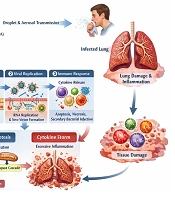
Letafati A, Abbasi S, Mokhtari Azad T, Zadheidar S, Yavarian J. Strain-Dependent Apoptotic Gene Expression in Influenza-Infected Lung Epithelial Cells. Arch Clin Infect Dis. 2026;21(1):e171057. doi: https://doi.org/10.5812/archcid-171057
Mohammadpour F, Ostad SN, Aliebrahimi S, Daman Z. Anti-invasion Effects of Cannabinoids Agonist and Antagonist on Human Breast Cancer Stem Cells. Iran J Pharm Res. 2017;16(4):e125045. doi: https://doi.org/10.22037/ijpr.2017.2143
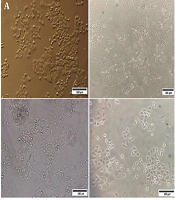
Sherifi E, Fathi F, Khadem Erfan MB, Soleimani F, Rahimi K, et al. Deletion of the Long Non-coding RNA ANRIL In Addition to the Protein-Coding Genes of the INK4-ARF Locus in the A549 Cell Line: An Existing Phenomenon or a Novel Genetic Alteration?. Int J Cancer Manag. 2024;17(1):e151972. doi: https://doi.org/10.5812/ijcm-151972
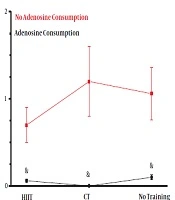
Farsi S, Ahmadi N, Azarbayjani MA. Effect of Continuous and Interval Training with Adenosine Consumption on A1 and A2A Adenosine Receptors in Heart Tissue of Obese Rats. Gene Cell Tissue. 2020;7(2):e97210. doi: https://doi.org/10.5812/gct.97210

Kalalinia F, Elahian F, Mosaffa F, Behravan J. Celecoxib Up Regulates the Expression of Drug Efflux Transporter ABCG2 in Breast Cancer Cell Lines. Iran J Pharm Res. 2014;13(4):e125578. doi: https://doi.org/10.22037/ijpr.2014.1576
Last Update: 3 weeks ago
Last Update: 3 weeks ago
Last Update: 3 weeks ago
Last Update: 7 hours ago
Last Update: 1 day ago
Last Update: 4 days ago