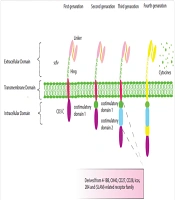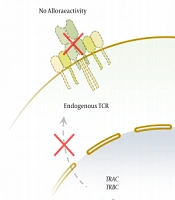
Cover image of the article: Chimeric Antigen Receptor Delivery Approaches in the Era of Regulatory-Approved T-cell Products for Cancer Immunotherapy

Image Credit:J Adv Immunopharmacol

Chimeric Antigen Receptor Delivery Approaches in the Era of Regulatory-Approved T-cell Products for Cancer Immunotherapy

Authors

Setareh Dashti Shokoohi1, Mehdi Sheikhi2, Pouya Safarzadeh KozaniPouya  Safarzadeh Kozani ORCID3, Pooria Safarzadeh KozaniPooria Safarzadeh Kozani ORCID1, Mehdi Rabiee Valashedi3, Chia Bamshad3, Amirsadegh Nikoo3, Abdolkarim SheikhiAbdolkarim Sheikhi ORCID4,*
1Department of Medical Biotechnology, Faculty of Medical Sciences, Tarbiat Modares University, Tehran, Iran
2Faculty of Medicine, Islamic Azad University, Kazeroon Branch, Kazeroon, Iran
3Department of Medical Biotechnology, Faculty of Paramedicine, Guilan University of Medical Sciences, Rasht, Iran
4Department of Immunology, School of Medicine, Dezful University of Medical Sciences, Dezful, Iran
*Corresponding Author: Department of Immunology, School of Medicine, Dezful University of Medical Sciences, Dezful, Iran. 64616-43993 Email: sheikhi@queensu.ca

Journal of Advanced Immunopharmacology:Vol. 3, issue 1; e131916
Published online:Jun 03, 2023
Article type:Letter
Received:May 14, 2023
Accepted:May 21, 2023
How to Cite:Dashti Shokoohi S, Sheikhi M, Safarzadeh Kozani P, Safarzadeh Kozani P, Rabiee Valashedi M, et al. Chimeric Antigen Receptor Delivery Approaches in the Era of Regulatory-Approved T-cell Products for Cancer Immunotherapy. J Adv Immunopharmacol. 2023;3(1):e131916. doi: https://doi.org/10.5812/tms-131916

Dear Editor,
Since 2017, when the first chimeric antigen receptor T (CAR-T) cell product was approved by the US Food and Drug Administration (FDA), studies have focused on improving the production process and expanding the applicability of this technology for other types of malignancies. So far, there are currently six FDA-approved CAR-T cell products, all of which are indicated for the treatment of relapsed/refractory B-cell hematologic malignancies. The first step in the production of these genetically engineered T cells is the isolation of T lymphocytes, which are derived from either the patient (i.e., autologous) or from a healthy third-party donor (i.e., allogeneic). Regardless of the source, the process of genetic manipulation of these isolated T lymphocytes is the same. Of note, the US FDA recently cleared the investigational new drug (IND) application of Sana Biotechnology’s CD19-redirected allogeneic CAR-T product (named SC291) for treating individuals with CD19-associated B-cell malignancies.
There are several methods for delivering CAR transgenes to T cells. The DNA constructs that encode CARs can be stably (such as γ-retroviral, lentiviral, and transposon-based gene delivery methods) or transiently (such as mRNA electroporation) introduced to T cells. Each one of these methods has its pros and cons in terms of costs, safety, and complexity. As the most common vectors used in CAR-T cell manufacturing, both gamma-retroviral and lentiviral vectors can permanently insert the CAR gene into the genome of target cells. Due to safety concerns, viral vectors are separately used in a packaging process, leading to the production of replication-deficient viruses that carry the CAR gene and are further utilized for transducing T cells ex vivo. Moreover, gamma-retroviral vectors can only transduce dividing cells, while lentiviral vectors are capable of transducing quiescent cells. This feature of lentiviral vectors enables them to be used for the transduction of a wide variety of cells, whereas pre-transduction activation of T cells is necessary when using gamma-retroviral vectors (1, 2). Lentiviral vectors are considered safer carriers compared to gamma-retroviral vectors since they integrate the CAR construct gene into the genome at locations other than transcriptional start sites and promoters, and their viral promoters are truncated after integration. On the other hand, gamma-retroviral integration occurs near transcriptional start sites, which increases the possibility of insertional mutagenesis (1, 3, 4). Furthermore, gamma-retroviral vectors can be used for the production of stable producer cell lines, which can be used as an unlimited source for vector production as compared to transient transfection-based lentiviral vectors. However, it is safe to say that CAR-T cell viral vector-mediated oncogenicity has not been observed or reported in any patients treated with CAR-T cells generated using this method (5).
Transposon-based methods, including Sleeping Beauty, introduce plasmid DNA alongside a transposase-encoding DNA or RNA using electroporation. This method is a cheaper approach in comparison with retroviral-based gene delivery and can markedly reduce the expenses of CAR-T cell production. In detail, the transposase recognizes the CAR construct gene sequence based on its unique terminal flanking repeats, which eventually leads to the integration of the CAR gene into the host cell’s genome. Recently, it has been shown that alongside promoting efficient antitumor responses, CAR-T cells generated using the sleeping beauty transposon can form central memory CAR-T cells, which may somewhat be a consequence of the incorporation of a 4-1BB co-stimulatory domain (6, 7). Limitations such as uncontrolled transposase activity and poor solubility and stability have recently been addressed by the development of a highly soluble Sleeping Beauty transposase for the generation of CAR-T cells with potent antitumor activity (8). The results of a recent clinical trial (NCT03389035) have shown that sleeping beauty-generated CAR-T cells exhibit satisfactory expansion and persistence without causing severe toxicities in B-ALL patients experiencing disease relapse after HSCT (9).
The introduction of CAR-encoding mRNAs using electroporation is a non-toxic gene delivery method that does not lead to the integration of the CAR gene into the host cell’s genome (10). Therefore, this method can only lead to transient CAR expression, which, although it minimizes toxicities, will also be a barrier to the antitumor functionality of CAR-T cells. One of the potential solutions for overcoming the barrier of the rapid loss of CAR expression is to use recyclable CARs, which significantly extend the half-life of the CAR molecule, thus increasing the longevity of tumoricidal cytotoxicity. This method can simply be applied by substituting all lysine residues to arginine in the cytoplasmic domain of the CAR molecules containing 4-1BB as their co-stimulatory domain. This modification will circumvent CAR ubiquitination and lysosomal degradation after endocytosis and facilitate the trafficking of CARs toward the cell surface (11). A drawback of these methods is that the electroporation process leads to a high cell mortality rate requiring more culturing durations for cellular recovery.
Experts believe that one of the reasons for the high cost of CAR-T cell therapy is the intricate cell manufacturing and engineering process applicable in sophisticated manufacturing practice (GMP) facilities (12). For instance, two FDA-approved CAR-T cell products named tisagenlecleucel (Kymriah) and axicabtagene ciloleucel (Yescarta) have price tags of $ 375,000 and $ 475,000, respectively (12). Ongoing studies are investigating methods for improving the generation process of CAR-T products hoping that advanced, safe, and efficient cell processing methods can help prepare CAR-T cell products at lower costs and in shorter times so that they can be both financially and clinically beneficial.
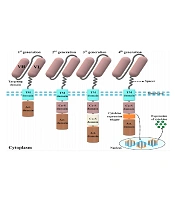

Footnotes

  • Authors' Contribution: S. D. S., M. S., P. S., P. S., M. R. V., C. B., A. N., and A. S. contributed to the writing and revising of this manuscript.

  • Conflict of Interests: It is hereby declared that Pouria and Pooya Safarzadeh are brothers and Mehdi and Abdul Karim Sheikhi are sons and fathers. Their contribution is stated in the article. The authors declare no conflict of interest.

  • Funding/Support: It is declared that there is not any funding for this paper.

References

  • 1.
    Vannucci L, Lai M, Chiuppesi F, Ceccherini-Nelli L, Pistello M. Viral vectors: A look back and ahead on gene transfer technology. New Microbiol. 2013;36(1):1-22. [PubMed ID: 23435812].
  • 2.
    Levine BL. Performance-enhancing drugs: Design and production of redirected chimeric antigen receptor (CAR) T cells. Cancer Gene Ther. 2015;22(2):79-84. [PubMed ID: 25675873]. https://doi.org/10.1038/cgt.2015.5.
  • 3.
    Shen-Ong GL, Potter M, Mushinski JF, Lavu S, Reddy EP. Activation of the c-myb locus by viral insertional mutagenesis in plasmacytoid lymphosarcomas. Science. 1984;226(4678):1077-80. [PubMed ID: 6093260]. https://doi.org/10.1126/science.6093260.
  • 4.
    Varmus HE, Quintrell N, Ortiz S. Retroviruses as mutagens: insertion and excision of a nontransforming provirus alter expression of a resident transforming provirus. Cell. 1981;25(1):23-36. [PubMed ID: 6268304]. https://doi.org/10.1016/0092-8674(81)90228-2.
  • 5.
    Scholler J, Brady TL, Binder-Scholl G, Hwang WT, Plesa G, Hege KM, et al. Decade-long safety and function of retroviral-modified chimeric antigen receptor T cells. Sci Transl Med. 2012;4(132):132ra53. [PubMed ID: 22553251]. [PubMed Central ID: PMC4368443]. https://doi.org/10.1126/scitranslmed.3003761.
  • 6.
    Ivics Z. Potent CAR-T cells engineered with Sleeping Beauty transposon vectors display a central memory phenotype. Gene Ther. 2021;28(1-2):3-5. [PubMed ID: 32139891]. https://doi.org/10.1038/s41434-020-0138-8.
  • 7.
    Chicaybam L, Abdo L, Viegas M, Marques LVC, de Sousa P, Batista-Silva LR, et al. Transposon-mediated generation of CAR-T cells shows efficient anti B-cell leukemia response after ex vivo expansion. Gene Ther. 2020;27(1-2):85-95. [PubMed ID: 31919448]. https://doi.org/10.1038/s41434-020-0121-4.
  • 8.
    Querques I, Mades A, Zuliani C, Miskey C, Alb M, Grueso E, et al. A highly soluble Sleeping Beauty transposase improves control of gene insertion. Nat Biotechnol. 2019;37(12):1502-12. [PubMed ID: 31685959]. [PubMed Central ID: PMC6894935]. https://doi.org/10.1038/s41587-019-0291-z.
  • 9.
    Magnani CF, Gaipa G, Lussana F, Belotti D, Gritti G, Napolitano S, et al. Sleeping Beauty-engineered CAR T cells achieve antileukemic activity without severe toxicities. J Clin Invest. 2020;130(11):6021-33. [PubMed ID: 32780725]. [PubMed Central ID: PMC7598053]. https://doi.org/10.1172/JCI138473.
  • 10.
    Foster JB, Barrett DM, Kariko K. The Emerging Role of In Vitro-Transcribed mRNA in Adoptive T Cell Immunotherapy. Mol Ther. 2019;27(4):747-56. [PubMed ID: 30819612]. [PubMed Central ID: PMC6453504]. https://doi.org/10.1016/j.ymthe.2019.01.018.
  • 11.
    Li W, Qiu S, Chen J, Jiang S, Chen W, Jiang J, et al. Chimeric antigen receptor designed to prevent ubiquitination and downregulation showed durable antitumor efficacy. Immunity. 2020;53(2):456-470 e6. [PubMed ID: 32758419]. https://doi.org/10.1016/j.immuni.2020.07.011.
  • 12.
    Lyman GH, Nguyen A, Snyder S, Gitlin M, Chung KC. Economic Evaluation of Chimeric Antigen Receptor T-Cell Therapy by Site of Care Among Patients With Relapsed or Refractory Large B-Cell Lymphoma. JAMA Netw Open. 2020;3(4). e202072. [PubMed ID: 32250433]. [PubMed Central ID: PMC7136832]. https://doi.org/10.1001/jamanetworkopen.2020.2072.

Copyright

Copyright © 2023, Trends in Medical Sciences. This is an open-access article distributed under the terms of the Creative Commons Attribution-NonCommercial 4.0 International License (http://creativecommons.org/licenses/by-nc/4.0/) which permits copy and redistribute the material just in noncommercial usages, provided the original work is properly cited.

Similar Articles

4
Sep
2021
Chimeric Antigen Receptor T-Cell Therapy: An Overview of the Changing Face of Cancer Immunotherapy

Chimeric Antigen Receptor T-Cell Therapy: An Overview of the Changing Face of Cancer Immunotherapy

Pouya Safarzadeh Kozani,
Pooria Safarzadeh Kozani,
Fatemeh Rahbarizadeh

Safarzadeh Kozani P, Safarzadeh Kozani P, Rahbarizadeh F. Chimeric Antigen Receptor T-Cell Therapy: An Overview of the Changing Face of Cancer Immunotherapy. J Adv Immunopharmacol. 2022;2(1):e114656. doi: https://doi.org/10.5812/tms.114656

2
Mar
2023
Design and development of CAR-T cells for cancer therapy

Design and development of CAR-T cells for cancer therapy

Shafieeh Mansoori,
Monireh Gholizadeh,
Shahriyar Abdoli,
Sohiela Ajdari,
Mohammad Ali Shokrgozar,
Mohsen Basiri
,et al.

Mansoori S, Gholizadeh M, Abdoli S, Ajdari S, Shokrgozar MA, et al. Design and development of CAR-T cells for cancer therapy. koomesh. 2023;25(1):e152796. doi:

1
May
2024
CAR-NK Cells as Promising Immune Therapeutics: Platforms and Current Progress

CAR-NK Cells as Promising Immune Therapeutics: Platforms and Current Progress

Maryam Samareh Salavatipour,
Shirin Tavakoli,
Shima Tavoosi,
Masoume Nodehi,
Amir Hossein Baghsheikhi,
Mohammad Vaezi
,et al.

Samareh Salavatipour M, Tavakoli S, Tavoosi S, Nodehi M, Baghsheikhi AH, et al. CAR-NK Cells as Promising Immune Therapeutics: Platforms and Current Progress. Int J Cancer Manag. 2024;17(1):e145431. doi: https://doi.org/10.5812/ijcm-145431

18
Jul
2021
Application of Genome-Editing Technologies for Off-the-Shelf T Cell-Based Cancer Immunotherapy

Application of Genome-Editing Technologies for Off-the-Shelf T Cell-Based Cancer Immunotherapy

Zohreh Hakakzadeh,
Vahid Yekehfallah,
Hamidreza Ebrahimiyan,
Ali Sayadmanesh,
Mohsen Basiri

Hakakzadeh Z, Yekehfallah V, Ebrahimiyan H, Sayadmanesh A, Basiri M. Application of Genome-Editing Technologies for Off-the-Shelf T Cell-Based Cancer Immunotherapy. Artif Intell Precis Med. 2021;1(1):e116796. doi: https://doi.org/10.5812/pmco.116796

9
Jun
2021
Adverse Events and Side Effects of Chimeric Antigen Receptor (CAR) T Cell Therapy in Patients with Hematologic Malignancies

Adverse Events and Side Effects of Chimeric Antigen Receptor (CAR) T Cell Therapy in Patients with Hematologic Malignancies

Pooria Safarzadeh Kozani,
Shima Shabani

Safarzadeh Kozani P, Shabani S. Adverse Events and Side Effects of Chimeric Antigen Receptor (CAR) T Cell Therapy in Patients with Hematologic Malignancies. J Adv Immunopharmacol. 2021;1(1):e116301. doi: https://doi.org/10.5812/tms.116301

More by these authors

Setareh Dashti ShokoohiPubMedScholar
Mehdi SheikhiPubMedScholar
Pouya Safarzadeh KozaniPubMedScholar
Pooria Safarzadeh KozaniPubMedScholar
Mehdi Rabiee ValashediPubMedScholar
Chia BamshadPubMedScholar
Amirsadegh NikooPubMedScholar
Abdolkarim SheikhiPubMedScholar
Share
Cited by
Metrics