1. Background
Clostridium difficile infection (CDI) has been increasingly viewed as a major pathogen for nosocomial diarrhea since the first report on this pathogen (1). Two common toxins (toxin A and B) produced by C. difficile have been considered to induce C. difficile-associated diarrhea. The emergence of NAP1/BI/027, an epidemic hyper-virulent strain in North America and Europe (2), secretes a third toxin (binary toxin, CDT), which may result in poor prognosis. Clinical CDI manifestations range from mild diarrhea to toxic megacolon and pseudomembranous colitis (3). Furthermore, CDIs are responsible for costs of approximately $1.5 billion per year in the United States (4).
Clostridium difficile infection incidence continues to increase in both the general population and patients with liver disease, and has become a significant burden to public health worldwide (5, 6). Old age and exposure to both antibiotics and healthcare facilities are the main risk factors for CDI (3). It has also been known that both cirrhotic patients and liver transplant recipients are at high risk of CDI (7, 8). However, CDI incidence and risk factors for chronic hepatitis B (CHB) patients without cirrhosis have not been adequately studied. In a previous study, a disorder in gut microbiota in patients with CHB was detected (9), implying that CHB may have created a favorable environment for CD colonization and infection.
2. Objectives
The present study aimed at determining the incidence and risk factors of CDI in CHB patients without cirrhosis by utilizing case-control cohorts hospitalized at a Chinese tertiary hospital, and establishing recommendations on preventing and treating CDI among CHB patients.
3. Methods
3.1. Ethics Statement
The present study was approved by the Medical Ethics Committee of the First Affiliated Hospital, School of Medicine, Zhejiang University (ZYYY 2018536).
3.2. Patients and Definitions
Data on CDI were collected from CHB patients without cirrhosis, who were admitted between June 2010 and June 2016 to the First Affiliated Hospital, School of Medicine, Zhejiang University. The included CDI population was limited to patients, who had CDI onset at the healthcare facility (HCF), or HCF-associated (HO-HCFA) CDI. Furthermore, HO-HCFA CDI was defined as a CDI episode that occurred within 48 hours after admission, or within 28 days after discharge (10). A CDI was considered when both the C. difficile culture and C. difficile toxin assay were positive in stool samples obtained from patients with diarrhea (10). Diarrhea was defined as ≥ 3 unformed stools within 24 hours (10).
Non-cirrhotic CHB in-patients, who were ≥ 18 years old, were included in this study. Patients with CDI relapse were excluded. The control group included non-cirrhotic CHB inpatients with C. difficile negative diarrhea, and had been hospitalized for at least 48 hours. The subjects in the control group were randomly selected from a pool of age-, gender- and admission period-matched CHB in-patients with no known CDI history. The present study was approved by the Medical Ethics Committee of the First Affiliated Hospital, School of Medicine, Zhejiang University.
3.3. Collection of Toxigenic C. difficile Isolates
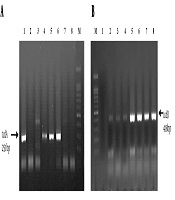
For isolating C. difficile, the stool sample was inoculated on cycloserine cefoxitin taurocholate agar (Oxoid Ltd., Cambridge, UK), supplemented with 7% sheep blood after an alcohol shock procedure, and the strains were confirmed by matrix-assisted laser desorption-ionization time-of-flight mass spectrometry (MALDI-TOF-MS) with a Microflex LT system (Bruker Daltonik GmbH, Bremen, Germany). DNA was isolated according to a previously described method (11). All strains were tested for the presence of tcdA, tcdB, cdtA, and cdtB genes by the polymerase chain reaction (PCR), as described by Kato et al. (11) and Stubbs et al. (12), respectively. Briefly, the PCR protocol for the toxin A gene was 35 cycles consisting of 95°C for 20 seconds and 62°C for 120 seconds. The PCR protocol for toxin B gene included 35 cycles of 95°C for 20 seconds and 55°C for 120 seconds. The thermal profiles for the CDTa and CDTb genes were determined at 30 cycles of 94°C for 45 seconds, 52°C for 60 seconds, and 72°C for 80 seconds. Toxigenic C. difficile isolate was confirmed as C. difficile isolate positive with toxin A gene and/or toxin B gene.
3.4. Multilocus Sequence Typing
Multilocus sequence typing (MLST) was carried out with seven housekeeping genes (adk, atpA, dxr, glyA, recA, and tpi) for all of the isolates according to Griffiths et al. (13). The assignment of the allele number and Sequence Type (ST) was performed with C. difficile MLST database homepage (http://pubmlst.org/cdifficile/).
3.5. Data Collection
The biochemical parameters and hematological parameters (serum albumin level, serum creatinine level, serum alanine aminotransferase level, serum aspartate transaminase level, serum total bilirubin level, international normalized ratio, prothrombin time, white blood cell count, hemoglobin concentration, and platelet count) in the admission samples were recorded.
3.6. Statistical Analysis
Numeric variables were expressed as mean ± standard deviation (SD) or median with interquartile range (IQR). Statistical significance was determined by Student’s t-test or Mann-Whitney’s U-test. Categorical variables were calculated as percentages and compared using the chi-square test. Risk factors were first screened by univariate analysis, and were further extracted by step-wise multivariate logistic regression analysis. The bivariate-resultant factors when P > 0.05 were ascertained. Logistic regression was used to determine the odds ratios with 95% confidence intervals (95% CIs). The SPSS package (version 23.0; SPSS Inc., Chicago, IL, USA) was used for all statistical analyses.
4. Results
4.1. Patient Population
From June 2010 to June 2016, 105 CHB patients without cirrhosis were selected for the present study (Table 1). Among these patients, 35 patients were diagnosed with HO-HCFA CDI. Among all CDI patients (n = 35), 25 patients were male (71.4%) and their mean age was 43.6 years old. The mean hospital stay among CDI patients was 25 days. In the control group (n = 70), 50 subjects were male (71.4%), and their mean age was 41.7 years old. Furthermore, mean duration of hospitalization among the controls was 12 days. Two patients (5.7%) in the CDI group and four patients (5.7%) in the control group died during the hospital stay.
Table 1.
Demographic and Clinical Characteristics of CDI Patients and Controlsa
| Patient Characteristics | Total, N = 105 | CDI, N = 35 | Control, N = 70 | P Value |
|---|---|---|---|---|
| Age | 43.0 ± 13.33 | 43.6 ± 14.47 | 41.7 ± 12.78 | 0.49 |
| Male, No. (%) | 75 (71.4) | 25 (71.4) | 50 (71.4) | 1.0 |
| Smoke, No. (%) | 32 (30.5) | 12 (34.3) | 20 (28.4) | 0.553 |
| Alcohol intake, No. (%) | 25 (23.8) | 12 (34.3) | 13 (18.6) | 0.076 |
| Medication exposures prior to developing CDIb, No. (%) | ||||
| Proton pump inhibitor | 49 (46.7) | 21 (60) | 28 (40) | 0.054 |
| Antiviral treatment | 47 (44.8) | 19 (54.3) | 28 (40) | 0.168 |
| Use of any antibiotic not directed at CDI | 46 (43.8) | 24 (68.6) | 22 (31.4) | 0.000 |
| Cephalosporin | 19 (18.1) | 14 (40) | 5 (7.1) | 0.000 |
| Carbapenem | 12 (11.4) | 7 (20) | 5 (7.1) | 0.052 |
| Fluoroquinlones | 13 (12.4) | 9 (25.7) | 4 (5.7) | 0.003 |
| β-lactam/β-lactamase inhibitor combinations | 21 (20) | 8 (22.9) | 13 (18.6) | 0.609 |
| Other | 9 (8.6) | 7 (20) | 2 (2.9) | 0.003 |
| Antifungal agent | 5 (4.8) | 3 (8.6) | 2 (2.9) | 0.199 |
| Comorbidities, No. (%) | ||||
| Respiratory disease | 10 (9.5) | 8 (22.9) | 2 (2.9) | 0.001 |
| Cardiovascular disease | 16 (15.2) | 6 (17.1) | 10 (14.3) | 0.704 |
| Gastrointestinal disease | 14 (13.3) | 8 (22.9) | 6 (8.6) | 0.043 |
| Metabolic disorder | 10 (9.5) | 5 (14.3) | 5 (7.1) | 0.244 |
| Malignancy | 17 (16.2) | 13 (37.1) | 4 (5.7) | 0.000 |
| Charlson comorbidity index score | 1 (1) | 2 (2) | 1 (0) | 0.000 |
| Prior hospitalization, No. (%) | 56 (53.3) | 17 (48.6) | 39 (55.7) | 0.494 |
| Length of hospital stay | 14 (18) | 25 (24) | 12 (12.25) | 0.000 |
| Infection concomitant to CDI, No. (%) | 14 (13.3) | 8 (22.9) | 6 (8.6) | 0.043 |
| Pulmonary infection concomitant to CDI, No. (%) | 8 (7.6) | 4 (11.4) | 4 (5.7) | 0.303 |
| Leukocyte, cells × 109/L | 5.4 (3.5) | 7.4 (5.9) | 5 (2.5) | 0.000 |
| Haemoglobin, g/dL | 130 (35) | 118 (34) | 136 (31.5) | 0.001 |
| Platelet, 109/L | 129 (76) | 123 (136) | 129 (86.75) | 0.137 |
| Albumin, g/dL | 33.1 (8.9) | 32.95 (9.975) | 34.5 (7.4) | 0.251 |
| Creatinine, µmol/L | 65 (23) | 64 (36) | 66.5 (21) | 0.073 |
| ALT, IU/L | 316 (299) | 135 (70) | 407 (402) | 0.005 |
| AST IU/L | 211 (225) | 157 (72) | 238 (248) | 0.269 |
| TB, µmol/L | 117 (166.75) | 87 (56) | 132 (225) | 0.121 |
| INR | 1.2 (0.46) | 1.13 (0.36) | 1.27 (0.60) | 0.195 |
| PT | 13.9 (5.8) | 12.9 (4.7) | 14.5 (7.05) | 0.093 |
| Death, No. (%) | 6 (5.7) | 2 (5.7) | 4 (5.7) | 1.000 |
Abbreviations: ALT, alanine aminotransferase; AST, aspartate transaminase; CDI, Clostridium difficile infection; INR, international normalized ratio; PT, prothrombin time; TB, total bilirubin.
aData were expressed as mean ± standard deviation (SD), median (IQR), or No. (%).
bComparisons between the CHB and control groups were performed by Student t-test, Mann-Whitney’s U-test, or chi-square test.
4.2. Clinical Features and Microbiological Findings
As shown in Table 1, there were significant differences in prior antibiotic exposure, prolonged hospital stay, high leukocyte cell count, hemoglobin, alanine aminotransferase (ALT) level, respiratory disease, gastrointestinal disease, malignancy, and high Charlson score between the CDI and control groups (P < 0.05). The prior antibiotic exposure was 68.6% in the CDI group, while this was 31.4% in the control group. As noted, both cephalosporin and fluoroquinolones were more widely used in the CDI group, when compared with the control group. Furthermore, no correlation was found between proton pump inhibitors or antivirals and CDI status (P > 0.05).
Patients with C. difficile infection had more comorbidities and higher Charlson scores than subjects in the control group. Major concomitant diseases, including malignancy, gastrointestinal disease, and respiratory disease, were more frequent in CHB patients with CDI than the control group. A total of 35 toxigenic C. difficile strains were analyzed by MLST, and these were assigned to 15 different STs. Four isolates (28.1%) had A - B + CDT -strains, while 30 (85.7%) isolates had A + B + CDT - strains. One (2.9%) isolate had A + B + CDT + strains (ST-5). ST-35 and ST-3 both accounted for 23.3 (7/30) of the A + B + CDT- strains. Three of the A-B+CDT- strains were classified as ST-37, while one was classified as ST-39.
4.3. Risk Factors
Risk factors were analyzed and extracted by comparing 35 CDI patients and 70 matched control subjects by univariate and step-wise multivariate analysis (Tables 1 and 2). Prolonged hospital stay (OR: 1.045; 95% CI: 1.006 to 1.086) and higher Charlson score on admission (OR: 3.063; 95% CI: 1.602 to 5.857) were found to be independent factors for the development of CDI among CHB patients without cirrhosis.
Table 2.
Risk Factors Associated with Clostridium difficile Infection Among CHB Patients
| Variable | Univariate Analysis | Multivariate Analysis | ||
|---|---|---|---|---|
| OR (95% CI) | P Value | OR (95% CI) | P Value | |
| Age | 1.011 (0.980 - 1.042) | 0.487 | ||
| Use of any antibiotic not directed at CDI | 4.760 (1.986 - 11.408) | 0.000 | ||
| Hospitalization | 1.057 (1.022 - 1.094) | 0.001 | 1.045 (1.006 - 1.086) | 0.023 |
| Infection concomitant to CDI | 3.160 (1.001 - 9.982) | 0.050 | ||
| Charlson comorbidity index score | 3.733 (2.143 - 6.502) | 0.000 | 3.063 (1.602 - 5.857) | 0.001 |
| Respiratory disease | 10.074 (2.009 - 50.517) | 0.005 | ||
| Gastrointestinal disease | 3.160 (1.001 - 9.982) | 0.050 | ||
| Malignancy | 9.750 (2.878 - 33.029) | 0.000 | ||
| Leukocyte, cells × 109/L | 1.340 (1.136 - 1.580) | 0.001 | ||
| Hemoglobin, g/dL | 0.968 (0.949 - 0.988) | 0.002 | ||
| ALT | 0.997 (0.995 - 0.000) | 0.010 | ||
Abbreviations: ALT, alanine aminotransferase; CDI, Clostridium difficile infection; CI, confidence interval OR, odds ratio.
5. Discussion
In the present study, CDI was investigated in a cohort of 105 non-cirrhotic CHB patients. It was found that 33% (n = 35) of these patients developed CDI during their hospital stay. The identified risk factors included prolonged hospital stay and higher Charlson score, which made patients with CHB more susceptible to CDI. The morbidity and mortality of CDI have steadily increased in Europe and America (14-16). As reported, CDI-affected populations have become larger than that of methicillin-resistant Staphylococcus aureus (MRSA), and an estimated 12.1% of all health care-associated infections were attributed to CDI in America (17). Liver disease is a known risk for CDI (5). This study found that 33% of CHB patients became infected with CD during hospitalization, which was higher than the general population (3). In the last few decades, the clinical management of hepatitis B has mainly focused on antiviral treatment. This often overlooks the negative impact of chronic liver injury on intestinal flora (18, 19), which may lead to an imbalanced microbiota in the gut that could favor C. difficile colonization and infection, or other life-threatening complications (9).
In the present study, the median hospital stay of patients in the CDI group was two times longer than that of subjects in the control group. Spores of C. difficile may survive even in harsh environments. The C. difficile contaminated environment in health care facilities and patients colonized or infected with C. difficile serve as important sources of hospital-based transmission (20). It was confirmed that patients in the CDI group had a prolonged hospital stay. In a previous study, ST-35 and ST-3 were among the most prevalent types in the hospital (21), and were the two predominant types in this study. The current researchers speculated that transmission events may exist, although discriminatory bacterial typing techniques, such as whole genome sequencing, are needed to validate these findings.
The inappropriate use of any antibiotics could trigger C. difficile colonization and infection (22). Cephalosporin and fluoroquinolones, which display a broad antibacterial spectrum and are potent, were most frequently used in this cohort. The inappropriate use of fluoroquinolones triggered several outbreaks of CDI in North America and Europe (23). The problem with the inappropriate use of antibiotics is more severe in China (24). The current research found that both cephalosporin and fluoroquinolones were more widely used in the CDI group, which may make CHB patients more susceptible to CDI. Antibiotics could disturb the flora equilibrium in the gastrointestinal tract, facilitating C. difficile spores to colonize, replicate and produce toxins. In addition, changes in the intestinal mucosa barrier in patients with CHB induced gastrointestinal microbial products of bacterial peptidoglycan, flagellin and metabolic byproducts easier to aggravate (9). The investigators previously noted that the peak of CDI incidence in the hospital of the current study occurred in internal medicine wards, where patients with various chronic diseases had longer hospital stays (22).
The present study had several limitations. First, the number of enrolled patients was relatively small. One of the reasons for such a small number was that physicians, who lacked CDI awareness, frequently overlooked the possibility of CDI among patients with unexplained diarrhea, leading to only 35 CHB patients diagnosed with concomitant CDI in nearly six years at the hospital. On the other hand, the current research may have underestimated the incidence rate of CDI in CHB patients. Second, this was a single-center study, and the present findings must be verified in future multicenter-based studies.
5.1. Conclusions
It was found that 33% of admitted CHB patients acquired CDI during their hospital stay. Both longer hospital stay and higher Charlson score on admission represented risk factors for the acquisition of CDI among hospitalized CHB patients. These risk factors may alert physicians to become aware of the possibility of CDI, and to actively seek for specific pathogen detection for early diagnosis and timely treatment. Furthermore, greater emphasis on infection control measures and antimicrobial stewardship in CHB patients during hospital admission is needed, and these efforts may reduce incident rate of CDI in these patients.