Full Text
Full text is available in PDF
Jundishapur Journal of Natural Pharmaceutical Products
The Official Journal of Ahvaz Jundishapur University of Medical Sciences
Authors
Zinc has important effects on structural and functional activities of many proteins and enzymes involved in biological activities especially regulation of immune- system. Deficiencies of this element may result in many diseases and immunological disorders. Symptoms of zinc toxicity include nausea/vomiting, fever, cough, diarrhea, fatigue, neuropathy and dehydration. Further signs include growth retardation, altered iron function, anemia, copper deficiency, decreased immune function, decreased HDL (high density lipoprotein), increased LDL (low density lipoprotein), and increased HgbA1C. This study was carried out to examine the in vitro effects of different concentration of zinc on viability and death of T-Lymphoid (Molt-4) cell line. In this study, the cell line was exposed to different concentrations of zinc (10nM to 500µM) followed by incubation (37°C, 5% CO2) at various time points (12 to 72 h). The cells were then evaluated with trypan blue exclusion dye and Mitochondorial Thiazol Tetrazolium Assay (MTT) and light microscopy. The results of this study showed almost different responses to different amounts of zinc by The T cell line (Molt-4). Zinc concentrations below 100µM at different incubation time points had little or no effect on cell line compared to the controls. Higher concentrations of zinc (>100µM) viability diminished to 70% at 12 h and less than 50% at 24 to 72 h of incubation times. We conclude that Zinc has dose-dependent cytotoxicity on Molt-4 cells.
© 2007, Author(s). This open-access article is available under the Creative Commons Attribution 4.0 (CC BY 4.0) International License (https://creativecommons.org/licenses/by/4.0/), which allows for unrestricted use, distribution, and reproduction in any medium, provided that the original work is properly cited.

Tokmehdashi H, Osati-Ashtiani F, Pourfathullah A. Effect of zinc on viability and morphology of Raji cell-line. J Inflamm Dis. 2024;8(3):e155061. doi:
Mehrpouri M, Yousefpour R, Safaroghli-Azar A, Bashash D. Cytotoxic and apoptotic effects of melatonin hormone on NB4 leukemic cells. koomesh. 2020;22(3):e153211. doi:

Sharifian A, baghbani F, Sahebjami H. Effect of topotycan and zinc oxide nanoparticles combination on cytotoxicity and P53 gene expression against breast cancer (MCF-7) cell line. koomesh. 2020;22(1):e153167. doi:
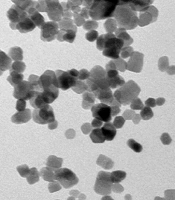
Zargarnezhad M, Mirbahari SN, Ahmadi R. The Cytotoxic Effects of Zinc Oxide Nanoparticles on SW480 Cell Lines and Measurement of Nitric Oxide in Cell Culture Medium. Jentashapir J Cell Mol Biol. 2022;13(1):e122530. doi: https://doi.org/10.5812/jjcmb-122530
Hosseini MS, Mohammadi MH, Vahabpour Roudsari R, Jafari L, Mashati P, et al. Proteasome Inhibition by Carfilzomib Induced Apotosis and Autophagy in a T-cell Acute Lymphoblastic Leukemia Cell Line. Iran J Pharm Res. 2019;18(Suppl1):e124462. doi: https://doi.org/10.22037/ijpr.2020.112692.13898
Last Update: 3 weeks ago
Last Update: 3 weeks ago
Last Update: 3 weeks ago
Last Update: 4 hours ago
Last Update: 1 day ago
Last Update: 4 days ago