
1. Introduction
Synovial sarcoma (SS) is a rare subtype of soft-tissue sarcoma, accounting for approximately 5% - 10% of cases, and tends to arise in the extremities adjacent to joint capsules in young and middle-aged adults (1). Based on tumor histology, SS is commonly classified into monophasic, biphasic, and poorly differentiated subtypes (2). Regarding cellular composition, mesenchymal spindle cells predominate in monophasic SS; the biphasic subtype contains both epithelial and spindle cells, whereas poorly differentiated SS comprises small round cells with high mitotic activity (3). The characteristic chromosomal translocation t(X;18), a pathognomonic hallmark identified in more than 90% of SS cases, produces the SS18-SSX fusion oncogene, which plays a major role in sarcomagenesis (4). As a limitation of this report, the presence of the SS18-SSX fusion was not determined by fluorescence in situ hybridization or other molecular methods.
SS is initially evaluated by magnetic resonance imaging (MRI), with diagnosis confirmed by histopathological examination of a core biopsy and, when available, molecular analysis (5). SS may express markers such as CD99, vimentin, Bcl-2, epithelial membrane antigen (EMA), and CD56, while showing negative staining for S100, cytokeratin, and desmin on immunohistochemical examination of paraffin-embedded sections. The standard therapeutic approach is complete surgical excision of the tumor mass, with or without radiotherapy and neoadjuvant chemotherapy, which may improve overall survival (6). SS of the shoulder is rare, accounting for approximately 6% of all SS neoplasms; herein, we present a possible recurrence of SS involving the shoulder in a 57-year-old woman from Iran (7).
2. Case Presentation
The patient was a 57-year-old woman who presented with left shoulder pain and weight loss for approximately 5 months. She reported no accident or trauma in the preceding months. Approximately 20 years earlier, she had undergone surgical resection of an SS tumor in the right axilla, and she had a positive family history of cancer. Over the subsequent 2 decades, she remained disease-free, with no evidence of tumor relapse or metastasis.
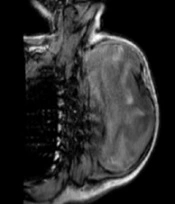
Physical examination revealed swelling, pitting edema, and tenderness of the left arm, as well as a reduced range of motion of the left hand. Color Doppler ultrasonography and MRI revealed a large infiltrative mass with internal vasculature and bone involvement (Figure 1).
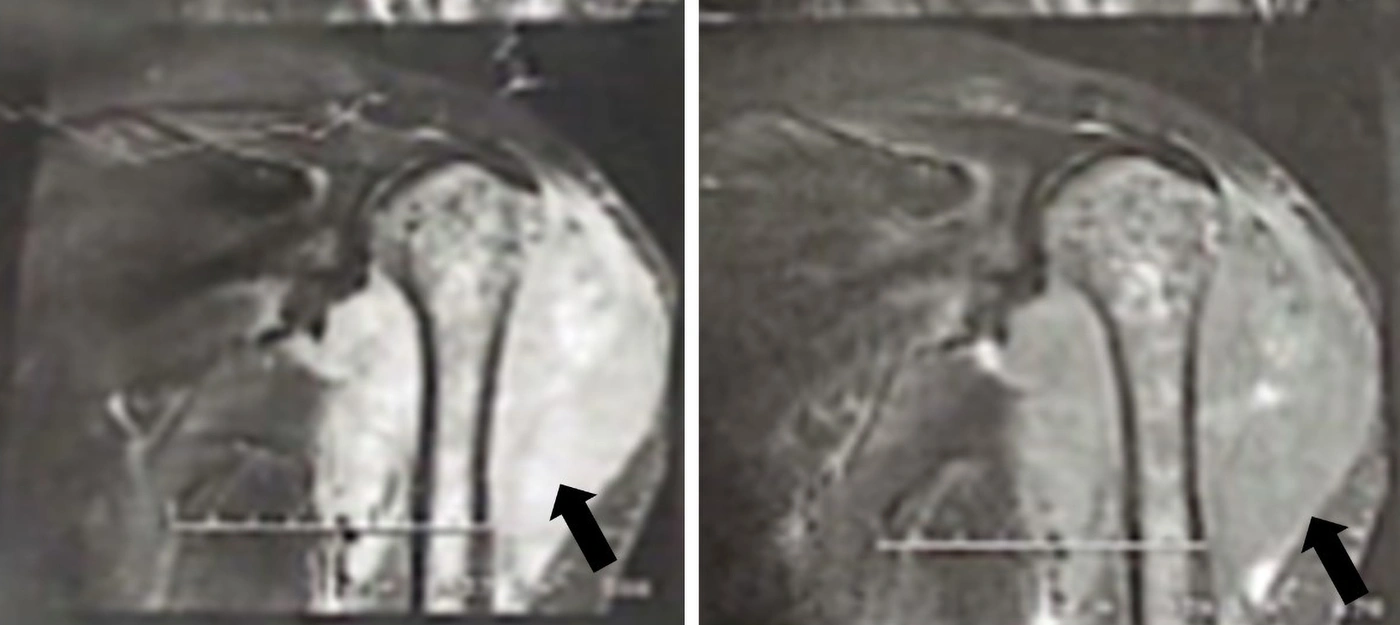
Figure 1.
T2-weighted MRI showing a large infiltrative mass with internal vasculature adjacent to the left humeral neck.
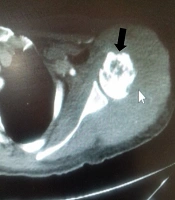
Computed tomography (CT) of the left shoulder showed a lytic lesion with soft-tissue edema, cortical bone destruction, and a pathological fracture of the left humeral neck (Figure 2). Given the aggressive potential of SS, metastatic foci were identified in regional lymph nodes in both axillary regions, with a maximum diameter of 25 mm. Chest CT showed no evidence of pulmonary metastatic disease or pleural or pericardial effusion.
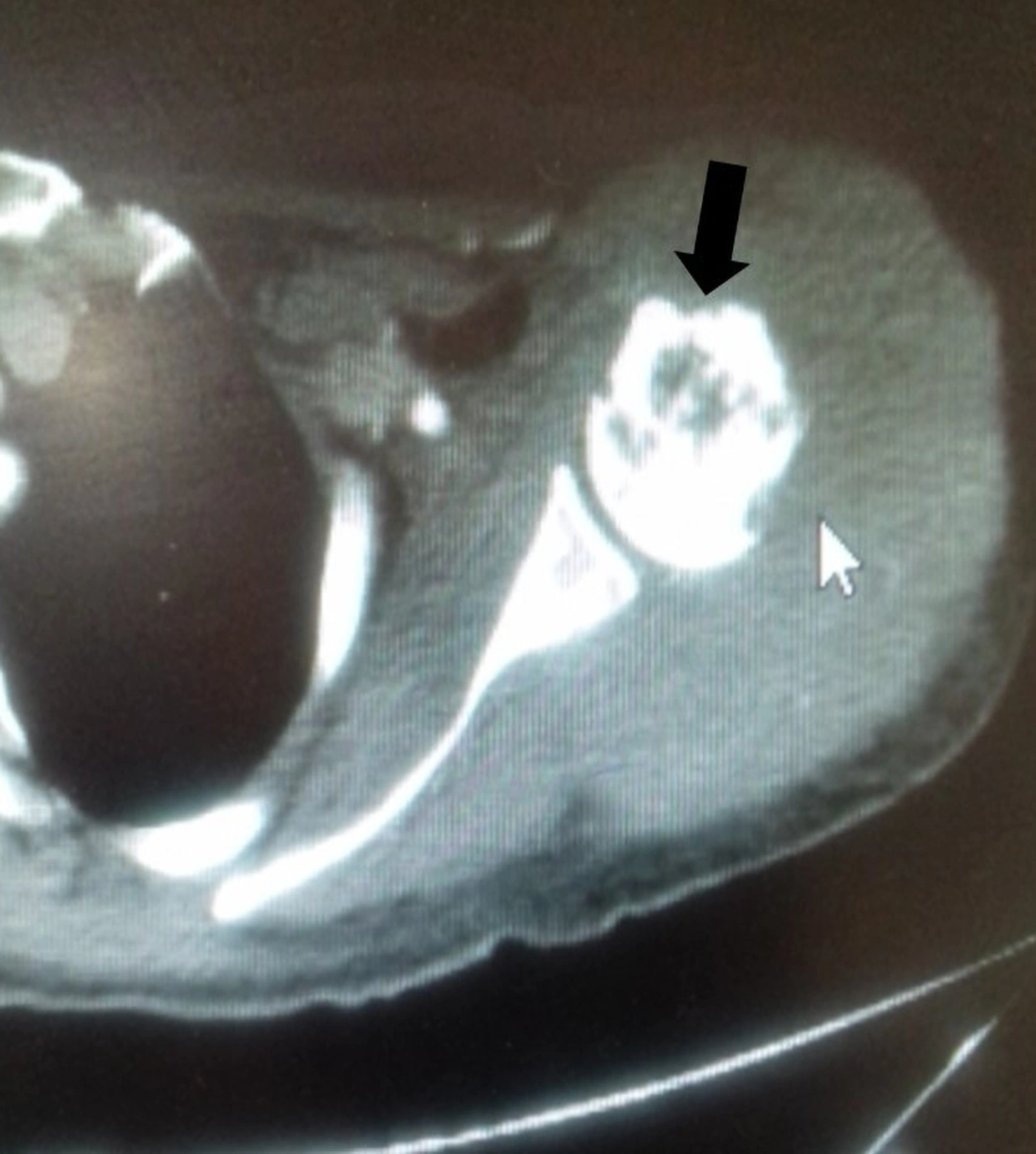
Figure 2.
CT scan showing cortical bone destruction and a pathological fracture of the left humeral neck adjacent to the large mass in the axial (transverse) plane.
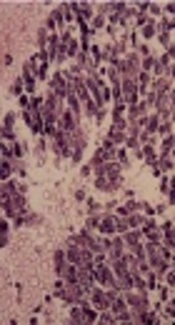
Based on these findings, the differential diagnosis included malignant fibrous histiocytoma (MFH) and other soft-tissue tumors. A core-needle biopsy of the left shoulder mass was performed for histological examination. Immunohistochemical analysis showed expression of EMA, Bcl-2, and CD99 and negative staining for the endothelial marker CD34 and the muscle marker desmin. Histopathological examination supported a diagnosis of monophasic SS based on spindle-cell morphology and expression of characteristic markers such as Bcl-2 (Table 1). One limitation of this study was the lack of molecular analysis for the SS18-SSX fusion oncogene. Differentiation of SS from MFH is aided by the SMA and desmin expression profile; MFH is positive for these markers and shows marked pleomorphism on hematoxylin and eosin staining. Bcl-2 expression, an antiapoptotic marker, may also help distinguish SS from other soft-tissue sarcomas. In addition, SS may differ from other soft-tissue sarcomas by presenting as a painful periarticular mass with a slow-growing pattern and by its greater risk of late recurrence and metastasis.
Table 1.
Pathological Analysis Supporting the Diagnosis of Synovial Sarcoma Based on Marker Expression a
| Markers | IHC Analysis |
|---|---|
| S-100 | Negative |
| SMA | Negative |
| CD34 | Negative |
| Ki-67 | Positive (about 50% - 60%) |
| Desmin | Negative |
| Vimentin | Positive |
| PAN-CK | Negative |
| Bcl-2 | Positive |
| B-Catenin | Negative |
| CD99 | Positive |
| EMA | Patchy/positive |
a Abbreviations: SMA, smooth muscle actin; PAN-CK, pan-cytokeratin; Bcl-2, B-cell lymphoma 2; EMA, epithelial membrane antigen; IHC, immunohistochemistry.
Given the very late manifestation in the contralateral region more than 16 years after the initial diagnosis, this case may represent a very late recurrence of the primary SS with spread to local lymph nodes rather than late metastasis to distant organs such as the lungs or liver. Complete amputation of the left upper limb was therefore recommended to prevent further tumor spread. However, the patient declined surgical resection and received only 8 cycles of chemotherapy with doxorubicin and ifosfamide over 18 months. Her refusal of surgery was documented after counseling, and alternative management options were explained. Nonsurgical treatment was unable to control tumor progression and invasion of other organs. Although chemotherapeutic drugs with minimal cardiotoxicity were recommended, she developed lower-extremity edema and shortness of breath and ultimately died of cardiorespiratory arrest (Figure 3).
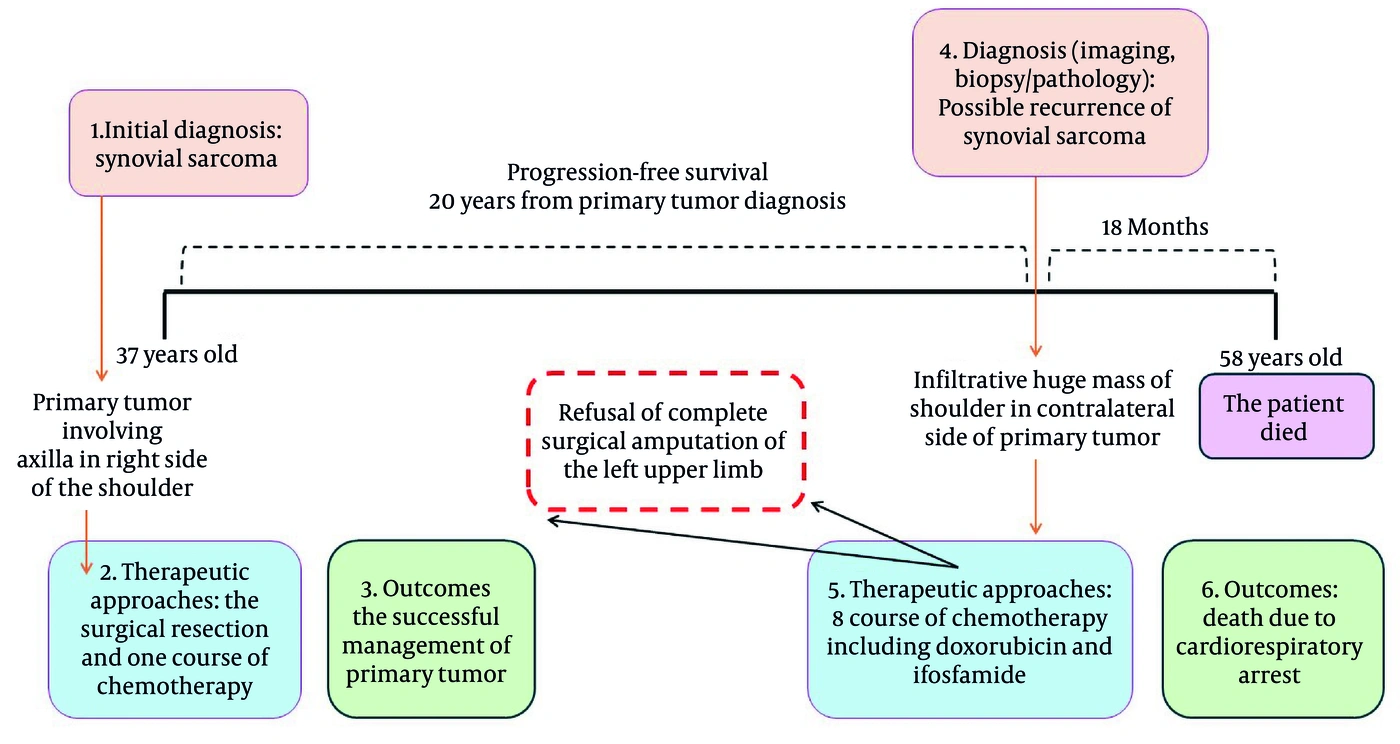
Figure 3.
Timeline of the clinical management of synovial sarcoma in a 57-year-old woman.
3. Discussion
SS is a rare, aggressive neoplasm with a poor prognosis and occurs with similar frequency in both sexes (8). The tumor may grow gradually from precursor cells of uncertain origin for months before clinical manifestations develop, potentially delaying diagnosis (9). Primary manifestations may include pain, swelling, and a palpable extremity mass, with other symptoms depending on the lesion site (10). SS can occur in soft tissue at many anatomical sites; however, the lower limbs are the most frequent sites, whereas the head and neck region, abdominal wall, mediastinum, and other organs are less common locations (11). SS is characterized by high rates of metastasis (47% - 48%) and late recurrence (24% - 29%) more than 5 years after diagnosis, both of which complicate the prognosis (12). Metastases frequently involve the lungs, lymph nodes, bones, and brain (13, 14). The principal treatment is wide surgical resection of the tumor, sometimes combined with adjuvant chemotherapy or radiotherapy for local control. In the present case, chemotherapy was initiated without surgical excision because of the patient's preference.
We present a rare Iranian case of SS involving the shoulder, a site that accounts for less than 6% of SS cases (7). The patient had been diagnosed with SS of the right axilla approximately 20 years earlier and presented at age 57 years with a possible recurrence in the left shoulder and regional lymph-node involvement. The primary axillary SS had been treated with surgical resection and 1 cycle of chemotherapy. Despite the initial response to treatment, the disease in this patient demonstrated the potential for metastasis and possible very late recurrence in the contralateral shoulder after 2 decades.
In a series of 14 patients with shoulder SS, the initial manifestations were mainly pain and a growing mass; arm swelling and weight loss were each observed in 1 patient. Primary tumors were identified at several shoulder sites, including the axilla in 50.0% of cases, the deltoid in 7.1%, and the anterior aspect of the shoulder in 7.1%, with the remaining tumors located elsewhere. All patients underwent surgical tumor resection; some subsequently received radiotherapy (n = 9) and chemotherapy (n = 9) (7).
Another reported case of shoulder SS involved a 64-year-old man who presented with pain and swelling of the right shoulder for several months. The patient had metastatic foci in regional lymph nodes and adjacent bones, including the humerus and right scapula (15). In our patient, clinical manifestations included pain, a large arm mass, swelling, reduced range of motion of the left hand, and marked weight loss over 5 months. The tumor spread to local lymph nodes without evidence of lung metastases.
SS has high rates of local recurrence and distant metastasis, which may occur from more than 1 year to beyond 10 years after diagnosis. A 12-year-old boy with biphasic SS of the scapular region developed tumor recurrence 3 months after surgical resection of a primary tumor larger than 5 cm (16). In a series of shoulder SS cases, 7 patients (42.9%) developed metastasis, including 6 with lung lesions and 1 with lymphatic spread, and recurrence occurred at a median of 17 months after the primary diagnosis. Tumor recurrence was local in 1 patient (n = 1) and regional in 1 patient (n = 1), and both patients (14.3%) developed metastatic disease. Five patients in this series died after a median of 64 months (7).
Late recurrence after 9 years has also been reported in a case of extensive shoulder SS (17). According to the literature, lung metastasis may occur within 1 year of the initial diagnosis and is notably associated with high mortality (7, 18, 19). In the present case, given the manifestation in the contralateral region more than 16 years after the initial diagnosis, the tumor may represent a very late recurrence of the primary SS with spread to local lymph nodes rather than late metastasis to distant organs.
In general, delayed diagnosis and very late recurrence or metastasis of SS contribute to poor overall survival. Patients with a history of SS should therefore be aware of unusual signs and may require follow-up for more than 15 years after primary treatment. During yearly follow-up, a detailed review of the disease history and careful physical examination may provide clinical clues for early detection of recurrence and facilitate more effective management (12). In addition to long-term follow-up, adequate treatment of the primary SS, including wide or radical rather than intralesional resection, may reduce the risk of late tumor recurrence and improve overall survival (12). Negative resection margins may also help reduce local recurrence and improve overall survival when combined with radiotherapy and chemotherapy (20).
Limitations of this report included the lack of complete clinical and follow-up data, which complicated the definitive classification of the lesion as a late recurrence of SS. In addition, the patient's refusal of amputation limited the effectiveness of adjunctive management for tumor progression. Few studies of SS involving the shoulder have been reported, and the prognostic factors associated with recurrence in this region require further investigation.