Fulltext
The full text of this article is available on PDF
Journal of Kermanshah University of Medical Sciences
Peer-reviewed Medical Quarterly
Authors
Background and objective: Malaria is endemic in the southern Iran. The disease has been controlled in most parts of Iran except in three provinces in the southeastern Iran. There is a potential for occurrence of malaria in other parts of Iran. Therefore, continuous surveillance and epidemiological studies are necessary for sporadic cases and local outbreaks.
Materials and Methods: In order to evaluate malaria situation during a twenty -year period (1980-2000), all recorded cases were analyzed. There is a systematic mode of recording and report of malaria in all provinces. All known cases were recorded in the regional health center and followed up for the source of occurrence. Therefore, an archival review can reflect the real conditions.
 Results: A total of 506 cases of malaria were analyzed (25.3 cases per year). The highest incidence per year was observed at 1994 (50 cases), and lowest incidence occurred in 1984 (5 cases). In sum, 91.1% were Plasmodium falciparum, 7.7% P. vivax, two cases mixed infection and one case P. malariae. Two cases were unidentified. Malaria had a downward trend in this region after 1994, so that only 6 cases were recorded in 2000. 62% of total were imported from southern endemic areas, 13.4% were imported from outside of the country, and only 2.96% had local transmission. The highest incidence rate was in Hamadan and Nahavand. High incidence was recorded in August (19.96%) and lower incidence in March (1.58%). Malaria was more prevalent in males(80.63%) than females, and 20-29 years age group had the highest infection rate. The majority of cases were seasonal workers.
Discussion: This survey indicated that, until 15 years after the Islamic Revolution, malaria has had a stable situation in Hamadan, and the majority of cases had been imported , type A or B. Since1994 malaria has a downward trend.
© 2003, Journal of Kermanshah University of Medical Sciences. This open-access article is available under the Creative Commons Attribution-NonCommercial 4.0 (CC BY-NC 4.0) International License (https://creativecommons.org/licenses/by-nc/4.0/), which allows for the copying and redistribution of the material only for noncommercial purposes, provided that the original work is properly cited.
Nazari N, Rezaei M, Ghadery E. The epidemiological indices of malaria in Kermanshah province (1996-2010). J Kermanshah Univ Med Sci. 2016;19(6):e69810. doi: https://doi.org/10.22110/jkums.v19i6.1899
Khammarnia M, Peyvand M, Barfar E, Setoodehzadeh F, Kargar S, et al. Outbreak of Malaria in Southern Iran-Possible Ways to Manage. Jundishapur J Microbiol. 2025;18(3):e159462. doi: https://doi.org/10.5812/jjm-159462
Saghafipour A, Noroozi M, Karami-Jooshin M, Poudat A. Epidemiological Features of Malaria in Qom Province from 2001 to 2011. Zahedan J Res Med Sci. 2012;14(8):e93286. doi:
Sargolzaie N, Salehi M, Kiani M, Hassanzehi A, Sakeni M. Malaria Epidemiology in Sistan and Balouchestan Province during. Zahedan J Res Med Sci. 2014;16(4):. doi:
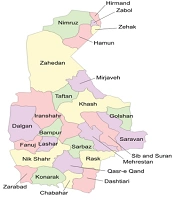
Rezaei Kahkha-Zhaleh M, Salahi D, Dabirzadeh S, Dabirzadeh M. Malaria Epidemiology in Rask City and Surrounding Areas (2020 - 2023), Southeast Iran. Jundishapur J Microbiol. 2024;17(9):e150059. doi: https://doi.org/10.5812/jjm-150059
Last Update: 3 weeks ago
Last Update: 3 weeks ago
Last Update: 3 weeks ago
Last Update: 8 hours ago
Last Update: 11 hours ago
Last Update: 4 days ago