
1. Background
Insomnia may manifest as trouble falling asleep, staying asleep or waking up early, and is accompanied by at least one daytime symptom (1), such as learning problems, daily sleepiness, or worries about not having enough sleep. Chronic insomnia leads to anxiety and a decrease in the quality of life (2). Epidemiology studies indicate that about one-third of adults have symptoms of insomnia, 10% - 15% have daytime problems associated with insomnia, and about 6% - 10% suffer insomnia (3). Insomnia seriously affects the lives of people, such that patients with insomnia suffer other problems, such as daytime fatigue and irritability (4). Insomnia can be both an isolated and a comorbid disorder with depression, bipolar disorder, anxiety (3), drug dependence (5), and drug abuse (6).
Nowadays, medication therapy is the mainstream of treatment for insomnia and improving sleep quality (7). However, there are many concerns about the long-term use of these drugs, including the risk of abuse, dependence, and adverse effects, including daytime lethargy, cognitive impairment, and reduced movement coordination (5). Despite the usefulness of psychological and behavioral treatments to cure insomnia, they are rarely used by clients because of the need for a long time and extensive efforts (8). Unlike these therapeutic approaches, music therapy lacks such limitations and complications. As a result, researchers recommend musical interventions to improve sleep disorders as they are attractive, self-administered and accessible (9). Music therapy means the use of music and its elements (rhythm, melody, harmony) by a qualified music therapist who works with a client or a group of clients. The goal of this process is to improve learning, communication and other therapeutic goals to address the social, mental, physical, emotional and cognitive needs of patients (10). Approximately 40% - 50% of people help themselves with music to improve their sleep (11). Shum et al. showed that music not only improves the quality of sleep in older adults, but also improves the quality of care among caregivers (12). Lafçi and Öztunç et al. showed that music therapy reduces sleep quality in women with breast cancer (13). Harmat et al. found that music significantly reduced the quality of sleep and depression in the intervention group, while no such effect was found in the other two groups of the auditory book intervention and the controls (14). The results of these studies showed the effects of music on the quality of sleep in different countries with different outcomes. Accordingly, as a kind of music that is specific to Iranian culture, Persian traditional music can be used to improve psychological problems, especially insomnia.
Persian traditional music has some Dastgāhs (musical modal systems) that are specific to Iranian culture such that they distinguish it from the music of other nations (15). Research has shown that every Dastgāh of Iranian music gives a special feeling to the listener. For instance, Dastgāh-e Chahārgāh is for extroversion and excitement. The feeling it expresses is quite clear and the changes in the distances are suitable for dance and exercise. Dastgāh-e Šur is for grief and sorrow, and exposes deep emotions (16).
2. Methods
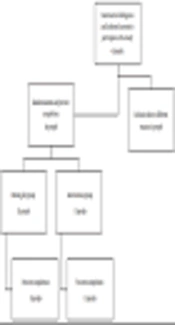
After posting announcements in the university, 41 male students with insomnia presented to Farabi Hospital’s psychiatric treatment center. One of the faculty members of the Clinical Psychology Department then conducted an individual diagnostic interview with these patients. After applying the inclusion and exclusion criteria, 30 of them entered the study. Patients were evaluated one day before and one day after the intervention. Inclusion criteria were (1) having insomnia based on the international classification of sleep disorders (ICSD2) criteria; (2) having insomnia based on the score obtained from Pittsburgh sleep quality index (PSQI) and insomnia severity index (ISI); (3) no hearing impairments; (4) no drug therapy during music therapy; (5) no substance abuse; (6) interest in Persian traditional music, and (7) informed consent to participate in the study. The exclusion criteria were (1) unwillingness to continue attending treatment sessions; (2) presence of any severe psychological disorders, and (3) participation in other psychological treatments during this treatment. Finally, after applying the inclusion and exclusion criteria, 30 patients (mean age: 27) were enrolled and randomly assigned to the intervention (N = 15) and control (N = 15) groups. All participants filled in the informed consent form before the intervention. The intervention group received 6 sessions of music therapy for 1 hour per session, while the control group was placed on the waiting list and received no treatment during this period. All participants who were not included in this study were referred for other psychological treatments (Figure 1).

Figure 1.
Flowchart of the study
This randomized clinical trial with a pre-test and post-test design and a control group was registered in the Iranian registry of clinical trials (irct2017040425817N3).
Music therapy has been divided into two categories of active and passive. In active music therapy, patients are involved in playing, singing or musical activities while in passive music therapy, patients just listen to a kind of live or recorded music (16, 17). This study used passive music therapy (Table 1).
Table 1.
Music Therapy Sessions
| Time | Music Presented | Activity |
|---|---|---|
| First fifteen minutes | Prologue | Patients were asked to remember thoughts, feelings, and memories that prevented them from falling asleep without being engaged in them. |
| Second fifteen minutes | Tasnif | Patients were asked to focus on the poem, singer’s voice, or musical sound, and to somehow link them to their emotions. |
| Third fifteen minutes | Solo | Patients were asked to close their eyes and focus on pleasant thoughts and images that induced a good feeling. |
| Last fifteen minutes | Cadence | Patients were asked to write down their thoughts and feelings |
Some previous studies used a kind of music that activated the parasympathetic system (18, 19), therefore, we used musical modes that induced calmness. Dastgāhs of Navā and Bayāt-e Esfahān were selected for therapy after consulting a number of Persian traditional music teachers, and considering the results of earlier studies on emotional and psychological states of Dastgāhs of Persian traditional music indicating that these two Dastgāhs induce the feeling of stability, tranquility, and balance (16).
The intervention took six sessions. At first, live music was performed once or twice per week for an hour for the patients in two Dastgāhs of Navā and Bayāt-e Esfahān. During each session, participants listened to live music for 45 minutes and during the last 15 minutes, they were asked to write down their feelings on paper. The instruments used for playing were setar, tar, tonbak, kamancheh, oud and daf. All of these instruments are part of the Persian traditional music culture. The intervention took place at 10:00 p.m. After each live music session, a number of audio tracks were given to the participants as homework. These songs were selected after consultation with a number of musicians, psychotherapists, and psychiatrists who worked on the treatment of insomnia. These songs were from the works of Mohammad Reza Shajarian, Parviz Meshkatian, Hossein Alizadeh, Hossein Behroozinia, Ali Pajooheshgar, Masoud Shaari, Mohammad Reza Lotfi, Faramarz Payvar, Alireza Eftekhari, Salar Aghili, Amir Motavalli, and Gholam Hossein Banan. The quality of the bed, the type of MP3 player, and the quality of the headphone that the participants used to listen to music were controlled. Participants were asked to turn off their cellphones while listening to the music. They listened to the songs between 10:00 and 11:00 p.m. A slow rhythm was used both in the live and recorded music works. Subjects were reminded through Telegram® to do their assignments every night before 9:00 p.m.
2.1. Pittsburgh Sleep Quality Index (PSQI)
PSQI examines the patient’s attitude toward sleep quality over the past four weeks (20). PSQI has seven subscales, including subjective sleep quality, sleep latency, sleep duration, habitual sleep efficiency, sleep disturbances, use of sleep medication, and daytime dysfunction. Each item is scored from 0 to 3. The scores of 0, 1, 2, and 3 indicate a normal, good, moderate and severe status, respectively. This questionnaire takes 5 - 10 minutes to fill out. The scores of the seven components that are summed to make the global score ranging from 0 to 21. Score 0 indicates no sleep problem and 21 indicates a problem in all domains (20, 21). The validity and reliability of PSQI and its sensitivity to assess sleep quality have been investigated in several studies (Cronbach’s alpha = 0.84 and correlation coefficient = 0.88) (20, 21).
2.2. Insomnia Severity Index (ISI)
ISI is a standard index that measures insomnia severity over the past two weeks with five items. Its minimum and maximum scores are 0 and 28. It was first used by Bastien et al. who reported its construct validity based on accuracy, severity, and satisfaction as 0.72 and its reliability by Cronbach’s alpha as 0.77 and 0.78 (22).
2.3. Depression, Anxiety and Stress Scales (DASS-21)
This scale has 21 items scored based on a Likert scale. The results of factor analysis showed that 68% of the total scale variance was measured by these three factors, and Cronbach’s alpha coefficient for stress, depression, and anxiety was 0.97, 0.92 and 0.95, respectively (23).
Data were analyzed in SPSS-20 software. The descriptive indices of mean and standard deviation and inferential tests of Levene’s test, independent t-test, chi square test, Kolmogorov-Smirnov test, and one-way ANCOVA were used.
Patients were briefed about the process of the study, the benefits of music therapy and its safety. They were fully aware of the intervention process. Prior to participating in the study, patients were asked to fill in the informed consent form. They were completely free to leave the study whenever they wanted to. All data were confidential. If a participant was willing to be aware of the results of the study, he would be provided with the necessary information. Finally, after the intervention and completion of the post-test, the control group received the same intervention as the intervention group. This study was approved by the Ethics Committee of Kermanshah University of Medical Sciences (kums13950758).
3. Results
Prior to covariance analysis, the assumptions of variance consistency, and normality and consistency of the data regression were performed to ensure that the test was appropriate for analysis. The results of the Levene’s test indicated the consistency of variances for the variables of insomnia index (sig = 0.276, f = 1.23), sleep quality (sig = 0.512, f = 0.442), stress (sig = 0.384), F = 1.02), depression (sig = 0.01, f = 0.972) and anxiety (sig = 0.198, f = 1.67). Also, Kolmogorov-Smirnov test showed that the distribution of data related to the severity of insomnia (sig = 0.496, Z = 0.830), sleep quality (sig = 0.228, Z = 0.989), depression (Sig = 0.220, Z = 1.05), stress (sig = 0.624, Z = 0.831), and anxiety (sig = 0.344, Z = 0.937) were normal. Subjects were 30 males, whose demographic characteristics are presented in Table 2. There was no significant difference in age and education level between the two groups (P > 0.05).
Table 2.
Demographic Characteristics of the Subjectsa
| Parameters | Experimental Group | Control Group | P Value |
|---|---|---|---|
| Age, y | 27.48 ± 3.02 | 27.12 ± 2.12 | 0.48 |
| Grade | |||
| Bachelor | 6 (40.0) | 7 (46.66) | 0.34 |
| MSc | 4 (26.67) | 4 (26.67) | 1 |
| PhD | 5 (33.33) | 4 (26.67) | 0.14 |
aValues are expressed as No. (%) unless otherwise indicated.
Table 3 presents the mean and standard deviation of the intervention and control groups. The results show that Persian traditional music has been effective on the variables of insomnia, sleep quality, and depression, but not on the variables of anxiety and stress.
Table 3.
Mean and standard Deviation of the Study Variables in Two Groups Intervention and Controla
| Intervention Group | Control Group | |||
|---|---|---|---|---|
| Pre-Test | Post-Test | Pre-Test | Post-Test | |
| ISI | 17.86 ± 1.95 | 8.91 ± 1.5 | 18.60 ± 2.58 | 19.93 ± 2.49 |
| PSQI | 11.73 ± 1.57 | 2.37 ± 4.8 | 9.73 ± 1.75 | 4.8 ± 1.37 |
| Depression | 11.80 ± 1.69 | 7.27 ± 1.22 | 12.33 ±1.71 | 12.13 ± 1.59 |
| Anxiety | 13.46 ± 1.95 | 12.66 ± 1.29 | 13.06 ± 1.49 | 13.53 ± 2.03 |
| Stress | 19.13 ± 2.19 | 18.33 ± 2.22 | 20.53 ± 3.15 | 20.86 ± 3.62 |
Abbreviations: ISI, insomnia severity index; PSQI, Pittsburgh sleep quality index.
aValues are expressed as mean ± SD.
As Table 4 shows, the results of one-way ANCOVA show that music therapy significantly improved depression, insomnia and sleep quality in the intervention group, but did not have a significant effect on anxiety and stress.
Table 4.
Effectiveness of Persian Traditional Music in the Intervention Group Based on One-Way ANCOVA on Target Variables
| Group | Variable | F | P Value | Effect Size | Statistical Power |
|---|---|---|---|---|---|
| Post-test | ISI | 116.17 | 0.001 | 0.811 | 0.92 |
| PSQI | 95.99 | 0.001 | 0.78 | 0.92 | |
| Depression | 81.59 | 0.001 | 0.752 | 0.91 | |
| Anxiety | 3.51 | 0.072 | 0.115 | 0.81 | |
| Stress | 3.03 | 0.093 | 0.101 | 0.83 |
Abbreviations: ISI, insomnia severity index; PSQI, Pittsburgh sleep quality index.
4. Discussion
The current study is the first study to examine the effectiveness of Persian traditional music on sleep quality and insomnia-related problems in male subjects with insomnia. One of the results of this study was that this type of music significantly improves insomnia and sleep quality in the intervention group compared to the control group on the waiting list. Overall, the findings of this study about the effects of music on sleep quality were similar with the findings of previous studies suggesting that music therapy improves sleep quality in people with insomnia (12, 24-26). A study by Deshmukh et al. in 2009 on the effectiveness of Indian traditional music on sleep quality showed that this kind of music could significantly improve the sleep quality in patients with insomnia (26). Also, the results of a study by Shum et al. showed that relaxing music could improve sleep quality in adults with sleep problems (12). The results of this research were consistent with previous studies due to the following reasons: (1) Sedative and relaxing music can relieve people with insomnia from ruminative thoughts, tension, and worry while sleeping. (2) Music creates a physiological sedative response in the individuals and reduces their irritability, and thus improves their quality of sleep (12). (3) Research findings also show that listening to music reduces sympathetic activity and on the other hand increases parasympathetic activity (18, 19). Finally, (4) a psychological theory states that sedative music induces relaxation in the body and reduces the amount of circulating noradrenaline that is associated with sleep and thus improves sleep problems (27, 28).
Another finding of this study indicates that music therapy can significantly improve depression in male subjects with primary insomnia. This is in line with the results of previous studies that have shown that music contributes to the reduction of depression (29, 30). The reasons explaining this finding are as follows: (1) Research has shown that the signal pathways involved in cell survival and death regulation are the long-term targets of music (29, 30). (2) Exposure to music increases the production of neurotrophins such as BDNF and nerve growth factor NGF in the hypothalamus (31). (3) Music also activates areas of the brain involved in creating rewards and excitement and is able to create intriguing responses in these areas (32).
Another finding of this study indicates that although Persian traditional music has reduced the quality of sleep and depression in men with primary insomnia, it could not reduce anxiety and stress in that population. This result is not consistent with some of the previous studies that show that music reduces stress and anxiety in patients (30, 33, 34). Since the intervention was made late at night just before sleeping, music possibly just reduced anxiety and worries while sleeping, and has not been effective in treating anxiety and stress of the patient throughout the day in general. In addition, since the main goal of this study was to treat insomnia and improve sleep quality, and the treatment of anxiety and stress was not of the main goals, the intervention has only been able to resolve sleep problems in the subjects. As a result, it had no effect on the anxiety and stress of patients.
Although the results of this study indicate the effectiveness of Persian traditional music on sleep quality and depression in men with primary insomnia, these results are subject to limitations that may hinder their generalization. First, the results of this study cannot be generalized to the female population because we did not study the effectiveness of the intervention on the female population. Second, in this study, only the effectiveness of two Dastgāhs of Persian traditional music (Navā and Bayāt-e Esfahān) was investigated and there was no intervention on the effectiveness of other Persian traditional music Dastgāhs. Finally, since this study was a primary assessment and did not have a follow-up, therapeutic recommendations could not be made about the persistence of the therapeutic effect of this kind of music over time.
Further clinical research can examine the effectiveness of this intervention on other populations, including females. Also, a comparison of this intervention with other clinical interventions can determine the specific effect of this intervention. Further studies can also examine the effectiveness of other Persian traditional music Dastgāhs.
4.1. Conclusions
This study was the first to examine the effectiveness of Persian traditional music in a sample of males with early insomnia. Music therapy with Persian traditional music is a cost-effective, self-administered treatment with no complications which can be used by the music therapists to improve sleeplessness and depression in people with insomnia. The results of this study showed that this type of music significantly improves insomnia, sleep quality and depression in patients with insomnia. Although the efficacy assessment of this study requires more research, the results of this study indicate that this intervention can be used to improve insomnia and depression associated with it in people with insomnia.