
1. Background
Chronic kidney disease (CKD) is defined as a reduction in glomerular filtration rate and/or albuminuria that persists for more than 3 months (1). An estimated 674 million people worldwide have CKD (2). Its persistently high mortality imposes a substantial economic and psychological burden on patients, families, and health care systems (3). In Iran, the number of CKD cases is projected to reach 423,300 by 2030, with incidence rates expected to rise across age groups and etiologic categories (4). Renal replacement therapies sustain patients with kidney failure, and hemodialysis is the most common modality worldwide (5). Although hemodialysis prolongs life, long-term treatment exposes patients to complications and stressors that impair physical, psychological, and social functioning and may contribute to psychological disorders (6). Comfort and well-being are among the outcomes adversely affected (7, 8). Kolcaba's Comfort Theory defines comfort as an immediate, positive experience in which individuals feel strengthened and satisfied in one or more domains: physical, psychospiritual, sociocultural, and environmental (9). Well-being may follow from comfort; greater comfort is associated with happiness, life satisfaction, and improved emotional management (10). Patients' comfort is influenced by treatment-related factors, including lengthy sessions, dietary restrictions, and dependence on dialysis machines, as well as personal characteristics such as age, sex, and comorbidities (7). Nonpharmacological interventions, particularly those targeting the sensory environment, may help alleviate these stressors. Auditory interventions, including guided imagery and music, may redirect attention from procedural discomfort, consistent with the gate control theory of sensory processing (11). They may also elicit a relaxation response and modulate autonomic activity, thereby reducing physiological stress (12). Previous studies have found that auditory stimuli can reduce anxiety and improve the emotional state of patients receiving hemodialysis (13, 14), potentially enhancing comfort and well-being. However, further research is needed to compare specific auditory approaches, including audible guided imagery (AGI) and self-selected instrumental music (SSIM), in this population. Older age and female sex have also been associated with lower comfort and well-being, potentially reflecting emotional stress, family roles, and chronic comorbidities (10, 15). Evidence links comfort-focused interventions with improved comfort among patients receiving hemodialysis (16) and highlights anxiety-management strategies as an important component of care (17-19). Improving comfort and well-being may enhance quality of life and support treatment engagement, dietary adherence, attendance at dialysis sessions, and medication adherence (16, 17).
Among the nonpharmacological and complementary approaches used in patients receiving hemodialysis, music therapy is noteworthy. Music can distract patients from distressing thoughts and direct their attention toward more positive experiences (18). Listening to personally preferred music may stimulate alpha brain waves and influence several physiological processes, including endogenous opioid and dopamine release, cortisol regulation (20, 21), increased cortical blood flow (22), and reduced heart rate and systolic blood pressure (23). These effects may reduce anxiety and improve patients' comfort and well-being (24). In Iran, only one study has examined the effect of music therapy on comfort in patients receiving hemodialysis. It reported that music therapy, a low-cost and safe nonpharmacological intervention, could improve comfort during hemodialysis by up to 30% (25). Two other studies examined music therapy and well-being in this population: one focused on psychological well-being, and the other on overall well-being in older patients receiving hemodialysis (26, 27). However, neither directly measured well-being using a dedicated instrument; instead, both assessed anxiety, stress, depression, or physiological indices and discussed their potential relationship with well-being (26, 27). Although these variables are related to well-being, they are not substitutes for its direct assessment with an appropriate instrument.
AGI is a therapeutic distraction technique that uses focused mental imagery to evoke sensory experiences and support psychological or physical well-being. It is also considered a form of meditation (28). Guided imagery may affect bodily functions through interactions between the autonomic and neuroendocrine systems, which help regulate cardiovascular, skin, and respiratory responses (28-30). It may also modulate the stress response by influencing both sympathetic and parasympathetic activity (31). During this process, arousal-related sympathetic activity and relaxation-related parasympathetic activity may move toward balance (32). By linking mental imagery, emotional memory, and physiological responses, guided imagery may reduce anxiety, improve emotional regulation, and enhance health, comfort, and well-being (33, 34). Although studies have reported beneficial effects of guided imagery on anxiety and depression in patients receiving hemodialysis, no published study has examined its effects on comfort and well-being in this population.
2. Objectives
This study aimed to compare the effects of SSIM and AGI on comfort and the well-being index in patients undergoing hemodialysis. The findings may inform nurses and other health care professionals in addressing patients’ psychological needs and supporting care and self-care. Improving comfort and well-being may also contribute to patients’ care experiences and treatment outcomes.
3. Methods
3.1. Study Design and Setting
This randomized controlled trial was conducted from January to March 2026 at Shahrvand Dialysis Center in Sari, Iran, which has approximately 340 patients. The study population consisted of eligible patients receiving hemodialysis 3 times a week. Participants were recruited consecutively using nonprobability convenience sampling, in order of admission to the department.
3.2. Sample Size
The sample size was determined based on the total comfort score. In the study by Zarurati et al., the mean ± standard deviation values for the total comfort score at the end of the third session were 35.72 ± 2.35 and 41.05 ± 3.87 in the groups, with 37 participants per group (25). Based on these values, the between-group effect size was calculated as Cohen's d = 1.66. To avoid relying on the relatively large effect observed in the previous study and to provide a more conservative basis for sample size estimation, a Cohen's f of 0.80 was assumed for the present study (35). Considering a 3-group parallel design with 3 repeated measurements (baseline, end of week 2, and end of week 4), a significance level of 0.05, statistical power of 90%, and an assumed correlation of 0.40 between repeated measurements, the required sample size was calculated using G*Power software (analysis of variance [ANOVA]: repeated measures, within-between interaction). The calculation yielded a minimum of 18 participants per group (54 participants in total). To provide an adequate margin above the calculated minimum sample size and enhance the robustness of the study, 30 participants were recruited for each group, resulting in a total sample of 90 participants. Thus, the final sample size exceeded the minimum calculated requirement. The 3 groups were allocated in an equal 1:1:1 ratio.
3.3. Randomization
Participants were allocated to the 3 groups using sex-stratified block randomization until the target sample of 90 was reached. Randomization was performed in blocks of three using Random Allocation 2 software. Participants were stratified by sex, and 30 blocks were generated: 15 for men and 15 for women. The software-generated codes were assigned as follows: A, SSIM; B, AGI; and C, control. Envelopes numbered 1 - 90 were prepared according to the randomized sequence, and the blocks were randomly ordered. After eligibility was confirmed, the envelope corresponding to the next participant was opened to determine the group assignment.
3.4. Inclusion Criteria
The inclusion criteria were as follows: receiving hemodialysis for at least 6 months and attending three sessions per week; hemodynamic stability during dialysis; age over 18 years; no other life-threatening illness; full consciousness and ability to communicate; ability to understand Persian; sufficient hearing to listen to the music and guided-imagery instructions through headphones; no history of a diagnosed psychiatric disorder; no use of psychotropic, sedative, or opioid drugs or alcohol; not being pregnant; and no use of music at home or in the ward.
3.5. Exclusion Criteria
The exclusion criteria were as follows: unwillingness to continue participation; inability to tolerate headphones for the specified duration; inability to concentrate or perform guided imagery; an adverse reaction to music or guided imagery; an acute physical problem during the study; a change in the number or duration of dialysis sessions; severe hypotension, muscle cramps, nausea, or vomiting; cardiac rhythm disturbances; severe anxiety or stress during the study; diagnosis of a psychiatric disorder; or initiation of sedative medication during the study.
3.6. Data Collection Instruments
Three instruments were used to collect data. The first was a 9-item demographic and medical information form.
The second instrument was Kolcaba's Hospice Comfort Questionnaire, which was used to assess comfort before and after the interventions. Developed by Kolcaba (36) and later translated into Persian, the questionnaire contains 24 items across 4 domains: physical (5 items; range, 5 - 30), environmental (5 items; range, 5 - 30), psychospiritual (10 items; range, 10 - 60), and social (4 items; range, 4 - 24). Responses are rated on a 6-point Likert scale, from 1 (strongly disagree) to 6 (strongly agree). The total score is reported to range from 24 to 144. Items 2, 4, 7, 11, 13, 14, 15, 18, 19, 22, 23, and 24 are reverse-scored. The questionnaire has demonstrated content and construct validity in various clinical settings (36). Previous studies have reported Cronbach's alpha coefficients of 0.65 - 0.88 among hospice and burn patients (36) and 0.75 among patients undergoing coronary artery bypass grafting. In the present study, Cronbach's alpha was 0.83.
The third instrument was the World Health Organization Five Well-Being Index (WHO-5), a 5-item measure of well-being that can also screen for depressive symptoms (37). It assesses positive mood, vitality, energy, life satisfaction, and concentration. Each item is scored from 0 (never) to 5 (all of the time). Item scores are summed (range: 0 - 25) and converted to a percentage score ranging from 0 to 100; raw scores below 13 on the 0 - 25 scale indicate low well-being (38, 39). Among 116 Iranian psychiatric patients, the WHO-5 had a Cronbach's alpha of 0.91, item-total correlations of 0.79 - 0.90, and a strong negative correlation with depression measures. It explained 73.67% of the variance, and the sample mean was 8.95 (SD = 5.49). The questionnaire takes 2 - 3 minutes to complete, requires no specialized training, and has been used to evaluate psychological interventions (38, 39). In this study, Cronbach's alpha was 0.73.
Patients completed the WHO-5 and the short form of Kolcaba's Hospice Comfort Questionnaire with assistance from a researcher at baseline (the first session of week 1) and at the end of weeks 2 and 4.
3.7. Interventions
3.7.1. Audible Guided Imagery Group
In the AGI group, 30 minutes after connection to the dialysis machine and clinical stabilization (40), the researcher, a master's student in critical care nursing, played a 20-minute audio recording through Bluetooth headphones during each dialysis session (33). Sessions were held 3 times weekly for 4 weeks (33, 41). The recording began with breathing exercises and instructions to adopt a comfortable position, followed by a guided rainforest and mountain visualization designed to promote relaxation.
3.7.2. Self-Selected Instrumental Music Group
In the SSIM group, patients chose from 49 pieces across 5 albums, selected to reflect varied preferences and cultural contexts in consultation with a music expert: 14 traditional Mazandarani pieces (“Sor o Sama”), 12 Santur pieces, 8 piano pieces, 8 violin pieces, and 7 Setar pieces. At each session, 30 minutes after connection to the dialysis machine and clinical stabilization, the researcher played the patient's selected music through Bluetooth headphones for approximately 20 minutes. Sessions took place 3 times weekly for 4 weeks (42, 43). Patients could select an album and piece for each session but could not change their choice during a session. Unlike AGI, the music intervention did not include guided breathing or relaxation preparation.
3.7.3. Control Group
The control group received standard dialysis care without additional intervention.
3.8. Data Analysis
An investigator masked to group allocation analyzed the data. Comfort was the primary outcome, and well-being was the secondary outcome. Descriptive statistics included means, standard deviations, quartiles, percentages, and frequencies. Because the Kolmogorov-Smirnov test did not support normality, nonparametric tests were used: chi-square for categorical variables, Kruskal-Wallis for between-group comparisons, Mann-Whitney for pairwise comparisons, and Friedman for within-group comparisons across time. Generalized estimating equations (GEE) were used to examine factors associated with outcomes while controlling for confounders. Analyses were conducted in SPSS version 22, with statistical significance set at P < 0.05.
3.9. Ethical Considerations
After the study was explained, willing patients provided written informed consent. They were told that participation was voluntary, would not affect their treatment, and did not require them to disclose their names. The study was approved by the Ethics Committee of Mazandaran University of Medical Sciences (IR.MAZUMS.REC.1404.345) and registered with the Iranian Registry of Clinical Trials on December 12, 2025 (IRCT20110906007494N48). After obtaining an introductory letter from the university's Vice Chancellor for Research and Technology, the researchers obtained permission from the director of Shahrvand Hemodialysis Center, Sari.
4. Results
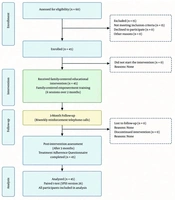
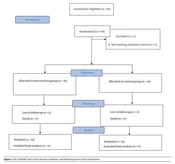
A total of 105 individuals were assessed for eligibility; 90 were randomly allocated to the 3 groups (30 per group) and included in the final analysis. A total of 15 potential participants were excluded from the study for the following reasons: two due to the use of headphones or music at home, three due to the administration of sedative medications, two due to an inability to use the headphones for the specified duration, two due to hemodynamic instability, and six due to declining to participate. The Consolidated Standards of Reporting Trials (CONSORT) flow diagram is presented in Figure 1.
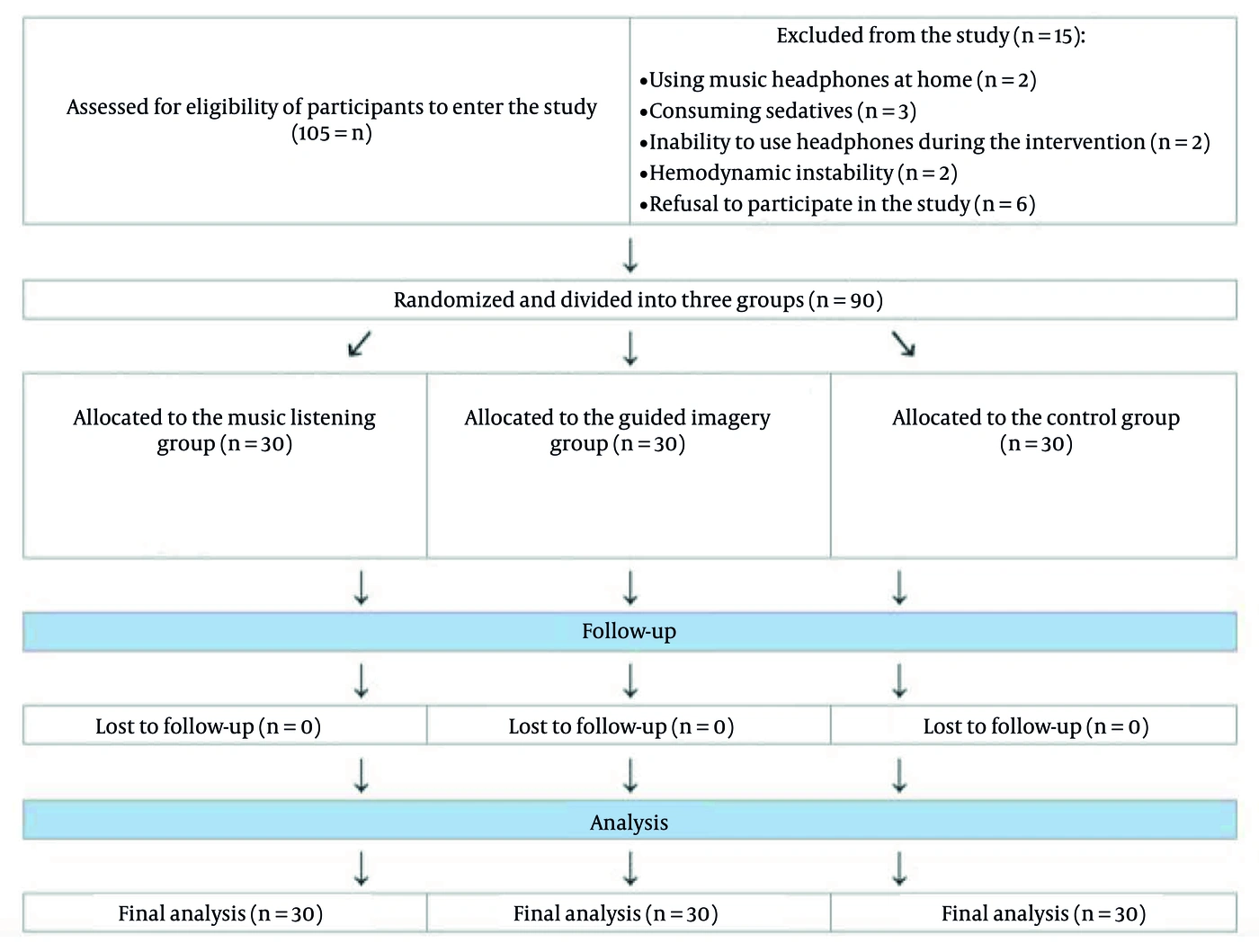
Figure 1.
CONSORT flow diagram of the study
Demographic characteristics are presented in Table 1.
Table 1.
Demographic Characteristics of Participants in the SSIM, AGI, and Control Groups a
| Variables | Control Group | SSIM Group | AGI Group | Statistical Tests and Significance |
|---|---|---|---|---|
| Gender | 0.999 b | |||
| Male | 20 (66.7) | 20 (66.7) | 20 (66.7) | |
| Female | 10 (33.3) | 10 (33.3) | 10 (33.3) | |
| Occupation | 0.275 c | |||
| Housewife | 8 (26.7) | 7 (23.3) | 5 (16.7) | |
| Employee | 5 (16.7) | 2 (6.7) | 1 (3.3) | |
| Retired | 7 (23.3) | 2 (6.7) | 8 (26.7) | |
| Self-employed | 15 (50) | 13 (43.3) | 10 (33.3) | |
| Other | 3 (10) | 1 (3.3) | 3 (10) | |
| Marital status | 0.09 c | |||
| Married | 27 (90) | 30 (100) | 25 (83.3) | |
| Single | 3 (10) | 0 (0) | 5 (16.7) | |
| Education | 0.043 b | |||
| Less than diploma | 13 (43.3) | 13 (43.3) | 4 (13.3) | |
| Diploma | 13 (43.3) | 14 (46.7) | 17 (56.7) | |
| Bachelor's degree and above | 4 (13.3) | 3 (10) | 9 (30) | |
| Diabetes | 0.046 b | |||
| No | 14 (46.7) | 7 (23.3) | 16 (53.3) | |
| Yes | 16 (53.3) | 23 (76.7) | 14 (46.7) | |
| Age (y) | 58.93 ± 14.36 | 61.40 ± 10.84 | 50.63 ± 13.94 | 0.005 d |
| Duration of hemodialysis (mo) | 41.07 ± 35.38 | 43.17 ± 30.70 | 37.67 ± 36.43 | 0.631 d |
a Values are expressed as No. (%) or mean ± SD. Abbreviations: SSIM, self-selected instrumental music; AGI, audible guided imagery; SD, standard deviation.
b Chi-square test.
c Fisher's exact test.
d Kruskal-Wallis test.
Well-being did not differ significantly among groups at baseline (P = 0.289) but was lower in the control group than in either of the intervention groups at weeks 2 and 4 (P < 0.001). Over time, well-being decreased in the control group and increased in both intervention groups; changes were significant in all groups (Friedman test; Table 2).
Table 2.
Comparison of Mean Well-Being Index and Comfort Scores (comfort score: 24 to 144; well-being index: 0 to 100) Among Hemodialysis Patients in the Control, SSIM, and AGI Groups Before the Intervention and at the Ends of Weeks 2 and 4 a
| Variables | Control Group | SSIM Group | AGI Group | Significant Difference (Kruskal-Wallis test) |
|---|---|---|---|---|
| Comfort | ||||
| Before intervention | 90.23 ± 12.84 | 93.77 ± 13.81 | 93.53 ± 13.08 | 0.594 |
| End of week 2 | 89.07 ± 10.38 | 116.90 ± 8.31 | 117.60 ± 10.47 | < 0.001 |
| End of week 4 | 87.83 ± 10.44 | 121.60 ± 7.53 | 121.90 ± 7.33 | < 0.001 |
| Significant difference (Friedman test) | P = 0.216 | P < 0.001 | P < 0.001 | - |
| Well-being index | ||||
| Before intervention | 57.33 ± 23.36 | 64.80 ± 21.49 | 65.87 ± 18.64 | 0.289 |
| End of week 2 | 49.20 ± 18.50 | 84.53 ± 9.38 | 82.93 ± 9.91 | < 0.001 |
| End of week 4 | 50.27 ± 18.66 | 86.93 ± 9.45 | 87.73 ± 10.02 | < 0.001 |
| Significant difference (Friedman test) | P = 0.038 | P < 0.001 | P < 0.001 | - |
a Values are expressed as mean ± SD. Abbreviations: SSIM, self-selected instrumental music; AGI, audible guided imagery.
Baseline comfort was comparable among groups (P = 0.594). At weeks 2 and 4, scores were lower in the control group than in either of the intervention groups (P < 0.001). Comfort increased significantly over time in the intervention groups (P < 0.001), with no significant change in the control group (Friedman test; Table 2).
A Gaussian GEE model with an identity link and a first-order autoregressive [AR(1)] working correlation structure assessed comfort across groups and over time, accounting for within-participant correlation. The initial model included group, time, the group-by-time interaction, age, education, and diabetes. The non-significant interaction was removed without materially changing the other estimates. In the final model (Table 3), group and time were significantly associated with comfort. Scores were 22.06 points higher in SSIM and 20.87 points higher in AGI than in the control group, and 15.34 and 17.93 points higher at weeks 2 and 4, respectively, than at baseline. Age, education, and diabetes were not significantly associated with comfort.
Table 3.
Factors Associated with Comfort Scores (24 to 144) in Hemodialysis Patients Using GEE Regression a
| Variables | Regression Coefficient | Standard Error | 95% CI | P value |
|---|---|---|---|---|
| Group: Control (reference) | - | |||
| SSIM | 22.06 | 2.04 | 18.05, 26.08 | < 0.001 |
| AGI | 20.87 | 2.02 | 16.91, 24.84 | < 0.001 |
| Time: Before intervention (reference) | - | |||
| Week 2 | 15.34 | 1.91 | 11.59, 19.09 | < 0.001 |
| Week 4 | 17.93 | 2.04 | 13.92, 21.94 | < 0.001 |
| Education: Less than diploma (reference) | - | |||
| Diploma | 1.06 | 1.91 | -2.68, 4.80 | 0.579 |
| University | 3.46 | 2.57 | -1.31, 7.65 | 0.178 |
| Diabetes: No (reference) | - | |||
| Yes | -0.779 | 1.64 | -3.99, 2.44 | 0.635 |
| Age | -0.38 | 0.577 | -1.51, 0.75 | 0.507 |
a Abbreviations: GEE, generalized estimating equations; SSIM, self-selected instrumental music; AGI, audible guided imagery; CI, confidence interval.
A GEE model with a linear link and an AR(1) working correlation structure assessed factors associated with well-being while adjusting for age, education, and diabetes. The non-significant group-by-time interaction was removed without materially affecting the other estimates (Table 4). Group and time were significantly associated with well-being: scores were 26.45 points higher in the self-selected music group and 24.95 points higher in the guided imagery group than in the control group, and 9.57 and 12.31 points higher at weeks 2 and 4, respectively, than at baseline. Other variables were not significant.
Table 4.
Factors Associated with the Well-Being Index (0 to 100) in Hemodialysis Patients Using GEE Regression a
| Variables | Regression Coefficient | Standard Error | 95% CI | P value |
|---|---|---|---|---|
| Group: Control (reference) | - | |||
| SSIM | 26.45 | 3.72 | 19.16, 33.73 | < 0.001 |
| AGI | 24.95 | 3.91 | 17.30, 32.61 | < 0.001 |
| Time: Before intervention (reference) | - | |||
| Week 2 | 9.57 | 2.38 | 4.90, 14.21 | < 0.001 |
| Week 4 | 12.31 | 2.44 | 7.53, 17.09 | < 0.001 |
| Education: Less than diploma (reference) | - | |||
| Diploma | 1.17 | 3.31 | -5.31, 7.65 | 0.723 |
| University | 6.99 | 4.51 | -1.84, 15.82 | 0.121 |
| Diabetes: No (reference) | - | |||
| Yes | 1.52 | 2.82 | -4.02, 7.06 | 0.590 |
| Age | -0.05 | 0.12 | -0.28, 0.18 | 0.677 |
a Abbreviations: GEE, generalized estimating equations; SSIM, self-selected instrumental music; AGI, audible guided imagery; CI, confidence interval.
5. Discussion
This randomized controlled trial compared AGI and SSIM for improving comfort and well-being in hemodialysis patients. Comfort scores were comparable at baseline but differed significantly at weeks 2 and 4, with the control group scoring lower than either intervention group. Comfort increased over time in both intervention groups, while the control group showed no significant change. These findings suggest that both interventions may improve comfort, with the greatest gains observed by week 4. No previous clinical trial was identified that compared these interventions across 3 groups of hemodialysis patients. However, a trial examining music therapy and selected vital signs in hemodialysis patients reported significantly greater improvement in overall comfort in the intervention group than in controls (25), consistent with our findings. That study provided 3 30-minute sessions, whereas the present study included 12 20-minute sessions over 4 weeks. Although the protocols differed, both studies support the potential of repeated auditory interventions to improve comfort in hemodialysis patients. Our findings also align with a Turkish clinical trial of 72 intensive care unit (ICU) patients with stroke, in which 25 - 30 minutes of specialist-selected instrumental music significantly improved general comfort compared with no music. While that study involved acute-care patients, the present results suggest that music may also benefit patients receiving chronic hemodialysis. As a low-cost, non-pharmacological intervention, music may be a practical option for supporting patient comfort across different care settings. Because no previous trial has examined guided imagery for comfort in hemodialysis patients, we compared our findings with a Turkish trial of 132 patients recovering from open-heart surgery (44). Participants were randomized to control, neuro-linguistic programming, or guided imagery groups (44 per group). On postoperative day 2, the guided imagery group received a 30-minute audio intervention. Comfort was assessed before the intervention and three days later using Kolcaba's 48-item General Comfort Questionnaire. Guided imagery improved comfort, consistent with our findings, although the present study provided more sessions (12 vs. 1).
Well-being scores were lower in the control group than in both intervention groups at weeks 2 and 4. Changes over time were significant in all 3 groups, with scores increasing in the intervention groups and decreasing in the control group. Music may improve comfort and well-being through psychological and physiological pathways (45). It may promote positive emotions and well-being (46) while reducing cortisol levels and stress responses (47).
These findings suggest that AGI may support comfort in both patients receiving chronic hemodialysis and those receiving postoperative care. Calming imagery may modulate limbic activity (12), reduce sympathetic activity, and promote parasympathetic relaxation (48). The repeated-session protocol may have contributed to the observed improvement; however, the current study did not establish that additional sessions produce greater effects. Future trials should compare intervention doses, examine combinations of imagery and music, and include longer follow-up.
We found no clinical trial specifically assessing well-being across 3 groups of hemodialysis patients. In the present study, both interventions improved well-being relative to control by approximately 35 points at week 2, and the differences persisted at week 4. Although the AGI group’s mean score was slightly higher than the SSIM group’s at week 4 (87.73 vs. 86.93), the difference was small. Both interventions may therefore produce similar short-term improvements. Music and guided imagery may influence reward-related pathways, including mesolimbic dopamine, which is associated with pleasure and well-being (49, 50); this remains a possible mechanism rather than one tested in this study.
A previous study of music therapy in patients receiving maintenance hemodialysis reported reduced depression and anxiety and greater satisfaction in the intervention group than in the control group (96.88% vs. 88.52%) (27). Although its title referred to psychological well-being, the study did not directly measure well-being using a dedicated instrument. Anxiety and depression are related to well-being but are not equivalent to it. The present study used the WHO-5 Well-Being Index to directly assess subjective well-being. This distinction matters because well-being is a positive construct and may also reflect factors such as hope (51), life satisfaction (52), and social relationships (53).
5.1. Study Limitations
Several limitations should be considered. First, assessors could not be fully blinded to group allocation because intervention-related cues, such as headphones or delivery of the script, could be noticed during questionnaire administration. Double blinding was not achievable because of the nature of the interventions and the need for direct patient interaction during data collection. These constraints are inherent to many behavioral studies in clinical settings and should be considered when interpreting our findings. We were unable to implement an attention-matched control group, as requiring patients to wear headphones without stimuli was impractical and a source of annoyance and distress for patients. Furthermore, the researcher's regular presence in the unit likely introduced a degree of social interaction, which may have acted as a nonspecific baseline attention factor across all groups. Second, multiple statistical tests were conducted without adjustment for multiplicity, potentially increasing the risk of Type I error. Third, our music intervention focused on patient-preferred audio to respect participant autonomy, rather than investigating music as a standardized therapeutic agent. Fourth, GEE models initially included group, time, their interaction, age, education, and diabetes. The group-by-time interaction was not statistically significant, and its removal did not materially change the other estimates. It was therefore excluded from the final models, which included group, time, age, education, and diabetes. Furthermore, a limitation of this study is the baseline heterogeneity in age across the study arms; specifically, the AGI group exhibited a lower mean age than the SSIM and control groups. Although age was statistically adjusted for in the GEE models, this imbalance remains a potential confounding factor that warrants caution in interpretation.
5.2. Conclusions
AGI and SSIM showed no significant difference in their effects on comfort or well-being among hemodialysis patients. Both may be considered options for supportive care, depending on available resources and cost.