
1. Introduction
Vitiligo is a chronic acquired depigmenting disorder characterized by the progressive loss of functional melanocytes. Nonsegmental vitiligo (NSV), the most common clinical subtype, can substantially impair patients’ quality of life and remains challenging to treat because of its chronic course and heterogeneous treatment response (1). Increasing evidence implicates the interferon gamma (IFN-γ)–Janus kinase (JAK)–signal transducer and activator of transcription pathway in vitiligo pathogenesis, supporting JAK inhibition as a targeted therapeutic strategy (2).
Ruxolitinib, a selective JAK1/JAK2 inhibitor, has emerged as an important treatment for NSV. In the phase 3 TRuE-V1 and TRuE-V2 trials, topical ruxolitinib 1.5% produced significantly greater facial and total-body repigmentation than vehicle, with approximately 30% of treated patients achieving an improvement of at least 75% in the facial Vitiligo Area Scoring Index (at least 75% improvement in F-VASI (F-VASI75)) at week 24. Continued treatment through week 52 was associated with further improvement, suggesting that treatment duration may influence clinical response (3, 4).
However, response to topical ruxolitinib varies considerably among patients (5, 6). Recent clinical and real-world evidence suggests that factors, including anatomical site, baseline disease characteristics, disease duration, treatment duration, and early treatment response, may contribute to this heterogeneity (3, 7). Facial lesions generally show greater repigmentation than acral lesions, whereas early response may be associated with subsequent treatment success.
Although previous systematic reviews and meta-analyses have established the overall efficacy and safety of topical ruxolitinib, they have primarily addressed whether the treatment is effective rather than which patients are most likely to respond (7). Moreover, the available evidence on potential predictors remains fragmented and heterogeneous, and a quantitative synthesis of these determinants is lacking (3, 8).
Therefore, this systematic review aimed to identify and synthesize the available evidence on patient-related, disease-related, anatomical, environmental, and treatment-related factors associated with clinical response to topical ruxolitinib in patients with NSV. Through a structured narrative synthesis, the review sought to characterize reported associations, distinguish potential predictors of treatment response from treatment effects and other clinical outcomes, and highlight evidence gaps that may inform future research and more individualized treatment decisions.
2. Methods
This systematic review and meta-analysis aimed to identify patient-related, disease-related, anatomical, and treatment-related factors associated with clinical response to topical ruxolitinib in patients with NSV. The review was reported in accordance with the Preferred Reporting Items for Systematic Reviews and Meta-Analyses (PRISMA) 2020 statement (9). The review protocol was not prospectively registered.
A systematic literature search was conducted for English-language clinical studies published from January 2022 to September 2026 and was updated in September 2026. PubMed, Scopus, Web of Science, Embase, the Cochrane Library, and Google Scholar were searched. The search strategy was adapted to the syntax of each database using Medical Subject Headings (MeSH) terms and free-text keywords. The core search strategy was:
(("Vitiligo"[MeSH] odds ratios (OR) "Nonsegmental Vitiligo" OR "Non-segmental Vitiligo" OR "Nonsegmental Vitiligo") AND ("Ruxolitinib"[MeSH] OR "Ruxolitinib Cream" OR "Topical Ruxolitinib" OR "JAK Inhibitor") AND ("Treatment Response" OR "Clinical Response" OR "Predictors" OR "Predictive Factors" OR "Prognostic Factors" OR "Repigmentation")).
The search was supplemented by screening the reference lists of relevant articles and recent reviews to identify additional eligible studies. Google Scholar records were screened using the same eligibility criteria.
Eligible studies included randomized controlled trials and prospective or retrospective clinical cohort studies that reported predictors of response to topical ruxolitinib, as well as other clinical studies that reported associations between baseline or treatment-related characteristics and response to topical ruxolitinib in patients with NSV. Studies were excluded if they involved segmental or unspecified vitiligo without separable NSV data, evaluated systemic rather than topical ruxolitinib, were case reports, conference abstracts, or reviews, or lacked sufficient data for analysis.
The primary outcome was F-VASI75, defined as an improvement of at least 75% from baseline in the facial Vitiligo Area Scoring Index at the reported follow-up assessment. Other response thresholds, measures of repigmentation, quality-of-life outcomes, treatment continuation, relapse, and long-term outcomes were treated as secondary or exploratory outcomes and summarized separately. Follow-up time points were recorded as reported in each study. Because outcome definitions and assessment times differed across studies, findings were not treated as interchangeable or combined into a single overall effect estimate.
2.1. Eligibility Criteria, Study Selection, and Data Extraction
Studies were eligible if they investigated topical ruxolitinib in patients with NSV and reported data relevant to treatment response, factors associated with response, or treatment outcomes. Studies reporting patient- or disease-level characteristics associated with response were distinguished from studies evaluating the efficacy of ruxolitinib compared with vehicle. Treatment assignment was considered an intervention contrast rather than a patient-level prognostic factor. Studies reporting outcomes other than F-VASI75, including other measures of repigmentation, quality of life, treatment continuation, relapse, or long-term response, were retained if they met the eligibility criteria and were summarized separately from the primary outcome. Study designs, outcome definitions, assessment time points, and available effect estimates were extracted and considered during the synthesis.
2.2. Statistical Analysis and Data Synthesis
A structured narrative synthesis was conducted to summarize the evidence on potential predictors of treatment response to topical ruxolitinib in patients with NSV. Given the limited number of included studies and the clinical and methodological heterogeneity in study designs, predictor definitions, outcome measures, treatment comparisons, and follow-up periods, a quantitative meta-analysis was not performed. The synthesis distinguished prognostic associations involving patient- and disease-related characteristics from intervention effects comparing topical ruxolitinib with vehicle or other treatment strategies. Treatment assignment was considered an intervention contrast rather than a patient-level prognostic factor.
Effect estimates reported in the original studies were extracted and presented according to outcome type, effect measure, comparator, and follow-up period. For dichotomous outcomes, ORs or risk ratios (RRs) with corresponding 95% confidence intervals (CIs) were recorded when available. For continuous outcomes, mean differences or standardized mean differences were extracted when reported or when the available data permitted their calculation. These effect measures were interpreted in the context of the original comparisons and were not treated as interchangeable or combined into a single overall estimate.
Treatment-response outcomes, including F-VASI50 (at least 50% improvement in the facial Vitiligo Area Scoring Index), F-VASI75 (at least 75% improvement in the facial Vitiligo Area Scoring Index), F-VASI90 (at least 90% improvement in the facial Vitiligo Area Scoring Index), Total Vitiligo Area Scoring Index thresholds of T-VASI50 (at least 50% improvement in the Total Vitiligo Area Scoring Index) and T-VASI75 (at least 75% improvement in the Total Vitiligo Area Scoring Index), and other reported measures of repigmentation, were summarized separately according to their definitions and assessment time points. F-VASI75 was treated as the primary outcome of interest for the synthesis when reported, whereas other response thresholds and clinical outcomes were considered secondary or exploratory outcomes. When a study reported multiple outcomes, follow-up assessments, or predictor estimates, the findings were presented according to their clinical relevance and interpreted in their respective contexts. Multiple estimates derived from the same study were not treated as independent observations or combined in a common pooled analysis.
The findings were organized into clinically relevant categories, including patient- and disease-related characteristics, anatomical factors, environmental and treatment-context factors, intervention comparisons, early treatment response, and longitudinal outcomes such as treatment continuation and relapse. Findings concerning prognostic factors were reported separately from treatment-versus-vehicle comparisons and other intervention effects. Outcomes such as quality of life, treatment continuation, relapse, and long-term repigmentation were also summarized separately from the primary response outcome (10).
2.3. Quality Assessment and Risk of Bias
The methodological quality and risk of bias of the included studies were independently assessed by two reviewers using tools appropriate to the study designs. The Cochrane Risk of Bias 2 (RoB 2) tool was used to assess randomized controlled trials, whereas the Newcastle–Ottawa Scale was used for eligible observational studies. Disagreements between the reviewers were resolved through consultation with a third reviewer. Assessments were conducted according to the relevant domains and criteria of each tool. The resulting judgments informed the interpretation of the findings and the overall strength of the available evidence (11).
3. Results
3.1. Study Selection and Narrative Synthesis
A total of 182 records were identified through searches of PubMed (n = 52), Scopus (n = 52), Web of Science (n = 29), the Cochrane Library (n = 7), Embase (n = 11), and Google Scholar (n = 31). After 35 duplicate records were removed, 147 records underwent title and abstract screening. Of these, 136 were excluded because they were irrelevant to the review question or did not meet the predefined eligibility criteria. The full texts of the remaining 11 reports were assessed for eligibility, and five were excluded because of an inappropriate study design, absence of relevant data on factors associated with treatment response, inadequate outcome reporting, or failure to meet the inclusion criteria. One additional eligible study was identified by screening the reference lists of relevant publications. Consequently, seven studies were included in the systematic review (Figure 1). The characteristics and principal findings of the included studies are summarized in Table 1.
Table 1.
Characteristics and Clinical Outcomes of Included Studies Investigating Topical Ruxolitinib in Nonsegmental Vitiligo a
| Study (Author, Year)/Country | Study Design | Sample Size (n) | Age (y) | Sex (F/M) | Quality Assessment | Disease Type | Baseline Disease Extent | Intervention/Control | Treatment Duration | Concomitant Treatment | Primary Outcome | Secondary Outcomes | Main Findings |
|---|---|---|---|---|---|---|---|---|---|---|---|---|---|
| Marzano et al., 2026 (12)/Italy | Multicenter retrospective cohort study | 860 | 47.4 ± 15.5 | 58.1% F / 41.9% M | 9/6 | Nonsegmental vitiligo | Mean baseline F-VASI and T-VASI were reported; among patients with available activity data, 284/607 (46.8%) had active disease | Topical ruxolitinib 1.5% cream, twice daily/None (single-arm cohort) | 24 weeks primary assessment; 52 weeks follow-up | 32/860 (3.7%) received concomitant phototherapy; 828 received ruxolitinib monotherapy | F-VASI75 and F-VASI90 at weeks 24 and 52 | T-VASI response, VNS, DLQI, VitiQoL, GAD-7, PHQ-9, adverse events, treatment discontinuation | At week 24, F-VASI75 = 18.5% and F-VASI90 = 5.7%. Among 229 patients with 52-week data, F-VASI75 increased from 29.7% to 38.4% and F-VASI90 from 4.4% to 25.8%. Active disease was associated with higher F-VASI75 at week 24 (22.5% vs 13.3%, P = 0.004). In multivariable analysis, summer treatment initiation (adjusted OR 6.7, 95% CI 2.7 - 16.8) and Koebner phenomenon (adjusted OR 1.6, 95% CI 1.04 - 2.66) were independent predictors of F-VASI75 at week 24. |
| Greco et al., 2026 (13)/Italy | Multicenter, observational, real-world study | 100 enrolled; 70 analyzed | 45.3 years (SD not reported) | 46/24 | 9/5 | Nonsegmental facial vitiligo or facial and body involvement | Facial involvement; BSA 0.5 - 10% | Ruxolitinib cream 15 mg/g (1.5%), twice daily/None | 90 days | None | Reduction in F-VASI from baseline | F-VES BSA, VES-GRADE, PhGVA, F-PaGVA, DLQI, Wood’s lamp, VISIA, RCM, LC-OCT, safety | Significant improvement in disease extent and severity. F-VES BSA: mean reduction 0.5761 (95% CI 0.4375 - 0.7146), P < 0.0001. VES-GRADE: mean reduction 0.4571 (95% CI 0.3016 - 0.6127), P < 0.0001. PhGVA: mean reduction 1.1571 (95% CI 0.9325 - 1.3818). Noninvasive imaging confirmed repigmentation and a reduction in affected areas. |
| Harris et al., 2026 (14)/USA, Canada, Europe | Randomized, double-blind, treatment-withdrawal/continuation study; TRuE-V long-term extension phase 3 | 116 (58 continuation; 58 withdrawal) | None | None | 9/7 | Nonsegmental vitiligo (NSV) | Patients who had achieved F-VASI90 at week 52 in TRuE-V1/TRuE-V2 | Ruxolitinib cream 1.5%, twice daily (continuation)/Vehicle, twice daily (treatment withdrawal) | 52 weeks (week 52 - 104) | Open-label ruxolitinib 1.5% BID rescue treatment permitted after relapse | Time to relapse, defined as falling below F-VASI75 | Time to maintain F-VASI90; VNS 4/5; change in DLQI; time to regain F-VASI75/F-VASI90 after relapse; safety | At 1 year, 84.3% of patients continuing ruxolitinib maintained F-VASI75 vs 65.0% after treatment withdrawal. Continuation reduced the risk of relapse (HR = 0.42, 95% CI 0.18 - 0.99). F-VASI90 was maintained in 73.7% vs 24.0% (Kaplan–Meier estimates). After relapse, 75% of patients in the withdrawal group regained F-VASI75 after restarting ruxolitinib, with a median of 85 days. Treatment was generally well tolerated. |
| Pandya et al., 2026 (15)/USA and Canada | Multicenter, open-label, exploratory phase 2, 2-part prospective study | 55 | Median 51.0 years (range 15 - 83) | Male 28 (50.9%) | 9/8 | Nonsegmental vitiligo; ≤ 10% total BSA; baseline F-VASI 0.94 ± 0.49; T-VASI 6.77 ± 2.11; F-BSA 1.01 ± 0.58%; T-BSA 7.14 ± 2.17%; median disease duration 8.1 years; stable 70.9%, progressive 29.1% | - | Ruxolitinib cream 1.5% BID. At week 12, patients with <T-VASI25 added NB-UVB 3 times/week/No randomized control group. Patients achieving ≥T-VASI25 at week 12 continued ruxolitinib monotherapy; patients with <T-VASI25 received ruxolitinib + NB-UVB | 48 weeks; NB-UVB added from week 12 through week 48 | - | Primary: change in T-VASI at week 48. Secondary: T-VASI50/75/90, F-VASI50/75/90, BSA, F-BSA, safety, tolerability, pharmacokinetics | - | 35/55 (63.6%) had <T-VASI25 at week 12 and entered combination therapy. Among 26 completers, T-VASI change improved from −7.9% at week 12 to −50.4% at week 48; T-VASI50 57.7%, T-VASI75 19.2%, T-VASI90 7.7%. F-VASI75 increased from 14.3% to 84.6%. Combination therapy was generally well tolerated. |
| Seneschal et al., 2025 (5)/North America and Europe | Post hoc, descriptive pooled analysis of two phase 3 RCTs (TRuE-V1/TRuE-V2) | 674 randomized; 673 safety; 661 efficacy; 449 ruxolitinib, 224 vehicle | Mean 39.5 ± 15.1 years; 12 - 17: 10.7%; 18 - 64: 82.8%; ≥ 65: 6.5% | Male 46.8%; Female 53.2% | 9/9 | NSV; mean baseline F-VASI 0.92 ± 0.56; mean T-VASI 6.69 ± 2.06; median disease duration 12.0 years; 74.1% stable and 25.9% progressive; mean F-BSA 1.02 ± 0.64% | - | Ruxolitinib cream 1.5% BID/Vehicle during first 24 weeks; patients then received ruxolitinib cream | 24-week vehicle-controlled period + 28 additional weeks; 52 weeks total | - | F-VASI75 at week 52; safety assessed by TEAEs and TRAEs | - | Among patients receiving ruxolitinib continuously, 50.3% (176/350) achieved F-VASI75 at week 52. Response was broadly consistent across age, sex, F-BSA, disease duration, disease stability, and previous treatment subgroups. Numerically higher response was observed in females (55.2% vs 43.6% in males) and patients with Fitzpatrick skin types IV–VI (57.4% vs 47.4% in types I–III). Response was lower in patients aged ≥ 65 years (36.0%) than in younger groups. |
| Wolkerstorfer et al., 2024 (16)/Netherlands | Secondary/post hoc pooled analysis of TRuE-V1/TRuE-V2 and the TRuE-V long-term extension study | Facial analysis: No response at week 24: 63; Limited response: 50. Body analysis: No response: 49; Limited response: 124. F-VASI75 analysis: 71; T-VASI50 analysis: 106 | NR | NR | 9/7 | NSV | NR; F-VASI and T-VASI were assessed | Ruxolitinib cream 1.5% twice daily (BID)/Vehicle cream during weeks 0 - 24; thereafter, all patients received ruxolitinib cream | Up to 104 weeks | NR | F-VASI and T-VASI improvement at weeks 52 and 104 according to early treatment response at week 24 | F-VASI75 at week 104 and T-VASI50 at week 104 | Patients with no or limited repigmentation at week 24 continued to show improvement with prolonged ruxolitinib treatment. Among patients with no facial repigmentation, F-VASI improvement occurred in 77.8% (49/63) at week 52 and 97.1% (34/35) at week 104. Among those with limited facial repigmentation, the corresponding rates were 64.0% (32/50) and 83.3% (30/36). Overall, 54.9% (39/71) achieved F-VASI75 at week 104. For body repigmentation, T-VASI improvement occurred in 79.6% (39/49) and 93.3% (28/30) among patients with no response, and 64.5% (80/124) and 81.6% (62/76) among those with limited response at weeks 52 and 104, respectively. Overall, 50.0% (53/106) achieved T-VASI50 at week 104. |
| Rosmarin et al., 2022 (1)/USA, Canada, Bulgaria, France, Germany, Italy, Netherlands, Poland, Spain | phase 3, randomized, double-blind, vehicle-controlled, multinational | 674 randomized (TRuE-V1: 330; TRuE-V2: 344) | TRuE-V1: 40.2 ± 15.9; TRuE-V2: 38.9 ± 14.3 | TRuE-V1: 56.4%; TRuE-V2: 50.1% | 9/5 | Nonsegmental vitiligo | ≤ 10% total BSA; ≥ 0.5% facial BSA; ≥ 3% nonfacial BSA | Ruxolitinib 1.5% cream, twice daily/Matching vehicle cream | 24 weeks double-blind; additional 28 weeks open-label | None permitted at baseline; NB-UVB not used during trial | F-VASI75 at week 24 | F-VASI50, F-VASI90, T-VASI50, VNS, change in facial BSA, F/T-VASI, DLQI/CDLQI, safety | F-VASI75 at week 24: 29.8% vs 7.4% in TRuE-V1 and 30.9% vs 11.4% in TRuE-V2 for ruxolitinib vs vehicle, respectively (P < 0.001) |
a Values are expressed as mean ± SD unless otherwise indicated. Abbreviations: BSA, body surface area; BID, twice daily; CDLQI, Children's Dermatology Life Quality Index; DLQI, Dermatology Life Quality Index; F-BSA, facial body surface area; F-PaGVA, Facial Physician-assessed Global Vitiligo Assessment; F-VASI, Facial Vitiligo Area Scoring Index; F-VASI50/75/90, at least 50%, 75%, or 90% improvement in F-VASI, respectively; F-VES BSA, Facial Vitiligo Extent Score–Body Surface Area; LC-OCT, line-field confocal optical coherence tomography; NR, not reported; PhGVA, Physician Global Vitiligo Assessment; RCM, reflectance confocal microscopy; T-VASI, Total Vitiligo Area Scoring Index; T-VASI50/75/90, at least 50%, 75%, or 90% improvement in T-VASI, respectively; TEAEs, treatment-emergent adverse events; TRAEs, treatment-related adverse events; VES-GRADE, Vitiligo Extent Score–Global Assessment; VISIA, VISIA complexion analysis system; VitiQoL, Vitiligo-specific Quality of Life; VNS, Vitiligo Noticeability Scale. Wood's lamp refers to an ultraviolet examination lamp used for clinical assessment of vitiligo.
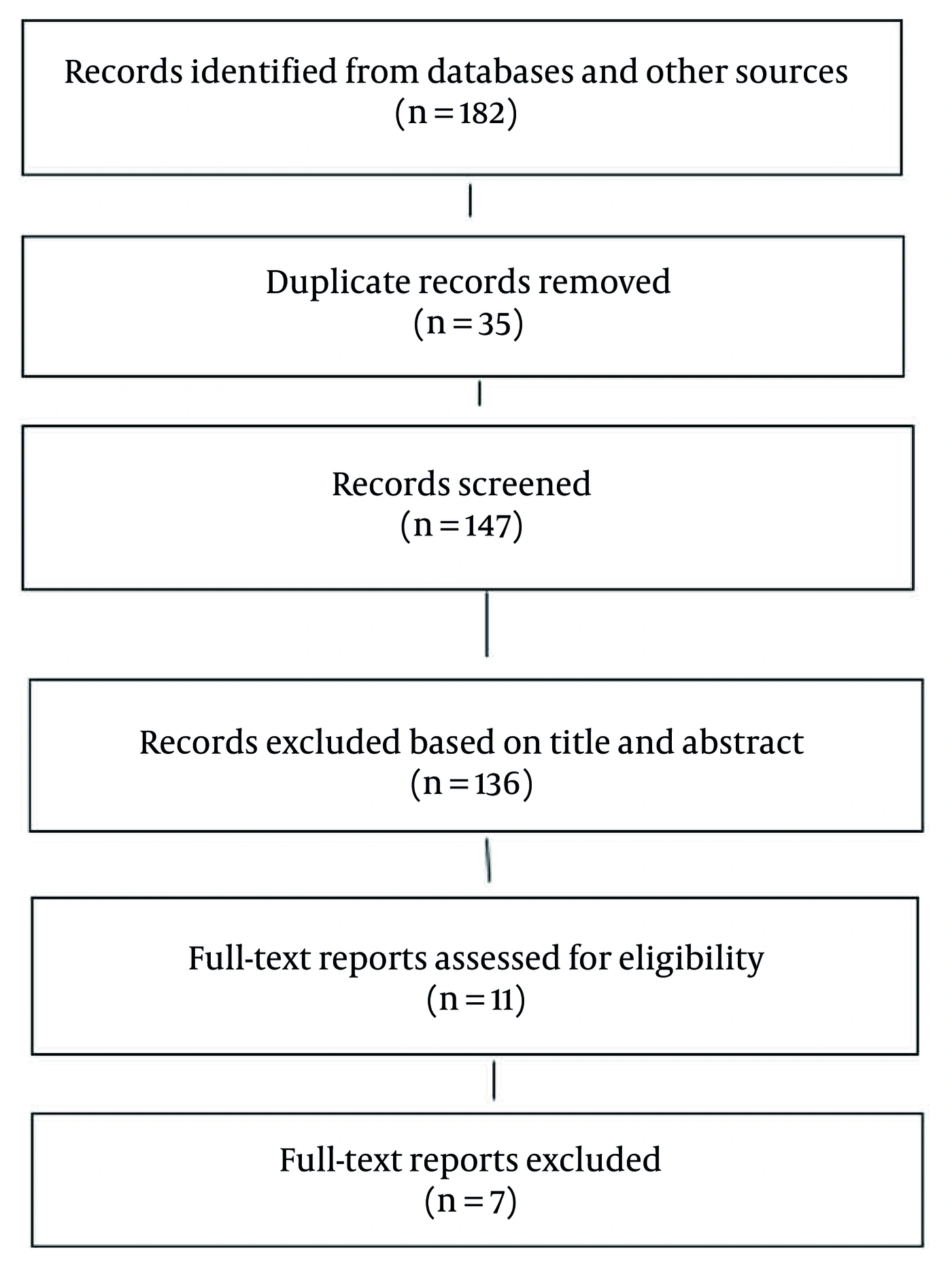
Figure 1.
PRISMA flow diagram of study identification, screening, eligibility assessment, and inclusion.
The findings were synthesized narratively and organized according to the clinical meaning of the reported associations. The synthesis covered patient- and disease-related factors, environmental and treatment-context factors, treatment-versus-vehicle comparisons, clinical and quality-of-life outcomes, treatment continuation and relapse, and early treatment response as a potential predictor of longer-term outcomes. Findings were interpreted in the context of each study’s design, population, outcome definition, comparator, and assessment time.
The included studies reported different types of estimates, including ORs and hazard ratios (HRs), and assessed outcomes using different clinical measures and at different follow-up time points. These estimates were therefore described separately and were not treated as directly comparable measures of a single effect. Effect estimates and their corresponding 95% CIs were presented as reported in the original publications when available. The narrative synthesis distinguished associations with treatment response from direct treatment effects and outcomes occurring after treatment initiation, such as treatment continuation or relapse. The findings are presented in Table 2.
Table 2.
Clinical Classification and Summary of Reported Predictors, Treatment Comparisons, and Clinical Outcomes Associated with Response to Topical Ruxolitinib in Nonsegmental Vitiligo a
| Clinical Categories | Original Row | Study | Predictor or Comparison | Comparator | Outcome | Assessment Time | Effect Estimate |
|---|---|---|---|---|---|---|---|
| Patient- and disease-related factors | 1 | Marzano | Disease activity | Active vs stable | F-VASI75 | week 24 | OR 1.89 (1.22 - 2.92) |
| 3 | Marzano | Koebner phenomenon | Present vs absent | F-VASI75 | week 24 | OR 1.60 (1.04 - 2.66) | |
| 11 | Seneschal | Facial involvement (F-BSA) | < 1.5% vs ≥ 1.5% | F-VASI75 | week 52 | OR 0.78 (0.46 - 1.34) | |
| 12 | Seneschal | Disease duration | < 10 years vs > 20 years | F-VASI75 | week 52 | OR 1.10 (0.66 - 1.83) | |
| 13 | Seneschal | Disease activity | Stable vs progressive | F-VASI75 | week 52 | OR 0.88 (0.55 - 1.41) | |
| 14 | Seneschal | Previous treatment | Treatment-naïve vs previously treated | F-VASI75 | week 52 | OR 0.87 (0.56 - 1.34) | |
| 15 | Seneschal | Sex | Female vs male | F-VASI75 | week 52 | OR 1.59 (1.04 - 2.44) | |
| 16 | Seneschal | Fitzpatrick skin type | IV–VI vs I–III | F-VASI75 | week 52 | OR 1.50 (0.94 - 2.39) | |
| 17 | Seneschal | Age group | ≥ 65 vs 18 - 64 years | F-VASI75 | week 52 | OR 0.52 (0.22 - 1.22) | |
| 18 | Seneschal | Age group | 12 - 17 vs 18 - 64 years | F-VASI75 | week 52 | OR 0.85 (0.47 - 1.56) | |
| Environmental and treatment-context factors | 2 | Marzano | Season of treatment initiation | Summer vs winter | F-VASI75 | week 24 | OR 3.20 (1.70 - 6.00) |
| Treatment comparisons | 10 | Pandya | Ruxolitinib plus NB-UVB vs ruxolitinib monotherapy | Combination therapy vs monotherapy | F-VASI75 | week 48 | OR 0.45 (0.02 - 10.93) |
| 21 | Rosmarin | Ruxolitinib cream vs vehicle | Active treatment vs vehicle | F-VASI75 | week 24 | OR 5.28 (2.39 - 11.67) | |
| Clinical outcomes | 4 | Greco | Change in F-VES BSA | Baseline vs day 90 | Mean reduction in F-VES BSA | day 90 | Mean reduction 0.5761; P < 0.0001 |
| 5 | Greco | Change in VES-GRADE | Baseline vs day 90 | Mean reduction in VES-GRADE | day 90 | Mean reduction 0.4571; P < 0.0001 | |
| 6 | Greco | Change in Physician Global Vitiligo Assessment (PhGVA) | Baseline vs day 90 | Mean reduction in PhGVA | day 90 | Mean reduction 1.1571; P < 0.0001 | |
| 7 | Greco | Change in F-VASI | Baseline vs day 90 | Mean reduction in F-VASI | day 90 | Mean reduction 0.9871; SD 0.5030; P < 0.0001 | |
| Quality-of-life outcomes | 8 | Greco | Change in DLQI | Baseline vs day 90 | Mean reduction in DLQI | day 90 | Mean reduction 3.1143; P < 0.0001 |
| Treatment continuation and relapse | 9 | Harris | Treatment continuation vs withdrawal | Ruxolitinib continuation vs vehicle withdrawal | Time to relapse (loss of F-VASI75 response) | Through week 104 | HR 0.42 (0.18 - 0.99) |
| Early response and long-term outcomes | 19 | Wolkerstorfer | Facial repigmentation at week 24 | No repigmentation vs limited repigmentation | Any F-VASI improvement | week 104 | 97.1% vs 83.3%; OR not verified |
| 20 | Wolkerstorfer | Total-body repigmentation at week 24 | No repigmentation vs limited repigmentation | Any T-VASI improvement | week 104 | 93.3% vs 81.6%; OR not verified |
a This table presents a structured narrative summary of the reported findings. Estimates addressing different clinical questions, outcome definitions, or follow-up periods were reported separately and were not combined into a single pooled estimate. Multiple estimates from the same study were interpreted within their respective clinical contexts rather than treated as independent observations in a common pooled analysis. Mean changes, odds ratios, hazard ratios, and descriptive response proportions are not interchangeable. The Greco findings are presented as changes in clinical or quality-of-life measures rather than odds ratios. The Wolkerstorfer percentages refer to any improvement in F-VASI or T-VASI, not necessarily achievement of F-VASI75 or T-VASI75. Abbreviations: BSA, body surface area; BID, twice daily; CDLQI, Children's Dermatology Life Quality Index; DLQI, Dermatology Life Quality Index; F-BSA, facial body surface area; F-PaGVA, Facial Physician-assessed Global Vitiligo Assessment; F-VASI, Facial Vitiligo Area Scoring Index; F-VASI50/75/90, at least 50%, 75%, or 90% improvement in F-VASI, respectively; F-VES BSA, Facial Vitiligo Extent Score–Body Surface Area; LC-OCT, line-field confocal optical coherence tomography; NR, not reported; PhGVA, Physician Global Vitiligo Assessment; RCM, reflectance confocal microscopy; T-VASI, Total Vitiligo Area Scoring Index; T-VASI50/75/90, at least 50%, 75%, or 90% improvement in T-VASI, respectively; TEAEs, treatment-emergent adverse events; TRAEs, treatment-related adverse events; VES-GRADE, Vitiligo Extent Score–Global Assessment; VISIA, VISIA complexion analysis system; VitiQoL, Vitiligo-specific Quality of Life; VNS, Vitiligo Noticeability Scale. Wood's lamp refers to an ultraviolet examination lamp used for clinical assessment of vitiligo.
4. Discussion
The findings were interpreted according to the specific clinical questions addressed by each study. Prognostic associations involving patient- or disease-level characteristics were distinguished from intervention effects comparing topical ruxolitinib with vehicle. In addition, findings for F-VASI75 were distinguished from other measures of repigmentation, quality of life, treatment continuation, relapse, and long-term outcomes. Differences in outcome definitions and follow-up periods limited direct comparisons across studies. Therefore, the findings should be interpreted as a structured summary of the available evidence rather than as a single quantitative estimate of treatment response or a definitive ranking of prognostic factors. This interpretation is consistent with the broader vitiligo literature, in which treatment response is recognized as a multifactorial phenomenon influenced by anatomical location, disease activity, duration, baseline extent, and therapeutic exposure. In particular, facial lesions generally demonstrate greater repigmentation potential than acral or other anatomically resistant areas, emphasizing the importance of distinguishing facial outcomes such as Facial Vitiligo Area Scoring Index (F-VASI) from global measures of disease burden (7).
Several individual associations in the present analysis are clinically noteworthy. Treatment initiation during summer was associated with substantially higher odds of achieving F-VASI75 than initiation during winter, while the presence of the Koebner phenomenon and greater disease activity were also associated with response (8). These findings should be interpreted in the context of the biological complexity of vitiligo rather than as evidence of simple causal relationships (17). Seasonal variation may reflect differences in ultraviolet exposure, phototherapy opportunities, behavioral factors, or interactions between treatment and melanocyte stimulation (5). The associations of Koebnerization and disease activity with treatment response are particularly complex because these characteristics may capture different dimensions of disease biology and stability (12). Recent real-world evidence from a large cohort of patients treated with ruxolitinib similarly identified summer treatment initiation and the Koebner phenomenon as independent predictors of F-VASI75 at 24 weeks. This finding supports the biological and clinical relevance of these observations while also indicating that such associations require prospective validation (1). Conversely, demographic variables such as age, sex, and Fitzpatrick skin type showed less consistent associations across the available estimates (18). This is broadly compatible with pooled phase 3 data suggesting that clinically meaningful responses to ruxolitinib can occur across demographic and disease-characteristic subgroups, although individual studies may identify statistically significant associations in particular populations (19).
The treatment-related findings provide additional support for the importance of therapeutic context. Ruxolitinib treatment was associated with substantially higher odds of achieving F-VASI75 than vehicle, consistent with randomized evidence demonstrating superior facial repigmentation with topical ruxolitinib. Independent systematic reviews and meta-analyses have likewise reported a greater likelihood of achieving F-VASI75 with ruxolitinib or other JAK inhibitors than with vehicle or control treatments (20). The exploratory subgroup analysis further suggested that treatment-related and contextual factors had a larger pooled effect than disease- and patient-related factors, and the between-subgroup comparison was statistically significant. The corresponding exploratory meta-regression similarly indicated larger effect estimates for treatment-related and contextual factors. Nevertheless, these findings should not be interpreted as definitive evidence that treatment characteristics are inherently more important than patient characteristics (21). The treatment-related subgroup contained only three estimates, and several estimates across the overall dataset originated from the same underlying studies. Furthermore, combination approaches, such as ruxolitinib combined with narrowband ultraviolet B, remain an evolving area of investigation. Recent prospective data suggest potential benefit, particularly among patients with an inadequate early response to ruxolitinib monotherapy, but the optimal sequencing and patient selection remain uncertain (22).
From a methodological perspective, the substantial heterogeneity and exploratory nature of the subgroup and meta-regression analyses warrant particular caution. The estimates included in this synthesis differed in predictor definition, comparator, follow-up duration, and, in some cases, outcome definition. Consequently, the overall pooled estimate is best regarded as an exploratory summary rather than a definitive measure of a common underlying effect (23). This issue is especially relevant because multiple estimates were derived from the same studies, violating the assumption that all effect estimates are statistically independent. Publication bias should also be interpreted cautiously. Although the Begg test did not identify statistically significant evidence of small-study effects, only four independent studies were available for the F-VASI75 outcome, making formal tests for funnel plot asymmetry substantially underpowered (24). Methodological literature emphasizes that funnel plot asymmetry is not synonymous with publication bias and can arise from heterogeneity, differences in study precision, or other small-study effects (25). Therefore, the absence of a statistically significant Begg test should not be interpreted as evidence that publication bias has been excluded. Future studies should use standardized response definitions, prospectively evaluate clinically plausible predictors, and recruit sufficiently large independent cohorts to permit robust multivariable modeling and validation of predictive factors. Overall, the present findings support a personalized approach to vitiligo management in which treatment selection and expectations are informed by disease activity, anatomical characteristics, treatment context, and early therapeutic response, while recognizing that the current evidence remains insufficient to establish a single reliable predictor of F-VASI75 across all patients.
4.1. Limitations
This systematic review has several limitations. First, the number of included studies was relatively small, limiting the breadth and certainty of the available evidence. Second, the included studies varied in design, patient population, clinical characteristics, outcome definitions, comparators, and follow-up periods, limiting direct comparisons across studies. Third, the factors investigated and methods used to assess treatment response were inconsistent across studies, and some potential predictors were evaluated in only a limited number of reports. Consequently, the strength and consistency of the evidence for individual factors could not always be established. Fourth, some reported associations were derived from post hoc analyses or observational data and should therefore be interpreted cautiously because they do not necessarily establish independent predictive effects or causal relationships. Furthermore, treatment effects, potential predictors of response, and post-treatment outcomes, such as treatment continuation and relapse, represent distinct clinical concepts that cannot be interpreted interchangeably. Finally, the review was limited by the information reported in the original publications, and incomplete or inconsistent reporting may have restricted the assessment of certain factors. These limitations should be considered when interpreting the findings and highlight the need for larger, well-designed prospective studies using standardized response measures and follow-up periods to validate clinically relevant predictors of response to topical ruxolitinib in NSV.
4.2. Conclusions
This systematic review summarizes the available evidence on factors associated with clinical response to topical ruxolitinib in patients with NSV. The findings suggest that treatment response may be associated with a range of patient-related, disease-related, anatomical, environmental, and treatment-context factors. However, differences in study designs, outcome measures, follow-up periods, and analytical approaches limit the comparability of findings and preclude definitive conclusions regarding the independent predictive value of individual factors. The available evidence should therefore be interpreted cautiously, and reported associations should not be assumed to represent causal relationships. Further well-designed prospective studies using standardized outcome measures and consistent follow-up periods are needed to validate potential predictors of treatment response and clarify their clinical relevance. Such evidence may ultimately support more individualized treatment strategies and improve decision-making for patients with NSV receiving topical ruxolitinib.