
1. Background
Student migration has emerged as a pivotal trend within the migration sector over the last few decades (1). In the current era, the decision to migrate is heavily influenced by various historical and societal developments, making it a critical choice for many individuals (2). Mental and psychological challenges among immigrants are not novel, but with the increasing influx of immigrants in recent years, these concerns have become widely recognized (3).
The latest statistics from the United Nations in 2019 highlighted a significant rise in the number of Iranian international immigrants between 2017 and 2019. Iranian immigrants have dispersed across several destination countries, including Canada, Australia, the United States, and numerous European nations. Notably, Canada is the second most popular destination for Iranian immigrants, following the United States. This migration trend is particularly evident among graduates, especially Iranian students, who have increasingly sought opportunities abroad in recent years (4).
Upon relocating to foreign countries, students often experience anxiety, which can stem from a variety of sources, such as cultural and linguistic differences, separation from family, and financial challenges. This anxiety can adversely affect their psychological well-being (5).
Anxiety is a pervasive feeling of discomfort often accompanied by symptoms related to the autonomic nervous system (6). Evolutionary biologists suggest that anxiety is a trait that evolved early in human history, serving as a mechanism for individuals to remain alert to various threats. During those times, being vigilant could often mean the difference between life and death (7).
Today, anxiety is understood as a “fight or flight” response, essentially serving as a warning system triggered by the central nervous system (CNS) in response to threats, danger, or unexpected situations (8). Although encounters with wild animals are less common now than in the past, modern societies still face significant external pressures (9). Individuals with anxiety tend to perceive more environmental risks compared to those without, leading to increased conflict and exposure to hazards that intensify their anxiety (10).
Individual differences in behavior are often attributed to the behavioral activation and inhibition systems, with each system eliciting distinct responses (11). Gray identified the behavioral inhibition system (BIS), the behavioral activation system (BAS), and the fight, flight, and freeze system (FFFS) as key brain-behavioral systems (12).
Research indicates that the likelihood and intensity of anxiety symptoms increase with either a high sensitivity level of the brain's BIS or a low sensitivity level of the BAS. The activation of the BIS is particularly critical in the development and intensification of a person's anxiety (13, 14). High BIS sensitivity is associated with increased reactivity to negative events, and it is linked to anxiety and depression (15, 16).
Cognitive flexibility is also related to anxiety among immigrants (17). It refers to the ability to alter mental processes in response to changing environmental stimuli—essentially, the capacity to change one's perspective or adapt to new rules, demands, or environmental conditions (18). This ability is considered a potential mechanism related to anxiety (19), where individuals capable of flexible thinking use alternative reasoning, embrace challenging situations, and exhibit greater psychological resilience than those who lack this capability (20). Given these considerations, exploring this aspect in immigrants is crucial, as they constantly encounter new situations and must adapt to the culture of their new country, which can be a significant source of stress.
Social anxiety is linked to brain-behavior systems and emotions (21). An evaluation of the anxiety and quality of life among Iranians undergoing immigration during the COVID-19 epidemic in 2019 revealed that both anxiety levels and quality of life were average among the clientele of a travel agency (22). Research on children's depression and social anxiety in relation to their mothers' cognitive flexibility discovered a significant association between depression, social anxiety, and the mothers' cognitive flexibility. This flexibility enables mothers to perceive challenging situations as manageable and to devise alternative solutions, whereas a lack of responsiveness to their children is connected with the children's feelings of sadness and anxiety (23).
Sensory processing fundamentally influences how individuals perceive and react to environmental stimuli (24). Sensory impairments can interfere with people's ability to perform various daily activities (25). Individuals with anxiety are more sensitive to threatening information and possess a heightened cognitive ability to process such information compared to those without anxiety (26). Moreover, studies have shown that people with high levels of sensory processing sensitivity may be more inclined to disregard environmental stimuli and avoid social scenarios that provoke strong emotions (27).
Despite the abundance of research on the connections between brain-behavioral systems, cognitive flexibility, sensory processing, and anxiety, there has been a lack of investigation into how these variables relate to immigration. This study aims to explore the potential relationship between the brain-behavior system, cognitive flexibility, sensory processing, and the anxiety experienced by Iranian immigrant students in Canada.
2. Objectives
The importance of this research lies in its focus on the unique experiences and challenges encountered by Iranian immigrant students as they navigate their academic journey in a foreign country. The study sought to shed light on these experiences, aiming to provide insights that could help educational institutions, policymakers, and mental health professionals devise effective strategies to enhance the well-being of immigrant students. These strategies are intended to support their successful integration into both the academic and social spheres of the host country. The outcomes of this research may guide the creation of specialized support and intervention programs aimed at addressing anxiety-related challenges, thereby improving the academic performance and emotional well-being of immigrant students in Canada.
3. Methods
3.1. Study Design
This cross-sectional study was designed to explore the connections between the brain-behavior system, cognitive flexibility, sensory processing, and the anxiety levels of Iranian immigrant students aged 25 to 35 residing in both Canada and Iran.
3.2. Study Period
Data collection spanned six months, from August 2022 to January 2023, providing a sufficient timeframe to gather an adequate sample size and conduct thorough data analysis.
3.3. Study Population
The study's participant pool consisted of 400 Iranian students aged 25 to 35 who were actively pursuing their education at universities in Canada and Iran.
Inclusion criteria for the study were Iranian nationality, being aged between 25 and 35 years, current enrollment in a university program, possession of a study-abroad visa, and submission of necessary documentation to the group administrator via Telegram. The exclusion criteria included any inability or refusal to give informed consent, along with any medical or psychological conditions that could potentially impact the study's procedures or the reliability of its data.
3.4. Sampling Method
A stratified random sampling technique was utilized to guarantee representation from various educational levels and geographic locations adequately. The participant pool was divided based on educational level (master’s, undergraduate, and doctorate) and geographic location (Iran and Canada). Participants within each category were randomly selected using a random number generator, ensuring an unbiased cross-section of the study population.
3.5. Sample Size Calculation
The sample size was determined by G-power software, referencing a prior study by Aubi et al. (28), which explored the correlation between anxiety and the behavioral inhibition system (r = 0.336) among students. Despite the software recommending a minimum sample size of 34, we conducted the study with two groups of 200 participants each to differentiate between immigrant and non-immigrant students. We adopted a conservative strategy to ensure the sample size was sufficiently large to account for potential variability within the population and to yield dependable results.
For the t-test correlation, we applied the point-biserial correlation.
Analysis involved:
- A priori computation of the necessary sample size.
Input parameters included:
- Tail(s): Two
- Effect size |ρ|: 0.5796551
- α error probability: 0.05
- Power (1-β error probability): 0.95
The output indicated:
- Noncentrality parameter δ: 3.7641303
- Critical t: 2.0555294
- Degrees of freedom (Df): 26
- Total sample size: 28
- Actual power: 0.9517260
Considering a 20% drop rate, this leads to an N of 34.
3.6. Data Collection Tool and Technique
Data for this study were collected using four questionnaires distributed in a Telegram group established specifically to gather information on visa acceptance. This group comprised approximately 43 000 members, all potential participants. The questionnaires targeted individuals who fulfilled the predetermined inclusion criteria and had submitted the necessary visa and enrollment documents via Telegram to the study's administrator. Participants were asked to complete the questionnaires within a set timeframe and to submit their responses through the Telegram platform. Table 1 summarizes the demographic and background characteristics of the study population.
Table 1.
Demographic and Background Characteristics of the Subjects
| Characteristics | Values a |
|---|---|
| Age (y) | 29.02 ± 3.759 |
| Education | |
| Bachelor’s degree | 95 (23. 8) |
| Master of Science | 236 (59) |
| Doctor of philosophy | 69 (17.3) |
| Location | |
| Iran | 200 (50) |
| Canada | 200 (50) |
a Values are expressed as No. (%) unless otherwise indicated.
3.6.1. Behavioral Activation/Inhibition Systems
The BAS/BIS scale, developed by Carver and White based on Gray's hypothesis (29), comprises 20 items rated on a four-point Likert scale. This scale evaluates two systems: The BIS, with seven items, and BAS, with thirteen items related to reward responsiveness, motivation, and pleasure. The internal consistency coefficients for the BIS scale and the three BAS subscales ranged from 0.66 to 0.76. Test-retest reliabilities for these were reported as 0.66, 0.66, 0.59, and 0.69, respectively. The Persian version of the BAS/BIS scale reported Cronbach's alpha coefficients of 0.66 for BIS and 0.86 for BAS (30).
3.6.2. Cognitive Flexibility Inventory
The Cognitive Flexibility Inventory (CFI), developed by Dennis and Vander Wal, is designed to evaluate an individual's capacity to generate acceptable, compatible, and alternative thoughts in challenging situations. It includes 20 items and assesses three main factors: The inclination to view difficult situations as controllable, the skill to identify alternative solutions to life situations and human behaviors, and the ability to produce multiple solutions to challenging problems. The assessment uses a 5-point Likert scale, ranging from 1 (not at all appropriate) to 5 (completely appropriate), with each subscale containing ten items (18). The Persian version of the CFI has shown high internal consistency, with a Cronbach's alpha coefficient of 0.90, and acceptable test-retest reliability, with a coefficient of 0.71 (31).
3.6.3. The Adolescent/Adult Sensory Profile
The adolescent/adult sensory profile (AASP) is a self-assessment tool that measures individuals' behavioral responses to sensory events. This instrument includes 60 items that ask questions pertaining to each sensory system, evenly distributed across four quadrants: Low registration, sensation seeking, sensory sensitivity, and sensation avoidance. These quadrants represent different sensory processing styles. Participants indicate the frequency of their responses to sensory experiences on a five-point Likert scale, which ranges from 1 (almost never) to 5 (almost always). The final score for each quadrant varies from 5 to 75 (32). The Persian version of the AASP demonstrated good internal consistency, with Cronbach's alpha scores between 0.894 and 0.916, and the test-retest reliability for its sub-tests ranged from 0.885 to 0.948 (33).
3.6.4. The Beck Depression Inventory-II
The Beck Depression Inventory-II (BDI-II), developed by Beck in 1960, serves as a self-report tool for assessing the symptoms and severity of depression (33). It includes 21 items, each scored on a 4-point Likert scale, reflecting the feelings of respondents over the past two weeks, up to and including today. Scores range from 0 to 63, with higher scores indicating more severe depressive symptoms. The severity levels are categorized as minimal (0 - 13), mild (14 - 19), moderate (20 - 29), and severe (30 - 63) depression (34). The Persian version of the BDI-II demonstrated high internal consistency (Cronbach's α = 0.87) and acceptable test-retest reliability (r = 0.74) (35).
3.7. Procedure
Following approval from the institutional review board (IRB), an advertisement seeking participants was posted on social media. Interested individuals contacted the research coordinator, received detailed information about the project, and completed a sociodemographic questionnaire to assess their eligibility. Eligible participants then signed a consent form and proceeded to complete the four surveys.
3.8. Ethical Considerations
Ethical approval for the study was secured from the ethics committee of Shahid Beheshti Medical University (code: IR.SBMU.RETECH.REC.1400.857). Participants provided written consent before registration.
3.9. Statistical Analysis
Data analysis was performed using SPSS version 26. Descriptive statistics, such as frequency (percentage) for categorical variables and mean (standard deviation) for continuous variables, were employed. The Pearson test was applied to explore correlations between two quantitative variables, while a t-test was used for comparisons between two groups. The significance threshold was set at a P-value of 0.05. A univariate general linear model test was utilized to analyze the impact of studied variables on the dependent variable simultaneously.
4. Results
This study involved 400 Iranian students aged between 25 and 35 years who were enrolled at universities in Canada and Iran. The demographic breakdown included 198 males and 202 females, with an average age of 29.02 years (standard deviation = 3.759). Out of the total participants, 236 were pursuing master's degrees, accounting for 59%, and 200 participants, or 50%, were studying in Canada (Table 1).
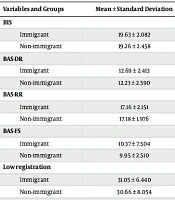
Table 2 presents the measurements of behavioral brain systems, sensory processing patterns, cognitive flexibility, and anxiety among immigrant and non-immigrant students.
Table 2.
Comparison of the Scores of the Adolescent/Adult Sensory Profile, Carver and White Brain-Behavioral Systems Questionnaire, Dennis and Vander Wall Cognitive Flexibility Questionnaire, and Beck Anxiety Inventory Among Immigrant and Non-immigrant Students
| Variables and Groups | Mean ± Standard Deviation | P-Value a |
|---|---|---|
| BIS | 0.110 | |
| Immigrant | 19.63 ± 2.082 | |
| Non-immigrant | 19.26 ± 2.458 | |
| BAS-DR | 0.070 | |
| Immigrant | 12.69 ± 2.413 | |
| Non-immigrant | 12.23 ± 2.590 | |
| BAS-RR | 0.942 | |
| Immigrant | 17.16 ± 2.151 | |
| Non-immigrant | 17.18 ± 1.976 | |
| BAS-FS | 0.453 | |
| Immigrant | 10.37 ± 7.504 | |
| Non-immigrant | 9.95 ± 2.510 | |
| Low registration | 0.588 | |
| Immigrant | 31.05 ± 6.440 | |
| Non-immigrant | 30.66 ± 8.054 | |
| Sensory seeking | 0.864 | |
| Immigrant | 50.74 ± 6.381 | |
| Non-immigrant | 50.63 ± 7.045 | |
| Sensory sensitivity | 0.168 | |
| Immigrant | 37.34 ± 7.643 | |
| Non-immigrant | 36.24 ± 8.355 | |
| Sensory avoiding | 0.053 | |
| Immigrant | 36.88 ± 7.110 | |
| Non-immigrant | 38.44 ± 8.883 | |
| Cognitive flexibility | 0.221 | |
| Immigrant | 98.98 ± 8.783 | |
| Non-immigrant | 100.105 ± 9.564 | |
| Anxiety | 0.090 | |
| Immigrant | 12.28 ± 9.77 | |
| Non-immigrant | 14.03 ± 10.79 |
Abbreviations: BIS, behavioral inhibition system; BAS-DR, behavioral activation system-driver response; BAS-RR, behavioral activation system-reward responsiveness; BAS-FS, behavioral activation system-fun seeking.
a Independent samples t-test.
Table 3 details the associations between characteristics of behavioral brain systems, sensory processing patterns, cognitive flexibility, and anxiety in both immigrant and non-immigrant student groups.
Table 3.
The Relationship Between the Scores of the Carver and White Brain-Behavioral Systems Questionnaire, Adolescent/Adult Sensory Profile, Dennis and Vander Wall Cognitive Flexibility Questionnaire, and Beck Anxiety Inventory among Immigrant, Non-immigrant, and All Students
| Groups and Variables | Anxiety |
|---|---|
| Immigrant | |
| BIS | |
| r | 0.074 |
| P-value a | 0.296 |
| BAS-DR | |
| r | -0.042 |
| P-value a | 0.551 |
| BAS-RR | |
| r | -0.090 |
| P-value a | 0.203 |
| BAS-FS | |
| r | -0.008 |
| P-value a | 0.905 |
| Low registration | |
| r | 0.283 |
| P-value a | < 0.001 |
| Sensory seeking | |
| r | -0.065 |
| P-value a | 0.363 |
| Sensory sensitivity | |
| r | 0.442 |
| P-value a | < 0.001 |
| Sensory avoiding | |
| r | 0.307 |
| P-value a | < 0.001 |
| Cognitive flexibility | |
| r | 0.217 |
| P-value a | 0.002 |
| Non-immigrant | |
| BIS | |
| r | -0.026 |
| P-value a | 0.721 |
| BAS-DR | |
| r | 0.012 |
| P-value a | 0.864 |
| BAS-RR | |
| r | 0.011 |
| P-value a | 0.882 |
| BAS-FS | |
| r | -0.036 |
| P-value a | 0.608 |
| Low registration | |
| r | 0.344 |
| P-value a | <0.001 |
| Sensory seeking | |
| r | -0.114 |
| P-value a | 0.109 |
| Sensory sensitivity | |
| r | 0.362 |
| P-value a | < 0.001 |
| Sensory avoiding | |
| r | 0.294 |
| P-value a | <0.001 |
| Cognitive flexibility | |
| r | 0.083 |
| P-value a | 0.243 |
| All students | |
| BIS | |
| r | 0.010 |
| P-value a | 0.834 |
| BAS-DR | |
| r | -0.020 |
| P-value a | 0.684 |
| BAS-RR | |
| r | -0.039 |
| P-value a | 0.438 |
| BAS-FS | |
| r | -0.017 |
| P-value a | 0.733 |
| Low registration | |
| r | 0.314 |
| P-value a | <0.001 |
| Sensory seeking | |
| r | -0.092 |
| P-value a | 0.066 |
| Sensory sensitivity | |
| r | 0.390 |
| P-value a | <0.001 |
| Sensory avoiding | |
| r | 0.305 |
| P-value a | <0.001 |
| Cognitive flexibility | |
| r | 0.148 |
| P-value a | 0.003 |
Abbreviations: BIS, behavioral inhibition system; BAS-DR, behavioral activation system-driver response; BAS-RR, behavioral activation system-reward responsiveness; BAS-FS, behavioral activation system-fun seeking.
a P-values are obtained from Pearson's rho correlation coefficients test.
Table 4 displays the interactions among brain-behavior systems, sensory processing patterns, cognitive flexibility, and anxiety in immigrant and non-immigrant students.
Table 4.
The Relationship Between the Scores of the Carver and White Brain-Behavioral Systems Questionnaire, Dennis and Vander Wall Cognitive Flexibility Questionnaire, and Adolescent/Adult Sensory Profile Among Immigrant, Non-Immigrant, and All Students
| Groups and Variables | Low Registration | Sensory Seeking | Sensory Sensitivity | Sensory Avoiding |
|---|---|---|---|---|
| Immigrant | ||||
| BIS | 0.095 | -0.034 | 0.016 | 0.032 |
| P-value a | 0.182 | 0.634 | 0.823 | 0.652 |
| BAS-DR | -0.052 | 0.121 | -0.052 | 0.134 |
| P-value a | 0.462 | 0.087 | 0.461 | 0.058 |
| BAS-RR | 0.021 | 0.238 | -0.055 | -0.067 |
| P-value a | 0.770 | 0.001 | 0.439 | 0.348 |
| BAS-FS | -0.041 | -0.013 | -0.020 | -0.116 |
| P-value a | 0.564 | 0.857 | 0.775 | 0.101 |
| Cognitive flexibility | -0.004 | 0.010 | 0.199 | 0.142 |
| P-value a | 0.960 | 0.889 | 0.005 | 0.044 |
| Non-immigrant | ||||
| BIS | 0.064 | 0.014 | 0.063 | 0.032 |
| P-value a | 0.365 | 0.846 | 0.379 | 0.650 |
| BAS-DR | 0.028 | 0.006 | -0.186 | -0.118 |
| P-value a | 0.695 | 0.938 | 0.008 | 0.096 |
| BAS-RR | 0.128 | -0.096 | 0.068 | 0.040 |
| P-value a | 0.071 | 0.178 | 0.342 | 0.574 |
| BAS-FS | -0.008 | -0.029 | -0.021 | 0.000 |
| P-value a | 0.910 | 0.684 | 0.765 | 0.997 |
| Cognitive flexibility | 0.111 | 0.103 | 0.077 | 0.165 |
| P-value a | 0.118 | 0.147 | 0.281 | 0.020 |
| All students | ||||
| BIS | 0.079 | -0.006 | 0.047 | 0.024 |
| P-value a | 0.117 | 0.902 | 0.344 | 0.629 |
| BAS-DR | -0.004 | 0.059 | -0.117 | -0.019 |
| P-value a | 0.939 | 0.239 | 0.019 | 0.708 |
| BAS-RR | 0.077 | 0.070 | 0.006 | -0.009 |
| P-value a | 0.124 | 0.164 | 0.903 | 0.855 |
| BAS-FS | -0.025 | -0.015 | -0.015 | -0.072 |
| P-value a | 0.615 | 0.771 | 0.760 | 0.150 |
| Cognitive flexibility | 0.060 | 0.060 | 0.128 | 0.160 |
| P-value a | 0.228 | 0.231 | 0.011 | 0.001 |
Abbreviations: BIS, behavioral inhibition system; BAS-DR, behavioral activation system-driver response; BAS-RR, behavioral activation system-reward responsiveness; BAS-FS, behavioral activation system-fun seeking.
a P-values are obtained from the Pearson correlation coefficients test.
Lastly, Table 5 demonstrates the capability of behavioral brain systems, sensory processing patterns, and cognitive flexibility to predict anxiety levels in students.
Table 5.
Univariate Test to Predict Anxiety Through Sensory Processing Patterns, Brain-Behavioral Systems and Cognitive Flexibility a
| Variables | Unstandardized Coefficients | Standardized Coefficients | P-Value | ||
|---|---|---|---|---|---|
| B | Std. Error | Beta | t | ||
| (Constant) | -10.314 | 9.159 | -1.126 | 0.261 | |
| Age | -0.137 | 0.135 | -0.050 | -1.020 | 0.309 |
| Sex (male) | 1.358 | 0.967 | 0.066 | 1.404 | 0.161 |
| Location (Canada) | 1.154 | 1.004 | 0.056 | 1.149 | 0.251 |
| BIS | -0.061 | 0.207 | -0.013 | -0.295 | 0.768 |
| BAS-DR | 0.135 | 0.192 | 0.033 | 0.703 | 0.483 |
| BAS-RR | -0.313 | 0.230 | -0.063 | -1.360 | 0.175 |
| BAS-FS | 0.024 | 0.085 | 0.013 | 0.280 | 0.780 |
| Low registration | 0.196 | 0.081 | 0.139 | 2.412 | 0.016 |
| Sensory seeking | -0.027 | 0.074 | -0.017 | -0.363 | 0.716 |
| Sensory sensitivity | 0.341 | 0.085 | 0.265 | 4.034 | 0.000 |
| Sensory avoiding | 0.074 | 0.079 | 0.058 | 0.943 | 0.346 |
| CF total | 0.122 | 0.053 | 0.108 | 2.316 | 0.021 |
Abbreviations: BIS, behavioral inhibition system; BAS-DR, behavioral activation system-driver response; BAS-RR, behavioral activation system-reward responsiveness; BAS-FS, behavioral activation system-fun seeking.
a Dependent variable: Anxiety; adjusted R squared: 0.186.
5. Discussion
This study focused on the crucial relationship between sensory processing and migration. Migration entails individuals moving to new countries, exposing them to unique cultural and environmental stimuli and, consequently, novel sensory experiences. Sensory processing involves how individuals perceive and respond to these sensory inputs in their surroundings. It was vital to understand the effects of sensory processing on the psychological well-being of immigrants as they adapted to new cultural and sensory environments.
The findings revealed a significant direct relationship between low sensory sensitivity and sensory avoidance and anxiety among both Iranian immigrant and non-immigrant students. This indicated that individuals who had difficulty in accurately perceiving and distinguishing sensory information might have faced higher levels of anxiety during the migration process. Furthermore, there was a moderate association between sensory avoidance and anxiety and a weak correlation between low sensory registration and sensory sensitivity with anxiety. These outcomes underscored the importance of sensory processing patterns in comprehending anxiety levels within the population studied.
Sensory processing disorder, which involves difficulties in regulating and integrating sensory signals, significantly influences individuals' reactions to their environment, affecting their daily activities and emotional-behavioral patterns (36). Individuals facing sensory processing challenges might experience anxiety and fear due to difficulties in processing and responding to sensory stimuli (37). Prior research, such as the study by Mellalieu et al., has shown a strong link between sensory sensitivity and anxiety, especially concerning withdrawal from stimuli and agoraphobia disorder (38).
Cognitive flexibility and the capability to adjust to new and unexpected situations displayed a weak direct relationship with anxiety across all student groups. This observation is consistent with previous studies that have emphasized the role of coping mechanisms in psychological adaptation (39). Cognitive flexibility is particularly relevant in the context of social anxiety disorders, where inflexible perspectives on social interactions can exacerbate symptoms of social anxiety (40). Hence, the importance of cognitive flexibility in managing social anxiety disorders is well recognized, suggesting that cognitive style might influence symptoms of social anxiety in individuals with rigid views on social interactions.
Furthermore, there were modest but significant direct associations between BAS-reward responsiveness (RR) and aspects such as sensory seeking, cognitive flexibility, sensory sensitivity, and sensory avoidance among Iranian immigrant students.
Among Iranian non-immigrant students, a significant inverse correlation was observed between BAS-driver response (DR) and sensory sensitivity. Additionally, a weak direct relationship existed between cognitive flexibility and sensory avoidance. Makvand Hoseini et al. explored the relationship between brain-behavior systems and emotions and social anxiety in students. Their findings indicated that the behavioral inhibition system had a significant direct association with social anxiety and could also indirectly influence it through negative emotions. This system showed a negative correlation with positive emotions and had the potential to indirectly affect social anxiety through these positive emotions. Moreover, the fight-flight-freeze system was significantly associated with social anxiety through unpleasant emotions (41).
Contrary to sensory processing patterns, the study did not find a significant correlation between behavioral brain systems and anxiety. Aron et al. investigated the relationship between sensory sensitivity, introversion, and emotionality. The results suggested that the behavioral inhibition system was more active in individuals with high sensory sensitivity compared to those with normal sensitivity levels. Additionally, this system had a strong association with the ease of stimulation but showed a weak relationship with aesthetic sensitivity and a low sensory threshold (42).
In the present study, a strong inverse relationship was identified between the behavioral activation system and sensory sensitivity, whereas no such association was found with the behavioral inhibition system. The study by Najjar Khodabakhsh et al. on the predictive role of anxiety sensitivity, sensory processing sensitivity, brain-behavior systems, and alexithymia in dental anxiety revealed that 28.4% of the variance in dental anxiety could be explained by anxiety sensitivity, sensory processing sensitivity, and alexithymia, and 26.1% of the variance in dental anxiety was accounted for by dimensions of anxiety sensitivity (fear of physical symptoms and lack of cognitive control). Among the four predictor variables analyzed, anxiety sensitivity, sensory processing sensitivity, and alexithymia showed significant correlations with dental anxiety, but the brain-behavioral systems did not (43). These findings align with previous research, which has demonstrated a strong link between sensory sensitivity and anxiety, while no evident relationship was found between behavioral brain systems and anxiety.
In multivariate regression analysis, low sensory registration, sensory sensitivity, and cognitive flexibility were pinpointed as predictors of anxiety. The analysis indicated that for each unit increase in sensory sensitivity, low sensory registration, and cognitive flexibility, the anxiety variable increased by 0.34, 0.185, and 0.111 units, respectively, after adjusting for other variables. Recent theories have considered cognitive flexibility as a multidimensional construct that includes core components such as temperament, personality, and specific problem-solving abilities. These skills enable individuals to adjust to traumatic life events (44).
High cognitive flexibility was linked to better restraint in stressful situations and the preservation of interpersonal relationships (45). Thus, individuals with higher cognitive flexibility were more likely to effectively manage stressful life events (46). They could identify alternative solutions to challenges and novel situations across various contexts. In contrast, those with lower cognitive flexibility might have struggled to retain information, impeding their adaptation to new conditions (47). The findings of the current study have confirmed this relationship, though with some limitations in robustness.
5.1. Limitations
The study has several limitations that warrant acknowledgment. Firstly, the cross-sectional design restricts the ability to establish causal relationships between variables. Future research employing longitudinal designs would offer a deeper understanding of the dynamic nature of these relationships over time.
Secondly, while the sample size was sufficient for certain analyses, it may limit the generalizability of the findings to broader immigrant populations. Enlarging the sample size and including participants from a variety of cultural backgrounds would improve the representativeness of the results.
Thirdly, the study relied on self-report measures, which could be prone to response biases or the influence of social desirability. Incorporating objective measures in future studies could strengthen the validity of the findings
5.2. Recommendations
To address the limitations and enhance the insights from this study, several recommendations are proposed:
(1) Longitudinal studies: Future research should utilize longitudinal designs to explore the causal relationships between sensory processing, cognitive flexibility, brain-behavioral systems, and anxiety over time. This approach would provide a more detailed understanding of the psychological experiences of immigrants during their migration journey.
(2) Diverse sample: It is recommended that researchers include a broad sample of immigrants from different cultural backgrounds and with various migration experiences. Doing so would increase the generalizability of the findings and yield insights into the specific factors that influence anxiety among immigrants.
(3) Objective measures: The integration of objective measures, in addition to self-report measures, could enhance the validity of the study's findings. Employing physiological, neurological, or behavioral assessments might offer a fuller picture of sensory processing and brain-behavioral systems.
(4) Intervention development: The findings highlight the importance of focusing on sensory processing patterns and cognitive flexibility in interventions aimed at reducing anxiety among immigrant students. Creating evidence-based interventions that improve coping skills and adaptive strategies could mitigate anxiety during the migration process.
(5) Support services for immigrants: Policymakers and educators should consider the development of support services specifically designed for immigrant students. Increasing awareness of the challenges related to sensory processing and stress coping might support a smoother integration process and enhance psychological well-being.
(6) Community-based initiatives: Initiatives at the community level that promote social support and cultural adaptation for immigrants could help lower anxiety levels. Encouraging a sense of belonging and acceptance in the new cultural context may have a positive effect on the mental health of immigrants.
5.3. Conclusions
This study identified significant associations between sensory processing patterns, cognitive flexibility, brain-behavioral systems, and anxiety among Iranian immigrant students. These findings suggest a need for educational programs that teach cognitive skill strategies to immigrant students and raise awareness of their sensory needs, aiming to reduce their anxiety.