Fulltext
.
Image Credit:Med Surg Nurs J
Authors
Background and Objective: Caring is the core of nursing however, different individules have different perceptions of it. Continuous assessment and measurement of caring behaviors results in the identification of their problems. The careful planning of interventions and problem solving will improve care. The aim of this study was to identify nurses' perception of caring behaviors in the intensive care units. Materials and Method: In this descriptive-analytic study, 140 nurses were selected from intensive care units of hospitals affiliated to Lorestan University of Medical Sciences, Iran, using the census method in 2012. The data collection tool was the Caring Behaviors Inventory for Elders (CBI-E). This questionnaire consisted of two parts including demographic information and 28 items related to care. Face and content validity of the Persian version of the questionnaire were provided by professionals, and after deletion of 4 items a 24-item questionnaire was provided. Cronbach's alpha coefficient was calculated to assess reliability (&alpha = 0.71). Data were analyzed using SPSS software version 18 and descriptive-analytic statistics (Kruskal-Wallis test and Mann-Whitney test). Results: Based on the findings, nurses paid more attention to the physical–technical aspects (95.71 ± 12.76) of care in comparison to its psychosocial aspects (75.41 ± 27.91). Nurses had the highest score in care behavior of "timely performance of medical procedures and medication administration". Conclusion: Since nurses paid more attention to the technical aspects of care than its psychosocial aspects, by providing nurses with a correct perception of care, patients can be provided with needs-based care. This will increase patient satisfaction with nursing care, and indirectly result in the positive attitude of patients and society toward the nursing profession and its services. Moreover, nursing education officials can use these results to assist nurses in meeting patients' needs and expectations in clinical practice.
© 2014, Author(s). This open-access article is available under the Creative Commons Attribution 4.0 (CC BY 4.0) International License (https://creativecommons.org/licenses/by/4.0/), which allows for unrestricted use, distribution, and reproduction in any medium, provided that the original work is properly cited.
Salehitali S. Patients and Nursing Students’ Viewpoints on the Importance of Caring Behaviors in a Hospital Affiliated to Shahrekord University of Medical Sciences in Iran. Jundishapur J Chronic Dis Care. 2021;10(4):e116963. doi: https://doi.org/10.5812/jjcdc.116963
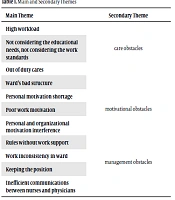
Rezaee N, Ghaljeh M, Salar A. Barriers to Providing High-Quality Nursing Care in Intensive Care Units: A Qualitative Study. Med Surg Nurs J. 2020;9(3):e110265. doi: https://doi.org/10.5812/msnj.110265
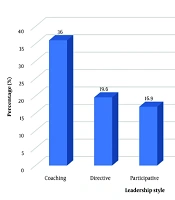
Fuladvandi M, Shahrousvand S, Sarlak E, Fouladvandi G, Roshani S. The Relationship Between Leadership Styles and Psychological Job Indicators in Intensive Care Unit Nurses. J Nurs Midwifery Sci. 2026;13(1):e165551. doi: https://doi.org/10.5812/jnms-165551
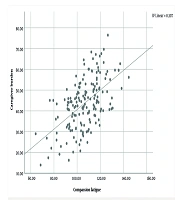
Mosavi S, Adineh M, Molavynejad S, Ghanbari S. The Relationship Between Caregiver Burden and the Role of Religious Beliefs, Hope, and Compassion Fatigue Among Intensive Care Unit Nurses: A Cross-sectional Study. J Nurs Midwifery Sci. 2025;12(3):e164113. doi: https://doi.org/10.5812/jnms-164113
neishabory N, ReisDana N, Sadeghi T, Ghorbani R. Nurses’ and patients’ viewpoints regarding quality of nursing care in the teaching hospitals of Semnan University of Medical Sciences, 2009. koomesh. 2011;12(2):e153810. doi:
Last Update: 1 week ago
Last Update: 1 week ago
Last Update: 1 week ago
Last Update: 3 hours ago
Last Update: 7 hours ago
Last Update: 5 days ago