Fulltext
This part is available in the PDF file.

Image Credit:Nephro-Urol Mon
Botulinum toxin (BT) is a potent presynaptic neuromuscular blocking agent which induces selective, reversible muscle weakness for months when injected intramuscularly.During recent years BT has revolutionized the treatment of previously intractable symptoms of detrusor overactivity. Based on a systematic search of the PubMed database,a review of the current literature on the use of onabotulinum toxin A (Botox®) in the treatment of neurogenic detrusor overactivity is presented.
Onabotulinum toxin A proved to be highly effective in the majority of studies, even though a wide range of injection techniques and dosages were described. The onset of the effect usually appeared before 2 weeks, and reached a peak within 2-6 weeks, with the clinical effect being maintained for approximately 6-8 months, or even longer. Depending on the dose, a number of patients developed high residual volume and clean intermittent self/helper catheterization (CIC) may become necessary. only a few side effects were described, and intravesical onabotulinum toxin A injection seems to be well tolerated. however, details on injection technique, dose interval between injections, etc.are still under debate and only a few randomized, placebo controlled studies have been published.
© 2012, Author(s). This open-access article is available under the Creative Commons Attribution 4.0 (CC BY 4.0) International License (https://creativecommons.org/licenses/by/4.0/), which allows for unrestricted use, distribution, and reproduction in any medium, provided that the original work is properly cited.
Kroll P, Soltysiak J, Murias M, Skrzypczak M, Zachwieja J, et al. Botulinum toxin-A injections in children with neurogenic bladder. Nephro-Urol Mon. 2011;3(2):. doi:
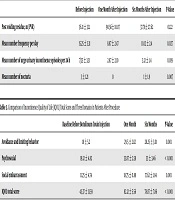
Veisi F, Abdi H, Bayati M. The Effect of OnabotulinumtoxinA on the Symptoms and Quality of Life in Women with Urge Urinary Incontinence. J Clin Res Paramed Sci. 2021;10(2):e111274. doi: https://doi.org/10.5812/jcrps.111274
Marcelissen T, Rahnama’i MS, Brierley B, Schurch B, Vries PD. Treatment Failure of Botulinum Toxin A in Patients with Idiopathic Overactive Bladder: Why Do Patients Discontinue Treatment?. Nephro-Urol Mon. 2017;9(3):e46569. doi: https://doi.org/10.5812/numonthly.46569
Allameh F, Motamed M, Poury M, Tayyebiazar A, Ghiasy S, et al. Relationship between Obsessive-compulsive Disorder and Overactive Bladder Syndrome. Iran J Psychiatry Behav Sci. 2021;15(1):e101858. doi: https://doi.org/10.5812/ijpbs.101858
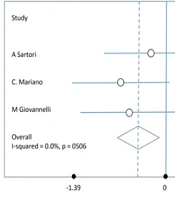
Emami Razavi SZ, Azadvari M, Mirmosayyeb O, Vaheb S, Ghajarzadeh M, et al. Botulinum Toxin Injection for Treating Spasticity in Multiple Sclerosis Patients: A Systematic Review and Meta-Analysis. Middle East J Rehabil Health Stud. 2025;12(2):e156825. doi: https://doi.org/10.5812/mejrh-156825
Last Update: 1 month ago
Last Update: 1 month ago
Last Update: 1 month ago
Last Update: 4 days ago
Last Update: 2 days ago
Last Update: 2 days ago
