1. Background
Cardiovascular diseases account for the highest mortality rate; they are responsible for 52% and 48% of mortalities in the United States and Europe, respectively (1). Coronary heart disease (CHD) is one of the major causes of heart failure, and 43% of all deaths are attributed to it (2). A large number of patients with CHD not treated through medications undergo coronary artery bypass graft (CABG) surgery (3). About 60% of all open heart surgeries are CABG in Iran (4).
In addition to the classic risk factors of CHD such as high cholesterol, cigarette smoking, sedentary life style, and hypertension, most studies in recent decades showed that there was a mutual relationship between CHD incidence and psychological factors, such as stress, depression, anxiety, and other mood and emotional disorders (5, 6). Stress, depression, and anxiety are very common in patients with CHD, especially in the ones undergoing CABG; so that 25% to 50% of patients with CHD experience such disorders before or after the surgery (7, 8). Also, stress, anxiety, and depression are the most important factors affecting the patients’ quality of life and health. In fact, their impact on the patients’ health is more than left ventricular ejection fraction, angina pectoris, and other chronic diseases (9).
Stress is associated with a range of cardiac arrhythmias and the relationship between psychological stress and cardiovascular diseases are studied in details. There are increasing evidences showing that stress, rooted in various emotional or psychosocial sources, affects all stages of the disease including initiation, development, and its recovery (10, 11). Stress-induced cardiomyopathy is one of the cardiac complications associated with chest pain, dyspnea, moderate increases in cardiac enzymes, and electrocardiography (ECG) abnormalities including an increase in the ST (the segment located between QRS and T complex) in many cases. The prominent feature of this syndrome is that it is followed by intense emotional or physical stress. Many studies indicated a wide range of inflammatory factors, endothelial damage, and metabolic problems when referring to the relationship between stress and cardiovascular diseases (12).
Heart rate variability (HRV) is a change in the interval between the heart beats. Like other body organs, the heart beat rate is never fixed and it is always changing. This means that the interval between heartbeats is either increasing or decreasing, and these changes are due to the interaction of multiple regulatory mechanisms that affect the heart at different times (13). Most studies on patients with chronic CHD and the ones who have recently experienced acute coronary events showed that HRV was lower in patients experiencing high levels of stress and anxiety compared to the ones without such problems (14).
Psychophysiological coordination (resonance frequency) is physiologically characterized by increasing the order, efficiency, and coordination of the activities and interactions of body systems and phenomena such as auto-coordination, symmetry, and conformity (15-17). Therefore, it is possible to determine the specific frequency that stimulates the heart rate to maximize oscillations. Exercise and breathing in a specific frequency, relaxation methods, and mindfulness bring a kind of stimulation, which maximizes HRV. From the respiratory view, this respiration rate is called resonance frequency, which varies between four and seven breaths per minute (18, 19). Respiratory methods, relaxation and meditation training, and promotion of positive emotions are the ways to increase HRV and resonance frequency (19-21). Theoretically, mental stress affects physical stress, which is clearly recognized through measurement of HRV. Since quantitative measurement of stress, due to the errors in collecting data, is difficult, it is claimed that quantifying the relationship between psychological stress and HRV provides a quantitative method to analyze and depict mental stress (22).
2. Objectives
The current study compared the effects of Islamic spiritual teachings and breathing techniques with HRV feedback therapies on stress, HRV, and psychophysiological coordination in patients undergoing CABG.
3. Methods
The current experimental study with pre- and post-tests and control group design was conducted in accordance with the Declaration of Helsinki. The inclusion criterion of the study was: patients who underwent CABG surgery, younger than 70 years, without primary or secondary cognitive disorders based on their medical records, and having elementary school education level to fill the questionnaires. In addition, those diagnosed with severe mental disorders were excluded from the study. Using convenience sampling method, 60 patients, including 19 female and 41 male, within the age range of 32 to 67 years who underwent CABG surgery and participated in the rehabilitation program in Tohid Hospital in Sanandaj, Iran in the spring 2016 were enrolled in the study after interviewing and studying their medical history. Then, the therapies (Islamic spiritual education techniques and breathing with HRV feedback) were allocated to the patients using triple random blocks, which resulted in three groups of the Islamic, breathing, and control (n = 20 in each group). There was no dropout in the study samples.
The depression, anxiety, and stress scale (DASS)-21 was used to assess the level of stress in patients. The short version of the scale has 21 items, scored based on a Likert scale from never = 0, sometimes = 1, most of the times = 2, to almost always = 3. Besharat reported that Cronbach’s alpha coefficients of this scale in a sample of general population (n = 287) were 0.87 for depression, 0.85 for anxiety, 0.89 for stress, and 0.91 for the whole scale. However, these coefficients were 0.89 for depression, 0.91 for anxiety, 0.87 for stress, and 0.93 for the whole scale in a population of clinical samples (n = 194). These results confirmed the internal consistency of the questionnaire. Moreover, its concurrent, convergent, and discriminate validities were checked through its concurrent administration with Beck depression inventory, Beck anxiety inventory, positive and negative affect schedule, and mental health inventory and were confirmed (23). However, depression and anxiety were not measured and included in the current study.
Em-wave desktop software was used for monitoring HRV and psychophysiological coordination; for this purpose Emwave was attached to the patients’ body for 5 - 10 minutes and their HR, HRV, and ultimately a numerical value for the psychophysiological coordination or cardiac resonance frequency were measured.
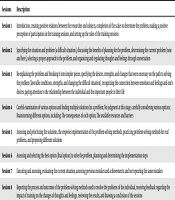
The first group, after assessing their stress, HRV, and psychophysiological coordination levels, was provided with a religious-based therapy using Islamic and Qur’an teachings followed by doing home works and exercises for eight weeks during the certain hours of the day in two-hour sessions as follows:
3.1. First Session
Greetings, giving explanations about the concept and aims of the study, determining the timing and duration of the sessions, discussing, negotiating the importance of lifestyle, talking about spirituality and religion as well as their impact on individual’s life, the characteristics of religio‐spiritual people, and giving exercises.
3.2. Second Session
Checking the exercises of the previous session, theism, God-oriented life, the role of belief and trust in God in life, telling religious aphorisms about the impact of trust in God on mental peace in addition to talking about the relationship between prayers and peace and quality of life, and finally giving exercises (saying dhikr and prayer for oneself and others).
3.3. Third Session
Reviewing the main agenda of the previous session, the role of reliance and trust in God in life for improving the spiritual health, proposing verses and narratives, giving examples of the participants’ own life, and finally exercises (saying the dhikr “La hawla wa la ghowta ela bellah”- and prayer for oneself and others).
3.4. Fourth Session
Reviewing the main agenda of the previous session, discussing the Role of thanking God in giving relaxation and satisfaction to the patients, defining appreciation and thanking, proposing several hadiths and narratives in this regard, and giving exercise (saying the dhikr “Alhamdolelah” and prayer for oneself and others).
3.5. Fifth Session
Reviewing the main agenda of the previous session, being familiar with the concept of forgiveness and discussing the key role of forgiveness in the improvement of the spiritual health, proposing ahadith and narratives about the importance of forgiveness, pointing out the outcomes of participation in charity affairs, and giving exercise (planning to visit and help financially to the invalids in a nursing house in the current week).
3.6. Sixth Session
Reviewing the main agenda of the previous session, the role of dhikr, prayers, supplications, and pilgrimage in the improvement of the spiritual health and its effect on personal life and practicing it continuously, and giving exercises (saying dhikrs and prayer for oneself and others).
3.7. Seventh Session
Reviewing the main agenda of the previous session, discussing the role of patience in life and improvement of spiritual and mental health, and giving exercise (listening to ahadith and narratives about the importance of patience in life, especially when someone is ill).
3.8. Eighth Session
Releasing emotions and feelings, forgiveness, expressing thanks and praying the creator of the universe, reviewing the program and aims, evaluating the stated subjects, getting feedbacks from the participants, questions and answers, making a conclusion for the whole program, distributing and completing the questionnaires again, and finishing the session.
The second group, when their stress, HRV, and psychophysiological coherence levels were assessed, was individually trained for deep and slow breathing techniques. In the first session, each patient’s approximate psychophysiological coordination number was attained by an Emwave device in Emwave desktop software. Then, the patients were individually Attached to the HRV and psychophysiological coordination monitoring device through a computer, and were taught how to harmonize their breathing with their psychophysiological coordination number in two-hour weekly sessions for eight weeks. The intervention mainly aimed at training deep and slow breathing techniques based on the patients’ approximate psychophysiological coordination number along with providing HRV feedback. Moreover, they were asked to practice the technique based on a time table during the week especially before going to bed. At the end of 8th week, the two groups underwent a reassessment of their stress, HRV, and psychophysiological coordination levels and the results were recorded.
The covariance analysis test was used to analyze the data. Moreover, the Shapiro-Wilke and Leven tests were used to check the normal distribution of data and to test the homogeneity variance of dependent variables.
4. Results
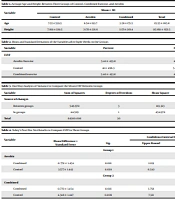
After confirming the ANCOVA assumptions, covariance analysis of psychophysiological coordination in the three groups, while the effect of the covariate was controlled, showed a significant difference between the groups (P < 0.001, F (2,56) = 14.193). The value of the corrected R showed that about 31% of the variation of the dependent variable was due to the application of the independent variables. In other words, the interventions were able to significantly change the psychophysiological coordination of patients with CABG (Table 1).
Table 1.
Effects of Intersubject Variation of Psychophysiological Coordinationa
| Source | Type III Sum of Squares | DF | Mean Square | F | P Value | Partial Eta Squared |
|---|---|---|---|---|---|---|
| Group | 6.714 | 2 | 3.357 | 14.193 | 0.000 | 0.336 |
| Psychophysiological coordination before Intervention | 0.578 | 1 | 0.578 | 2.445 | 0.124 | 0.042 |
| Error | 13.245 | 56 | 0.237 | |||
| Total | 56.910 | 60 |
aR-squared = 0.346 (adjusted R-squared = 0.311).
Multiple comparisons by Benferroni test showed a difference in increased patients’ psychophysiological coordination among the groups. The mean differences were significant between the breathing group and the control group (0.784) and then the religious intervention group and the control group (0.607) (P < 0.05).
Moreover, based on the results of analysis of covariance (ANCOVA), stress difference in the three groups, while the effect of covariate controlled, was significant (P < 0.001, F = (2.56) = 5.540). The corrected amount of squared R showed that about 18.1% of the variation of the stress was due to the application of the independent variables (Table 2).
Table 2.
Effects of Intersubject Variation of Stressa
| Source | Type III Sum of Squares | DF | Mean Square | F | P value | Partial Eta Squared |
|---|---|---|---|---|---|---|
| Group | 456.82 | 2 | 228.415 | 5.540 | 0.006 | 0.165 |
| Stress before intervention | 143.019 | 1 | 143.019 | 3.469 | 0.068 | 0.058 |
| Error | 2308.781 | 56 | 41.228 | |||
| Total | 2968.733 | 60 |
aR-squared = 0.222 (adjusted R-squared = 0.181).
Furthermore, multiple comparisons by Benferroni test showed a significant difference in reducing the patients’ stress among the groups. The mean differences between the groups showed significant differences between the breathing with HRV feedback and the control groups (-5.20) and then the religious group with controls (-6.38) at P < 0.05.
In general, the religious educations group showed more reduction in stress whereas the breathing with HRV feedback group showed more increase in their psychophysiological coordination.
5. Discussion
The current study investigated the effectiveness of Islamic spiritual teachings and breathing with HRV feedback therapies on psychophysiological coordination, HRV, and stress levels in patients undergoing CABG surgery. The findings showed that Islamic teachings and deep breathing techniques with HRV feedback increased the patients’ HRV, which resulted in an increase in their psychophysiological coordination and a reduction in their stress levels. These results were in line with the findings of previous studies investigating the effect of spirituality and religious activities on reducing psychological disorders such as depression, anxiety, and stress in such patients (24-30).
In fact, increasing spiritual well-being and religious activities in cardiovascular patients was associated with faster recovery, increased efficacy, higher HRV, and psychophysiological coordination, which led to more general health in such patients. Besides, religious activities were also reported to reduce cardiovascular events, blood pressure, Alzheimer’s disease, diabetes, and cancer risks (31-35), which were in line with the findings of the present study.
Lucchese and Koenig et al. outlined several pathways to show the impact of religion and religious activities on the cardiovascular system health (36).
5.1. The Psychological Pathway
Spirituality and religion provide good psychological resources to match and cope with the problems by reducing the likelihood of stressful events in life, giving meaning and purpose to stressful events in life, and providing the symbols of spiritual strength while living in misery. This leads to the experience of more positive emotions (optimism, hope, etc.) and less negative feelings (depression, anxiety, frustration, etc.) in patients, which in turn have positive effects on the immune, endocrine, nervous, and inflammatory systems and it consequently promotes cardiovascular health.
5.2. The Social Pathway
Spirituality and religion are good sources for coping with stressful situations; in fact, they act as a buffer against these situations by engaging people in religio-spiritual communities, promoting forgiveness, and educating social views to them. In general, these social gatherings also provide more opportunities for health information exchange among the patients and they make their access to the healthcare resources easier.
5.3. Behavioral Pathway
Spirituality and religion can promote general health and reduce the incidence of cardiovascular diseases in particular by providing specific behavioral plans in the context of religion, such as smoking cessation, prohibition of multi-partner sexual relationship, prohibition of the use of drugs and alcohol, and encouraging people to follow special diets such as fasting in Islam and doing exercise and social activities. They, on the other hand, encourage people to refrain from lying, to be responsible and honest, to increase adherence to the medical regimens, and finally they help them recover from cardiovascular complications sooner.
5.4. Supernatural Pathway
Some scholars suggest a positive relationship between religio-spirituality and general health as well as cardiovascular health to a supernatural source such as God. Among the double-blind trials that some people prayed for some others, the study by Byrd (37) in San Francisco General Hospital, the study by Harris et al. (38), and the different studies at Harvard University by Benson et al. are noteworthy (39).
5.5. Conclusions
The results showed that both breathing techniques and religious therapies based on Islamic and Quran teachings could significantly decrease stress and also increase HRV and psychophysiological coordination in patients who underwent CABG. Moreover, they showed that the religious therapy could reduce the patients’ stress more than the breathing one, although psychophysiological coordination level seemed to be increased a little more in the breathing group patients. Since these interventions could improve the patients’ cardiovascular and general health, it is recommended to utilize them in cardiac rehabilitation programs for such patients in the related hospitals.
The current study seems to be one of the first studies using a special kind of native-religious intervention based on the patients’ beliefs and costumes. However, there were some limitations in the study including small sample size and lack of follow-up to shed further lights on the late results of the study.
5.6. Limitations
The study had the following limitations: (1) lack of follow-up, (2) Not investigating the patients’ religious background and views before and after the experiments; (3) small sample size, and 4) not randomizing the patients according to their baseline depression and anxiety.