Cover image of the article: Molecular Mechanisms of the Effects of Aerobic Exercise on Cerebellar Brain-Derived Neurotrophic Factor

Image Credit:Thrita J Neu

Molecular Mechanisms of the Effects of Aerobic Exercise on Cerebellar Brain-Derived Neurotrophic Factor

Authors

Mehrdad Shariati Sharifi1, Mohammad Ali AzarbayjaniMohammad Ali Azarbayjani ORCID1,*, Shahin Riyahi MalayeriShahin Riyahi Malayeri ORCID2,**, Maghsoud PeeriMaghsoud Peeri ORCID1, Parvin FarzanegiParvin Farzanegi ORCID3
1Department of Exercise Physiology, CT.C., Islamic Azad University, Tehran, Iran
2Department of Physical Education and Sport Sciences, ET.C., Islamic Azad University, Tehran, Iran
3Department of Exercise Physiology, S.C., Islamic Azad University, Sari, Iran
Corresponding Authors:
*Corresponding Author: Department of Exercise Physiology, CT.C., Islamic Azad University, Tehran, Iran. Email: m_azarbayjani@iauctb.ac.ir
**Corresponding Author: Department of Physical Education and Sport Sciences, East Tehran Branch, Islamic Azad University, Tehran, Iran. Email: 2581324971@iau.ir

Thrita Journal of Neuron:Vol. 14, issue 2; e159396
Published online:Sep 21, 2026
Article type:Review Article
Received:Jan 19, 2025
Accepted:Sep 07, 2026
How to Cite:Shariati Sharifi M, Azarbayjani MA, Riyahi Malayeri S, Peeri M, Farzanegi P. Molecular Mechanisms of the Effects of Aerobic Exercise on Cerebellar Brain-Derived Neurotrophic Factor. Thrita J Neu. 2025;14(2):e159396. doi: https://doi.org/10.5812/thrita-159396

Abstract

Context:

Aerobic exercise (AE) is a nonpharmacological strategy that may support nervous system function. AE increases the expression of neurotrophins, particularly brain-derived neurotrophic factor (BDNF), in the circulation and several brain regions. BDNF is highly expressed in the hippocampus and cerebellum and is among the most extensively studied neurotrophins in relation to physical activity. Given the importance of AE in maintaining and promoting cerebellar function, this review evaluated the effects of AE on cerebellar BDNF and the molecular mechanisms that may underlie these effects.

Evidence Acquisition:

This narrative review searched PubMed for studies examining the effects of AE on BDNF and cerebellar neurogenesis. The literature search was conducted between November and December 2024 and included publications from 2000 to 2024.

Results:

Based on the inclusion and exclusion criteria, 19 PubMed articles examining the effects of AE on BDNF expression were identified. These studies were published between 2002 and 2022; no eligible articles were identified in 2000, 2001, 2023, or 2024. Thirteen studies used rats, 5 used mice, and 1 involved BALB/c mice. Eight studies investigated treadmill running, 7 used wheel running, 2 used swimming training, 1 used gait training, and 1 examined running on a flat track. Overall, 3 studies reported no significant effect of AE on BDNF expression in cerebellar tissue, whereas the remaining 16 studies reported increased BDNF expression and improved cerebellar function in healthy rodents and in models of menopause, lactation, depression, ataxia, early-onset cerebellar degeneration, and spinocerebellar ataxia type 6.

Conclusions:

Based on the available evidence, AE may represent a promising strategy for improving cerebellar function, potentially by increasing BDNF expression and activity.

1. Context

Aerobic exercise (AE) has important physiological effects on the cardiovascular, respiratory, musculoskeletal, and nervous systems (1). AE increases myelin regeneration, axonal regeneration, brain angiogenesis, myelin sheath thickness, Schwann cell core area, and neurogenesis. These effects may improve sensory and motor function, enhance the survival and differentiation of transplanted stem cells, relieve pain, and improve cognitive function (2-4). With population aging and the increasing number of patients with Alzheimer disease, several studies have investigated the effects of AE on neurogenesis, particularly in the hippocampus. AE can increase neurogenesis and improve cognitive function, especially memory (5-7). Evidence also indicates that neurogenesis occurs in brain regions other than the hippocampus (8-10), including the cerebellum (11).
Brain-derived neurotrophic factor (BDNF) is highly expressed in the hippocampus and cerebellum, regions in which substantial neurogenesis has been reported (12). The cerebellum contributes to movement coordination as well as cognitive, emotional, and reward-related processes (13). Consistent with its role in cognitive function, cerebellar involvement has also been described in nonmotor disorders, including autism spectrum disorder and attention-deficit/hyperactivity disorder (14). Neurogenesis is one mechanism through which AE may affect brain function, and AE is an important stimulus for neurogenesis (15, 16). Aerobic training can promote neurogenesis by increasing the gene and protein expression of neurotrophic factors, particularly BDNF (17, 18). BDNF is among the primary neurodevelopmental factors investigated in relation to physical activity (PA) (18). Exercise-related changes have been reported in BDNF expression in the rodent hippocampus (19, 20), in circulating BDNF levels, and in hippocampal volume (21, 22).
BDNF promotes neurogenesis, neuronal plasticity, neuronal and microglial growth and survival, signal transmission, and the induction and maintenance of synaptic potentiation (23). Its neurotrophic effects may improve cognitive and emotional processes and may reduce the risk of mood disorders, depression, and cognitive impairment (24, 25). Although the effects of AE on hippocampal BDNF and neurogenesis have been widely examined, the cerebellum is also an important target. Therefore, this review focuses on the effects of AE on cerebellar BDNF and the molecular mechanisms that may mediate these effects.

2. Evidence Acquisition

A comprehensive PubMed search was conducted to identify studies examining the effects of AE on BDNF and cerebellar neurogenesis. The literature search was performed between November and December 2024 and included publications from 2000 through 2024. Only original experimental studies conducted in rats or mice and published in English were included; letters and reviews were excluded. Studies that did not evaluate the effects of AE or aerobic training on BDNF gene or protein expression, or on cerebellar neurogenesis, were excluded. Search terms included aerobic exercise, aerobic training, endurance exercise, endurance training, cerebellum, the cerebellum, neurogenesis, brain-derived neurotrophic factor, and BDNF.

3. Results

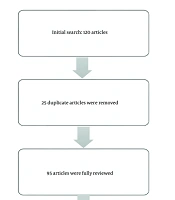
According to the inclusion and exclusion criteria, 19 PubMed articles investigated the effects of AE on BDNF and neurogenesis. These articles were published between 2002 and 2022. Thirteen studies used rats, 5 used mice, and 1 used BALB/c mice. Eight studies investigated treadmill running, 7 investigated wheel running, 2 used swimming training, 1 used gait training, and 1 examined running on a flat track. No articles meeting the inclusion criteria were published in 2000, 2001, 2023, or 2024.

3.1. Effects of Aerobic Exercise on Cerebellar BDNF

Aerobic exercise alters brain morphology, biochemistry, and behavior (17). Neurogenesis is among the most prominent changes associated with AE and is largely related to increased gene and protein expression of neurotrophic factors, particularly BDNF (26). Most studies reviewed here reported increased cerebellar BDNF after AE; however, findings were not uniform.
Risedal et al. (27) reported no change in cerebellar BDNF expression after wheel running, exposure to an enriched environment, or social housing in rats with cortical infarction, although behavioral performance improved across groups independently of BDNF expression. Johnson et al. (28) reported increased hippocampal BDNF protein expression after voluntary wheel running, but no increase in the spinal cord or cerebellum. In aged rats exposed to D-galactose, light- and moderate-intensity AE for 4 weeks did not change IGF-1 or BDNF levels (29). In a model of incomplete spinal cord injury, AE improved motor function and increased synaptophysin, MAP-2, and BDNF levels in the motor cortex, but not in the cerebellum or spinal cord (30).
Given the role of the cerebellum in movement control, Klintsova et al. (31) assessed the effects of 1 to 14 days of acrobatic training and moderate AE on BDNF and TrkB expression. Both interventions increased expression, and training duration influenced the magnitude of the changes. The effects persisted longer after acrobatic training than after moderate-intensity AE, suggesting that complex motor learning and moderate PA with lower learning demands may have different effects on BDNF and TrkB expression.
Because inflammation and oxidative stress can negatively affect neurogenesis, Toldy et al. (32) examined the combined effects of swimming training and Urtica dioica leaf supplementation, which contains antioxidant and anti-inflammatory compounds, on oxidative stress markers and neurotrophic factors in the cerebellum and frontal lobe. Urtica dioica reduced free-radical production, whereas swimming had no significant effect on oxidative damage. Neither swimming nor Urtica dioica significantly affected NGF or BDNF. Swimming and Urtica dioica increased nuclear factor kappa B DNA-binding activity, whereas activator protein-1 DNA-binding activity increased more markedly. C-Jun levels decreased with swimming. These findings suggest that the antioxidant effects of Urtica dioica may occur independently of neurogenesis and that swimming may contribute to antiapoptotic processes (32).
Consistent with these findings, treadmill running for 20 minutes per day for 2 weeks did not significantly change BDNF content in the hippocampus, cortex, striatum, or cerebellum (33). Because this exercise protocol had neuroprotective effects, BDNF may not be directly involved in all neuroprotective mechanisms induced by AE after ischemia. In rats fed a high-fat diet, combining AE with melatonin inhibited the reduction in cerebellar BDNF and TrkB expression and reduced inflammatory cytokines, whereas training alone and melatonin alone had no significant effect (34).
Intermittent individual housing affects behavior and neurotrophin levels. Zhu et al. (35) studied wheel running in BALB/c mice under different housing conditions and found that intermittent individual housing altered behavior and brain neurotrophin levels; some of these changes were modified by AE. In adolescent rats, voluntary wheel running increased global histone 3 acetylation and BDNF expression in the hippocampus and cerebellum, whereas the expression of DNA methyltransferases and histone deacetylases decreased (36), indicating an epigenetic contribution to exercise-related effects.
In rats exposed to vanadium during lactation, impaired motor coordination and reduced plasma and cerebellar BDNF levels were reported. Five weeks of treadmill running during childhood and adolescence normalized plasma and cerebellar BDNF levels and increased cerebellar TrkB phosphorylation, thereby preventing motor coordination impairment (37). Moderate-intensity AE also reduced Purkinje cell degeneration, delayed motor dysfunction, and increased lifespan in spastic Han Wistar rats, a model of ataxia, in association with increased BDNF and TrkB expression (38).
Chalimoniuk et al. (39) reported that moderate-intensity endurance running increased spontaneous locomotor activity and BDNF and TrkB mRNA in the hippocampus, midbrain, and striatum, but not in the cerebellum or cerebral cortex. In contrast, components of the nitric oxide/soluble guanylyl cyclase/cyclic guanosine monophosphate pathway were altered in several brain regions, including the cerebellum (39). Inoue et al. (40) reported that treadmill exercise 5 days per week increased BDNF protein in the motor cortex and improved motor coordination. The study also reported increased cerebellar BDNF expression, whereas long-term inhibition of GABA receptors reduced BDNF mRNA expression and impaired coordination, suggesting that the duration of GABA receptor inhibition should be considered in clinical studies (40).
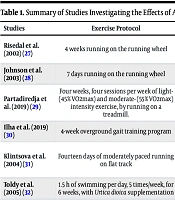
BDNF expression is reduced in the dentate gyrus, medial prefrontal cortex, and cerebellum in depression models, and voluntary running increased BDNF expression in these regions (41). In ovariectomized rats, 6 weeks of moderate-intensity interval training increased the number of cerebellar Purkinje cells and downregulated Bax expression. Improvements in motor function were correlated with Bcl-2, Bax, BDNF, synaptophysin, and Pgc-1α mRNA expression and with the number of cerebellar Purkinje cells, suggesting enhanced neurotrophic and neuroprotective signaling (42). Maternal PA increased neurotrophin expression in the cerebellum, cortex, and placenta and was associated with changes related to neural plasticity and cognitive function (43). Forced AE improved motor learning and increased BDNF in a mouse model of early-onset cerebellar degeneration (44). AE also improved ataxia and deficits in cerebellar Purkinje cell firing in mice with spinocerebellar ataxia type 6 after 1 month, supporting a neuroprotective role for exercise in this model (45). Table 1 summarizes the studies examining AE and BDNF in cerebellar tissue.
Table 1.
Summary of Studies Investigating the Effects of Aerobic Exercise on Cerebellar Tissue BDNF a
StudiesExercise ProtocolSubjectsSampleBiomarkersFindings
Risedal et al. (2002) (27)4 weeks running on the running wheelcortical infarct ratscontralateral cortex, thalamus, hippocampus and cerebellumBDNF gene expression↔ BDNF gene expression
Johnson et al. (2003) (28)7 days running on the running wheelMicehippocampal Spinal and cerebellarBDNF level↑ hippocampal BDNF level and ↔ spinal and cerebellar BDNF
Partadiredja et al. (2019) (29)Four weeks, four sessions per week of light- (45% VO2max) and moderate- (55% VO2max) intensity exercise, by running on a treadmill.Aged rats with D-galactosecerebellar and serumBDNF expression↔ cerebellar and serum BDNF
Ilha et al. (2019) (30)4-week overground gait training programSpinal cord injury rat modelMotor cortex, cerebellum and spinal cordBDNF expression↑ motor cortex and ↔ cerebellum and spinal cord
Klintsova et al. (2004) (31)Fourteen days of moderately paced running on flat trackRatCerebellar molecular layer and upper motor cortical layersBDNF and TrkB expression↑ BDNF and TrkB expression in cerebellar molecular layer; ↑ BDNF and ↔ TrkB in upper motor cortical layers
Toldy et al. (2005) (32)1.5 h of swimming per day, 5 times/week, for 6 weeks, with Urtica dioica supplementationRatcerebellumprotein BDNF↔ cerebellar BDNF protein
Cechetti et al. (2008) (33)2 weeks of 20 min/day of treadmill trainingRatHippocampus, cortex, striatum, and the cerebellumBDNF levels↔ BDNF levels in hippocampus, cortex, striatum, and cerebellum
Sugiyama et al. (2020) (34)9 weeks of treadmill running, 5 sessions per weekhigh-fat diet-fed ratcerebellumBDNF and TrkB expression↑ cerebellar BDNF and TrkB expression with combined aerobic training and melatonin
Zhu et al. (2006) (35)6 weeks running on a running wheelBALB/c micehippocampus, amygdala and cerebellumBDNF and NGF levelsRegulating BDNF and NGF levels in hippocampus, amygdala and cerebellum
Abel et al. (2013) (36)1 week running on a running wheelMice (male, female)Hippocampus cerebellumBDNF expression↑ hippocampal and cerebellar BDNF expression
Wang et al. (2015) (37)5 weeks running on the treadmillRatcerebellar and serumBDNF levelNormalization of plasma and cerebellar BDNF levels
Van Kummer et al. (2015) (38)4 weeks of treadmill running (30 min/day, 5 days/week)spastic Han Wistar ratcerebellum Purkinje cellBDNF and TrkB level↑ cerebellar Purkinje cell BDNF and TrkB
Chalimoniuk et al. (2015) (39)6-week endurance training (running) of moderate intensity on a treadmillRathippocampus, midbrain, striatum, cerebellum, and cerebral cortexBDNF and TrkB expression↑ BDNF and TrkB mRNA in hippocampus, midbrain, and striatum; ↔ in cerebellum and cerebral cortex
Inoue et al. (2018) (40)Running on a treadmill 5 days/week for 4 weeksMicecerebellummRNA expression of BDNF↑ cerebellar BDNF mRNA expression
Algaidi et al. (2019) (41)Voluntary running for 3 weeks on a running wheelDepressed ratDentate gyrus, medial prefrontal cortex and cerebellumBDNF expression↑ dentate gyrus, medial prefrontal cortex, and cerebellum
Rauf et al. (2020) (42)5 days a week running on a treadmill for 6 weeksOvariectomized ratscerebellummRNA expressions of BDNF↑ cerebellar BDNF mRNA expression
Fragoso et al. (2020) (43)voluntary PA cages, containing a running wheel, for 4 weeksRatcerebellum hypothalamus, hippocampus and cortexmRNA expressions of BDNF↔ cerebellar, hypothalamic, hippocampal, and cortical BDNF
Salomova et al. (2021) (44)6 weeks of running on running wheels (voluntary running) or a treadmill (forced PA)Lurcher micecerebellumBDNF level↑ cerebellar BDNF level
Cook et al. (2022) (45)6 weeks of running on running wheels or a treadmill (20 minutes at an increasing speed)Spinocerebellar ataxia type 6 micecerebellarBDNF expression↑ cerebellar BDNF expression
a ↑ denotes an increase; ↔ denotes no change. Abbreviations: BDNF, brain-derived neurotrophic factor; PA, physical activity.

3.2. Molecular Mechanisms of BDNF Increase Following Aerobic Exercise

Aerobic exercise increases BDNF synthesis in the brain through several molecular mechanisms. In addition to stimulating brain BDNF, AE also affects circulating BDNF (46). High-intensity interval training and moderate-intensity AE can produce transient increases in circulating BDNF (47, 48). Proposed mechanisms include lactate-mediated activation of sirtuin 1 deacetylase, fibronectin type III domain-containing protein 5 (FNDC5), beta-hydroxybutyrate production, and pro-BDNF cleavage by tissue plasminogen activator, all of which may contribute to BDNF synthesis and release after AE (49-52).
Evidence suggests that BDNF can cross the blood-brain barrier (BBB) bidirectionally, such that circulating BDNF levels may reflect brain BDNF levels (53). Proteins and metabolic derivatives released by active skeletal muscle, including cathepsin B, lactate, and FNDC5/irisin, can cross the BBB during AE and stimulate BDNF expression in different brain regions (54). Increased intracellular Ca²⁺ in neurons and activation of the MAPK/ERK signaling pathway may also contribute. Ca2+/calmodulin-dependent protein kinase phosphorylates cAMP response element-binding protein, which activates BDNF gene transcription (55). When the ATP/ADP ratio increases, AMP kinase is activated, triggering the PGC-1α/FNDC5/irisin pathway and stimulating BDNF secretion in the brain (56).
The intensity, duration, and training period of AE affect BDNF expression and neurogenesis. Schmolesky et al. (57) reported that high-intensity AE at 80% of heart rate reserve and a longer duration of 40 minutes increased BDNF expression. BDNF expression also increased with exercise duration (57). A meta-analysis showed that high-intensity AE increased BDNF expression (58), and other studies have reported that moderate- to high-intensity AE increases BDNF (59).

4. Conclusions

Overall, the available evidence indicates that AE increases BDNF expression in rodents. This effect may be mediated by the release of myokines and metabolites from skeletal muscle, including cathepsin B, lactate, and FNDC5/irisin, into the circulation. These factors can cross the blood–brain barrier and stimulate BDNF expression in the brain. Increased cerebellar BDNF has been reported in healthy rodents, vanadium-exposed lactating rodents, and models of depression, ataxia, menopause, early-onset cerebellar degeneration, and spinocerebellar ataxia type 6. In these studies, AE-induced increases in BDNF were associated with improved brain function. Given the important role of the cerebellum in the central nervous system, increasing BDNF in this region may improve cerebellar function and reduce associated functional impairments. Therefore, AE may be considered a nonpharmacological strategy to support cerebellar function and may have potential as an intervention for disorders associated with cerebellar dysfunction.
Footnotes

  • AI Use Disclosure:The authors declare that no generative AI tools were used in the creation of this article.

  • Authors' Contribution:Study Concept and Manuscript Drafting: M. S. S. H., M. A. A., S. H. R. M., M. P., and P. F.; Study Supervision: M. S. S. H., M. A. A., S. H. R. M., M. P., and P. F.; Critical Revision for Important Intellectual Content: M. S. S. H., M. A. A., S. H. R. M., M. P., and P. F.; All authors read and approved the final manuscript.

  • Conflict of Interests Statement:The authors do not declare any conflicts of interest for this study.

  • Data Availability:The dataset presented in the study is available on request from the corresponding author during submission or after publication.

  • Funding/Support:No funding was received for this study.

References

  • 1.
    Pinto AJ, Bergouignan A, Dempsey PC, Roschel H, Owen N, Gualano B, et al. Physiology of sedentary behavior. Physiol Rev. 2023;103(4):2561-2622. [PubMed ID: 37326297]. [PubMed Central ID: PMC10625842]. https://doi.org/10.1152/physrev.00022.2022.
  • 2.
    Nowacka-Chmielewska M, Grabowska K, Grabowski M, Meybohm P, Burek M, Małecki A. Running from Stress: Neurobiological Mechanisms of Exercise-Induced Stress Resilience. Int J Mol Sci. 2022;23(21):13348. [PubMed ID: 36362131]. [PubMed Central ID: PMC9654650]. https://doi.org/10.3390/ijms232113348.
  • 3.
    Firth J, Stubbs B, Vancampfort D, Schuch F, Lagopoulos J, Rosenbaum S, et al. Effect of aerobic exercise on hippocampal volume in humans: a systematic review and meta-analysis. Neuroimage. 2018;166:230-238. [PubMed ID: 29113943]. https://doi.org/10.1016/j.neuroimage.2017.11.007.
  • 4.
    Hu J, Liu PL, Hua Y, Gao BY, Wang YY, Bai YL, et al. Constraint-induced movement therapy enhances AMPA receptor-dependent synaptic plasticity in the ipsilateral hemisphere following ischemic stroke. Neural Regen. Res. 2021;16(2):319-324. [PubMed ID: 32859791]. [PubMed Central ID: PMC7896237]. https://doi.org/10.4103/1673-5374.290900.
  • 5.
    Kodali M, Mishra V, Hattiangady B, Attaluri S, Gonzalez JJ, Shuai B, et al. Moderate, intermittent voluntary exercise in a model of Gulf War Illness improves cognitive and mood function with alleviation of activated microglia and astrocytes, and enhanced neurogenesis in the hippocampus. Brain Behav Immun. 2021;97:135-149. [PubMed ID: 34245811]. [PubMed Central ID: PMC9885810]. https://doi.org/10.1016/j.bbi.2021.07.005.
  • 6.
    Jang Y. Endurance exercise-induced expression of autophagy-related protein coincides with anabolic expression and neurogenesis in the hippocampus of the mouse brain. Neuroreport. 2020;31(6):442-449. [PubMed ID: 32168100]. https://doi.org/10.1097/WNR.0000000000001431.
  • 7.
    Ji ES, Kim YM, Ko YJ, Baek SS. Treadmill exercise in obese maternal rats during pregnancy improves short-term memory through neurogenesis in the hippocampus of rat pups. J Exerc Rehabil. 2020;16(5):392-397. [PubMed ID: 33178640]. [PubMed Central ID: PMC7609846]. https://doi.org/10.12965/jer.2040618.309.
  • 8.
    Yoo S, Blackshaw S. Regulation and function of neurogenesis in the adult mammalian hypothalamus. Prog Neurobiol. 2018;170:53-66. [PubMed ID: 29631023]. [PubMed Central ID: PMC6173995]. https://doi.org/10.1016/j.pneurobio.2018.04.001.
  • 9.
    Andreotti JP, Prazeres PHDM, Magno LAV, Romano‐Silva MA, Mintz A, Birbrair A. Neurogenesis in the postnatal cerebellum after injury. Int J Dev Neurosci. 2018;67(1):33-36. [PubMed ID: 29555564]. [PubMed Central ID: PMC6069997]. https://doi.org/10.1016/j.ijdevneu.2018.03.002.
  • 10.
    Sánchez-Gomar I, Geribaldi-Doldán N, Santos-Rosendo C, Sanguino-Caneva C, Carrillo-Chapman C, Fiorillo-Moreno O, et al. Exploring the Intricacies of Neurogenic Niches: Unraveling the Anatomy and Neural Microenvironments. Biomolecules. 2024;14(3):335. [PubMed ID: 38540755]. [PubMed Central ID: PMC10968382]. https://doi.org/10.3390/biom14030335.
  • 11.
    Sawada K, Kamiya S. Differential staining patterns of immunohistochemical markers for neurogenesis staging in the premature cerebellum of ferrets and mice. Congenit Anom (Kyoto). 2023;63(4):116-120. [PubMed ID: 36945999]. https://doi.org/10.1111/cga.12513.
  • 12.
    Camuso S, La Rosa P, Fiorenza MT, Canterini S. Pleiotropic effects of BDNF on the cerebellum and hippocampus: Implications for neurodevelopmental disorders. Neurobiol Dis. 2022;163. 105606. [PubMed ID: 34974125]. [PubMed Central ID: PMC10715727]. https://doi.org/10.1016/j.nbd.2021.105606.
  • 13.
    Rudolph S, Badura A, Lutzu S, Pathak SS, Thieme A, Verpeut JL, et al. Cognitive-Affective Functions of the Cerebellum. J Neurosci. 2023;43(45):7554-7564. [PubMed ID: 37940582]. [PubMed Central ID: PMC10634583]. https://doi.org/10.1523/JNEUROSCI.1451-23.2023.
  • 14.
    Bruchhage MMK, Bucci MP, Becker EBE. Cerebellar involvement in autism and ADHD. Handb Clin Neurol. 2018;155:61-72. [PubMed ID: 29891077]. https://doi.org/10.1016/B978-0-444-64189-2.00004-4.
  • 15.
    Xu X, Fu Z, Le W. Exercise and Parkinson's disease. Int Rev Neurobiol. 2019;147:45-74. [PubMed ID: 31607362]. https://doi.org/10.1016/bs.irn.2019.06.003.
  • 16.
    Pedersen BK. Physical activity and muscle-brain crosstalk. Nat Rev Endocrinol. 2019;15(7):383-392. [PubMed ID: 30837717]. https://doi.org/10.1038/s41574-019-0174-x.
  • 17.
    Liang J, Wang H, Zeng Y, Qu Y, Liu Q, Zhao F, et al. Physical exercise promotes brain remodeling by regulating epigenetics, neuroplasticity and neurotrophins. Rev Neurosci. 2021;32(6):615-629. [PubMed ID: 33583156]. https://doi.org/10.1515/revneuro-2020-0099.
  • 18.
    Cooper C, Moon HY, van Praag H. On the Run for Hippocampal Plasticity. Cold Spring Harb Perspect Med. 2018;8(4):a029736. [PubMed ID: 28495803]. [PubMed Central ID: PMC5880155]. https://doi.org/10.1101/cshperspect.a029736.
  • 19.
    Ercan Z, Bulmus O, Kacar E, Serhatlioglu I, Zorlu G, Kelestimur H. Treadmill Exercise Improves Behavioral and Neurobiological Alterations in Restraint-Stressed Rats. J Mol Neurosci. 2023;73(9 - 10):831-842. [PubMed ID: 37794307]. https://doi.org/10.1007/s12031-023-02159-2.
  • 20.
    Sohroforouzani AM, Shakerian S, Ghanbarzadeh M, Alaei H. Effect of forced treadmill exercise on stimulation of BDNF expression, depression symptoms, tactile memory and working memory in LPS-treated rats. Behav Brain Res. 2022;418. 113645. [PubMed ID: 34743949]. https://doi.org/10.1016/j.bbr.2021.113645.
  • 21.
    Bugge Kambestad O, Sirevåg K, Mrdalj J, Hovland A, Bruun Endal T, Andersson E, et al. Physical Exercise and Serum BDNF Levels: Accounting for the Val66Met Polymorphism in Older Adults. Cogn Behav Neurol. 2023;36(4):219-227. [PubMed ID: 37404130]. [PubMed Central ID: PMC10683974]. https://doi.org/10.1097/WNN.0000000000000349.
  • 22.
    Erickson KI, Voss MW, Prakash RS, Basak C, Szabo A, Chaddock L, et al. Exercise training increases size of hippocampus and improves memory. Proc Natl Acad Sci U S A. 2011;108(7):3017-3022. [PubMed ID: 21282661]. [PubMed Central ID: PMC3041121]. https://doi.org/10.1073/pnas.1015950108.
  • 23.
    De Vincenti AP, Ríos AS, Paratcha G, Ledda F. Mechanisms that modulate and diversify BDNF functions: Implications for hippocampal synaptic plasticity. Front. Cell Neurosci. 2019;13. 135. [PubMed ID: 31024262]. [PubMed Central ID: PMC6465932]. https://doi.org/10.3389/fncel.2019.00135.
  • 24.
    Miranda M, Morici JF, Zanoni MB, Bekinschtein P. Brain-Derived Neurotrophic Factor: A Key Molecule for Memory in the Healthy and the Pathological Brain. Front. Cell Neurosci. 2019;13. 363. [PubMed ID: 31440144]. [PubMed Central ID: PMC6692714]. https://doi.org/10.3389/fncel.2019.00363.
  • 25.
    Nieto RR, Silva H, Armijo A, Nachar R, González A, Castañeda CP, et al. BDNF and Cognitive Function in Chilean Schizophrenic Patients. Int J Mol Sci. 2023;24(13):10569. [PubMed ID: 37445746]. [PubMed Central ID: PMC10341589]. https://doi.org/10.3390/ijms241310569.
  • 26.
    Liu R, Zhou H, Qu H, Chen Y, Bai Q, Guo F, et al. Effects of aerobic exercise on depression-like behavior and TLR4/NLRP3 pathway in hippocampus CA1 region of CUMS-depressed mice. J Affect Disord. 2023;341:248-255. [PubMed ID: 37634821]. https://doi.org/10.1016/j.jad.2023.08.078.
  • 27.
    Risedal A, Mattsson B, Dahlqvist P, Nordborg C, Olsson T, Johansson BB. Environmental influences on functional outcome after a cortical infarct in the rat. Brain Res Bull. 2002;58(3):315-321. [PubMed ID: 12128159]. https://doi.org/10.1016/S0361-9230(02)00796-7.
  • 28.
    Johnson RA, Rhodes JS, Jeffrey SL, Garland T, Mitchell GS. Hippocampal brain-derived neurotrophic factor but not neurotrophin-3 increases more in mice selected for increased voluntary wheel running. Neuroscience. 2003;121(1):1-7. [PubMed ID: 12946694]. https://doi.org/10.1016/S0306-4522(03)00422-6.
  • 29.
    Partadiredja G, Karima N, Utami KP, Agustiningsih D, Sofro ZM. The Effects of Light and Moderate Intensity Exercise on the Femoral Bone and Cerebellum of d-Galactose-Exposed Rats. Rejuvenation Res. 2019;22(1):20-30. [PubMed ID: 29962322]. https://doi.org/10.1089/rej.2018.2050.
  • 30.
    Ilha J, Meireles A, de Freitas GR, do Espírito Santo CC, Machado-Pereira NAMM, Swarowsky A, et al. Overground gait training promotes functional recovery and cortical neuroplasticity in an incomplete spinal cord injury model. Life Sci. 2019;232. 116627. [PubMed ID: 31276690]. https://doi.org/10.1016/j.lfs.2019.116627.
  • 31.
    Klintsova AY, Dickson E, Yoshida R, Greenough WT. Altered expression of BDNF and its high-affinity receptor TrkB in response to complex motor learning and moderate exercise. 1028(1). 2004 Nov 26; 2004. p. 92-104. [PubMed ID: 15518646]. https://doi.org/10.1016/j.brainres.2004.09.003.
  • 32.
    Toldy A, Stadler K, Sasvári M, Jakus J, Jung KJ, Chung HY, et al. The effect of exercise and nettle supplementation on oxidative stress markers in the rat brain. Brain Res Bull. 2005;65(6):487-493. [PubMed ID: 15862920]. https://doi.org/10.1016/j.brainresbull.2005.02.028.
  • 33.
    Cechetti F, Fochesatto C, Scopel D, Nardin P, Gonçalves CA, Netto CA, et al. Effect of a neuroprotective exercise protocol on oxidative state and BDNF levels in the rat hippocampus. 1188. 2008 Jan 10; 2008. p. 182-188. [PubMed ID: 18021756]. https://doi.org/10.1016/j.brainres.2007.10.012.
  • 34.
    Sugiyama A, Kato H, Takakura H, Osawa S, Maeda Y, Izawa T. Effects of physical activity and melatonin on brain-derived neurotrophic factor and cytokine expression in the cerebellum of high-fat diet-fed rats. Neuropsychopharmacol Rep. 2020;40(3):291-296. [PubMed ID: 32681810]. [PubMed Central ID: PMC7722650]. https://doi.org/10.1002/npr2.12125.
  • 35.
    Zhu SW, Pham TM, Åberg E, Brené S, Winblad B, Mohammed AH, et al. Neurotrophin levels and behaviour in BALB/c mice: impact of intermittent exposure to individual housing and wheel running. Behav Brain Res. 2006;167(1):1-8. [PubMed ID: 16343654]. https://doi.org/10.1016/j.bbr.2005.02.038.
  • 36.
    Abel JL, Rissman EF. Running-induced epigenetic and gene expression changes in the adolescent brain. Int J Dev Neurosci. 2013;31(6):382-390. [PubMed ID: 23178748]. [PubMed Central ID: PMC3686974]. https://doi.org/10.1016/j.ijdevneu.2012.11.002.
  • 37.
    Wang DC, Lin YY, Lin HT. Recovery of motor coordination after exercise is correlated to enhancement of brain-derived neurotrophic factor in lactational vanadium-exposed rats. Neurosci Lett. 2015;600:232-237. [PubMed ID: 26115625]. https://doi.org/10.1016/j.neulet.2015.06.036.
  • 38.
    Van Kummer BH, Cohen RW. Exercise-induced neuroprotection in the spastic Han Wistar rat: the possible role of brain-derived neurotrophic factor. Biomed Res Int. 2015;2015:834543-11. [PubMed ID: 25710032]. [PubMed Central ID: PMC4331471]. https://doi.org/10.1155/2015/834543.
  • 39.
    Chalimoniuk M, Chrapusta SJ, Lukačova N, Langfort J. Endurance training upregulates the nitric oxide/soluble guanylyl cyclase/cyclic guanosine 3',5'-monophosphate pathway in the striatum, midbrain and cerebellum of male rats. 1618. 2015 Aug 27; 2015. p. 29-40. [PubMed ID: 26006108]. https://doi.org/10.1016/j.brainres.2015.05.020.
  • 40.
    Inoue T, Ninuma S, Hayashi M, Okuda A, Asaka T, Maejima H. Effects of long-term exercise and low-level inhibition of GABAergic synapses on motor control and the expression of BDNF in the motor related cortex. Neurol Res. 2018;40(1):18-25. [PubMed ID: 29019708]. https://doi.org/10.1080/01616412.2017.1382801.
  • 41.
    Algaidi SA, Eldomiaty MA, Elbastwisy YM, Almasry SM, Desouky MK, Elnaggar AM. Effect of voluntary running on expression of myokines in brains of rats with depression. Int J Immunopathol Pharmacol. 2019;33. 2058738419833530. [PubMed ID: 30834799]. [PubMed Central ID: PMC6407323]. https://doi.org/10.1177/2058738419833533.
  • 42.
    Rauf S, Soesatyo MH, Agustiningsih D, Partadiredja G. Moderate intensity intermittent exercise upregulates neurotrophic and neuroprotective genes expression and inhibits Purkinje cell loss in the cerebellum of ovariectomized rats. Behav Brain Res. 2020;382. 112481. [PubMed ID: 31954098]. https://doi.org/10.1016/j.bbr.2020.112481.
  • 43.
    Fragoso J, Carvalho Jurema Santos G, Thomaz da Silva H, Oliveira Nogueira V, Loizon E, Vidal H, et al. Maternal physical activity-induced adaptive transcriptional response in brain and placenta of mothers and rat offspring. J Dev Orig Health Dis. 2020;11(2):108-117. [PubMed ID: 31203831]. https://doi.org/10.1017/S2040174419000333.
  • 44.
    Salomova M, Tichanek F, Jelinkova D, Cendelin J. Forced activity and environmental enrichment mildly improve manifestation of rapid cerebellar degeneration in mice. Behav Brain Res. 2021;401. 113060. [PubMed ID: 33316321]. https://doi.org/10.1016/j.bbr.2020.113060.
  • 45.
    Cook AA, Jayabal S, Sheng J, Fields E, Leung TCS, Quilez S, et al. Activation of TrkB-Akt signaling rescues deficits in a mouse model of SCA6. Sci Adv. 2022;8(37). eabh3260. [PubMed ID: 36112675]. [PubMed Central ID: PMC9481119]. https://doi.org/10.1126/sciadv.abh3260.
  • 46.
    Kraemer RR, Kraemer BR. The effects of peripheral hormone responses to exercise on adult hippocampal neurogenesis. Front Endocrinol (Lausanne). 2023;14. 1202349. [PubMed ID: 38084331]. [PubMed Central ID: PMC10710532]. https://doi.org/10.3389/fendo.2023.1202349.
  • 47.
    Arazi H, Babaei P, Moghimi M, Asadi A. Acute effects of strength and endurance exercise on serum BDNF and IGF-1 levels in older men. BMC Geriatr. 2021;21(1). 50. [PubMed ID: 33441099]. [PubMed Central ID: PMC7807435]. https://doi.org/10.1186/s12877-020-01937-6.
  • 48.
    Tsai CL, Pan CY, Tseng YT, Chen FC, Chang YC, Wang TC. Acute effects of high-intensity interval training and moderate-intensity continuous exercise on BDNF and irisin levels and neurocognitive performance in late middle-aged and older adults. Behav Brain Res. 2021;413. 113472. [PubMed ID: 34274372]. https://doi.org/10.1016/j.bbr.2021.113472.
  • 49.
    El Hayek L, Khalifeh M, Zibara V, Abi Assaad R, Emmanuel N, Karnib N, et al. Lactate mediates the effects of exercise on learning and memory through SIRT1-dependent activation of hippocampal brain-derived neurotrophic factor (BDNF). J Neurosci. 2019;39:2369-82. [PubMed ID: 30692222]. [PubMed Central ID: PMC6435829]. https://doi.org/10.1523/JNEUROSCI.1661-18.2019.
  • 50.
    Bonanni R, Cariati I, Tarantino U, D’Arcangelo G, Tancredi V. Physical exercise and health: A focus on its protective role in neurodegenerative diseases. J Funct Morphol Kinesiol. 2022;7(2):38. [PubMed ID: 35645300]. [PubMed Central ID: PMC9149968]. https://doi.org/10.3390/jfmk7020038.
  • 51.
    Sleiman SF, Henry J, Al-Haddad R, El Hayek L, Abou Haidar E, Stringer T, et al. Exercise promotes the expression of brain derived neurotrophic factor (BDNF) through the action of the ketone body β-hydroxybutyrate. Elife. 2016;5. e15092. [PubMed ID: 27253067]. [PubMed Central ID: PMC4915811]. https://doi.org/10.7554/eLife.15092.
  • 52.
    Ding Q, Ying Z, Gómez-Pinilla F. Exercise influences hippocampal plasticity by modulating brain-derived neurotrophic factor processing. Neuroscience. 2011;192:773-80. [PubMed ID: 21756980]. [PubMed Central ID: PMC3225196]. https://doi.org/10.1016/j.neuroscience.2011.06.032.
  • 53.
    Walsh JJ, Tschakovsky ME. Exercise and circulating BDNF: Mechanisms of release and implications for the design of exercise interventions. Appl Physiol Nutr Metab. 2018;43(11):1095-104. [PubMed ID: 29775542]. https://doi.org/10.1139/apnm-2018-0192.
  • 54.
    Moon HY, Becke A, Berron D, Becker B, Sah N, Benoni G, et al. Running-induced systemic cathepsin B secretion is associated with memory function. Cell Metab. 2016;24(2):332-340. [PubMed ID: 27345423]. [PubMed Central ID: PMC6029441]. https://doi.org/10.1016/j.cmet.2016.05.025.
  • 55.
    Jiménez-Maldonado A, Rentería I, García-Suárez PC, Moncada-Jiménez J, Freire-Royes LF. The impact of high-intensity interval training on brain derived neurotrophic factor in brain: A mini-review. Front Neurosci. 2018;12. 839. [PubMed ID: 30487731]. [PubMed Central ID: PMC6246624]. https://doi.org/10.3389/fnins.2018.00839.
  • 56.
    Wrann CD. FNDC5/irisin-their role in the nervous system and as a mediator for beneficial effects of exercise on the brain. Brain Plast. 2015;1(1):55-61. [PubMed ID: 28480165]. [PubMed Central ID: PMC5419585]. https://doi.org/10.3233/BPL-150019.
  • 57.
    Schmolesky MT, Webb DL, Hansen RA. The effects of aerobic exercise intensity and duration on levels of brain-derived neurotrophic factor in healthy men. J Sports Sci Med. 2013;12(3):502-11. [PubMed ID: 24149158]. [PubMed Central ID: PMC3772595].
  • 58.
    Ashcroft SK, Ironside DD, Johnson L, Kuys SS, Thompson-Butel AG. Effect of Exercise on Brain-Derived Neurotrophic Factor in Stroke Survivors: A Systematic Review and Meta-Analysis. Stroke. 2022;53(12):3706-3716. [PubMed ID: 36278401]. https://doi.org/10.1161/STROKEAHA.122.039919.
  • 59.
    Jeon YK, Ha CH. The effect of exercise intensity on brain derived neurotrophic factor and memory in adolescents. Environ Health Prev Med. 2017;22(1). 27. [PubMed ID: 29165142]. [PubMed Central ID: PMC5664787]. https://doi.org/10.1186/s12199-017-0643-6.

Copyright

Copyright © 2026, Shariati Sharifi et al. This open-access article is available under the Creative Commons Attribution 4.0 (CC BY 4.0) International License (https://creativecommons.org/licenses/by/4.0/), which allows for unrestricted use, distribution, and reproduction in any medium, provided that the original work is properly cited.

Similar Articles

28
Sep
2019
Exercise Training Enhances Expression of Tropomedulin-2 and ADP-Ribosylation Factor 6 in the Cerebellum of Male Wistar Rats

Exercise Training Enhances Expression of Tropomedulin-2 and ADP-Ribosylation Factor 6 in the Cerebellum of Male Wistar Rats

Seyed Jalal Taherabadi,
Masoud Rahmati

Taherabadi SJ, Rahmati M. Exercise Training Enhances Expression of Tropomedulin-2 and ADP-Ribosylation Factor 6 in the Cerebellum of Male Wistar Rats. Zahedan J Res Med Sci. 2019;21(4):e89902. doi: https://doi.org/10.5812/zjrms.89902

31
Dec
2025
Exercise Intensity and Brain Neuroplasticity with Special Emphasis on Lactate-BDNF Molecular Pathways: A PRISMA-Compliant Focused Systematic Review

Exercise Intensity and Brain Neuroplasticity with Special Emphasis on Lactate-BDNF Molecular Pathways: A PRISMA-Compliant Focused Systematic Review

Ali Heidarianpour,
Mina Rasuli

Heidarianpour A, Rasuli M. Exercise Intensity and Brain Neuroplasticity with Special Emphasis on Lactate-BDNF Molecular Pathways: A PRISMA-Compliant Focused Systematic Review. Ann Mil Health Sci Res. 2025;23(4):e165233. doi: https://doi.org/10.69107/amhsr-165233

31
Dec
2016
Molecular Structure and Response of the Brain-Derived Neurotropic Factor (BDNF) to Exercise

Molecular Structure and Response of the Brain-Derived Neurotropic Factor (BDNF) to Exercise

Mohsen Ghanbarzadeh,
Asma Taheri,
Fatemeh Heyat

Ghanbarzadeh M, Taheri A, Heyat F. Molecular Structure and Response of the Brain-Derived Neurotropic Factor (BDNF) to Exercise. Ann Mil Health Sci Res. 2016;14(4):e59774. doi: https://doi.org/10.5812/amh.59774

28
Aug
2018
Effect of Motor Exercises on Serum Level of Brain-Derived Neurotrophic Factor and Executive Function in Children with Dysgraphia

Effect of Motor Exercises on Serum Level of Brain-Derived Neurotrophic Factor and Executive Function in Children with Dysgraphia

Ronak Ghafori,
Ali Heirani,
Mohammad Taghi Aghadsi

Ghafori R, Heirani A, Aghadsi MT. Effect of Motor Exercises on Serum Level of Brain-Derived Neurotrophic Factor and Executive Function in Children with Dysgraphia. J Kermanshah Univ Med Sci. 2018;22(2):e79187. doi: https://doi.org/10.5812/jkums.79187

3
May
2020
The Effect of Two Types of Training Programs on the Expression of TrkB, Bax and Bcl-2 Genes in Male Rats After Induction of Cerebral Ischemia

The Effect of Two Types of Training Programs on the Expression of TrkB, Bax and Bcl-2 Genes in Male Rats After Induction of Cerebral Ischemia

Sara Sarhadi,
Fereshteh Shahidi,
Zakieh Keshavarzi

Sarhadi S, Shahidi F, Keshavarzi Z. The Effect of Two Types of Training Programs on the Expression of TrkB, Bax and Bcl-2 Genes in Male Rats After Induction of Cerebral Ischemia. Gene Cell Tissue. 2020;7(2):e99467. doi: https://doi.org/10.5812/gct.99467

More by these authors

Mehrdad Shariati SharifiPubMedScholar
Mohammad Ali AzarbayjaniPubMedScholar
Shahin Riyahi MalayeriPubMedScholar
Maghsoud PeeriPubMedScholar
Parvin FarzanegiPubMedScholar
Share
Cited by
Metrics