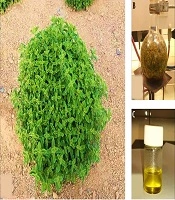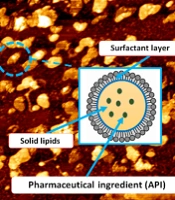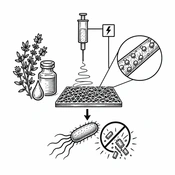
Cover image of the article: Nanoencapsulation of Thyme Essential Oil by Electrospinning and Evaluation of Its Antimicrobial Properties Against Antibiotic-resistant Salmonella typhimurium (AI-generated illustration)

Image Credit:AI-generated illustration

Nanoencapsulation of Thyme Essential Oil by Electrospinning and Evaluation of Its Antimicrobial Properties Against Antibiotic-resistant Salmonella typhimurium

Authors

Gholamreza HaghighiGholamreza Haghighi ORCID1, Hasan Ghorbani GhozhdiHasan Ghorbani Ghozhdi ORCID2, Laleh Shahraki MojahedLaleh Shahraki Mojahed ORCID1, Saeide SaeidiSaeide Saeidi ORCID3,*, Zahra BigomiZahra Bigomi ORCID4
1Zabol University of Medical Sciences, Zabol, Iran
2Department of Agriculture, Faculty of Sciences, University of Gonabad, Gonabad, Iran
3University of Zabol, Institute of Biotechnology, Zabol, Iran
4Zahedan University of Medical Sciences, Zahedan, Iran
*Corresponding Author: University of Zabol, Institute of Biotechnology, Zabol, Iran. Email: s.saeedi12@yahoo.com

Zahedan Journal of Research in Medical Sciences:Vol. 28, issue 4; e172587
Published online:Oct 31, 2026
Article type:Research Article
Received:Jun 06, 2026
Accepted:Oct 17, 2026
How to Cite:Haghighi G, Ghorbani Ghozhdi H, Shahraki Mojahed L, Saeidi S, Bigomi Z. Nanoencapsulation of Thyme Essential Oil by Electrospinning and Evaluation of Its Antimicrobial Properties Against Antibiotic-resistant Salmonella typhimurium. Zahedan J Res Med Sci. 2026;28(4):e172587. doi: https://doi.org/10.5812/zjrms-172587

Abstract

Background:

Controlling Salmonella in poultry is a public health priority. Essential oils have attracted interest as natural food preservatives because of their antioxidant and antimicrobial properties.

Objectives:

This study aimed to nanoencapsulate thyme essential oil using electrospinning and to characterize the resulting nanofibers and their antibacterial properties.

Methods:

Nanofibers containing different percentages of essential oil were prepared, and their physicochemical and antimicrobial properties were investigated.

Results:

Fourier transform infrared spectroscopy was used to evaluate molecular interactions in zein-acetic acid nanofibers containing thyme essential oil. The broad band at 3200 - 3400 cm-1, corresponding to O-H and N-H stretching vibrations, increased in intensity and broadened after the addition of essential oil, indicating the formation of hydrogen bonds between the phenolic compounds in the essential oil and zein. The characteristic amide I and amide II bands, at approximately 1650 cm-1 and 1540 cm-1, respectively, remained largely unchanged, indicating that the zein protein structure remained stable during electrospinning. Increased band intensity in the 1000 - 1250 cm-1 region, corresponding to C-O vibrations, confirmed the presence of essential oil in the fiber matrix.

Conclusions:

The fibrous nanoparticles exhibited good antimicrobial properties and could be used as food coatings.

1. Background

The United States Department of Agriculture has made the control of Salmonella in poultry a high priority because of its serious public health implications (1). Salmonella forms biofilms, resists disinfection, and can detect, adapt to, and survive stressful environmental conditions (2). Salmonella is responsible for common foodborne illnesses associated with poultry and poultry products, other meats such as pork, fish, and beef, vegetables, milk, eggs, fresh fruits, and cheese. It is a major cause of diarrheal disease and human salmonellosis (2). Salmonellosis is a zoonotic disease that can cause severe complications (3). Essential oils have therefore attracted interest as natural food preservatives because of their combined antioxidant and antimicrobial properties (4). Many plant extracts have low water solubility, chemical instability, high volatility, and rapid degradation upon exposure to light or oxygen, which reduce their bioavailability and therapeutic efficacy (5, 6).
These disadvantages necessitate technological interventions to improve formulation and delivery. Encapsulation in nanocarriers protects plant extracts from environmental degradation and enhances their solubility, bioavailability, targeted delivery, and sustained release, thereby optimizing their therapeutic effects (7, 8). Advances in pharmaceutical nanotechnology, including solid lipid nanoparticles, nanoemulsions, liposomes, polymer nanoparticles, and mesoporous silica systems, have been applied to encapsulate extracts of Iranian medicinal plants, with promising antibacterial and antifungal results (9).
Thymus vulgaris Linn., a herbaceous member of the mint family, occurs in southern Europe and the Mediterranean region (10). Chitosan nanoparticles containing thyme and oregano oils have shown increased bactericidal activity against foodborne pathogens, including Staphylococcus aureus, Escherichia coli, and Listeria monocytogenes (11). Chitosan nanocapsules containing thyme oil have also shown inhibitory activity against six foodborne bacteria (12).

2. Objectives

This study aimed to nanoencapsulate thyme essential oil using electrospinning and to characterize the resulting nanofibers and their antibacterial properties against Salmonella typhimurium.

3. Methods

3.1. Essential Oil Extraction and Polymer Solution Preparation

Thyme essential oil was extracted from thyme leaves by steam distillation. Zein was dissolved at concentrations of 20%, 25%, and 30% (w/v) in a mixture of ethanol (80%) and acetic acid (20%). To prepare the nanofibers, thyme essential oil was incorporated into the polymer solution at 0%, 5%, and 10% by weight.

3.2. Electrospinning

The polymer solution was loaded into a 10-mL syringe and placed in an electrospinning device. The electrospinning parameters were adjusted, and the nanofibers were collected on an aluminum collector and dried in a room.

3.3. Nanofiber Morphology and Diameter

Nanofiber morphology and diameter were examined using scanning electron microscopy (SEM). Images were obtained at magnifications of 1000 - 5000× to analyze morphology and diameter distribution.

3.4. Chemical Analysis

Fourier transform infrared spectroscopy (FTIR) spectra were recorded over the range of 400 - 4000 cm-1 to confirm the presence of thyme essential oil in the nanofiber structure.

3.5. Thermal Stability

Thermogravimetric analysis (TGA) was performed to investigate the thermal stability of the nanofibers over a temperature range of 25 - 600 °C at a heating rate of 10 °C/min.

3.6. Bacterial Isolation

Poultry fecal samples were collected from Zabol County over a two-month period in 2025. The samples were transferred to selective Salmonella-Shigella agar and Simon sulfite agar and incubated for 24 hours at 37 °C. Bacteria that grew during this step were subsequently cultured in the following differential media: TSI-MRVP-lysine-lysine iron agar, Simon citrate, and urea.

3.7. Disk Diffusion Assay

The nanofibers were cut into 6-mm disks and placed on agar plates containing bacteria. The total inhibition-zone diameter, including the disk, was measured after 24 hours of incubation at 37 °C.

4. Results

4.1. Antimicrobial Activity

At an essential oil concentration of 10%, the largest inhibition-zone diameter was 6 mm and was observed for two Salmonella typhimurium strains. At 5%, the largest inhibition-zone diameter was 4 mm and was also observed for two strains (Table 1).
Table 1.
Inhibition-Zone Diameters of Nanoencapsulated Thyme Essential Oil Against Salmonella Typhimurium
Bacterial StrainZone Diameter at 10% Essential Oil (mm)Zone Diameter at 5% Essential Oil (mm)
141
253
342
452
552
664
764
853
953
1043

4.2. Fourier Transform Infrared Spectroscopy

The FTIR spectrum of zein-acetic acid nanofibers containing thyme essential oil was evaluated to investigate molecular interactions. The broad band at 3200 - 3400 cm-1, corresponding to O-H and N-H stretching vibrations, increased in intensity and broadened after the addition of essential oil, indicating hydrogen-bond formation between the phenolic compounds in the essential oil and zein. The characteristic amide I and amide II bands, at approximately 1650 cm-1 and 1540 cm-1, respectively, remained largely unchanged, indicating that the zein protein structure remained stable during electrospinning. Increased band intensity in the 1000 - 1250 cm-1 region, corresponding to C-O vibrations, confirmed the presence of essential oil in the fiber matrix. Overall, the FTIR results indicated that thyme essential oil was encapsulated mainly through physical interactions and hydrogen bonding.

4.3. Scanning Electron Microscopy

Scanning electron microscopy was used to investigate fiber morphology and size distribution in zein-acetic acid samples, both with and without thyme essential oil. Images showed a uniform fibrous structure arranged in a disordered network in both samples. Fibers in the pure zein sample had smooth surfaces without bead formation. The average fiber diameter ranged from 150 - 250 nm in the pure zein sample and increased slightly to 200 - 300 nm after the addition of thyme essential oil. This increase was probably attributable to changes in the viscosity and conductivity of the electrospinning solution caused by essential oil components. Some fibers containing essential oil showed slight surface roughness, which could be related to the distribution of essential oil molecules in the zein matrix. Overall, SEM showed uniform fiber formation without cracks or abnormal aggregation, confirming the successful encapsulation of thyme essential oil in the zein nanofiber structure.

4.4. Thermogravimetric Analysis

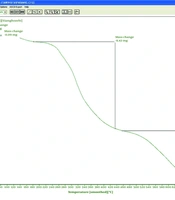
The thermogravimetric analysis curves of zein samples with and without thyme essential oil showed three distinct weight-loss regions. The initial weight loss at 50 - 150 °C was associated with the evaporation of moisture and residual solvent. The main degradation stage at 220 - 320 °C was associated with degradation of the zein protein structure and cleavage of peptide bonds. The sample containing essential oil showed a mild additional stage at 150 - 220 °C, attributable to the decomposition of volatile essential oil components, including thymol and carvacrol. The carbon residue above 450 °C was slightly higher in the sample containing essential oil than in the pure zein sample, indicating the presence of more stable essential oil components. These results confirmed the effective encapsulation of thyme essential oil in the zein matrix without a significant effect on overall thermal stability.

4.5. Dynamic Light Scattering

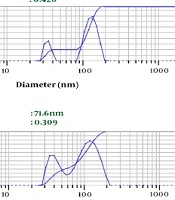
Dynamic light scattering showed a uniform particle size distribution in the nanostructures obtained from zein with and without thyme essential oil. The average particle size was approximately 180 - 220 nm in the pure zein sample and 230 - 280 nm in the sample containing thyme essential oil. The slight increase in particle size in the presence of essential oil was attributed to increased viscosity and surface tension of the electrospinning solution. The size distribution index (PDI) was less than 0.3 in both samples, indicating a uniform size distribution and good stability in the dispersion medium.

5. Discussion

The results indicated that antimicrobial activity increased with essential oil concentration.
A study investigated the nanoencapsulation of thyme essential oil in chitosan-gelatin nanofibers using nozzleless electrospinning and the application of these nanofibers to reduce nitrite in sausages. Nanofibers prepared with a gelatin/chitosan ratio of 1:6 and containing 40% essential oil were the best-performing samples, with diameters of 97 - 343 nm (13).
Ozogul et al. investigated the antimicrobial activity of thyme essential oil nanoemulsions against fish spoilage bacteria and foodborne pathogens. The nanoemulsions showed significantly greater antibacterial activity against S. aureus, with an inhibition-zone diameter of 26.1 mm, than thyme essential oil, which had an inhibition-zone diameter of 25.0 mm (P < 0.05) (14).
Another study investigated the use of thyme oil-loaded solid lipid and chitosan nanocarriers as food preservatives and their antibacterial effects against Salmonella typhimurium and E. coli. The minimum inhibitory concentrations (MICs) against E. coli and Salmonella typhimurium were 4 and 1.5 μg/mL for thyme oil-loaded chitosan nanocarriers, 60 and 40 μg/mL for thyme oil-loaded solid lipid nanocarriers, and 180 - 150 μg/mL for pure thyme oil, respectively (15).
In a study of the antimicrobial activity of medicinal plants collected from the Sistan region against foodborne bacteria, the lowest and highest inhibitory concentrations were observed for Peganum harmal against Vibrio cholerae.
Saeidi et al. investigated the antimicrobial activity of Mentha piperita and Zataria multiflora essential oils and found that both exhibited strong inhibitory effects against Pseudomonas aeruginosa (16).
In another study, thyme essential oil inhibited S. aureus, Salmonella typhimurium, E. coli, and P. aeruginosa (17).
One study reported thyme essential oil MICs of 31, 250, 500, and 500 μg/mL against S. aureus, Staphylococcus epidermidis, Streptococcus mutans, and P. aeruginosa, respectively. The MICs against the Gram-negative bacteria E. coli and Salmonella typhimurium were 250 and 500 μg/mL, respectively (18).

5.1. Conclusions

Nanofibers containing essential oil exhibited good antimicrobial activity, which increased with the amount of essential oil in the nanofibers.
Footnotes

  • Artificial Intelligence Use Disclosure:The authors declare that no generative artificial intelligence tools were used in the creation of this article.

  • Authors' Contribution:Study Concept and Design: G. H. and L. S. M.; Analysis and Interpretation of Data: S. S. and Z. B.

  • Conflict of Interests Statement:The authors do not declare any conflicts of interest for this study.

  • Data Availability:The dataset presented in the study is available on request from the corresponding author during submission or after publication.

  • Ethical Approval:IR.ZBMU.1403.059.

  • Funding/Support:No funding was received for this study.

References

  • 1.
    Aljuwayd M, Malli IA, Kwon YM. Application of Eugenol in Poultry to Control Salmonella Colonization and Spread. Veterinary Sciences. 2023;10(2):151. [PubMed ID: 36851455]. [PubMed Central ID: PMC9962070]. https://doi.org/10.3390/vetsci10020151.
  • 2.
    Palomares-Navarro JJ, Bernal-Mercado AT, González-Aguilar GA, Ortega-Ramirez LA, Martínez-Téllez MA, Ayala-Zavala JF. Antibiofilm action of plant terpenes in Salmonella strains: potential inhibitors of the synthesis of extracellular polymeric substances. Pathogens. 2023;12(1):35. [PubMed ID: 36678383]. [PubMed Central ID: PMC9864247]. https://doi.org/10.3390/pathogens12010035.
  • 3.
    Merino L, Procura F, Trejo FM, Bueno DJ, Golowczyc MA. Biofilm formation by Salmonella sp. in the poultry industry: Detection, control and eradication strategies. Food Research International. 2019;119:530-40. [PubMed ID: 30884686]. https://doi.org/10.1016/j.foodres.2017.11.024.
  • 4.
    Matera R, Lucchi E, Valgimigli L. Plant essential oils as healthy functional ingredients of nutraceuticals and diet supplements: a review. Molecules. 2023;28(2):901. [PubMed ID: 36677959]. [PubMed Central ID: PMC9862182]. https://doi.org/10.3390/molecules28020901.
  • 5.
    Namdar N, Nayeri Fasaei B, Shariati P, Joghataei SM, Arpanaei A. Mesoporous silica nanoparticles co-loaded with lysozyme and vancomycin for synergistic antimicrobial action. Sci Rep. 2024;14(1). 29242. [PubMed ID: 39587211]. [PubMed Central ID: PMC11589144]. https://doi.org/10.1038/s41598-024-78922-1.
  • 6.
    Joghataei SM, Nikaein D, Nezhad GA, Khosravi A, Tamai IA. Impact of nano-pomegranate seed oil on the expression of TLR2 and TLR4 genes in A549 cells sensitized with Alternaria alternatacellular extract. J Med Bacteriol. 2024;12(4):17-30. https://doi.org/10.18502/jmb.v12i4.17004.
  • 7.
    Rijo P, Falé PL, Serralheiro ML, Simões MF, Gomes A, Reis C. Optimization of medicinal plant extraction methods and their encapsulation through extrusion technology. Measurement. 2014;58:249-55. https://doi.org/10.1016/j.measurement.2014.08.045.
  • 8.
    Maryam I, Huzaifa U, Hindatu H, Zubaida S. Nanoencapsulation of essential oils with enhanced antimicrobial activity: a new way of combating antimicrobial resistance. J Pharmacogn Phytochem. 2015;4(3):165-170.
  • 9.
    Vinceković M, Viskić M, Jurić S, Giacometti J, Bursać Kovačević D, Putnik P, et al. Innovative technologies for encapsulation of Mediterranean plants extracts. Trends Food Sci Tech. 2017;69:1-12. https://doi.org/10.1016/j.tifs.2017.08.001.
  • 10.
    Hossrini RM, Teymouri F, Arjomandzadegan M, Zolfaghari MR. Effects of Zataria multiflora, Mentha longifolia, and Origanum vulgare plant essential oils on the inhibition of Candida albicans. Herb Med J. 2022;7(3):103-109. https://doi.org/10.22087/hmj.v7i3.1023.
  • 11.
    Cazón P, Vázquez M. Mechanical and barrier properties of chitosan combined with other components as food packaging film. Environ Chem Lett. 2020;18(2):257-267. https://doi.org/10.1007/s10311-019-00936-3.
  • 12.
    Sotelo-Boyás M, Correa-Pacheco Z, Bautista-Baños S, Gómez y Gómez Y. Release study and inhibitory activity of thyme essential oil-loaded chitosan nanoparticles and nanocapsules against foodborne bacteria. Int J Biol Macromol. 2017;103:409-414. [PubMed ID: 28526346]. https://doi.org/10.1016/j.ijbiomac.2017.05.063.
  • 13.
    Vafania B, Fathi M, Soleimanian-Zad S. Nanoencapsulation of thyme essential oil in chitosan-gelatin nanofibers by nozzle-less electrospinning and their application to reduce nitrite in sausages. Food and Bioproducts Processing. 2019;116:240-248. https://doi.org/10.1016/j.fbp.2019.06.001.
  • 14.
    Ozogul Y, Kuley Boğa E, Akyol I, Durmus M, Ucar Y, Regenstein JM, et al. Regenstein J, Köşker AR. Antimicrobial activity of thyme essential oil nanoemulsions on spoilage bacteria of fish and food-borne pathogens. Food Bioscience. 2020;36. 100635. https://doi.org/10.1016/j.fbio.2020.100635.
  • 15.
    Monsef AS, Nemattalab M, Parvinroo S, Hesari Z. Antibacterial effects of thyme oil loaded solid lipid and chitosan nano-carriers against Salmonella Typhimurium and Escherichia coli as food preservatives. PLoS ONE. 2024;19(12). e0315543. [PubMed ID: 39739777]. [PubMed Central ID: PMC12140078]. https://doi.org/10.1371/journal.pone.0315543.
  • 16.
    Saeidi S, Mohsenbeygi M, Roustakhiz J, Javadian F, Hassanshahian M. Antimicrobial and anti-biofilm effects of Mentha piperita and Zataria multiflora on pathogenic bacteria. J Med Bacteriol. 2019;8(1 - 2):37-44.
  • 17.
    Forgi S, Osanloo M, Norouzi F, amushahi MH, Zarenezhad E, Sayadi M, et al. Comparative antimicrobial activity of Zataria multiflora essential oil nanoformulations against foodborne pathogens. Sci Rep. 2025;15(1). 38296. [PubMed ID: 41184356]. [PubMed Central ID: PMC12583708]. https://doi.org/10.1038/s41598-025-21984-6.
  • 18.
    Dadazadeh A, Nourafcan H. The Effect of Zataria multiflora Boiss Leaves Essential Oil on Some Pathogenic Bacteria as an Alternative for Conventional Antibiotics. Crescent Journal of Medical and Biological Sciences. 2022;9(3):173-183. https://doi.org/10.34172/cjmb.2022.29.

Copyright

Copyright © 2026, Haghighi et al. This open-access article is available under the Creative Commons Attribution 4.0 (CC BY 4.0) International License (https://creativecommons.org/licenses/by/4.0/), which allows for unrestricted use, distribution, and reproduction in any medium, provided that the original work is properly cited.

Similar Articles

26
Jul
2022
Characteristics and Antibacterial Effect of Chitosan Coating Nanoemulsion Containing Zataria multiflora and Bunium persicum Essential Oils Against Listeria monocytogenes

Characteristics and Antibacterial Effect of Chitosan Coating Nanoemulsion Containing Zataria multiflora and Bunium persicum Essential Oils Against Listeria monocytogenes

Mohammad Hashemi,
Zakieh Baluchi Zehi,
Saeid Khanzadi,
Mitra Rezaie,
Seyyed Mohammad Ali Noori,
Asma Afshari

Hashemi M, Baluchi Zehi Z, Khanzadi S, Rezaie M, Noori SMA, et al. Characteristics and Antibacterial Effect of Chitosan Coating Nanoemulsion Containing Zataria multiflora and Bunium persicum Essential Oils Against Listeria monocytogenes. Jundishapur J Nat Pharm Prod. 2022;17(4):e120819. doi: https://doi.org/10.5812/jjnpp-120819

4
Oct
2026
Design, Fabrication, and Evaluation of Solid Lipid Nanoparticles Containing Ferula assa-Foetida Essential Oil as an Antimicrobial Agent Against Human Pathogens

Design, Fabrication, and Evaluation of Solid Lipid Nanoparticles Containing Ferula assa-Foetida Essential Oil as an Antimicrobial Agent Against Human Pathogens

Mehdi Jahantigh,
Saeide Saeidi,
Masoomeh Rezaei

Jahantigh M, Saeidi S, Rezaei M. Design, Fabrication, and Evaluation of Solid Lipid Nanoparticles Containing Ferula assa-Foetida Essential Oil as an Antimicrobial Agent Against Human Pathogens. Zahedan J Res Med Sci. 2026;28(4):e174906. doi: https://doi.org/10.5812/zjrms-174906

30
Mar
2021
Oregano (Origanum vulgar subsp. viride) Essential Oil: Extraction, Preparation, Characterization, and Encapsulation by Chitosan-Carbomer Nanoparticles for Biomedical Application

Oregano (Origanum vulgar subsp. viride) Essential Oil: Extraction, Preparation, Characterization, and Encapsulation by Chitosan-Carbomer Nanoparticles for Biomedical Application

Mona Sharififard,
Maryam Kouchak,
Ismaeil Alizadeh,
Elham Jahanifard

Sharififard M, Kouchak M, Alizadeh I, Jahanifard E. Oregano (Origanum vulgar subsp. viride) Essential Oil: Extraction, Preparation, Characterization, and Encapsulation by Chitosan-Carbomer Nanoparticles for Biomedical Application. Jundishapur J Nat Pharm Prod. 2021;16(2):e101013. doi: https://doi.org/10.5812/jjnpp.101013

6
May
2020
Antioxidant Property and Bactericidal Activity of Linum usitatissimum Seed Essential Oil Nanoemulsion (LSEO-NE) on Staphylococcus aureus

Antioxidant Property and Bactericidal Activity of Linum usitatissimum Seed Essential Oil Nanoemulsion (LSEO-NE) on Staphylococcus aureus

Roghaye Keykhasalar,
Masoud Homayouni Tabrizi,
Pouran Ardalan

Keykhasalar R, Homayouni Tabrizi M, Ardalan P. Antioxidant Property and Bactericidal Activity of Linum usitatissimum Seed Essential Oil Nanoemulsion (LSEO-NE) on Staphylococcus aureus. Int J Infect. 2020;7(2):e101639. doi: https://doi.org/10.5812/iji.101639

6
May
2023
Targeted Solid Lipid Nanoparticles Formulation for Colon Cancer Treatment and Cytotoxicity Assessment Using HT29 Cell Line

Targeted Solid Lipid Nanoparticles Formulation for Colon Cancer Treatment and Cytotoxicity Assessment Using HT29 Cell Line

Eskandar Moghimipour,
Maryam Abedini,
Somayeh Handali

Moghimipour E, Abedini M, Handali S. Targeted Solid Lipid Nanoparticles Formulation for Colon Cancer Treatment and Cytotoxicity Assessment Using HT29 Cell Line. Jundishapur J Nat Pharm Prod. 2023;18(2):e135987. doi: https://doi.org/10.5812/jjnpp-135987

More by these authors

Gholamreza HaghighiPubMedScholar
Hasan Ghorbani GhozhdiPubMedScholar
Laleh Shahraki MojahedPubMedScholar
Saeide SaeidiPubMedScholar
Zahra BigomiPubMedScholar